Top 10 Turret Truck AGV Factories & Exporter
An evidence-led procurement guide for warehouse automation teams comparing turret truck AGV factories, narrow-aisle platforms, export readiness and verifiable manufacturing capability.
8 Turret Truck AGV & Narrow-Aisle Systems
For buyers shortlisting top turret truck AGV factories and exporters, product breadth matters: the supplier should be able to match load, lift height, aisle width, navigation and battery strategy to the real warehouse constraint rather than force one platform into every project. The eight models below cover counterbalanced, stacker, VNA, multi-directional and compact material-handling use cases.
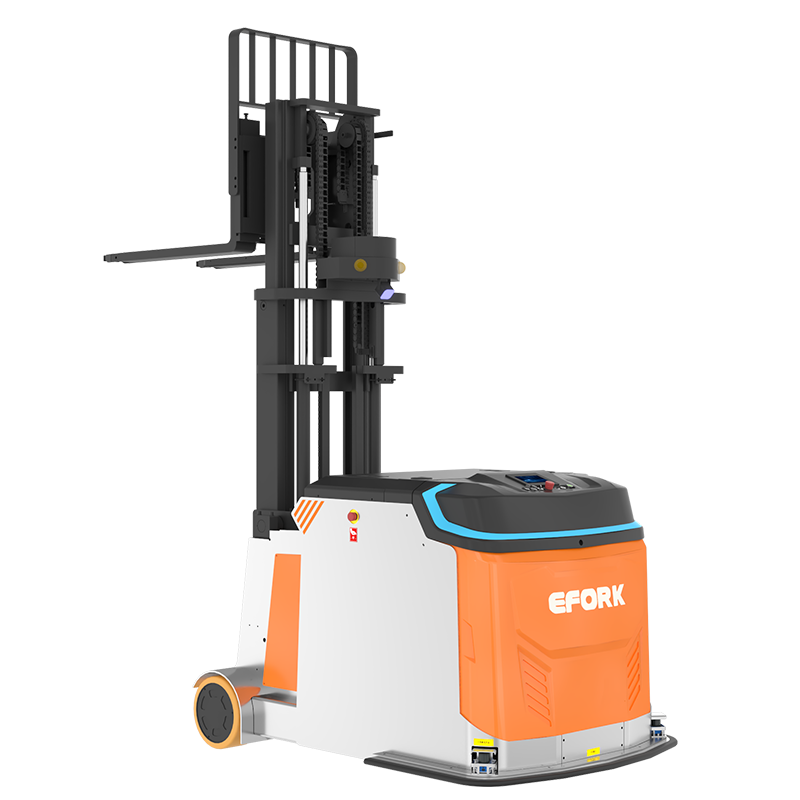
EFORK EDB30-30 Counterbalanced AGV Body 3M 3T High Lift Capacity Forklift Fork Legs High Flexibility 3D SLAM Navigation for Automated Warehouses
- 3T capacity
- 3M lift
- 3D SLAM
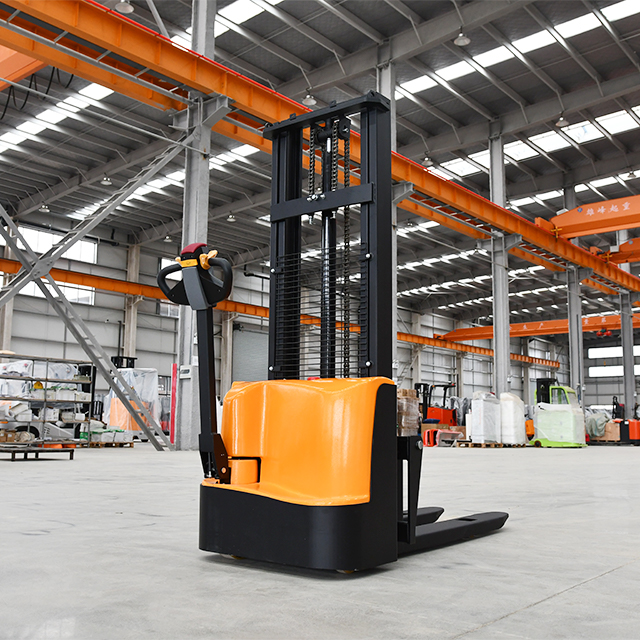
1Ton & 2Ton Full Electric Pallet Stacker Walkie Type High Performance, Low Cost Optional with Training Wheels
- 1–2T
- Walkie type
- Training wheels
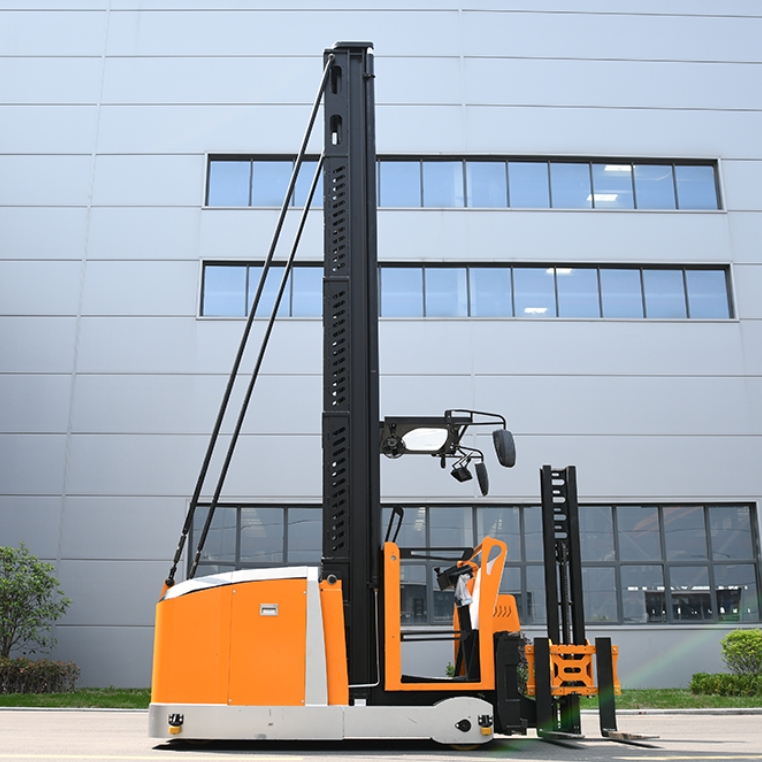
New 1.5T Manual Electric 3-Way Pallet Stacker Forklift 3 Way Manual VNA Forklift with 1600kg Loading Capacity AC Motor Powered
- 1.5T
- 1600kg load
- AC motor
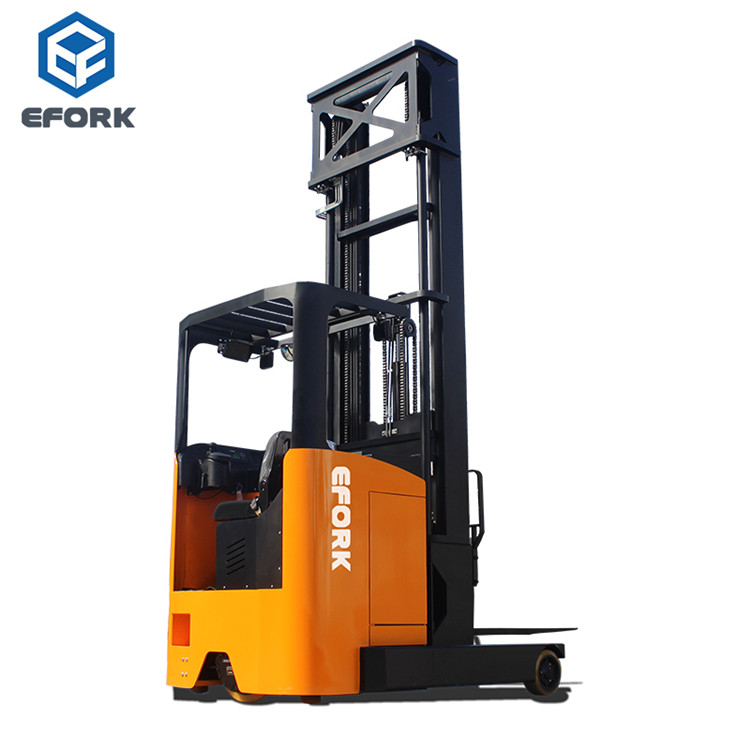
CQDE China Wholesale 2000kg 12m 8m 6m Industrial Forklift Pallet Truck Good Price
- 2000kg
- 6/8/12m
- Wholesale
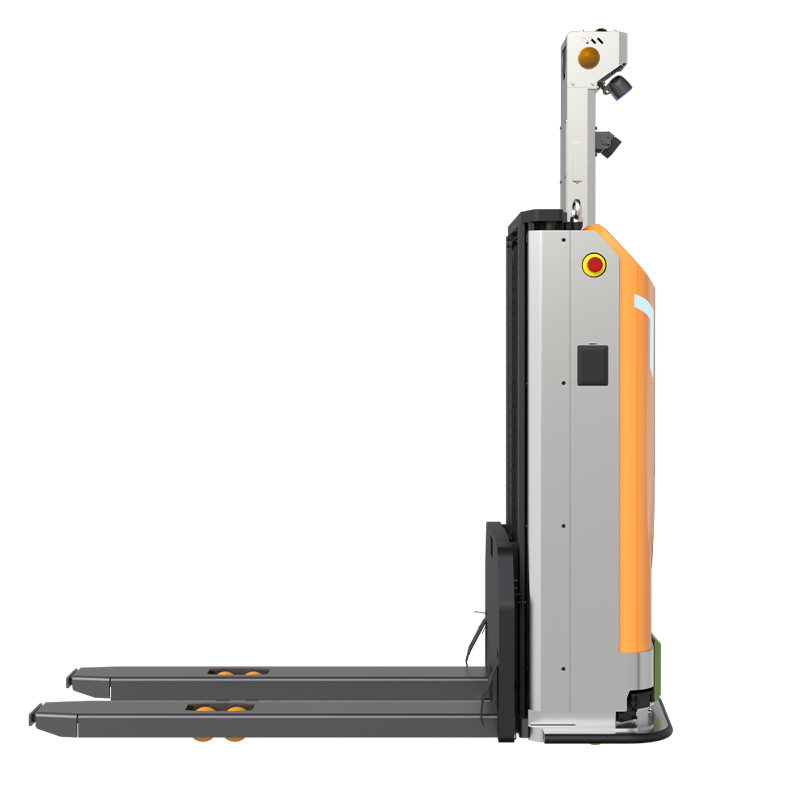
2T Slim Narrow-Body Stacker AGV with 3D SLAM & WIFI/5G for High-Density Storage 1.6M Pallet Stacking Maximize Warehouse Space
- 2T
- 1.6M stacking
- Narrow body
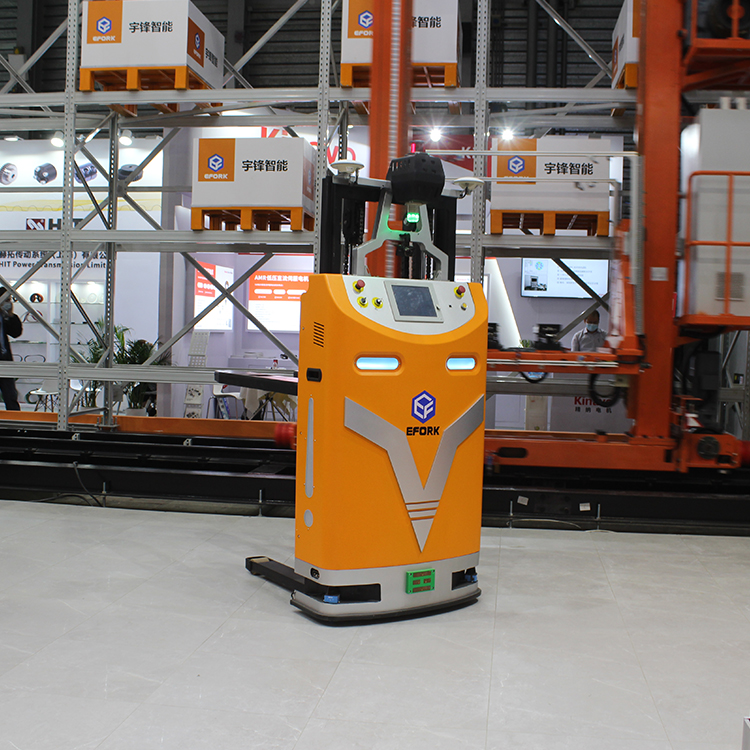
CE Certified EFORK EDA20-16 2T 1600mm Laser Navigation Self-Driving Forklift AGV WIFI/5G 10mm Accuracy 6-8H Working Time
- 2T
- 10mm accuracy
- 6–8H
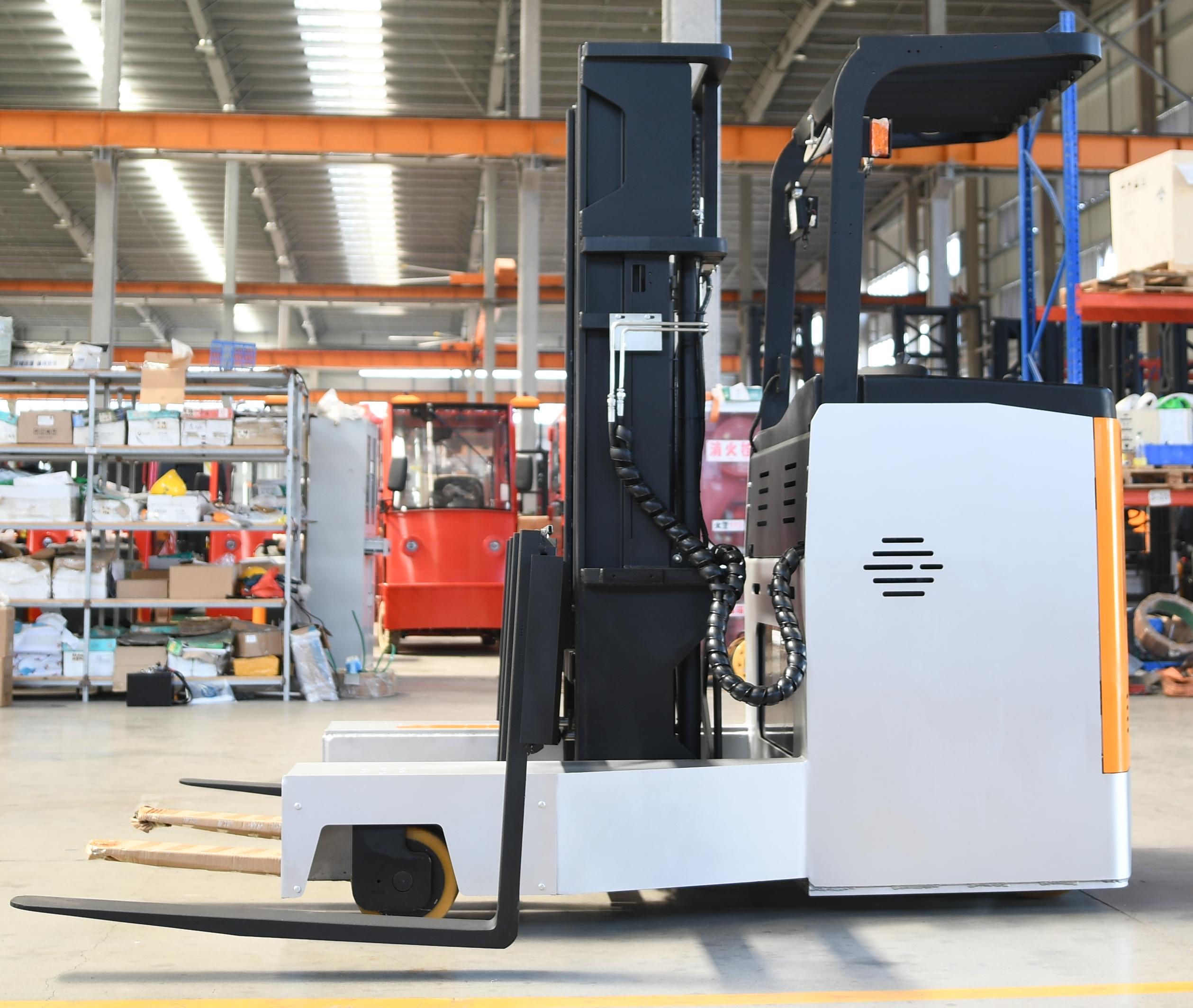
Multi Directional Forklift 4Ton 5Ton 4 Way Forklift Reach Truck Stacker For Narrow Aisle Small Space
- 4–5T
- 4-way
- Narrow aisle
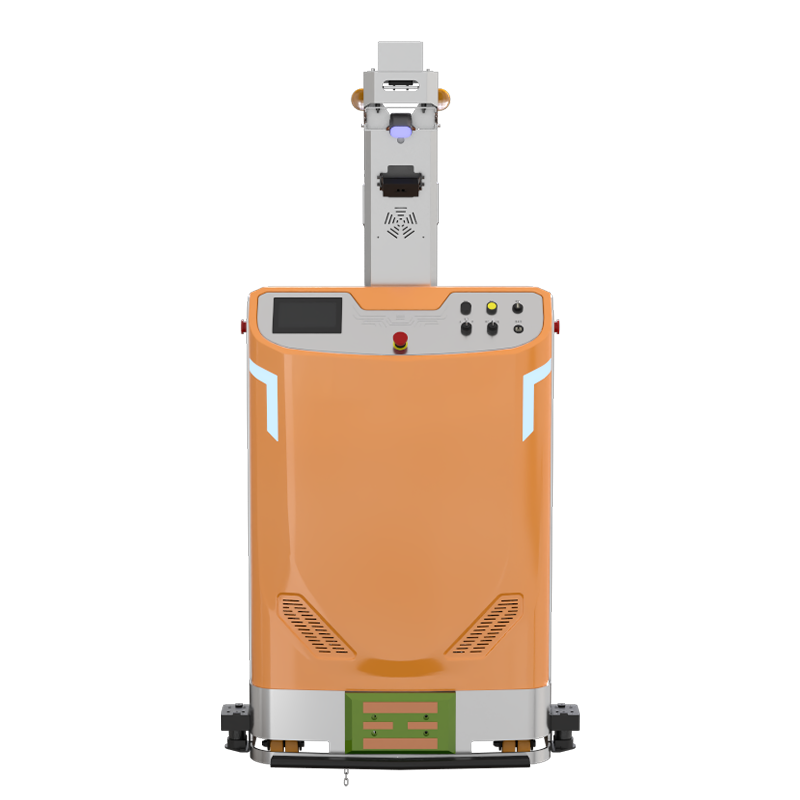
Material Handling AGV Body 2T with Narrow Body Compact Chassis for Efficient Production Line & Workshop Transport in Tight Space
- 2T
- Narrow body
- Tight space
What the Top 10 Turret Truck AGV Shortlist Actually Measures
Search intent around “top turret truck AGV factories” is not limited to price discovery. Procurement teams are trying to reduce project risk: they need a supplier that can prove manufacturing scale, engineering depth, safety compliance, export documentation, spare-parts support and a realistic path from pilot to fleet deployment. The figures below are therefore more useful than a generic catalogue claim.
Anhui Nexrik Intelligent Technology Co., Ltd.
Nexrik is a high-tech manufacturer focused on the R&D, production and integration of intelligent warehousing equipment, including AGV forklifts, VNA AGVs, AS/RS stacker cranes, four-way shuttles and RGVs. Its production bases are located in Huagang Town Industry-City Integration Demonstration Zone, Feixi County, Hefei, Anhui — a recognised hub for China’s forklift and material-handling industry.
For overseas buyers, the advantage is not simply product variety. It is the ability to engineer one integrated system: turret truck AGV bodies for narrow aisles, counterbalanced AGVs for trailer docks and production lines, pallet stackers for cost-controlled entry, and high-bay AS/RS equipment for dense storage. That range lets a project team standardise safety logic, fleet software, spare parts and service procedures across multiple warehouse zones.
- Business type: manufacturer & trading
- 1,152 staff with onsite verification
- SGS onsite-verified premises and legal status
- CE, ISO 9001 and ISO 45001 systems
- OEM, ODM and buyer-label production
- 7 international trade exhibitions



In-House Manufacturing
Chassis, masts and control integration are built and tested on Nexrik’s own lines, with onsite material and finished-product inspection before shipment.
3D SLAM & Laser Navigation
Reflector-based laser navigation suits fixed routes; 3D SLAM uses natural building features to reduce floor tape and reflector preparation.
One-Stop Turnkey Delivery
AGVs, stacker cranes, four-way shuttles and RGVs can be engineered as one WMS-ready system rather than separate equipment packages.
Export Compliance Evidence
CE marking under 2006/42/EC, ISO 9001, ISO 45001 and SGS onsite verification support tender review and customs clearance.
The Top 10 Selection Matrix for Turret Truck AGV Factories
A serious shortlist should be built from evidence, not brochure adjectives. The ten criteria below reflect how experienced buyers separate a genuine turret truck AGV factory and exporter from a trading intermediary with limited engineering control.
Verified Factory Capacity
Check floorspace, staff, production lines and inspection records. A supplier able to support fleet expansion without changing platform architecture reduces long-term integration risk.
Platform Breadth
Counterbalanced, stacker, reach, VNA, multi-directional and compact AGV bodies should be available so the recommendation follows the aisle and load, not the catalogue.
Navigation Fit
Compare 3D SLAM, laser navigation, reflector requirements, mapping time and recovery behaviour. The best technology is the one that matches your building and operating discipline.
Safety and Certification
Request CE documentation, risk assessment, safety scanner layout, emergency-stop design and operator training. Compliance should be visible before the purchase order.
WMS / WCS Integration
Ask how task allocation, traffic control, inventory confirmation and exception handling are managed. A WMS-ready system is more valuable than a standalone robot.
Custom Engineering
Load capacity, lift height, fork dimensions, battery configuration and cold-storage variants may all need adjustment. Confirm whether customization is engineered in-house.
Export Documentation
Top exporters should handle Incoterms, packing, CE files, commercial invoices, customs data and spare-parts lists without creating documentation delays.
Pilot Methodology
A one-set pilot should test routes, cycle time, charging strategy, safety zones and operator acceptance. Scale-up should follow measured data, not optimism.
After-Sales Depth
Remote diagnostics, spare-parts availability, training materials and escalation paths are part of the product. Ask who supports the fleet in year three, not only at delivery.
Total Cost of Ownership
Compare energy use, tyre and scanner wear, battery replacement, service hours and expansion cost. The lowest quotation is rarely the lowest lifetime cost.
Match the AGV Platform to the Warehouse Constraint
Turret truck AGV projects fail most often at the interface between machine and building: aisle width, rack tolerance, pallet condition, floor flatness, charging location and traffic peaks. Use the reference table below to align the equipment brief with the actual operating environment.
| Platform | Typical Load / Height | Best-Fit Task | Procurement Check |
|---|---|---|---|
| 3T Counterbalanced AGV | 3,000 kg / 3,000 mm | Trailer docks, production lines, closed-bottom pallets and cages | Floor condition, safety scanner coverage, battery strategy |
| 1–2T Electric Pallet Stacker | 1–2 t / low to medium lift | Low-cost entry, line-side delivery and manual-assisted transition | Training wheels, duty cycle, operator adoption plan |
| 1.5T 3-Way VNA Stacker | 1.5 t / 1,600 kg load | Narrow aisle pallet handling with left-right-forward fork action | Aisle width, mast clearance, guidance and rack tolerance |
| 2000kg 6–12m Industrial Forklift | 2,000 kg / 6, 8 or 12 m | High-bay pallet movement and industrial storage | Derated capacity at height, floor flatness, mast stability |
| 2T Slim Stacker AGV | 2 t / 1.6 m stacking | High-density storage where body width is the limiting factor | Chassis width, rack interface, 3D SLAM mapping scope |
| 2T Laser Navigation AGV | 2 t / 1,600 mm | Repeatable routes requiring 10 mm accuracy and stable navigation | Reflector plan, route changes, Wi-Fi / 5G coverage |
| 4–5T Multi-Directional Forklift | 4–5 t / narrow aisle | Long loads or wide pallets in space-constrained storage | Load centre, floor bearing capacity, aisle transition zones |
| Compact 2T AGV Body | 2 t / compact chassis | Production-line and workshop transport in tight space | Turning radius, scanner placement, pedestrian traffic zones |
High-Density VNA Storage
A 3-way VNA AGV or turret truck AGV body is the right starting point when every 300–500 mm of aisle width affects storage capacity. Confirm rack tolerance and guidance early.
Mixed Production Lines
Counterbalanced and compact 2T platforms handle closed pallets, cages and line-side transfer where space is tight and routes change frequently.
Dock and Trailer Handling
A 3T counterbalanced AGV avoids front outriggers, making it suitable for trailer loading, closed-bottom pallets and dock transitions.
Pilot-Friendly Entry
Pallet stackers and compact AGV bodies allow a controlled pilot with one set before scaling to a coordinated WMS-connected fleet.
How Turret Truck AGV Buying Will Change
The next procurement cycle will reward buyers who treat AGVs as a long-lived automation asset, not a one-off equipment purchase. Suppliers will be evaluated on measurable uptime, integration openness, safety evidence and lifecycle support.
TCO Over Lowest Quote
Buyers will compare energy, battery replacement, scanner wear, service hours and spare-parts commonality. A higher initial quotation can still win on five-year cost.
Pilot-First Fleet Planning
One-set pilots will validate cycle time, route logic and operator acceptance before multi-unit orders. Modular platforms make it easier to add units without redesign.
Software-First Integration
WMS/WCS interfaces, task allocation, exception handling and cybersecurity will be reviewed as carefully as load capacity and lift height.
Verified Compliance
CE, ISO, SGS onsite verification, safety validation and audited factory evidence will become standard tender requirements rather than optional extras.
What to Write into the Technical Specification
A specification that only lists tonnage and lift height is incomplete. The technical brief should state how the AGV will localise, recover from exceptions, exchange data, manage energy and remain safe as the warehouse changes.
3D SLAM & Sensor Fusion
Natural-feature localisation reduces dependence on floor tape and reflectors, shortening site preparation in existing buildings.
- Map update and recovery workflow
- Pallet and rack detection checks
- Pedestrian and obstacle sensing
Narrow Aisle + High Bay Convergence
Turret truck AGVs, VNA platforms, stacker cranes and four-way shuttles are increasingly specified as one storage strategy rather than isolated equipment.
- Up to 40 m AS/RS stacker cranes
- ±2 mm four-way shuttle positioning
- WMS-ready task orchestration
Digital Twin & Connected Service
Simulation before installation and remote diagnostics after go-live reduce commissioning risk and improve response time.
- Traffic simulation and fleet sizing
- WIFI/5G coverage planning
- Battery, charge and duty-cycle optimisation
Acceptance Checklist Before You Place the Order
Use this checklist to turn supplier conversations into verifiable commitments. The most reliable turret truck AGV factories welcome engineering questions because they reduce commissioning surprises.
Confirm actual aisle width, rack tolerance, pallet condition and floor flatness against the proposed AGV body.
Require a route plan and throughput model for peak demand, not only an average shift calculation.
Review CE documentation, safety scanner zones, emergency-stop logic and operator training requirements.
Define WMS/WCS interface responsibilities, data ownership, exception handling and acceptance tests.
Confirm battery type, charging opportunity, spare battery strategy and cold-storage suitability if relevant.
Ask for a factory inspection report, finished-product inspection record and packing/export checklist.
Clarify spare-parts lead time, remote diagnostics access and escalation contacts for year-one support.
Structure the pilot around measurable KPIs: cycle time, uptime, intervention rate and operator acceptance.
Common Buyer Questions About Turret Truck AGVs
These are the questions procurement teams most often ask when comparing factories, exporters and technical proposals for narrow-aisle automated forklifts.
What is a turret truck AGV, and how is it different from a standard AGV forklift?
A turret truck AGV combines an automated guided vehicle platform with a rotating or multi-directional fork assembly designed for very narrow aisles. Unlike a conventional counterbalanced AGV forklift, it can pick or place pallets to the left, right or forward without turning the whole truck, which increases storage density.
What should a buyer verify when comparing turret truck AGV factories?
Look beyond catalogue specifications: verify factory capacity, onsite inspection records, safety certification, navigation technology, WMS interface capability, customization depth, export documentation and after-sales structure. A factory that can show evidence across all these areas is generally lower risk than one competing only on price.
Which navigation technology is better: 3D SLAM or laser navigation?
3D SLAM is often preferred where the building has natural features and the buyer wants to reduce reflectors or floor tape. Laser navigation remains effective for fixed, repetitive routes where reflectors can be maintained. The correct choice depends on route stability, ceiling height, rack layout and the acceptable site-preparation workload.
What certifications and audit evidence should be requested?
Request CE documentation under Machinery Directive 2006/42/EC where applicable, ISO 9001 and ISO 45001 evidence, safety risk assessment, factory inspection records and third-party onsite verification. Nexrik holds CE, ISO 9001 and ISO 45001 systems, has 7 awarded patents and has been SGS onsite verified.
Can a turret truck AGV integrate with our existing WMS or ERP?
Yes, but the interface must be engineered. During solution design, the project team should define task allocation, inventory confirmation, exception handling, data ownership and acceptance tests. Nexrik’s AS/RS and four-way shuttle systems are WMS-ready, and interface requirements are confirmed before commissioning.
What is the minimum order quantity, and how should a pilot be structured?
Nexrik’s MOQ is 1 set for AGV forklifts, stacker cranes and four-way shuttles. A pilot should validate route feasibility, cycle time, charging strategy, safety zones and operator acceptance. Once those KPIs are proven, the fleet can be expanded with the same platform logic and spare-parts family.
Which trade terms and payment methods are accepted?
Accepted delivery terms include FOB, CFR, CIF, EXW, FAS, CIP and DDP, plus express delivery where appropriate. Payment methods include L/C, D/P, D/A, MoneyGram, credit card and Western Union, with transactions available in USD, EUR or CNY.
How much customization is possible, and what after-sales support is available?
Nexrik provides full customization, OEM, ODM and buyer-label production, including load capacity, lift height, fork dimensions, battery configuration and cold-storage variants. After-sales support can include remote diagnostics, spare-parts planning, commissioning support and operator training depending on the project scope.
Shortlisting Turret Truck AGV Factories?
Send your aisle width, pallet specification, lift height, rack drawing and throughput target. The engineering team can recommend the right AGV platform, navigation mix and pilot scope before you commit to a fleet.
Inquire NowMOQ 1 Set · OEM / ODM · CE · ISO 9001 · ISO 45001 · SGS Onsite Verified