Featured Product Shortlist
8 Intralogistics Automation Systems Buyers Compare First
Start with the load unit, lift height, aisle width and navigation environment. These eight systems cover slim stackers, reach trucks, multi-directional side loaders, counterbalanced AGV forklifts and 3D SLAM platforms. Each product link is preserved for direct technical review.
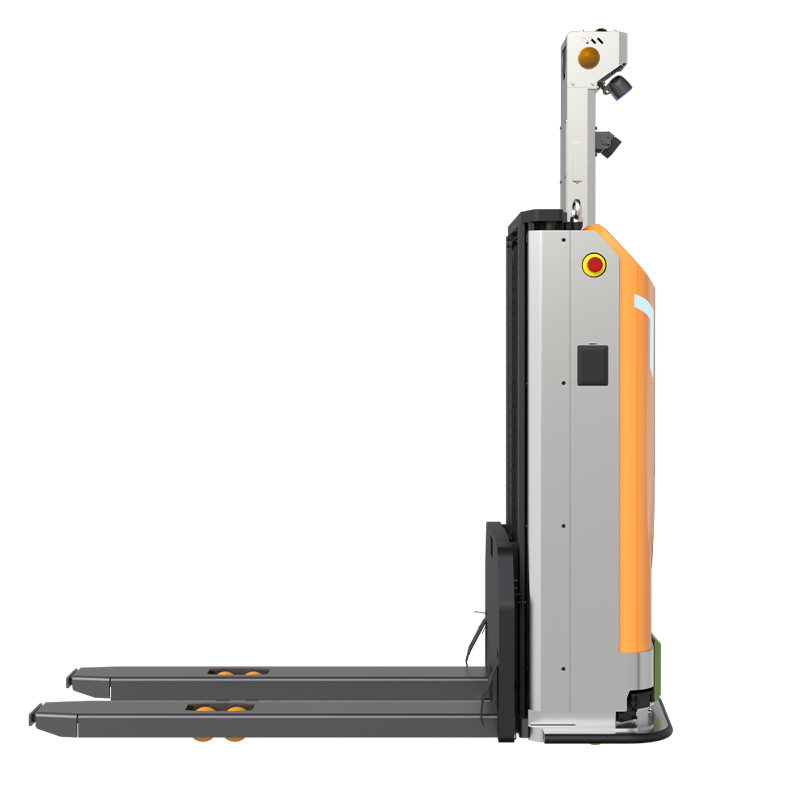
Slim Stacker AGV
2T Slim Narrow-Body Stacker AGV with 3D SLAM & WIFI/5G for High-Density Storage 1.6M Pallet Stacking Maximize Warehouse Space
- 2T
- 1.6M stack
- 3D SLAM
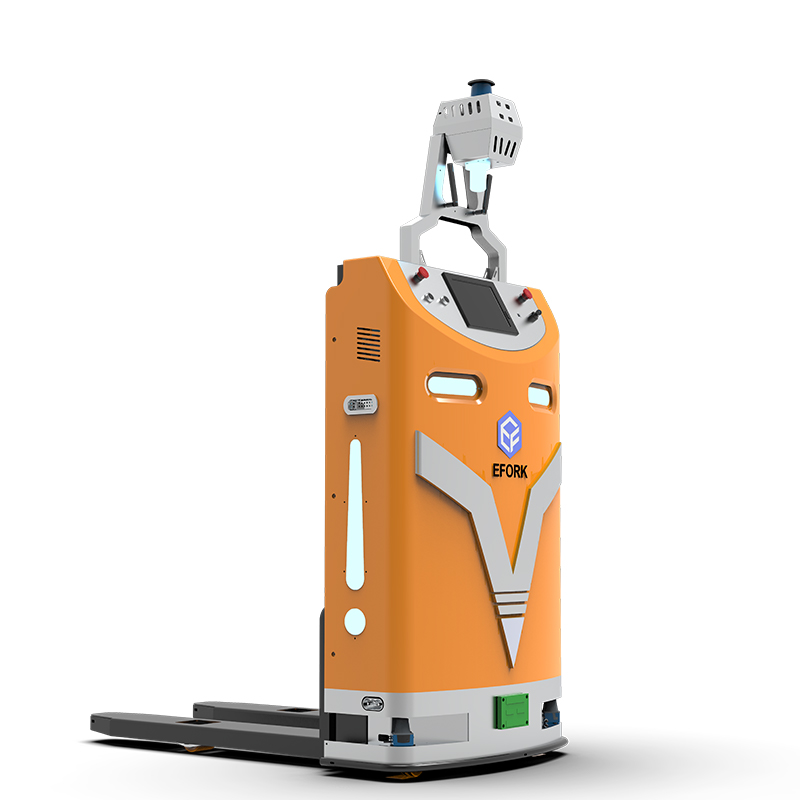
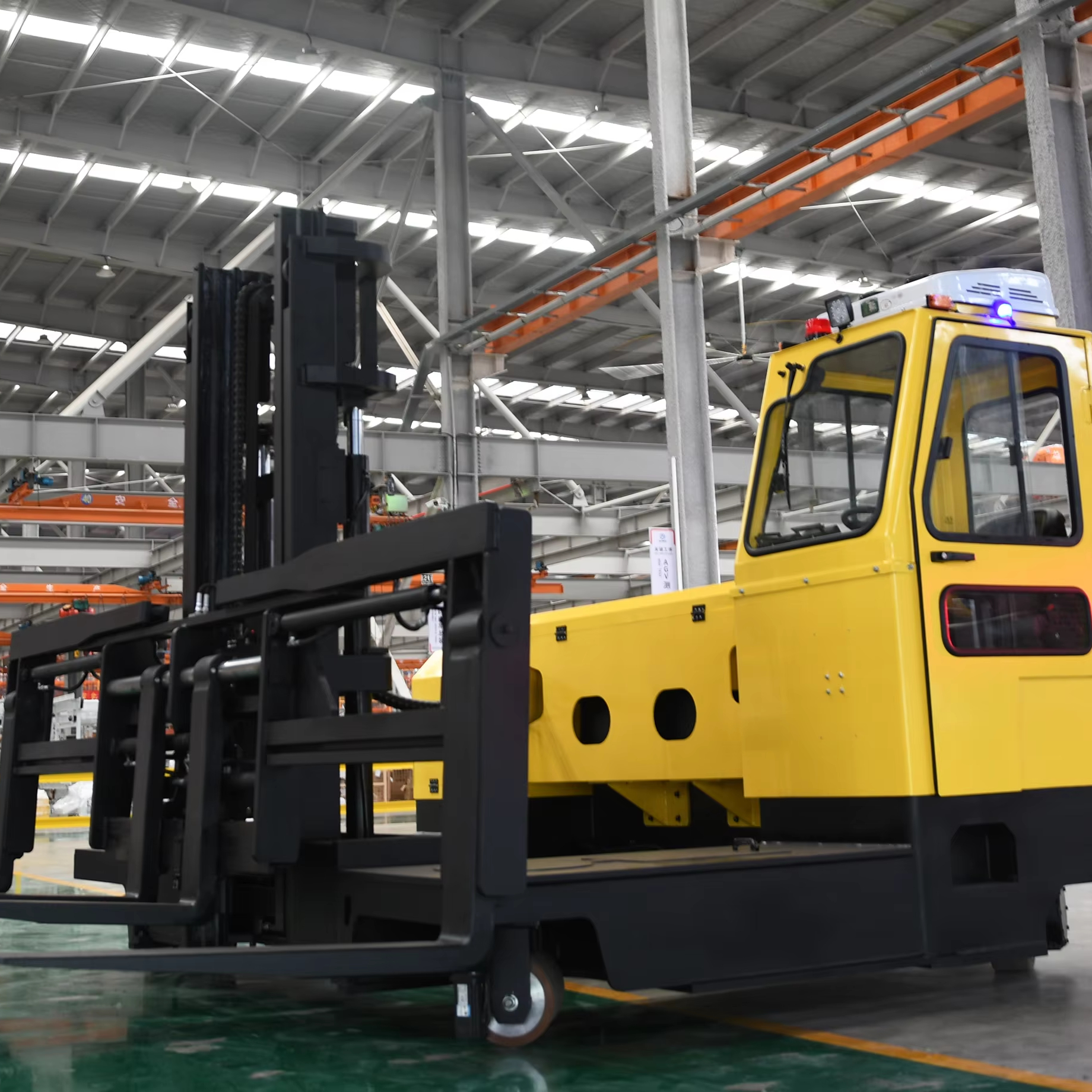
Multi-Directional Forklift
Multi-directional Forklift Reach Truck Stacker 3.5 Ton 5 Ton Full Way Electric Side Loader Forklift With Wide Body Seat
- 3.5T / 5T
- Full-way
- Wide body
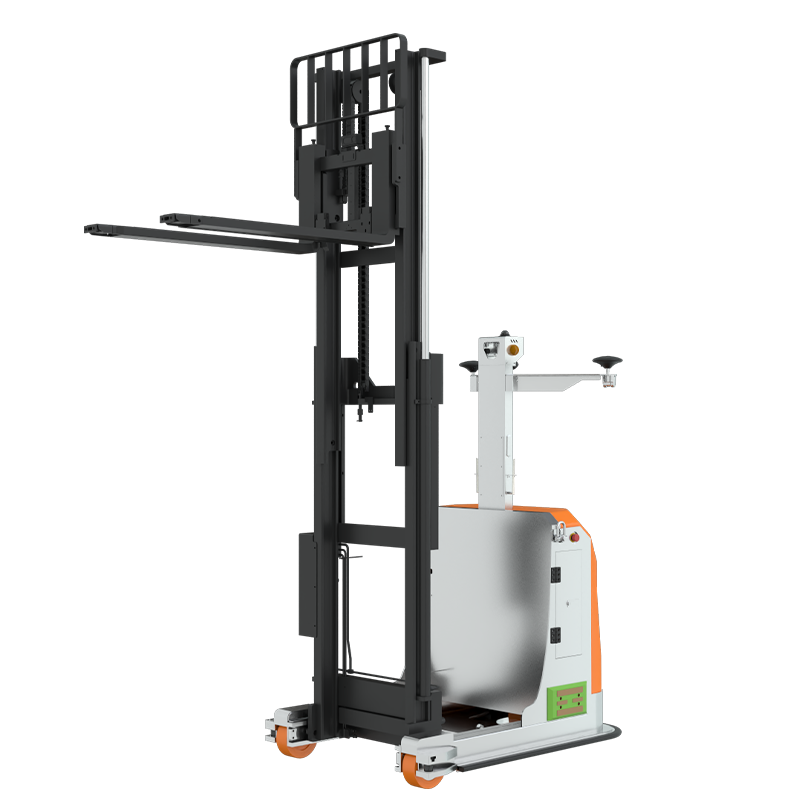
Reach Truck AGV
Reach Truck AGV Narrow Body 1.5T 3M Compact Design Fork Forward Function 3D SLAM Navigation 10mm Positioning Accuracy
- 1.5T
- 3M lift
- 10mm accuracy
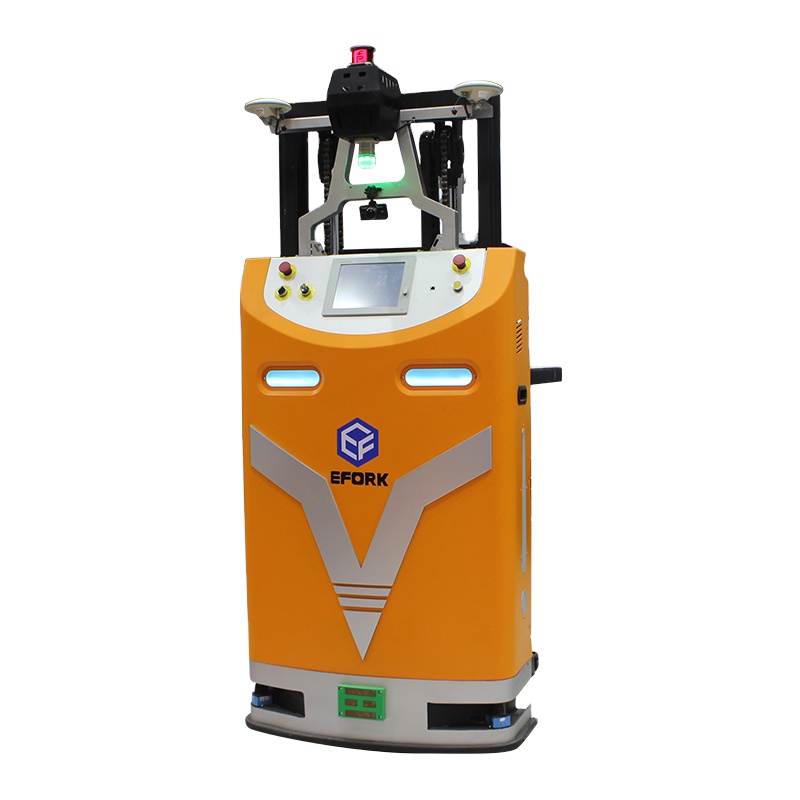
Laser Navigation AGV
CE Certified EFORK EDA20-16 2T 1200mm Fork Width 180mm 3D SLAM Laser Navigation AGV WIFI/5G 10mm Accuracy 1600mm Lifting Height
- 2T
- 1600mm lift
- WIFI/5G
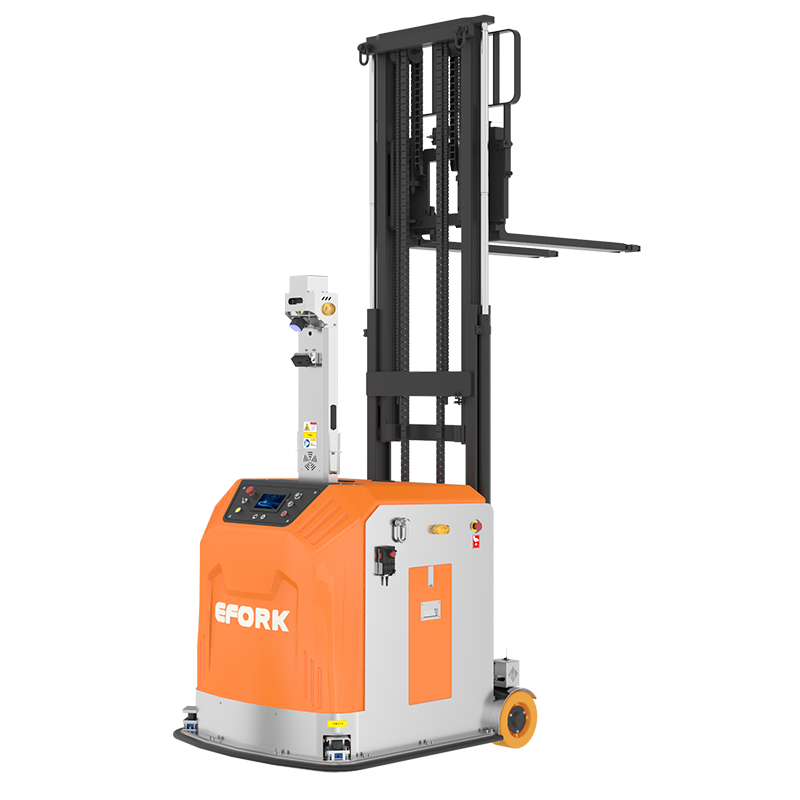
Heavy Duty AGV Forklift
EFORK Heavy Duty Forklift AGV Counterbalanced Body 2T 3M Fork Legs High Flexibility 3D SLAM Navigation WIFI/5G for Pallet
- 2T
- 3M lift
- High flexibility
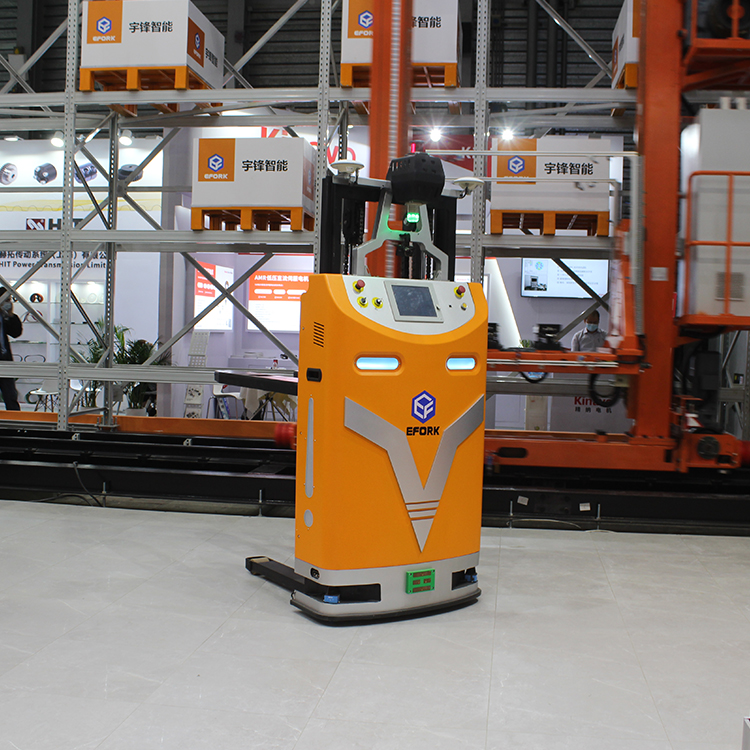
Self-Driving Forklift AGV
CE Certified EFORK EDA20-16 2T 1600mm Laser Navigation Self-Driving Forklift AGV WIFI/5G 10mm Accuracy 6-8H Working Time
- 2T
- 6–8H runtime
- Laser nav
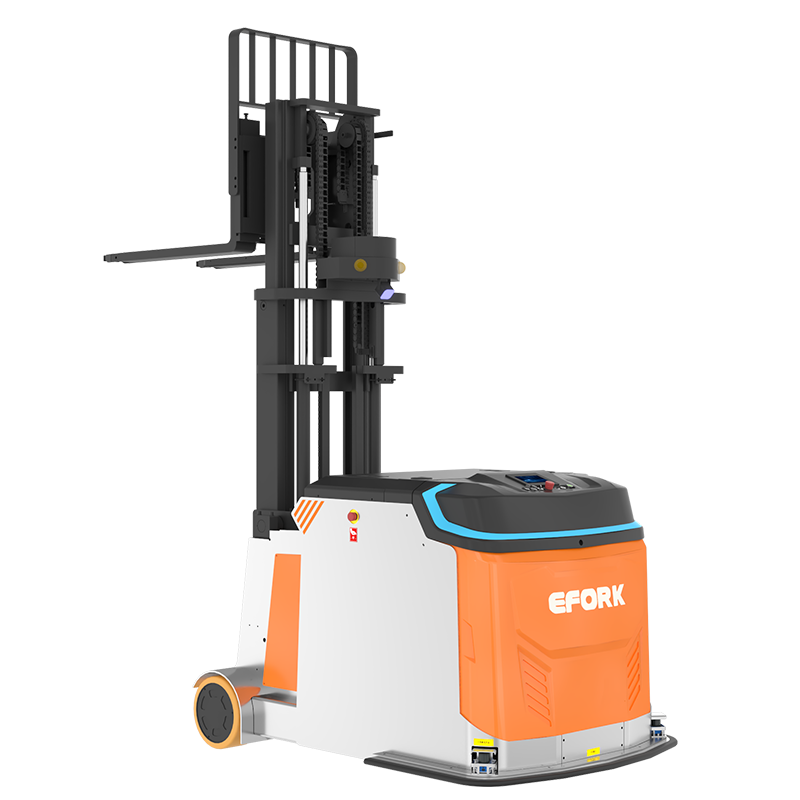
Counterbalanced AGV
EFORK EDB30-30 Counterbalanced AGV Body 3M 3T High Lift Capacity Forklift Fork Legs High Flexibility 3D SLAM Navigation
- 3T
- 3M lift
- 3D SLAM
Need a full load chart, CAD layout and CE document pack? Share your pallet size, rack height and throughput target. The factory team will match the right AGV or AS/RS platform.
Semantic Search & Buyer Intent
Why “Top 10 Intralogistics Automation Factories & Exporter” Is a Procurement Question, Not a Directory List
High-intent buyers are not searching for a logo wall. They are searching for a supplier who can prove manufacturing scale, engineering depth, compliance, integration capability and lifecycle support before the first purchase order is signed.
Labor volatility, e-commerce service levels, energy costs and safety expectations have pushed intralogistics automation from a “future project” into a board-level operational decision. A single AGV forklift can reduce repetitive travel, but a poorly matched fleet can create new bottlenecks at the dock, the rack face or the WMS interface. That is why procurement teams now ask more precise questions: How large is the factory? Who owns the mast and control integration? Which navigation method works in a freezer or a high-bay warehouse? Can the exporter support DDP, spare parts and remote commissioning? These questions are the real meaning behind the phrase Top 10 Intralogistics Automation Factories & Exporter.
A quotation-only trader can forward a price, but a qualified factory-exporter must control quality, schedule, customization and after-sales. The distinction is especially important in AGV forklifts, AS/RS stacker cranes and four-way shuttle systems, where the machine is only one part of the project. The supplier also influences rack interfaces, safety validation, WMS data exchange and future fleet expansion. For that reason, this white paper uses a ten-point evaluation model instead of a subjective ranking. The model helps importers, 3PL operators and manufacturers compare suppliers on evidence that can be verified during an audit or tender review.
E-E-A-T Evaluation Framework
The 10-Point Lens Behind a Top 10 Intralogistics Automation Factory
Use these ten proof points to separate an experienced factory-exporter from a low-cost intermediary. Each point maps to a question a serious buyer should ask before approving a sample, a pilot fleet or a turnkey AS/RS project.
Verified Scale
Look for audited floorspace, production bases and staff count. A factory with verifiable capacity is better prepared for fleet orders and spare-parts continuity.
Engineering Bench
AGV projects need mechanical, electrical, software and commissioning engineers. Headcount alone is not enough; ask how many people support after-sales and integration.
Certification Stack
CE marking under 2006/42/EC, ISO 9001, ISO 45001 and SGS onsite verification reduce tender risk and support customs clearance in regulated markets.
Navigation Portfolio
Laser navigation and 3D SLAM solve different problems. A capable exporter should explain when natural-feature SLAM is better than reflector-based laser routes.
Load & Lift Matrix
Coverage from 1.5T reach trucks to 3T counterbalanced AGVs and 40m AS/RS cranes shows whether the factory can engineer around real pallet and rack data.
WMS Readiness
Fleet software, WCS and WMS interfaces determine whether the equipment becomes an isolated machine or part of a measurable warehouse workflow.
Customization
Fork width, lift height, battery configuration, cold-storage protection and buyer-label production are signs of true OEM / ODM capability.
Export Terms
FOB, CFR, CIF, EXW, FAS, CIP and DDP experience matters. So do L/C, D/P, D/A, credit card and multi-currency settlement options.
Lifecycle Support
Remote diagnostics, spare parts, operator training and fleet-expansion planning protect uptime long after the commissioning report is signed.
Project Workflow
The strongest factories use a clear sequence: site analysis, solution design, manufacturing, FAT, commissioning and lifecycle support.
Factory Advantage
Inside Nexrik: A Verifiable Intralogistics Automation Factory in Hefei, China
Anhui Nexrik Intelligent Technology Co., Ltd. is a high-tech manufacturer specializing in the R&D, production and integration of intelligent warehousing equipment, including AGV forklifts, VNA AGVs, reach truck AGVs, counterbalanced AGVs, AS/RS stacker cranes, four-way shuttles and RGVs. The company operates from the Huagang Town Industry-City Integration Demonstration Zone in Feixi County, Hefei, Anhui, a recognized hub for China’s forklift and warehousing equipment industry.
For international buyers, the practical advantage is not simply a product list. It is the ability to verify factory scale, certification, customization and export support before committing to a pilot. Nexrik reports 66,650 m² of factory floorspace, 1,152 employees, USD 100M+ annual revenue, 7 awarded patents and SGS onsite verification. These facts matter because they reduce the risk of schedule slippage, undocumented changes and spare-parts uncertainty.
- SGS onsite-verified manufacturer with CE marking under the Machinery Directive 2006/42/EC.
- ISO 9001 quality management and ISO 45001 occupational health and safety systems.
- OEM, ODM, buyer-label production and full customization for load, lift, fork and battery requirements.
- Turnkey project support across AGV forklifts, AS/RS stacker cranes, four-way shuttles and WMS-ready integration.
Onsite-verified workforce supporting production, engineering and after-sales.
Two production bases in Anhui for intelligent warehousing equipment.
Stable capacity for multi-unit fleet orders and OEM projects.
Plus one registered trademark and ongoing R&D in navigation and control.
Pilot-friendly minimum order allows route validation before fleet scaling.
Southeast Asia, South America, Eastern Europe, South Asia and North America.



Turnkey Project Workflow
From Drawing to Go-Live: How an Experienced Exporter De-Risks Automation
Intralogistics automation is not a catalog purchase. It is a sequence of engineering decisions. A structured workflow protects cycle time, safety validation and integration quality.
Site Analysis
Review rack layout, pallet specification, floor flatness, throughput, shift pattern and future expansion plans.
Solution Design
Select equipment, size the fleet and simulate traffic against peak demand before confirming the layout.
Manufacturing
Build with onsite material and finished-product inspection, followed by factory acceptance testing before shipment.
Commissioning
Map the site, test WMS interfaces, validate safety functions and train operators on real workflows.
Lifecycle Support
Provide remote diagnostics, spare parts, maintenance planning and fleet expansion support after go-live.
Future Procurement Trends
Six Procurement Trends Reshaping AGV Forklift and AS/RS Sourcing
Buyers are moving from “Can you supply a truck?” to “Can you prove total cost of ownership, integration readiness and long-term support?” These six trends are visible across tenders, pilot projects and multi-site rollouts.
Pilot-First Fleets
MOQ 1 set allows buyers to validate routes, safety zones and cycle time before scaling to a full fleet. This reduces the risk of a large capital commitment based only on simulation.
TCO Over Sticker Price
Procurement teams now compare energy use, battery strategy, maintenance access, spare-parts lead time and uptime impact, not just the initial machine price.
WMS Readiness
AS/RS and four-way shuttle projects are evaluated by interface quality. WMS/WCS compatibility, data mapping and commissioning tests are now part of supplier selection.
Compliance Documentation
CE marking, ISO systems, test reports and SGS verification help importers clear customs, satisfy insurers and respond to tender requirements.
Flexible Incoterms
FOB, CFR, CIF, EXW, FAS, CIP and DDP options give buyers room to align logistics with their own freight agreements, customs teams and project schedules.
Lifecycle Partnerships
Remote diagnostics, operator training and spare-parts planning are becoming contract requirements because warehouse automation must run for years, not months.
Product Development Trends
Where Intralogistics Automation Is Heading Next
The next generation of AGV forklifts and AS/RS equipment is being shaped by navigation intelligence, narrower chassis design, higher storage density and deeper software integration.
3D SLAM Navigation
Natural-feature localisation reduces dependence on reflectors and floor tape, shortening site preparation and making fleet deployment more flexible.
Slim and Narrow Bodies
Compact reach trucks and slim stackers allow automation in existing warehouses where aisle width cannot be expanded.
High-Bay AS/RS
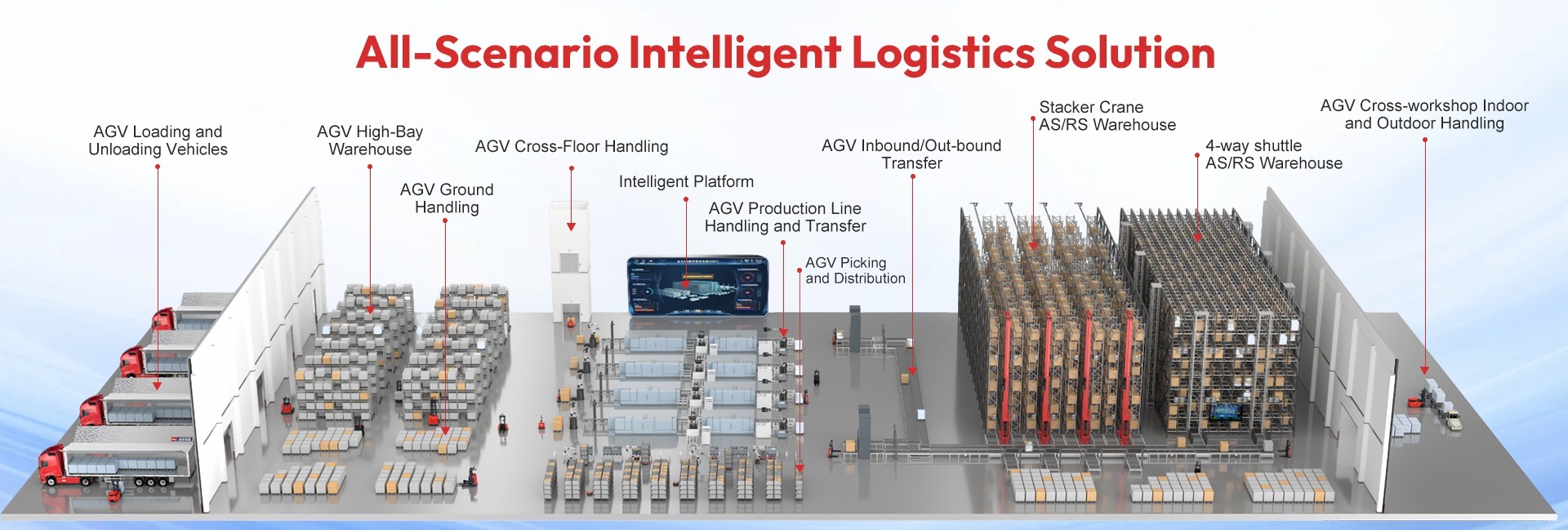
Stacker cranes up to 40 m and mini-load systems up to 20 m help warehouses convert vertical space into storage capacity.
Four-Way Shuttle Density
Shuttles that travel in both rack directions and change levels via lifts deliver dense pallet storage with flexible FIFO and LIFO logic.
Cold-Chain Variants
Frozen-storage AS/RS and cold-duty AGV components are increasingly specified for food, pharma and cold-chain logistics projects.
WMS/WCS Integration
Equipment is evaluated by how well it exchanges data with warehouse management systems, ERP platforms and safety monitoring tools.
Specification Guide
How to Match the Right System to Load, Lift and Aisle
Use this reference to shortlist equipment before requesting a layout proposal. Final specifications should always be confirmed against pallet dimensions, rack drawings and building constraints.
| System | Typical Load | Lift / Height | Guidance | Best-Fit Application |
|---|---|---|---|---|
| Pallet Stacker AGV | 1.5–2T | 1.6–3m | 3D SLAM / Laser | Floor-to-rack transfer, line-side delivery and low racking |
| Reach Truck AGV | 1.5–2T | 3m | 3D SLAM | Selective racking where aisle space is tighter than a counterbalanced truck needs |
| Counterbalanced AGV | 1.5–3T | 3m | 3D SLAM | Closed-bottom pallets, cages, trailer docks and production lines |
| VNA 3-Way AGV | 1.6T | 7–11m | 3D SLAM | Very narrow aisle and high-bay pallet storage |
| AS/RS Stacker Crane | 1–5T | Up to 40m | Rail-guided, WMS/WCS | High-bay automated warehouses and frozen storage |
| Four-Way Shuttle | 1–2T | Multi-level via lifts | Rail-guided, ±2mm | Dense pallet storage with flexible FIFO / LIFO |
| Mini-Load Stacker | 50–100kg / bin | Up to 20m | Rail-guided, WMS | Spare parts, e-commerce and small-item picking |
For product-specific recommendations, compare the eight systems above or request a factory-matched catalog with load charts, CE documents and project questionnaire.
Exporter Advantages
Why Buyers Shortlist Nexrik for AGV Forklift and AS/RS Projects
Experienced buyers look for evidence that the supplier can support the full project lifecycle. These six advantages are directly tied to procurement risk, tender compliance and long-term uptime.
Factory-Owned Manufacturing
Chassis, masts and control integration are built and tested on company lines, with onsite material and finished-product inspection before shipment.
Tender-Ready Compliance
CE, ISO 9001, ISO 45001, SGS onsite verification and patent documentation support regulated-market tenders and customs review.
OEM / ODM Customization
Load capacity, lift height, fork dimensions, battery configuration, cold-storage variants and buyer-label production can be engineered to project requirements.
One-Stop Fleet Integration
AGVs, stacker cranes, four-way shuttles and RGVs can be engineered as one WMS-ready system instead of separate machines from multiple vendors.
Export Documentation
FOB, CFR, CIF, EXW, FAS, CIP and DDP terms are supported, with L/C, D/P, D/A, credit card and Western Union settlement in USD, EUR or CNY.
Lifecycle Support
Remote diagnostics, spare-parts supply, operator training and fleet-expansion planning help protect uptime after commissioning.
Procurement FAQ
Questions Buyers Ask Before Approving an Intralogistics Automation Project
These answers reflect the details most often requested during supplier evaluation, pilot approval and export contract review.
What is the minimum order quantity for Nexrik AGV forklifts?
Which navigation technologies are available, and when should I choose 3D SLAM?
What certifications and verification documents are available?
Can the equipment integrate with our existing WMS or ERP?
Do you offer OEM, ODM and full customization?
Which trade and payment terms are accepted?
Send Your Rack Layout and Load Data — Receive a Factory-Matched Catalog
Tell us your pallet size, maximum lift height, aisle width, throughput target and destination market. The engineering team will recommend the right AGV forklift, AS/RS stacker crane or four-way shuttle configuration and provide the matching catalog for your procurement review.
Get Catalog