Top 10 Autonomous Counterbalance Forklift Suppliers & Exporter
A due-diligence guide for warehouse automation teams comparing autonomous counterbalance forklifts, 3D SLAM navigation, CE-marked safety, exporter capacity, fleet economics and factory-direct customization.
Eight Autonomous Forklift Configurations to Benchmark Your Shortlist
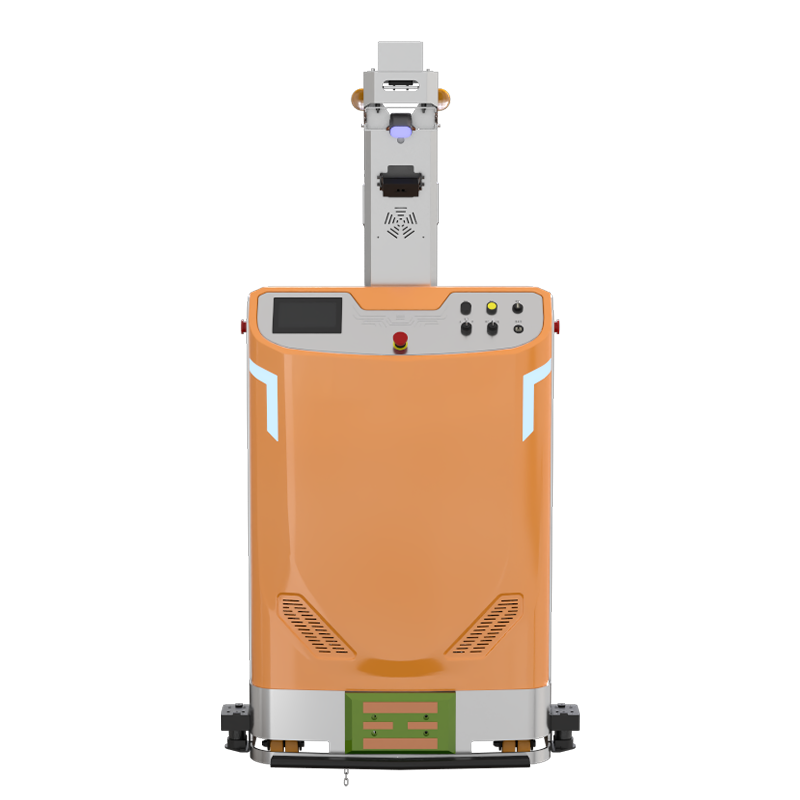
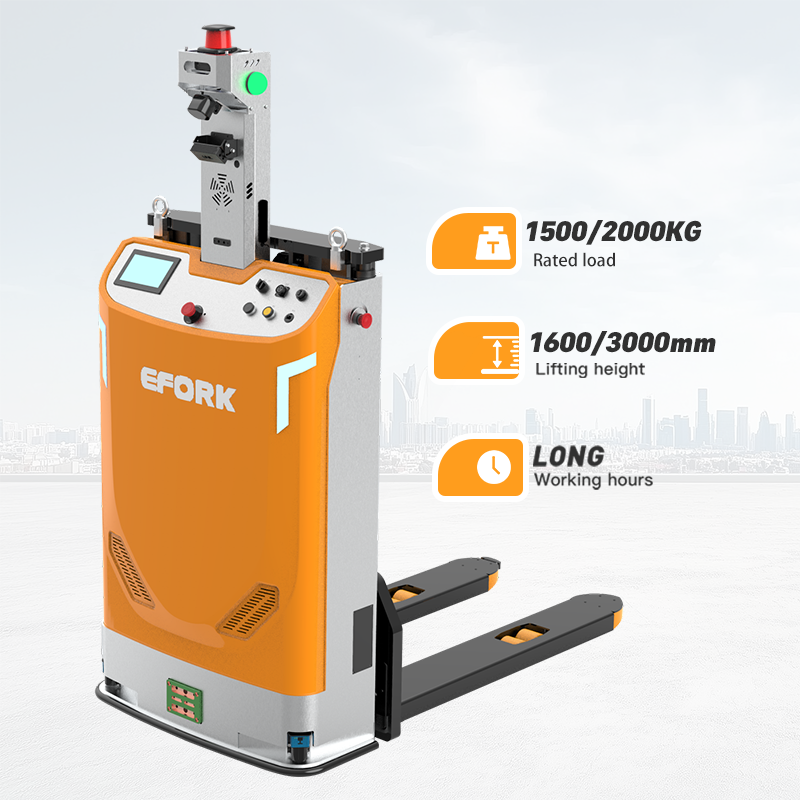
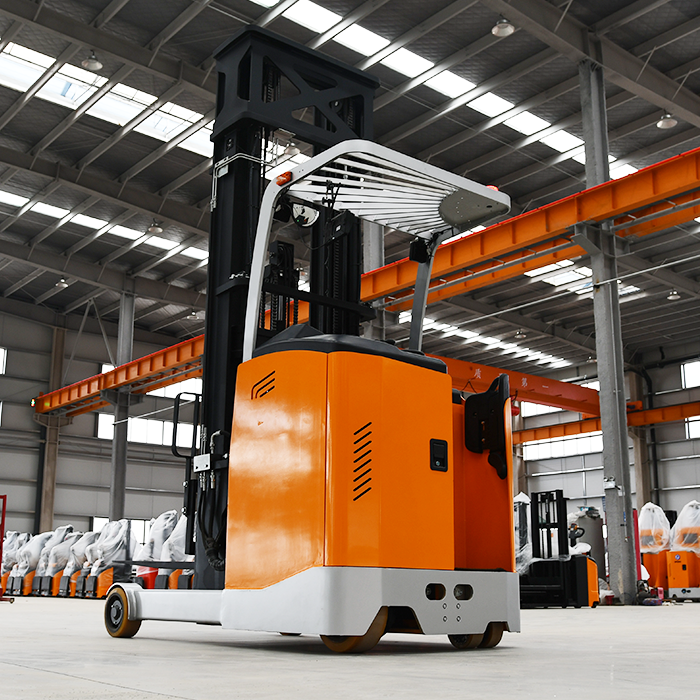
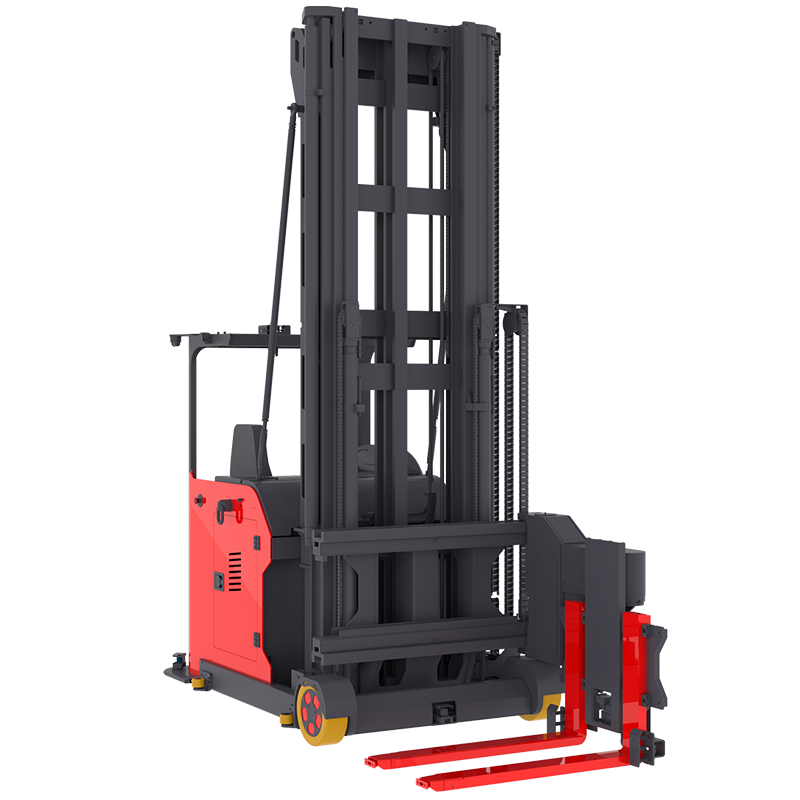
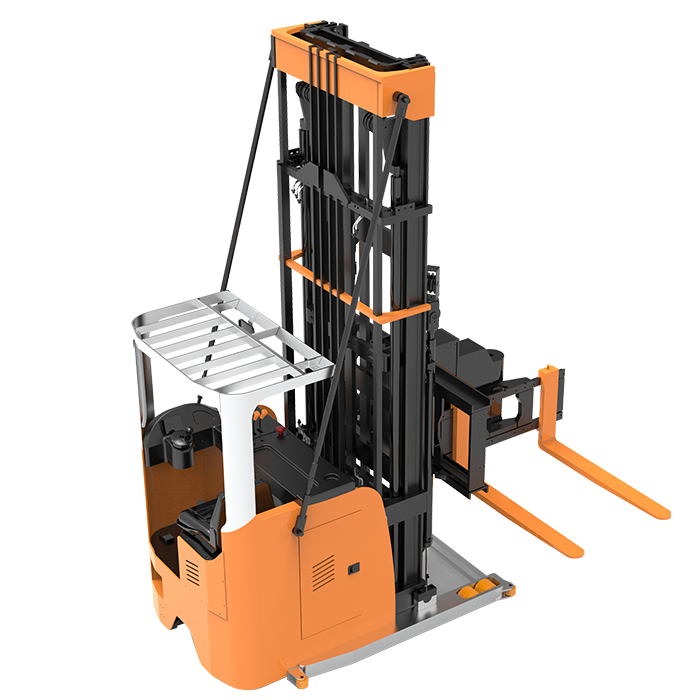
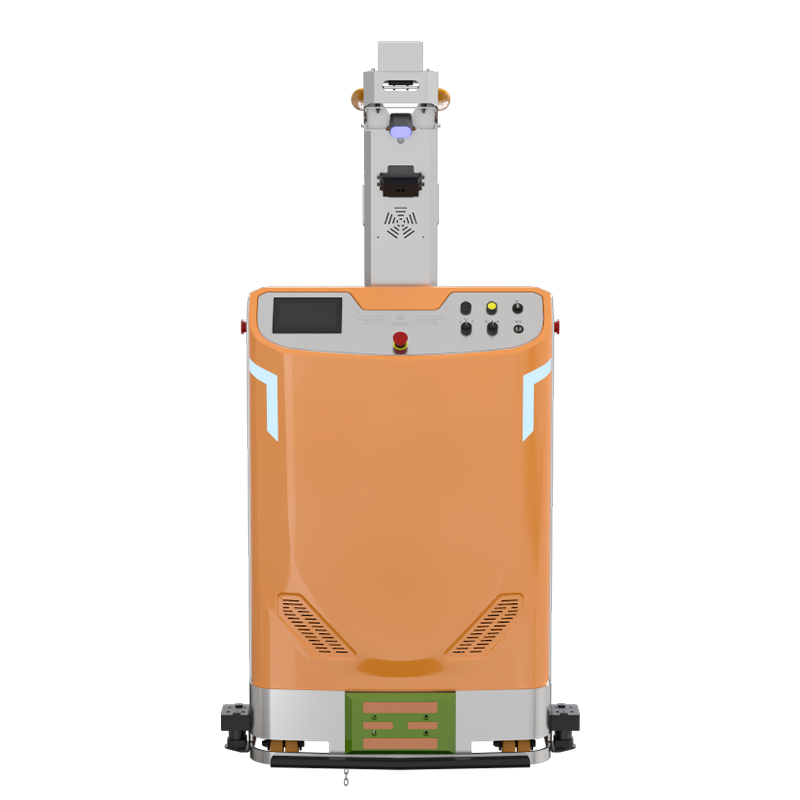
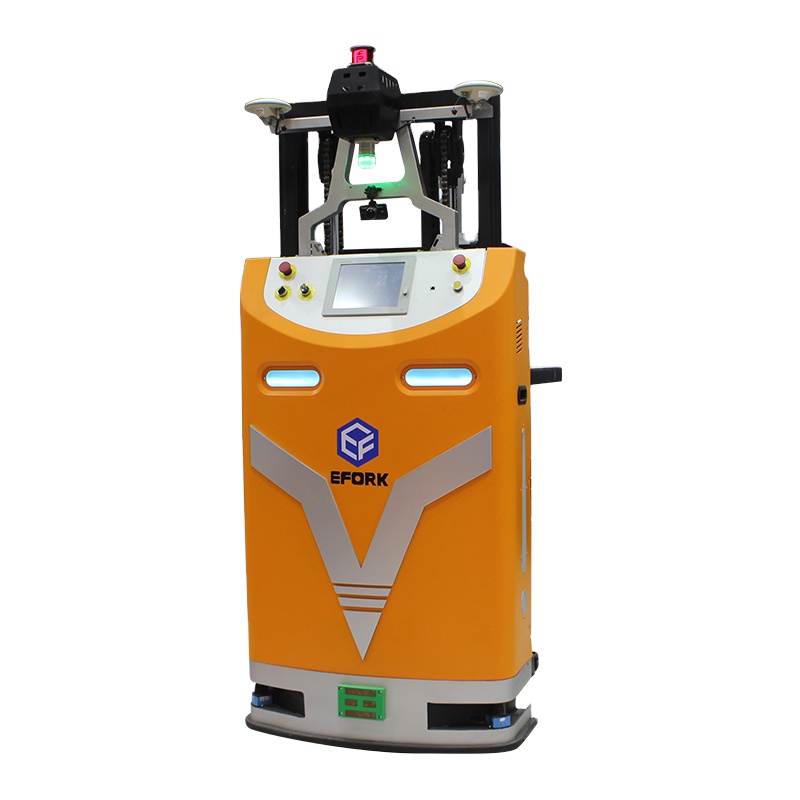
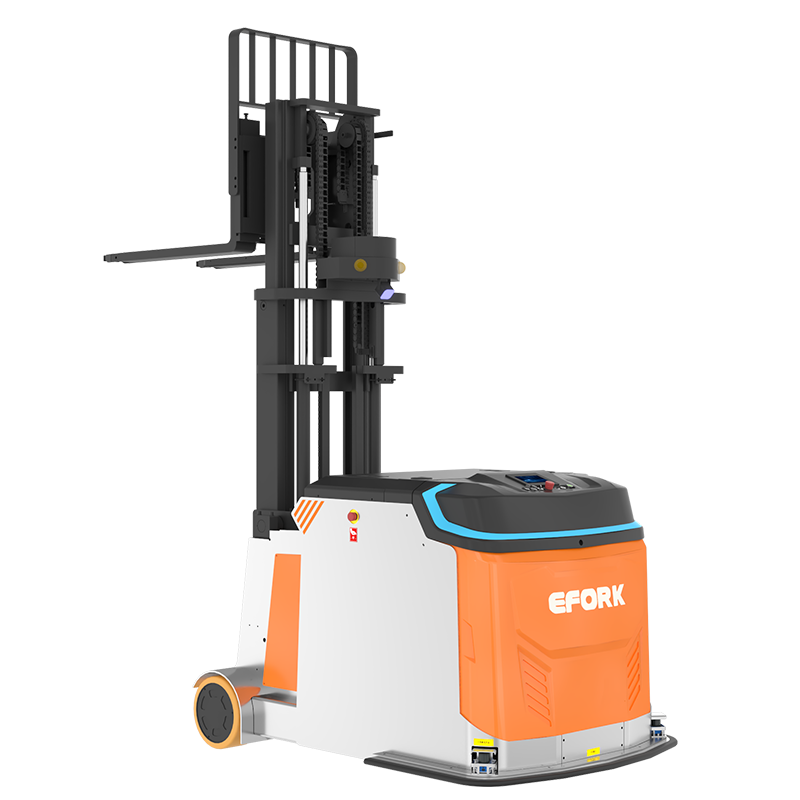
The models below are presented as a live reference set for procurement teams evaluating narrow-body AGVs, laser navigation, 3D SLAM, VNA forklifts and counterbalanced AGV bodies. Product URLs are retained from the original model pages; for a configuration not shown, use the inquiry button to start a specification review.
What “Top 10” Should Really Mean in Autonomous Counterbalance Forklift Procurement
The phrase Top 10 autonomous counterbalance forklift suppliers & exporter usually combines three buying intents: a ranked shortlist, an exporter capable of cross-border delivery, and a specification match for a counterbalanced AGV. A list without factory evidence is only a directory. A credible shortlist should show whether the supplier owns the production line, whether the AGV can localize without extensive floor modification, whether the CE file covers the exact configuration, and whether the supplier can support the fleet after commissioning.
An autonomous counterbalance forklift is the bridge between conventional forklift handling and fully automated storage. Because it has no front outriggers, it can handle closed-bottom pallets, stillages, cages and trailer loads, while 3D SLAM or laser navigation localizes the truck and safety scanners manage people and obstacles. That flexibility matters in production lines, dock staging and mixed-SKU warehouses where a fixed conveyor or rail system would be too rigid. For buyers comparing suppliers and exporters, the decisive question is not simply “who sells the cheapest truck?” but “who can deliver a safe, integrated and expandable autonomous handling system?”
Total cost of ownership now dominates purchase decisions. Buyers calculate unit price, installation, mapping time, WMS integration, charging strategy, safety validation, spare parts and expansion. A supplier with a low headline price but limited service depth can become the most expensive option across a ten-year automation horizon. This is why leading exporters publish factory scale, certification scope, MOQ, customization capability and trade terms before the first quotation. For a concrete benchmark, Anhui Nexrik Intelligent Technology Co., Ltd. operates from Hefei, Anhui, with 1,152 staff, 66,650 m² of production space, USD 100M+ annual revenue, 7 awarded patents, SGS onsite verification, ISO 9001, ISO 45001 and CE marking under 2006/42/EC for its AGV range. Its portfolio spans AGV forklifts, VNA AGVs, AS/RS stacker cranes, four-way shuttles, RGVs and mini-load systems, allowing buyers to evaluate one supplier across counterbalanced handling and high-density storage.
This guide therefore treats “Top 10” as a shortlist framework rather than an unverified directory. Buyers should rank every candidate supplier against the ten signals below, then request a layout, throughput simulation and acceptance-test plan before issuing a purchase order.
Ten Signals That Separate Export-Ready Suppliers from Trading Intermediaries
The strongest suppliers and exporters make verification easy. Weak candidates answer with brochures, vague lead times and unverifiable certification claims.
Verified Factory Footprint
Ask for the legal entity, factory address, production area, employee count and third-party onsite verification. Published figures such as 66,650 m² and 1,152 staff are more useful than a generic “large factory” claim.
CE & ISO Scope
Request the Declaration of Conformity, safety assessment, ISO 9001 and ISO 45001 certificates, and test reports for the exact model. The CE mark must match the configuration being purchased.
Navigation Maturity
Compare 3D SLAM against reflector-based laser navigation. Ask for mapping time, minimum aisle width, re-mapping cost and performance in low-light, cold-store or high-traffic areas.
Product Ecosystem
A supplier that offers counterbalanced AGVs, reach trucks, VNA AGVs, stacker cranes and shuttles can reduce interface risk. Fragmented supply chains often create integration delays after equipment arrives.
Safety Architecture
Check safety scanners, bumpers, emergency stops, speed control, load sensing, traffic management and risk assessment. Safety is a system design issue, not an accessory list.
WMS / WCS Integration
Ask for an interface specification, API documentation, middleware options and acceptance-test procedures. A WMS-ready design is valuable only if the supplier can prove it during commissioning.
Customization Depth
Load capacity, lift height, fork dimensions, battery configuration, cold-storage variants and OEM/ODM production should be engineering options, not afterthoughts. MOQ 1 set also matters for pilot projects.
Export Terms & Payment
Confirm Incoterms, packaging, documentation and payment routes. Flexible terms such as FOB, CFR, CIF, EXW, FAS, CIP, DDP and L/C, D/P, D/A or card payment reduce friction in cross-border procurement.
Lifecycle Support
Request spare-parts lists, remote diagnostics, operator training, maintenance intervals and service escalation paths. The lowest purchase price can become the highest lifecycle cost without local support.
Pilot-to-Scale Readiness
A serious exporter supports a single-truck pilot before fleet expansion. Ask for KPI acceptance criteria covering cycle time, availability, safety incidents and integration uptime.
Four Documents to Request Before a Factory Audit
CE File & Safety Report
Declaration of Conformity, risk assessment and validation report for the quoted model.
Throughput Simulation
Fleet sizing, route logic, charging plan and peak-hour assumptions tied to your layout.
WMS Interface Matrix
Data fields, API method, exception handling and acceptance tests for your ERP or WMS.
Spare Parts & Training Plan
Recommended spare list, service response, operator training and remote-diagnostics scope.
Match Autonomous Counterbalance Forklifts to Intralogistics Scenarios
The right platform depends on pallet type, rack height, aisle width, throughput and whether the truck must enter trailers or interface with AS/RS equipment.
Tight Production Lines
A compact 2T AGV with a narrow chassis and 3D SLAM is often the best fit where aisle space is limited and route changes are frequent. Natural-feature navigation reduces floor modification.
Review compact 2T AGVDock-to-Rack & Trailer Loading
Select a 3T counterbalanced AGV with 3m lift when loads include closed-bottom pallets, cages or trailer transfer. No front outriggers means fewer handling restrictions.
Review 3T counterbalanced AGVHigh-Bay Narrow Aisle
A 1.6T 3-way VNA AGV with up to 8m lift is suitable for very narrow aisles and high-bay pallet storage. The rotating fork picks left, right and forward without turning the chassis.
Review VNA AGVHigh-Density Storage Expansion
For dense pallet storage, combine counterbalanced AGV handling with AS/RS stacker cranes or four-way shuttles. A single-source supplier can align WMS interfaces and traffic flow.
Review four-way shuttleHow Buyers Will Purchase Autonomous Counterbalance Forklifts Over the Next Five Years
Procurement is shifting from equipment buying to operational risk buying. The winning supplier will be the one that can prove safety, integration and lifecycle performance.
TCO-First Sourcing
Buyers are comparing energy use, charging strategy, spare-parts consumption, mapping cost and expansion path, not only unit price. TCO models now include integration labour and downtime risk.
Fleet Orchestration Before Hardware
Traffic simulation and fleet-management logic are being discussed earlier. A single autonomous truck may be easy to quote; a mixed fleet of counterbalanced, reach and VNA AGVs requires architecture.
Compliance as a Gate
Tenders increasingly require CE documentation, ISO management systems, safety validation and clear cybersecurity responsibilities. Compliance is becoming a prequalification gate rather than a post-order attachment.
Pilot-to-Scale Procurement
MOQ 1 set pilots are used to validate cycle time, route stability and operator acceptance before multi-site rollout. Exporters that support pilot data reviews are easier to scale with.
What the Next Generation of Autonomous Counterbalance Forklifts Will Deliver
Hardware, navigation and fleet software are converging. The next buying cycle will reward suppliers that reduce site preparation while increasing uptime and safety transparency.
3D SLAM as the Default
Natural-feature localization is reducing dependence on reflectors and floor tape. Faster mapping and easier reconfiguration will favour warehouses with changing layouts and mixed traffic.
Slimmer Bodies & VNA Convergence
Compact AGV bodies are moving toward very narrow aisle performance. The line between counterbalanced AGVs, reach trucks and VNA trucks will continue to blur in high-density projects.
Higher Payload, Higher Lift
Warehouse automation is moving beyond low-level transfer. Counterbalanced and VNA platforms will support higher lift heights and heavier loads while retaining trailer and dock flexibility.
Li-Ion & Opportunity Charging
Battery strategy is becoming part of system design. Opportunity charging, lithium-ion packs and charge-route planning can reduce fleet size and improve availability across multi-shift operations.
AI Fleet Coordination
Traffic prediction, deadlock avoidance and digital-twin validation will become normal requirements. Buyers will ask for evidence that the fleet manager can scale without redesigning routes.
Safety, Cybersecurity & Remote Diagnostics
Safety scanners remain essential, but software access, data logs and remote support are now part of due diligence. Exporters must document who can access the fleet and how incidents are reported.

Why Anhui Nexrik Intelligent Technology Is a Reference Supplier
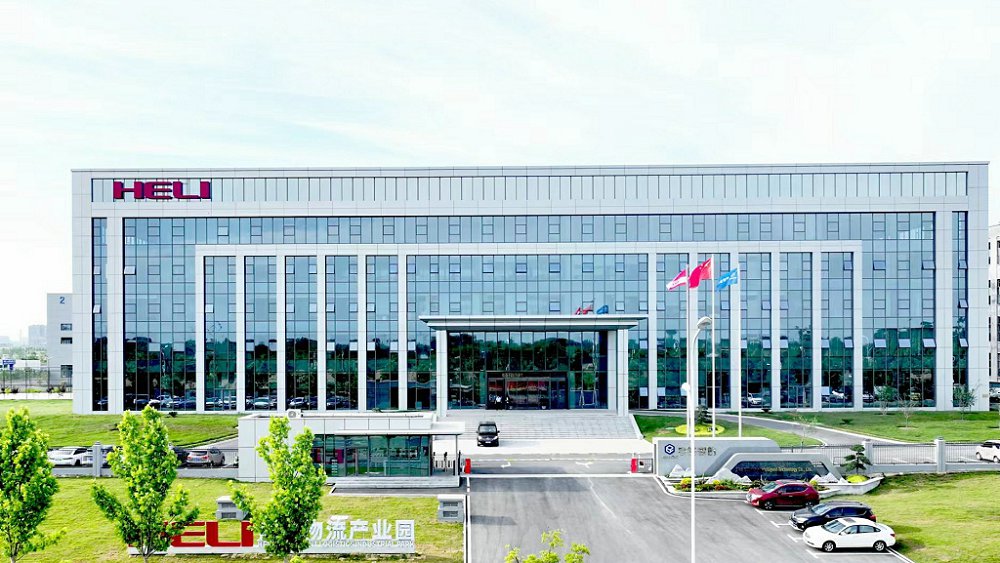
Anhui Nexrik Intelligent Technology Co., Ltd. is a high-tech manufacturer specialising in R&D, production and integration of intelligent warehousing equipment. The company manufactures AGV forklifts, VNA AGVs, AS/RS stacker cranes, four-way shuttles, RGVs and mini-load systems from Hefei, Anhui, China. Its factory is in the Huagang Industrial Park, Feixi County, a recognised hub for China’s forklift industry.
For buyers who need a supplier and exporter in one, Nexrik combines in-house manufacturing with turnkey project engineering. The company starts from pallet types, rack drawings, throughput targets and safety requirements, then simulates traffic before building the fleet. Buyers in Southeast Asia, South America, Eastern Europe, South Asia and North America use this approach to reduce integration risk across warehouse automation projects.
View the full company profile for certification details, trade capacity and project history.
In-House Manufacturing
Chassis, mast integration and control assembly are built and tested on Nexrik production lines, with material and finished-product inspection before shipment.
Laser & 3D SLAM
Reflector-based laser navigation suits fixed routes; 3D SLAM uses natural building features to reduce floor and rack modification.
One-Stop Turnkey
AGVs, stacker cranes, four-way shuttles and RGVs can be engineered as one WMS-ready system rather than stitched together from multiple vendors.
Compliance & OEM / ODM
CE marking under 2006/42/EC, ISO 9001, ISO 45001 and SGS onsite verification support tenders and customs. OEM, ODM, buyer-label and MOQ 1 set are available.



From Drawing to Go-Live: A Five-Stage Process That Reduces Project Risk
Site Analysis
Review rack layout, pallet specification, floor flatness, throughput, shift pattern and safety constraints.
Solution Design
Select equipment, size the fleet and simulate traffic against peak demand before quotation.
Manufacturing
Build with in-process inspection, finished-product inspection and factory acceptance testing before shipment.
Commissioning
Map the site, test WMS interfaces, validate safety functions and train operators.
Lifecycle Support
Provide remote diagnostics, spare-parts supply, maintenance planning and fleet expansion support.
Autonomous Counterbalance Forklift & Exporter Questions Buyers Ask First
What is an autonomous counterbalance forklift best used for?
It is best for dock-to-rack transfer, production-line delivery, trailer loading and mixed pallet handling where closed-bottom pallets or cages rule out some stacker designs. The lack of front outriggers gives it flexible load handling.
Should I choose 3D SLAM or laser navigation?
Choose laser navigation for fixed, highly repetitive routes where reflectors are practical. Choose 3D SLAM when the building layout changes, reflectors are difficult to maintain or you want to reduce floor and rack modification before go-live.
Which certifications should be included in a tender?
Require CE documentation under the Machinery Directive 2006/42/EC, applicable safety validation, ISO 9001 quality management and ISO 45001 occupational health and safety. Third-party onsite verification such as SGS adds further confidence.
Can I order one unit as a pilot before scaling?
Yes. A pilot-friendly MOQ of 1 set is useful for validating routes, cycle time, operator acceptance and WMS integration before committing to a full fleet. Define KPI acceptance criteria before the pilot starts.
Can the AGV integrate with our existing WMS or ERP?
WMS-ready equipment should be tested against your data fields, exception logic and reporting requirements. Ask for an interface matrix and commissioning test plan rather than a verbal compatibility claim.
What trade and payment terms are available?
Common terms include FOB, CFR, CIF, EXW, FAS, CIP and DDP. Payment can be arranged through L/C, D/P, D/A, MoneyGram, credit card or Western Union in USD, EUR or CNY, subject to project and destination requirements.
Request a Layout, Fleet Size and Exporter Quotation
Send your rack layout, pallet dimensions, daily moves, ceiling height, floor condition and target go-live date. The engineering team can compare counterbalanced AGV, VNA AGV, AS/RS and four-way shuttle options against your throughput target.