Automated Stacker AGV & Pallet Robot Models for Real Warehouse Workflows
These factory-ready platforms cover low-to-medium racking, narrow-aisle high-bay storage, heavy multi-directional handling and compact workshop transport. Every product URL is preserved for direct technical review.
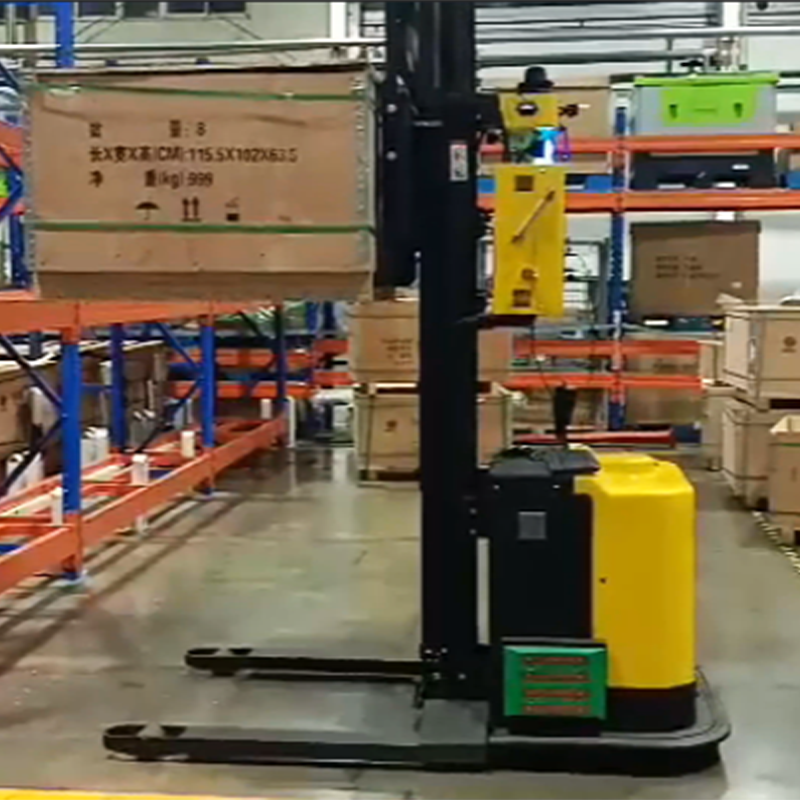 3D SLAM
2T / 3M
2T 3000MM Pallet AGV Forklift Automated Guided Vehicle 3D SLAM Navigation WIFI/5G Communication for Warehouse Automation Robot
A pallet-handling AGV for floor-to-rack transfer, line-side replenishment and WMS-connected warehouse automation.
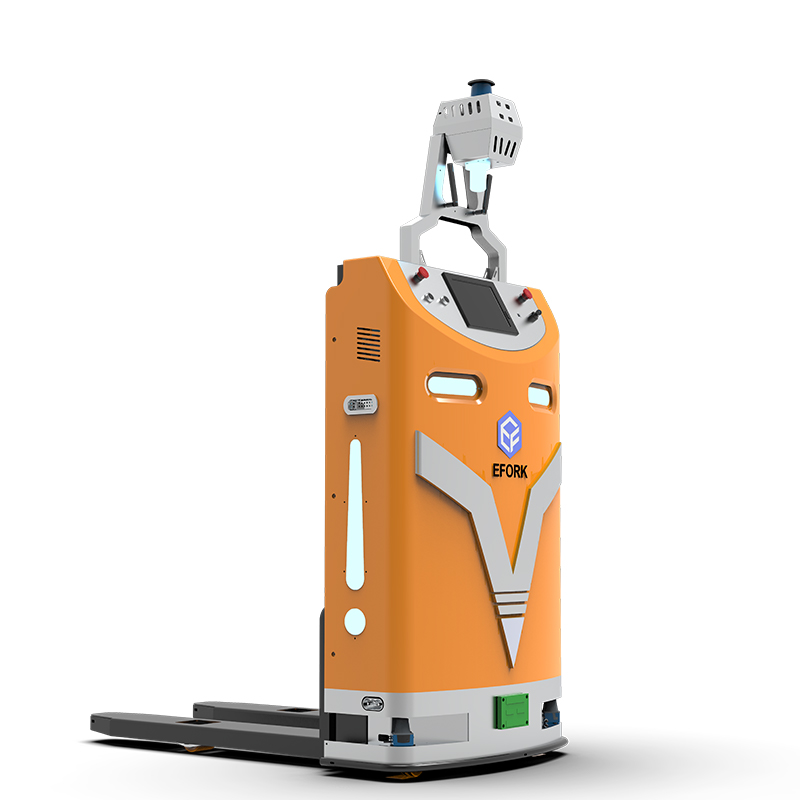 CE
Slim Body
Latest Design Tech Slim Stacking AGV Forklift CE Certified 2T 3M 3D SLAM for Warehouse Automation Handling and Lifting Robot
A slim stacking AGV designed for tighter aisles, repetitive pallet lifting and compact automation cells.
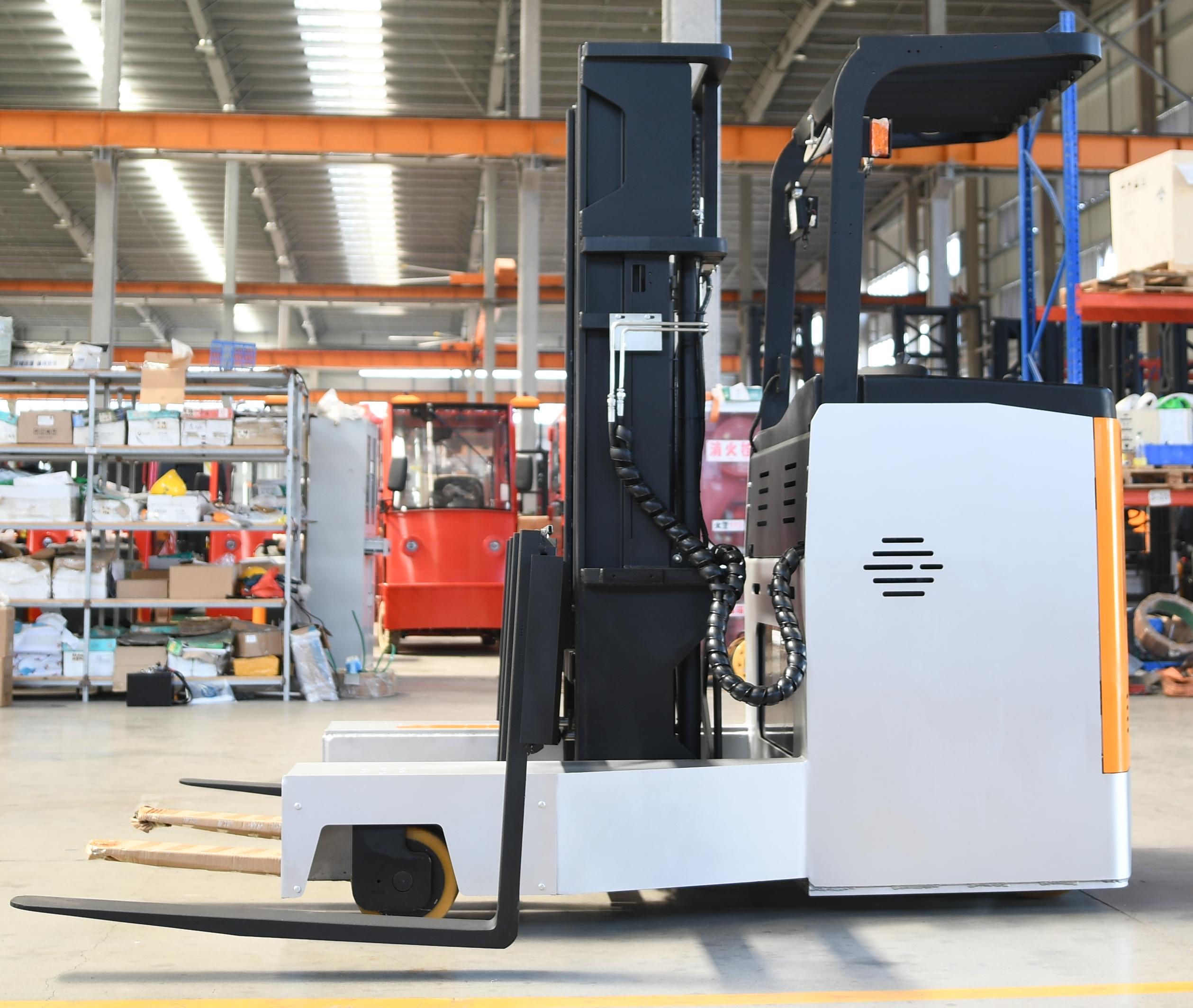 4T / 5T
4-Way
Multi Directional Forklift 4Ton 5Ton 4 Way Forklift Reach Truck Stacker For Narrow Aisle Small Space
Heavy-duty multi-directional handling for narrow aisles, long loads and space-constrained racking layouts.
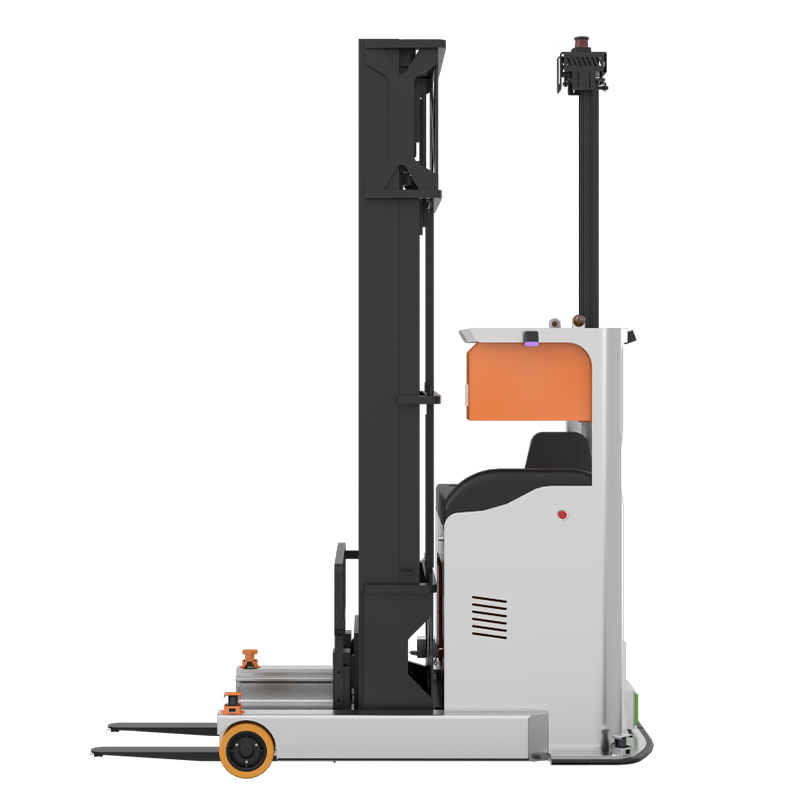 6.5M Lift
Laser SLAM
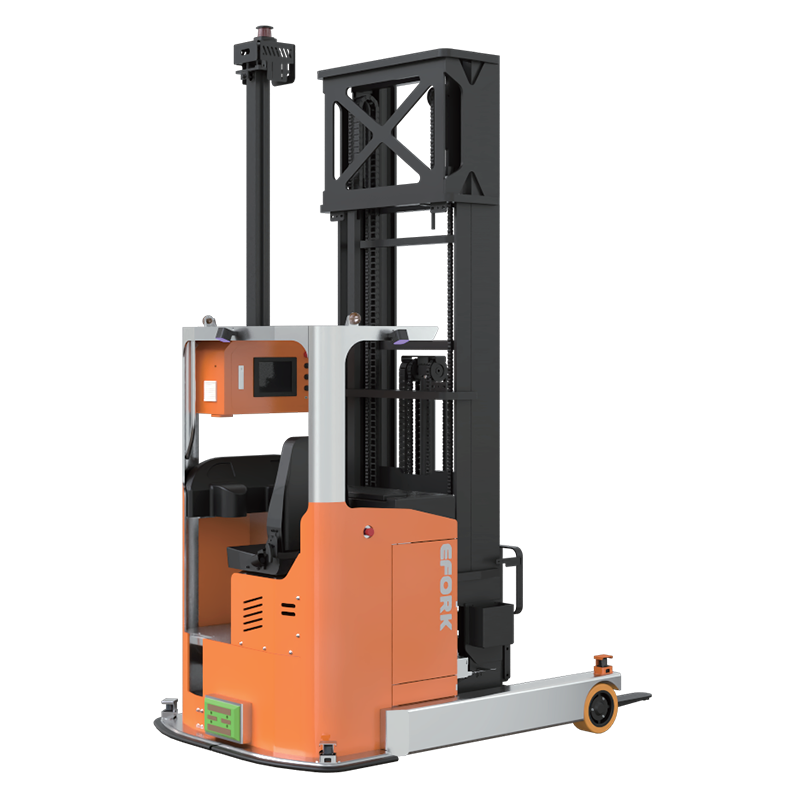
Heli Yufeng CQDE20HJ-65S 2T 6.5M Reach Truck AGV Body Laser Slam Navigation for Pallet Handling High Lifting Smart Warehouse
A high-lift reach truck AGV body for pallet handling where racking height and route repeatability matter.
 CE
4.5M
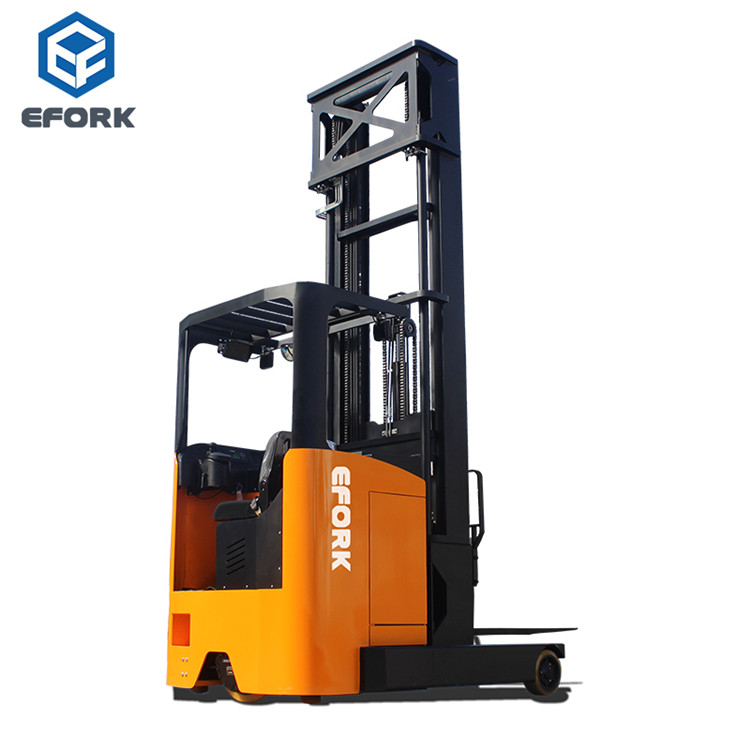
4.5M Reach Truck AGV Body 2T for Pallet Handling High Lifting Smart Warehouse Logistics Robot Laser Slam Navigation CE Certified
A CE-certified 2T reach truck AGV body for mid-height racking and automated logistics inside smart warehouses.
 12M / 8M / 6M
2000KG
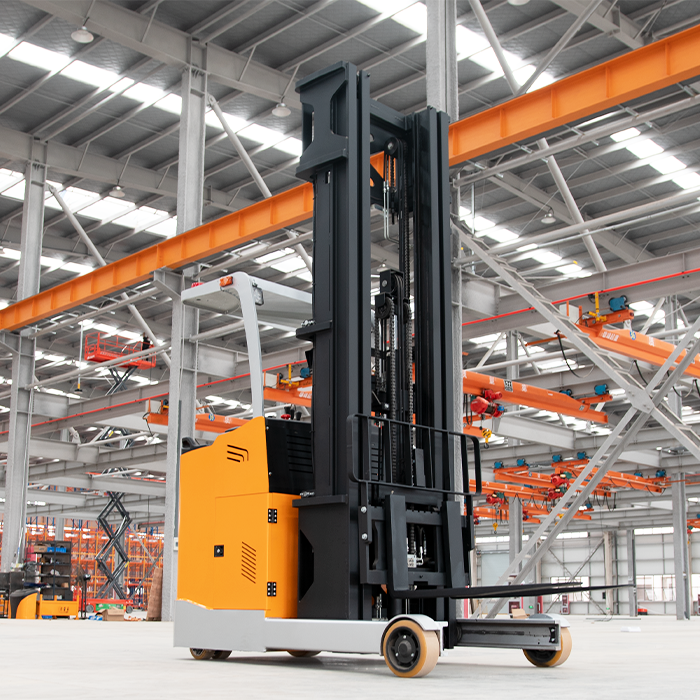
CQDE China Wholesale 2000kg 12m 8m 6m Industrial Forklift Pallet Truck Good Price
A configurable industrial forklift platform for buyers comparing lift height, load and factory-direct pricing.
 Compact
3D SLAM
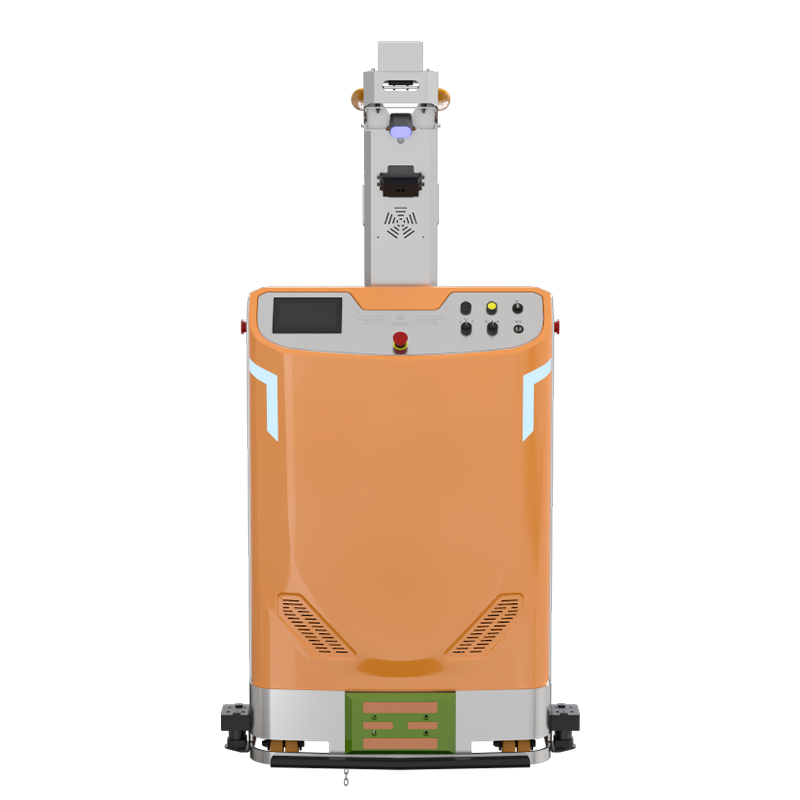
2T Material Handling AGV Body Narrow Body Compact Chassis 3D SLAM Navigation Laser Obstacle Avoidance for Workshop Transport
A narrow-body AGV for workshop transport, material movement and obstacle-aware factory logistics.
 Factory Direct
2000KG
China Wholesale 2000kg 12m 8m 6m Industrial Forklift Pallet Truck Good Price
A wholesale industrial pallet truck option for buyers sourcing multiple units with lift-height customization.
What “Top 10 Automated Stacker AGV Factories & Factory” Really Means for a Serious Buyer
The search intent behind Top 10 Automated Stacker AGV Factories & Factory is rarely satisfied by a popularity list alone. A plant manager wants evidence that a factory can engineer a reliable automated stacker AGV for a specific pallet, rack and throughput pattern. An importer wants CE documentation, SGS verification, lead-time discipline and spare-parts support. A CFO wants total cost of ownership, not a sticker price.
That is why this whitepaper reframes the query as a 10-point factory evaluation model. Instead of copying unverifiable rankings, it explains how to separate a genuine automation factory from a trading intermediary, how to compare 3D SLAM and laser navigation, and how to plan a pilot that scales into a fleet without redesigning the warehouse twice.
The information gain here is practical: you can use the product cards above to shortlist eight real configurations, then use the factory criteria, procurement trends and FAQ below to build a request for quotation that suppliers can answer with engineering detail rather than generic brochures.
Why Factory Evidence Matters More Than a “Top 10” Label
Automation equipment will run for years inside your operation. Supplier capacity, traceability and after-sales depth are as important as the robot’s load rating.
The 10-Point Checklist Used by Experienced AGV Buyers
Use these ten criteria to evaluate any automated stacker AGV factory before you release a purchase order or pay a deposit.
Verifiable Factory Footprint
Confirm the production address, workforce and legal entity. Onsite SGS verification, factory photos and a live video audit reduce intermediary risk.
In-House Integration
A real factory controls chassis assembly, mast integration, safety scanner placement and finished-product testing rather than outsourcing core work.
Navigation Depth
Ask whether the supplier supports both laser navigation and 3D SLAM, and whether it can explain which one fits your racking, aisle width and floor conditions.
Safety & Compliance
CE marking under 2006/42/EC, ISO 9001 and ISO 45001 are baseline signals. Request safety logic, emergency stop design and obstacle-avoidance test records.
Load & Lift Customization
Top factories customize load capacity, lift height, fork dimensions, battery configuration and cold-storage variants without forcing a catalog compromise.
WMS / ERP Readiness
Automation fails when software is an afterthought. Confirm interface scope, task dispatch logic and commissioning tests before the robot reaches your floor.
Inspection & FAT
Ask for material inspection, finished-product inspection and a factory acceptance test. A serious supplier documents the result before shipment.
Pilot-Friendly MOQ
MOQ 1 set lets you validate routes and cycle time before scaling. The factory should also show how a pilot grows into a multi-robot fleet.
Global Service Model
Remote diagnostics, spare-parts supply, commissioning support and operator training determine uptime after the warranty conversation ends.
Commercial Transparency
Clear Incoterms, payment methods, currency options and engineering assumptions belong in the quotation. Vague terms create hidden project risk.
Anhui Nexrik Intelligent Technology: One Factory, Multiple Automation Platforms
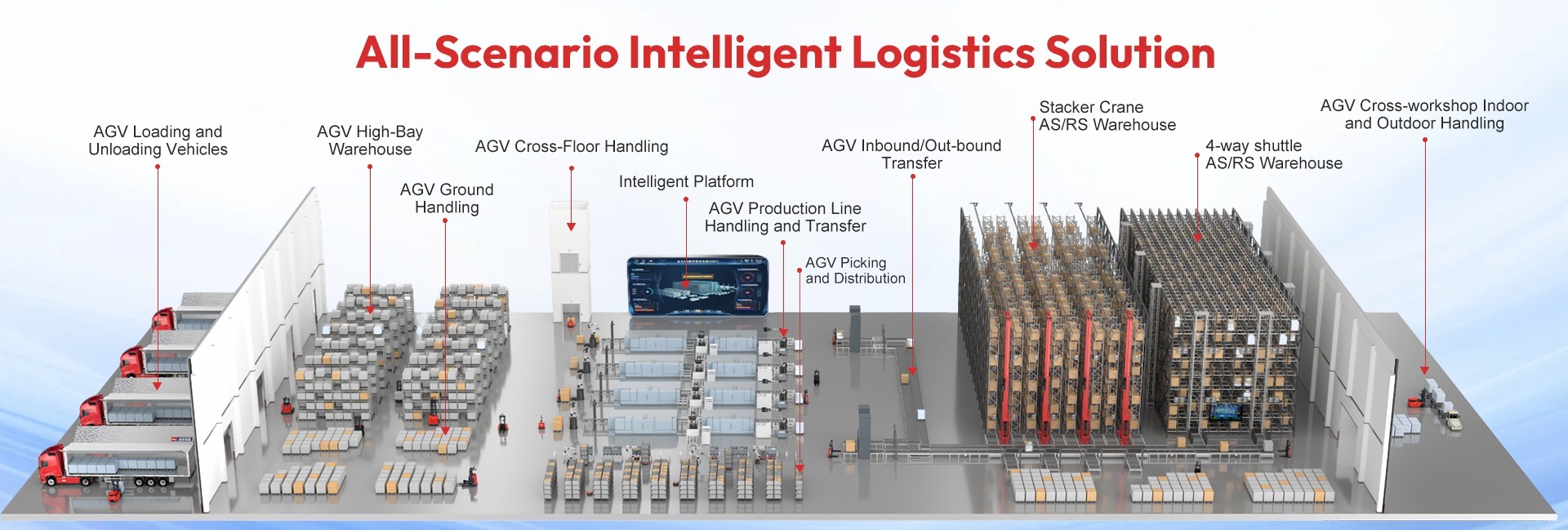
Anhui Nexrik Intelligent Technology Co., Ltd. is a high-tech manufacturer focused on the R&D, production and integration of intelligent warehousing equipment, including AGV forklifts, AS/RS stacker cranes, four-way shuttles and RGVs. The company operates from the Huagang Industrial Park in Feixi County, Hefei, a recognized hub for China’s forklift industry.
For buyers, the advantage is not simply a product catalog. It is the ability to source pallet AGVs, narrow-aisle VNA platforms, high-bay AS/RS and WMS-ready shuttle systems from one engineering team that can simulate traffic, define interfaces and support commissioning as a single system.
- 1,152 employees with onsite-verified manufacturing scale
- 66,650 m² of production floorspace across Anhui
- 7 international exhibitions and export experience across five regions
- OEM, ODM, buyer-label and full customization support
- Laser and 3D SLAM navigation options
- Turnkey AGV, AS/RS, four-way shuttle and RGV integration
Match the Automated Stacker AGV to the Workflow, Not the Catalog
A higher specification is not automatically a better investment. The right choice depends on rack height, aisle width, pallet type, throughput and how much software integration your team can absorb.
Start With a Pallet or Slim Stacker AGV
Best for first-time automation, low-to-medium racking, line-side delivery and repetitive pallet transfer.
- 2T 3000MM Pallet AGV Forklift
- Latest Slim Stacking AGV Forklift
- 2T Compact Material Handling AGV
Scale Into Reach & Narrow-Aisle VNA
Choose these when racking height rises, aisles tighten and every square meter of storage density matters.
- Heli Yufeng 2T 6.5M Reach Truck AGV
- 4.5M 2T Reach Truck AGV Body
- 4T / 5T Multi-Directional Forklift
Move to Lights-Out AS/RS
For high-bay, high-density and frozen-storage projects, combine stacker cranes or four-way shuttles with WMS/WCS control.
- High-bay stacker crane up to 40m
- WMS-ready four-way shuttle system
- Custom cold-storage and mini-load variants
Engineering note: confirm pallet quality, floor flatness, Wi-Fi/5G coverage and rack tolerances before finalizing navigation and safety configuration.
From Rack Drawing to Go-Live Without Guessing
A disciplined five-stage process protects budget, schedule and operational continuity.
Site Analysis
Review rack layout, pallet specification, floor flatness, throughput and shift pattern.
Solution Design
Select equipment, size the fleet and simulate traffic against peak demand.
Manufacturing
Build with material inspection, finished-product inspection and factory acceptance testing.
Commissioning
Map the site, test WMS interfaces, validate safety logic and train operators.
Lifecycle Support
Provide remote diagnostics, spare parts, maintenance planning and fleet expansion support.
What Buyers Will Demand From Automated Stacker AGV Factories by 2030
The next procurement cycle will reward suppliers who can prove total cost of ownership, software readiness and service depth — not only load capacity.
| Procurement Trend | Buyer Implication | Question to Ask the Factory |
|---|---|---|
| TCO over sticker price | Energy, maintenance, downtime and spare parts can outweigh the initial discount. | Can you model five-year TCO for our shift pattern and fleet size? |
| Pilot-to-fleet deployment | One-robot validation is now expected before a multi-unit purchase order. | What is the MOQ, and how do you prove scale-up without redesign? |
| Software-defined integration | WMS, ERP and fleet orchestration determine whether the robot is truly productive. | Which interfaces are standard, and how is commissioning tested? |
| Safety documentation | CE, risk assessment and obstacle-avoidance evidence are now tender requirements. | Can you provide CE documentation and safety validation records? |
| Battery and charging strategy | Opportunity charging, battery swapping and energy cost affect uptime and operating cost. | Which charging model fits our shift pattern and electrical infrastructure? |
| Local service and spares | Remote support and spare-parts availability reduce the risk of long downtime. | How do you support overseas sites after commissioning? |
| Modular layout planning | Warehouse demand changes; suppliers must support phased expansion. | Can the system expand without replacing the original robots or racks? |
| ESG and energy efficiency | Energy consumption and battery lifecycle are becoming part of supplier scoring. | What data can you provide for energy use and lifecycle planning? |
Inside the Next Generation of Automated Stacker AGVs
Hardware remains important, but differentiation is increasingly created by navigation intelligence, fleet software, safety validation and service data.
3D SLAM + Semantic Mapping
Natural-feature localization reduces reflector and floor-tape work, while richer mapping helps robots understand dynamic warehouse features.
Fleet Orchestration
Multi-brand, multi-robot coordination and standards-based interfaces will become procurement requirements rather than premium options.
High-Bay Convergence
Reach trucks, VNA AGVs and AS/RS stacker cranes are converging toward higher storage density and narrower aisles.
Predictive Service
Battery analytics, fault logs and remote diagnostics will be used to reduce downtime and plan spare parts before failure.
Questions Buyers Ask Before Choosing an AGV Factory
What is an automated stacker AGV, and how does it differ from an AGV forklift?
How should I evaluate a top automated stacker AGV factory?
What is the typical MOQ and lead time?
Should I choose laser navigation or 3D SLAM?
Can the AGV integrate with our existing WMS or ERP?
Which certifications and safety standards should I request?
Can the factory customize load, lift height, forks and cold storage?
What trade and payment terms are common for overseas projects?
How do I calculate ROI for an automated stacker AGV?
Send Your Rack Layout and Throughput Target
Our engineers will review your pallet specification, aisle width, lift height and WMS interface requirement, then recommend the right automated stacker AGV, reach truck AGV, VNA platform or AS/RS configuration.
Get a Quote Factory-direct · MOQ 1 set · CE / ISO documentation · OEM / ODM available