OEM/ODM Warehouse AGV Manufacturer & Suppliers
Factory-direct warehouse AGV platforms engineered for OEM/ODM fleets — from 3D SLAM pallet handling and 1.6T 8M VNA trucks to CE-certified autonomous forklifts integrated with AS/RS and WMS-ready warehouse automation.
Eight AGV Platforms Built for Real Intralogistics Work
These eight models cover narrow-aisle VNA storage, 3D SLAM pallet handling, laser-guided automation, high-density stacking and heavy-duty industrial pallet movement. Compare load capacity, lift height, navigation and application fit before requesting a layout.
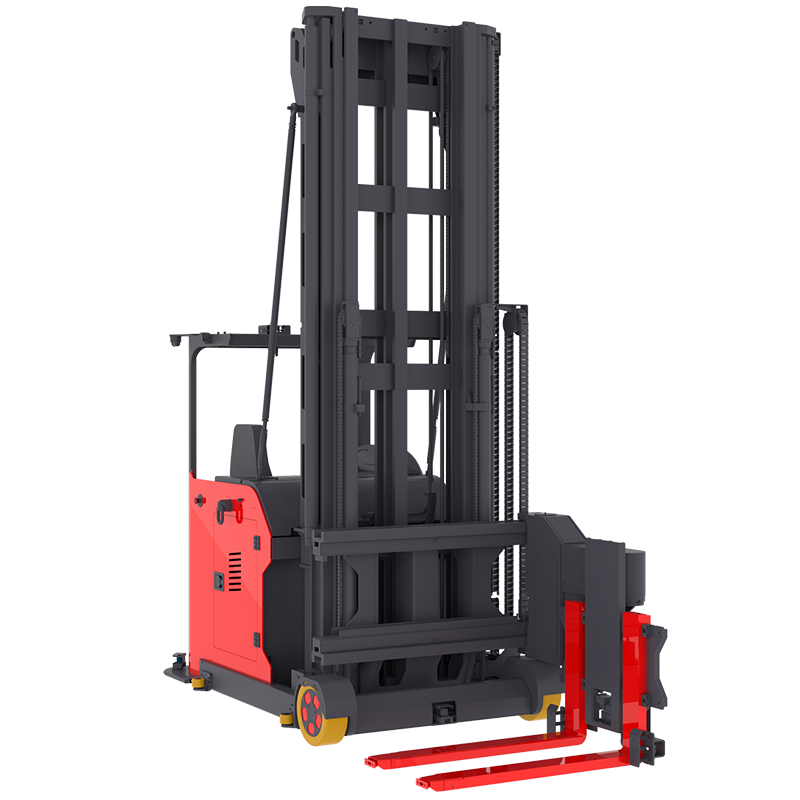 VNA AGV
3D SLAM
EFORK CDME16J-80S VNA Truck AGV Mobile Robot 1.6T 8M 3-way Forklift Laser Slam Narrow Aisle 1200mm Fork Length 125mm Fork Width
A high-density VNA platform for warehouses that need to convert aisle space into storage capacity while keeping pallet handling autonomous and repeatable.
- 1.6T capacity
- 8M lift
- 1200mm fork
- 125mm width
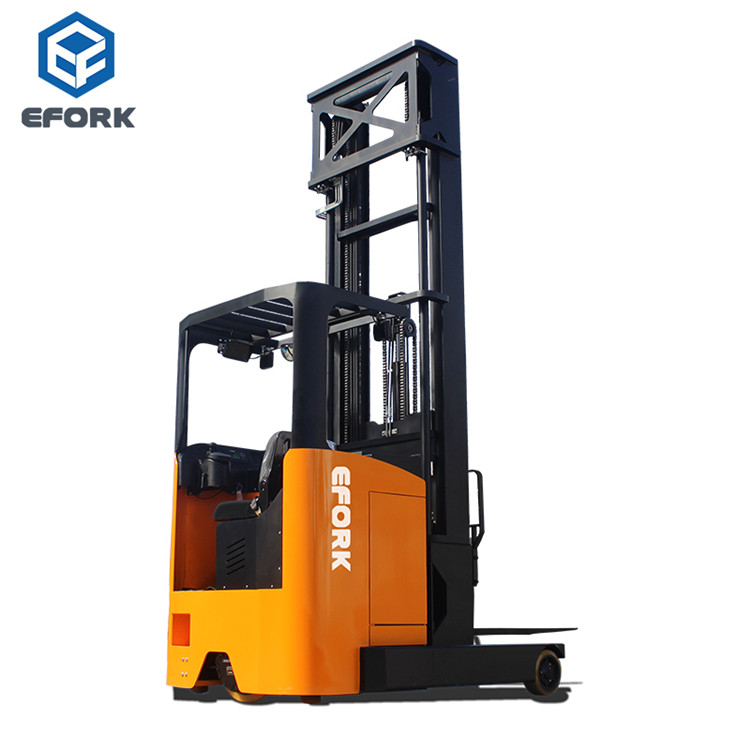 2T Pallet Truck
CQDE China Wholesale 2000kg 12m 8m 6m Industrial Forklift Pallet Truck Good Prce
An industrial pallet truck configuration for buyers comparing 6 m, 8 m and 12 m handling requirements across production, storage and dispatch zones.
- 2000kg
- 12m / 8m / 6m
- Industrial duty
- Wholesale supply
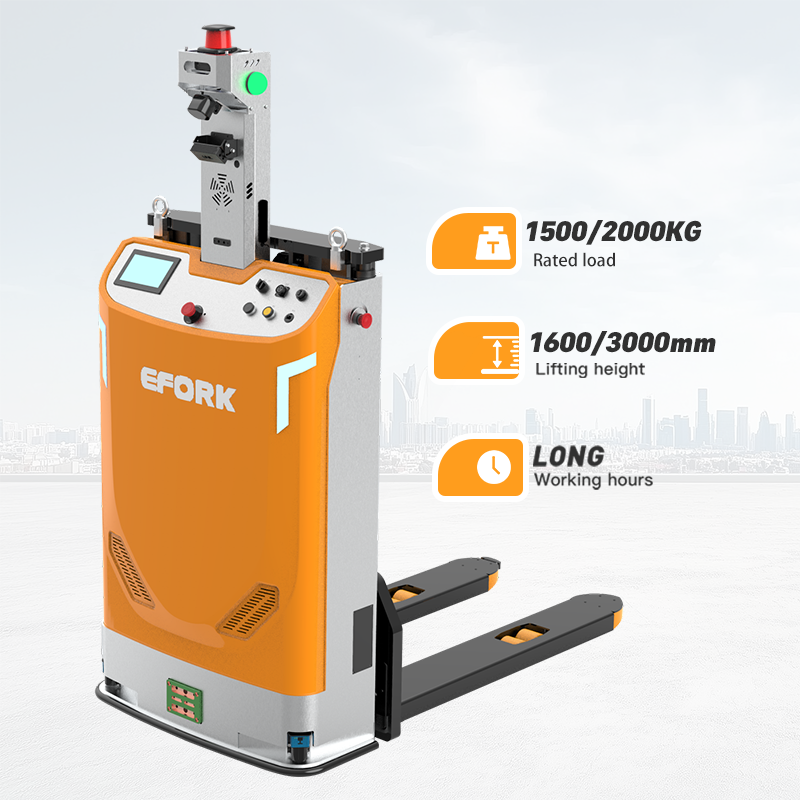 CE Certified
Laser AGV
CE Certified EFORK EDA20-16 2T 1600mm Laser Navigation Self-Driving Forklift AGV WIFI/5G for Warehouse Automation Logistics
A laser-navigation AGV for logistics teams that need stable route following, WiFi/5G connectivity and CE documentation for regulated markets.
- 2T
- 1600mm
- Laser navigation
- WiFi / 5G
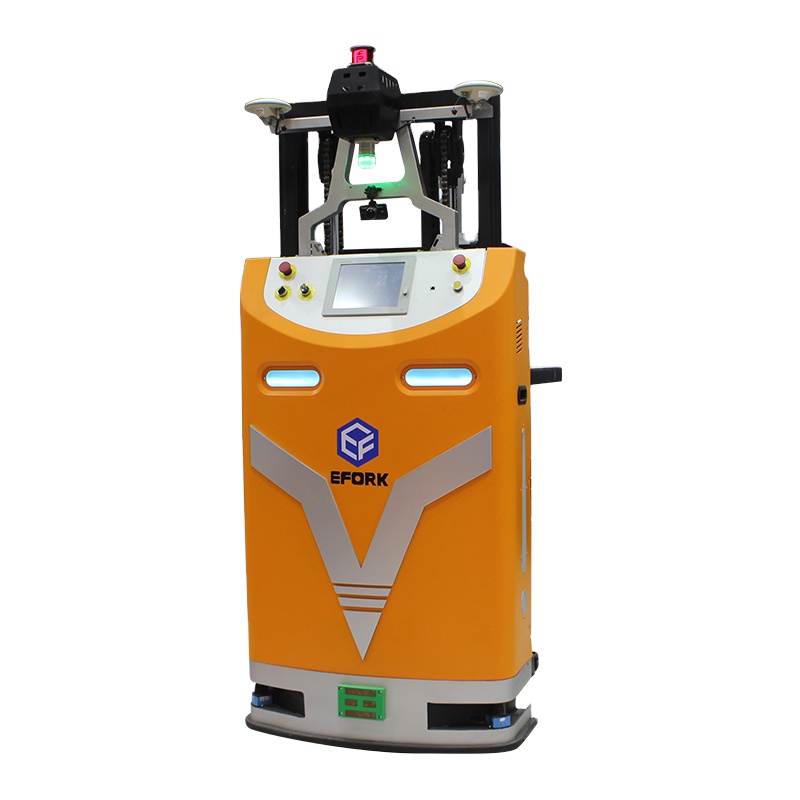 CE Certified
10mm Accuracy
CE Certified EFORK EDA20-16 2T 1200mm Fork Width 180mm 3D SLAM Laser Navigation AGV WIFI/5G 10mm Accuracy 1600mm Lifting Height
Built for flexible warehouse layouts where natural-feature localization can reduce reflector and floor-tape work while maintaining precise pallet positioning.
- 2T
- 10mm accuracy
- 1600mm lift
- 3D SLAM
 Hot-Dip Galvanized
China Wholesale 2000kg 12m 8m 6m Industrial Forklift Pallet Truck High-Speed Steel Hot-Dip Galvanized Good Price
A galvanized industrial pallet truck option for humid, cold-chain or wash-down environments where surface protection affects service life.
- 2000kg
- 12m / 8m / 6m
- Hot-dip galvanized
- High-speed steel
 Reach Truck
Laser SLAM
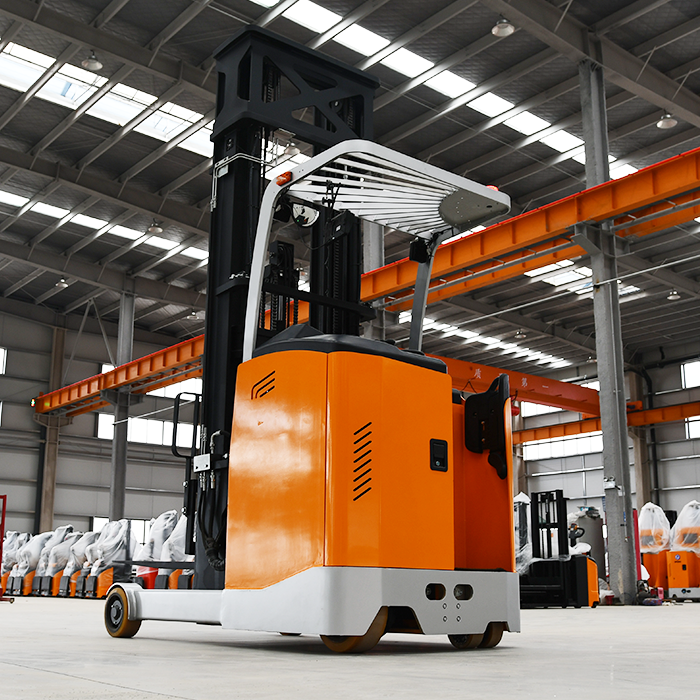
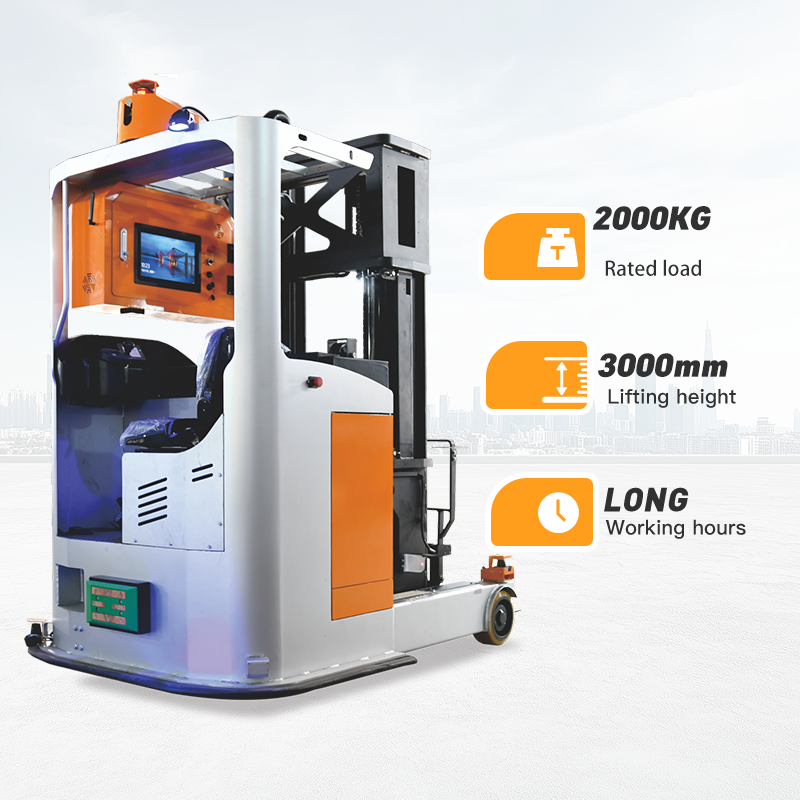
Reach Truck AGV Forklift 2T 3M Laser Slam Navigation CE Certified Warehouse Automation Robot for Factory Logistics
A reach truck AGV for selective racking and factory logistics where tighter aisles and medium lift heights are part of the daily duty cycle.
- 2T
- 3M lift
- Laser SLAM
- CE certified
 Slim Body
3D SLAM
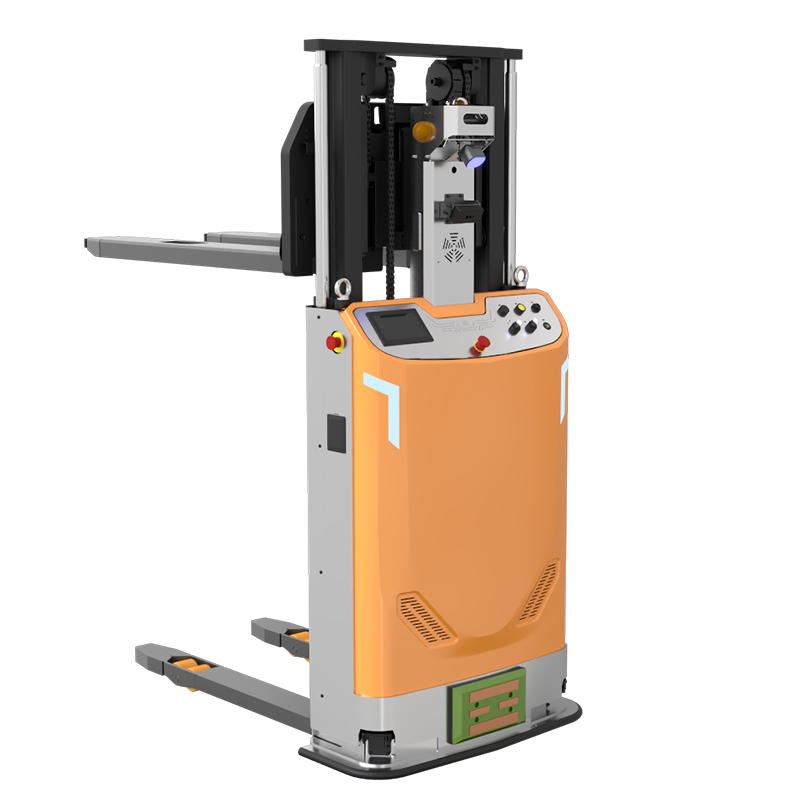
Automatic Stacker AGV Body Slim Narrow-Body 3M 2T High-Density Storage Pallet Stacking 3D SLAM Navigation WIFI/5G Maximize
A narrow-body stacker AGV that supports high-density pallet storage, line-side replenishment and repetitive lifting without permanent aisle infrastructure.
- 2T
- 3M lift
- Slim body
- WiFi / 5G
 Pallet AGV
3D SLAM
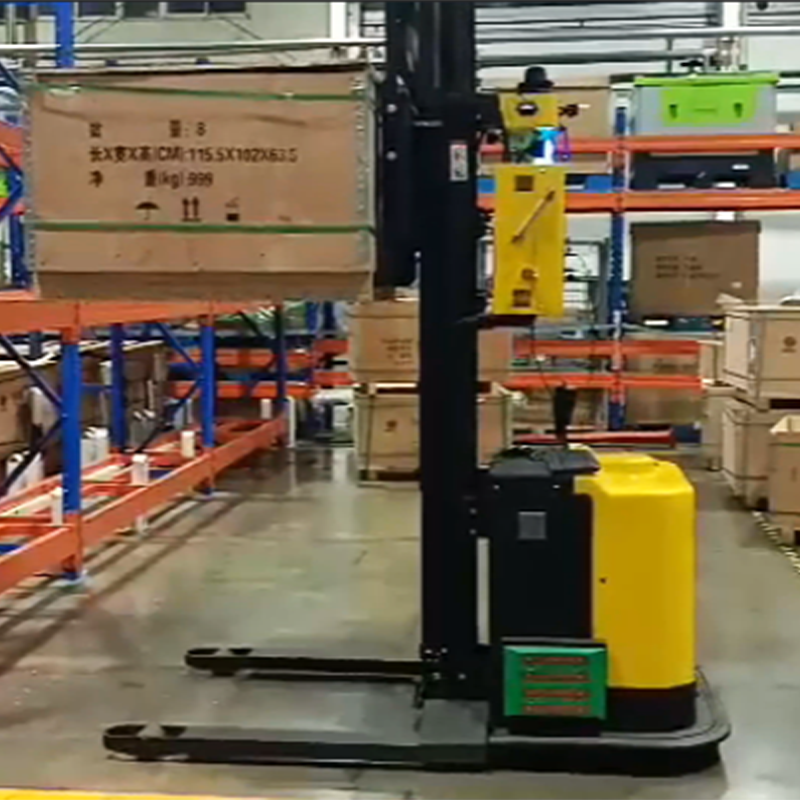
2T 3000MM Pallet AGV Forklift Automated Guided Vehicle 3D SLAM Navigation WIFI/5G Communication for Warehouse Automation Robot
A flexible pallet AGV for mixed warehouse routes, 3 m lifting and connected fleet operation across production, storage and dispatch interfaces.
- 2T
- 3000mm
- 3D SLAM
- WiFi / 5G
High-Bay Narrow Aisle
Shortlist the 1.6T 8M VNA AGV, the 2T 1600mm 3D SLAM AGV and the slim narrow-body stacker when aisle density, lift height and positioning accuracy decide the ROI.
Compare VNA ModelsFlexible Mixed Pallet Flow
The reach truck AGV, 2T 3000mm pallet AGV and 2T 1200mm 3D SLAM model fit warehouses that must move pallets between racking, staging and production without fixed paths.
Review Reach AGVIndustrial & Protected Environments
Use the 2000kg 12m/8m/6m pallet truck options and hot-dip galvanized variant when heavy loads, humidity or wash-down conditions require a more durable industrial platform.
View Galvanized OptionWhat Makes This OEM/ODM Warehouse AGV Manufacturer Different?
For a warehouse automation project that must run for years, supplier scale, engineering traceability and after-sales capability matter as much as the machine specification. The figures below are drawn from the manufacturer’s verified company profile and onsite assessment information.
SGS Onsite-Verified Scale
The manufacturer has been verified onsite by SGS Group, with 1,152 staff, 66,650 m² of production floorspace and documented trade capacity — useful evidence for tenders, importers and multi-site buyers.
In-House Manufacturing & FAT
Chassis, masts and control integration are built and tested on the manufacturer’s own lines, with material inspection and finished-product checks before shipment. Factory acceptance testing reduces surprises during commissioning.
Laser & 3D SLAM Platforms
Choose laser navigation for highly repetitive fixed routes or 3D SLAM for natural-feature localization that reduces reflector and floor-tape work. This flexibility helps buyers fit AGVs to existing buildings rather than rebuilding for the robot.
One-Stop Turnkey Integration
AGV forklifts, AS/RS stacker cranes, four-way shuttles, RGVs and WMS-ready controls can come from one supplier. That single-source engineering approach simplifies interface responsibility and long-term spare-parts planning.
CE, ISO & Audit Documentation
CE marking under Machinery Directive 2006/42/EC, ISO 9001 quality management, ISO 45001 occupational safety and SGS onsite verification support customs clearance, tender submissions and buyer due diligence.
OEM / ODM & MOQ 1 Set
Full customization, OEM, ODM and buyer-label production are available for load capacity, lift height, fork dimensions, battery configuration and cold-storage variants. Every model starts from a practical MOQ of 1 set for pilot validation.
Anhui Nexrik Intelligent Technology Co., Ltd.
The company is a high-tech manufacturer specializing in R&D, production and integration of intelligent warehousing equipment — AGV forklifts, AS/RS stacker cranes, four-way shuttles and RGVs. Its plants are located in the Huagang Industrial Park, Feixi County, Hefei, a recognized hub for China’s forklift industry.
Engineering starts with the buyer’s pallet types, rack drawings, throughput target and shift pattern. The team then simulates traffic and equipment sizing before manufacturing, which is why overseas buyers in Southeast Asia, South America, Eastern Europe, South Asia and North America use the factory for pilot lines and turnkey projects.
Verified company advantages include 1,152 employees, 66,650 m² of production space, annual revenue above USD 100 million, 7 awarded patents, 7 international exhibitions, Fortune 500 supplier experience, and trade documentation for FOB, CFR, CIF, EXW, FAS, CIP and DDP terms.
- Business type: Manufacturer & trading
- Staff: 1,152 onsite verified
- Service: OEM, design & buyer label
- Markets: 5 major export regions




How Warehouse AGV Buying Will Change Through 2030
Price per truck is no longer a sufficient comparison metric. Procurement teams are moving toward total cost of ownership, integration risk, safety evidence and the ability to scale a pilot into a mixed fleet. These six shifts are already visible in serious OEM/ODM warehouse AGV tenders.
TCO Instead of Capex
Buyers now model energy consumption, uptime, spare parts, maintenance labor and residual value. The winning question is cost per pallet movement at peak hour, not the lowest initial quote.
Open, Modular Integration
WMS, WCS and ERP interfaces are specified earlier. Procurement teams ask about data protocols, fleet-manager APIs and whether the AGV platform can expand without replacing the existing control layer.
Safety & Cyber Evidence
CE documentation, risk assessments, scanner architecture and cybersecurity responsibilities are moving into the commercial contract. Regulated markets want evidence before shipment, not after installation.
Mixed-Fleet Reality
Few factories automate everything at once. New AGVs must coexist with manual forklifts, conveyors, lifts and older automation. Traffic simulation and handover rules become procurement requirements.
Serviceability as a KPI
Remote diagnostics, local spare-parts access and mean time to repair are now evaluated alongside load capacity. A truck that cannot be serviced quickly is a production risk, not an automation asset.
Pilot-to-Fleet Procurement
MOQ 1 set makes pilot validation practical. Buyers test routes, cycle times and WMS handover, then scale with the same OEM/ODM platform. Procurement strategies increasingly formalize FAT and SAT before fleet release.
Build a Weighted Scorecard Before You Compare Quotes
Use a transparent weighting model to compare suppliers. The illustrative chart shows how a warehouse automation buyer might prioritize fleet productivity, integration effort, safety and lifecycle service instead of comparing unit prices alone.
What the Next Warehouse AGV Fleet Will Require
Product development is converging around four engineering themes: localization accuracy, high-density space use, connected fleet control and safer integration with people and existing equipment. These are the features buyers should watch when evaluating an OEM/ODM warehouse AGV supplier.
3D SLAM + Laser Fusion
Natural-feature mapping, laser correction and 10 mm-level positioning accuracy reduce site preparation while improving pallet pick and drop repeatability. The practical benefit is faster deployment in existing buildings.
High-Density, Narrow Body
Slim stacker bodies, 3-way VNA forks and lifts from 3 m to 8 m and beyond allow warehouses to add storage capacity without expanding the building footprint.
Connected Fleet Control
WiFi/5G communication, WMS-ready workflows and digital-twin traffic simulation are becoming standard expectations for multi-vehicle deployments and future capacity expansion.
Energy & Environment Fit
Battery configuration, opportunity charging, cold-storage variants and protected surfaces are increasingly specified at the quotation stage because they directly affect uptime and lifecycle cost.
Which Warehouse AGV Platform Fits Your Operation?
Use this engineering reference to shortlist the right platform before requesting a layout proposal. Final specifications should always be confirmed against pallet type, rack drawings, floor conditions, throughput and safety requirements.
| Platform | Typical Load | Lift / Storage Height | Navigation | Best-Fit Application |
|---|---|---|---|---|
| Pallet Stacker AGV | 1.5 – 2 T | 1.6 – 3 m | 3D SLAM / Laser | Floor-to-rack transfer, line-side delivery and low racking with a compact body |
| Reach Truck AGV | 1.5 – 2 T | 3 m | Laser SLAM | Selective racking where aisle space is tighter than a counterbalanced truck requires |
| Pallet AGV Forklift | 2 T | 3,000 mm | 3D SLAM | Mixed warehouse routes, production interfaces and dispatch staging |
| VNA 3-Way AGV | 1.6 T | 7 – 11 m | Laser SLAM / 3D SLAM | Very narrow aisle, high-bay pallet storage and maximum cube utilization |
| 3D SLAM Laser AGV | 2 T | 1,600 mm lifting height | 3D SLAM | Flexible layouts where natural-feature localization reduces infrastructure work |
| Industrial Pallet Truck | 2,000 kg | 12 m / 8 m / 6 m configurations | Application dependent | Heavy-duty production, storage and dispatch pallet movement |
| Galvanized Pallet Truck | 2,000 kg | 12 m / 8 m / 6 m configurations | Application dependent | Humid, cold-chain or wash-down environments requiring surface protection |
Values reflect standard configurations of listed models. Final load, lift, fork dimensions, battery configuration and safety options are confirmed during project engineering based on your load units and building constraints.
Questions Buyers Ask Before Ordering Warehouse AGVs
These answers address the commercial and technical questions that most commonly appear in OEM/ODM warehouse AGV procurement discussions.
What is the minimum order quantity for these warehouse AGVs?
The MOQ for every AGV forklift, stacker crane and four-way shuttle model is 1 set. Many buyers start with a single-truck pilot to validate routes, cycle times and WMS handover before scaling to a full fleet.
Should we choose laser navigation or 3D SLAM?
Laser navigation is strong for highly repetitive fixed routes and mature layouts. 3D SLAM localizes using natural features of the building, which typically reduces reflector or floor-tape requirements and can shorten site preparation. The right choice depends on aisle geometry, racking, traffic and tolerance.
What certifications and audit evidence are available?
The manufacturer holds ISO 9001 and ISO 45001 management system certification, CE marking under Machinery Directive 2006/42/EC for the AGV range, 7 awarded patents and SGS onsite verification of premises and legal status. These documents support tender submissions and customs clearance.
Can you customize capacity, lift height and fork dimensions?
Yes. Full customization, OEM, ODM and buyer-label production are available, including load capacity, lift height, fork configuration, battery configuration and cold-storage variants. Custom requirements should be defined before simulation and manufacturing release.
Can the AGV or AS/RS integrate with our existing WMS?
AS/RS and four-way shuttle systems are designed WMS-ready, and AGV integration requirements with your WMS or ERP are defined during solution design. Interface testing is then included in commissioning so handover rules are validated before go-live.
Which trade and payment terms are accepted?
Accepted delivery terms include FOB, CFR, CIF, EXW, FAS, CIP and DDP. Payment methods include L/C, D/P, D/A, MoneyGram, credit card and Western Union in USD, EUR or CNY. Final terms are confirmed in the quotation.
How should we plan acceptance before shipment?
For multi-unit or turnkey orders, define factory acceptance testing around route logic, load handling, safety functions and interface messages. After delivery, site acceptance testing should validate mapping, traffic rules, WMS handover and operator procedures.
What after-sales support should global buyers request?
Ask for remote diagnostics scope, spare-parts lists, recommended critical spares, escalation procedures and training documentation. Because export projects span different time zones, clear maintenance responsibility and response expectations should be written into the service agreement.
Turn Your Warehouse Layout Into a Practical AGV Fleet Plan
Send pallet types, rack drawings, aisle widths, throughput targets and shift patterns. The engineering team can translate those inputs into a recommended equipment mix, fleet size, navigation approach and integration plan — from a single pilot unit to a multi-platform turnkey project.