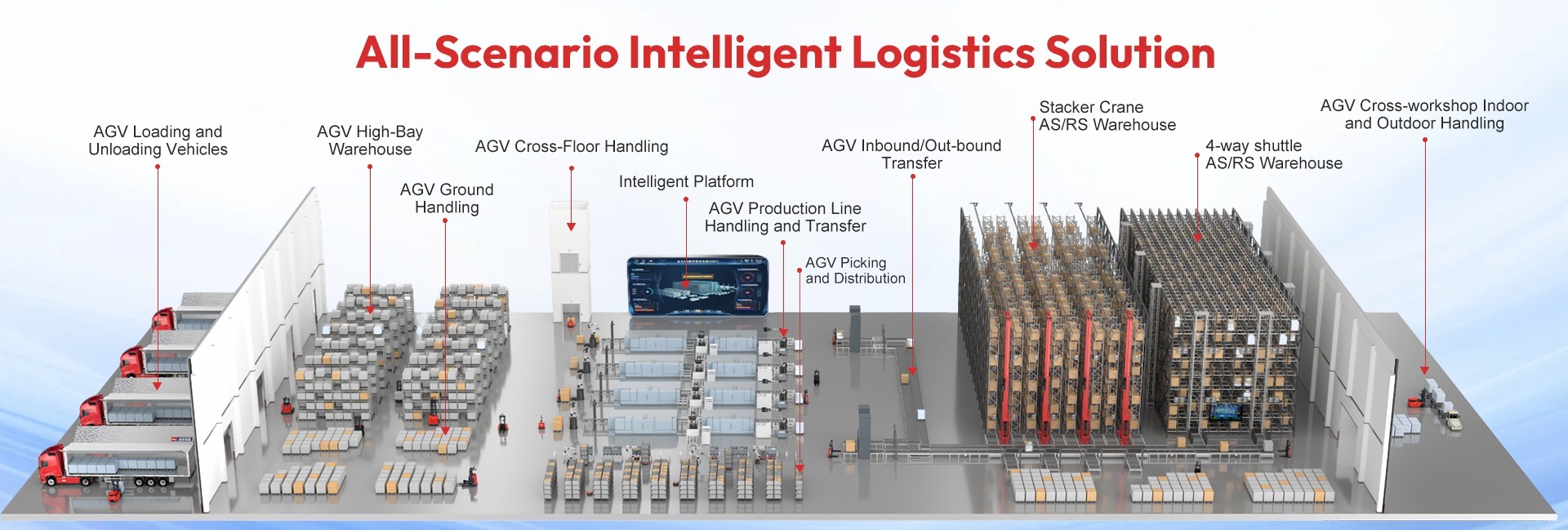
OEM/ODM Electric Forklift AGV Factories & Suppliers
A buyer-side white paper for evaluating true manufacturing depth, 3D SLAM and laser navigation architecture, CE safety compliance, WMS integration capability, and whole-life cost before you place an intelligent warehousing order.
Eight Electric Forklift AGV Platforms Ready for OEM/ODM Projects
These models cover pallet stacking, reach-truck handling, narrow-aisle VNA storage, 3D SLAM navigation, laser SLAM navigation, and high-lift warehouse automation. Each listed URL is preserved for direct model review; each card also includes a live quotation entry.
 2000kg
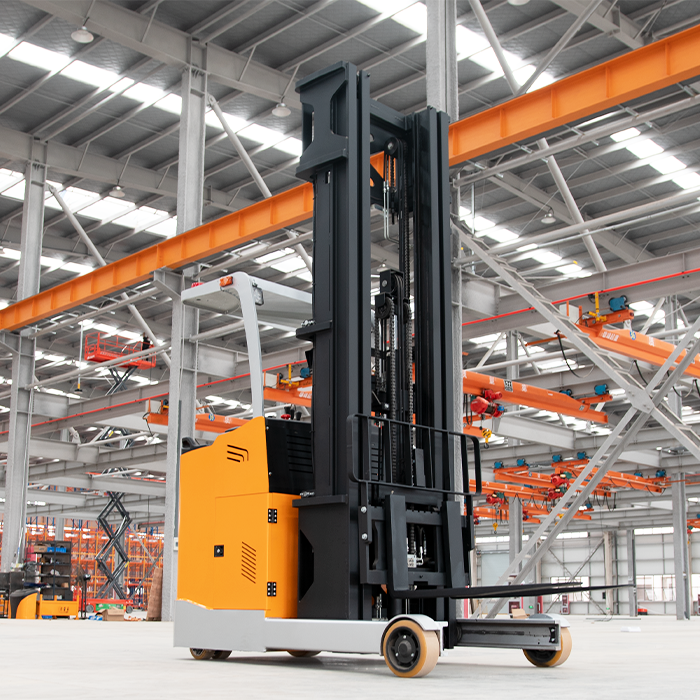
Industrial Forklift AGV
China Wholesale 2000kg 12m 8m 6m Industrial Forklift Pallet Truck Good Price
2,000 kg · 12 / 8 / 6 m · pallet truck platform
 CQDE
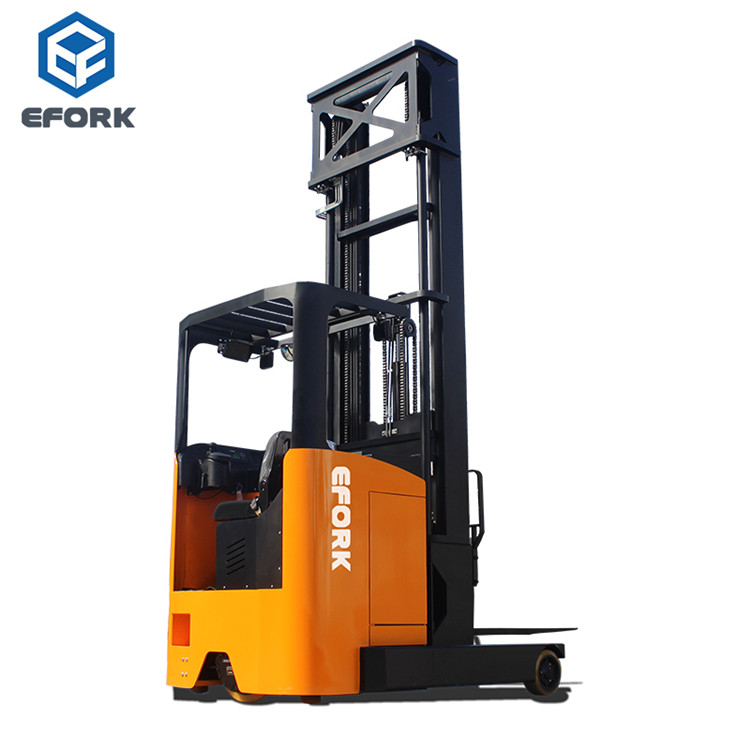
Industrial Pallet Truck
CQDE China Wholesale 2000kg 12m 8m 6m Industrial Forklift Pallet Truck Good Price
2,000 kg · 12 m lift class · warehouse handling
 3T AGV
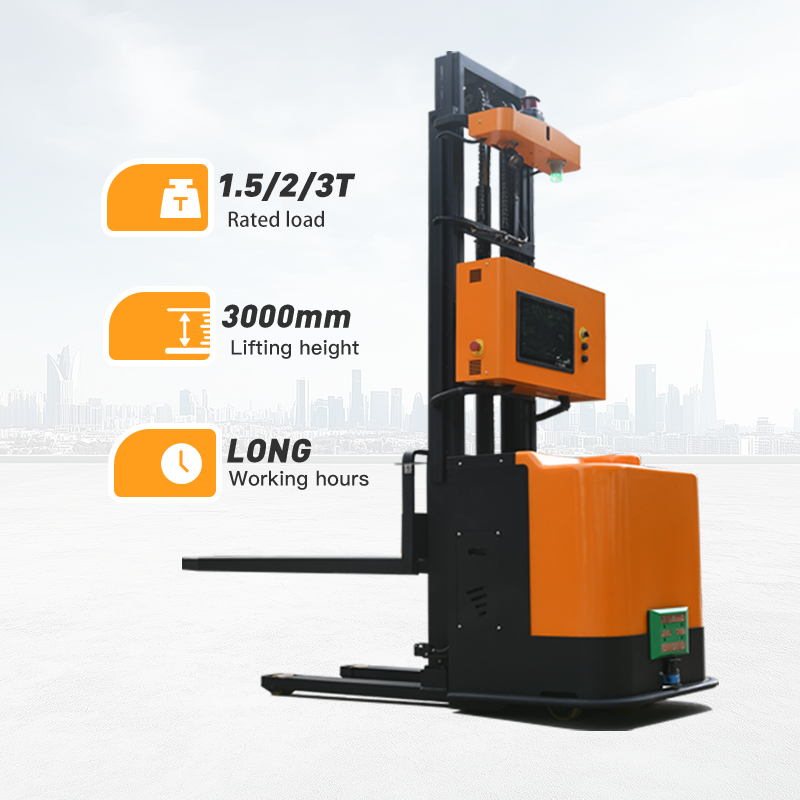
Pallet Stacker AGV
3T 3000mm Pallet Stacker Automated Guided Vehicle Forklift Truck for Intelligent Warehouse Automation
3,000 kg · 3,000 mm · intelligent warehouse automation
 CE
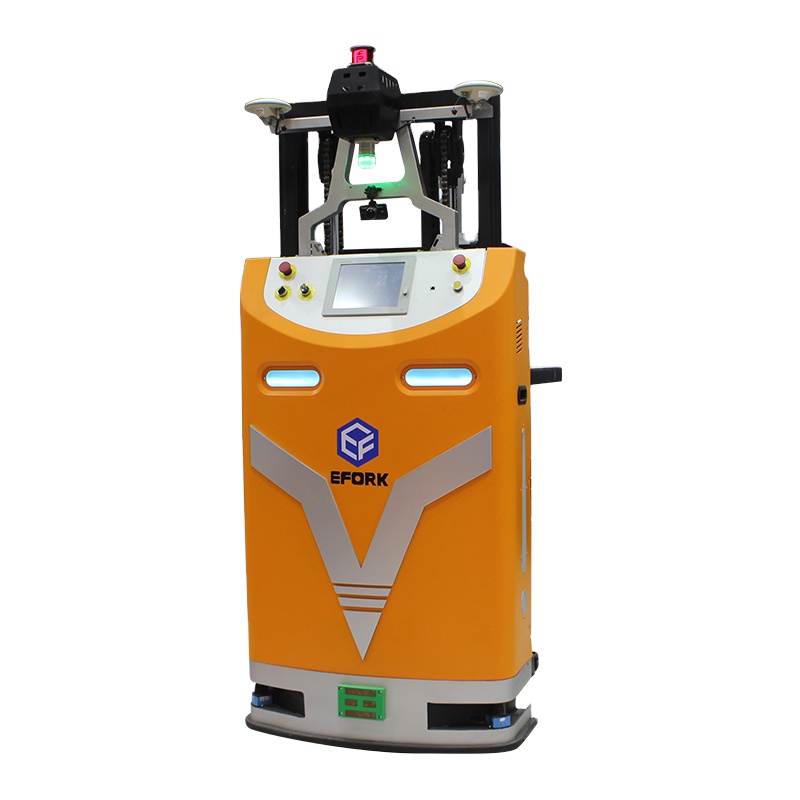
3D SLAM
3D SLAM Laser AGV
CE Certified EFORK EDA20-16 2T 1200mm Fork Width 180mm 3D SLAM Laser Navigation AGV WIFI/5G 10mm Accuracy 1600mm Lifting Height
2T · 1,200 mm fork width · ±10 mm · 1,600 mm lift
 Slim AGV
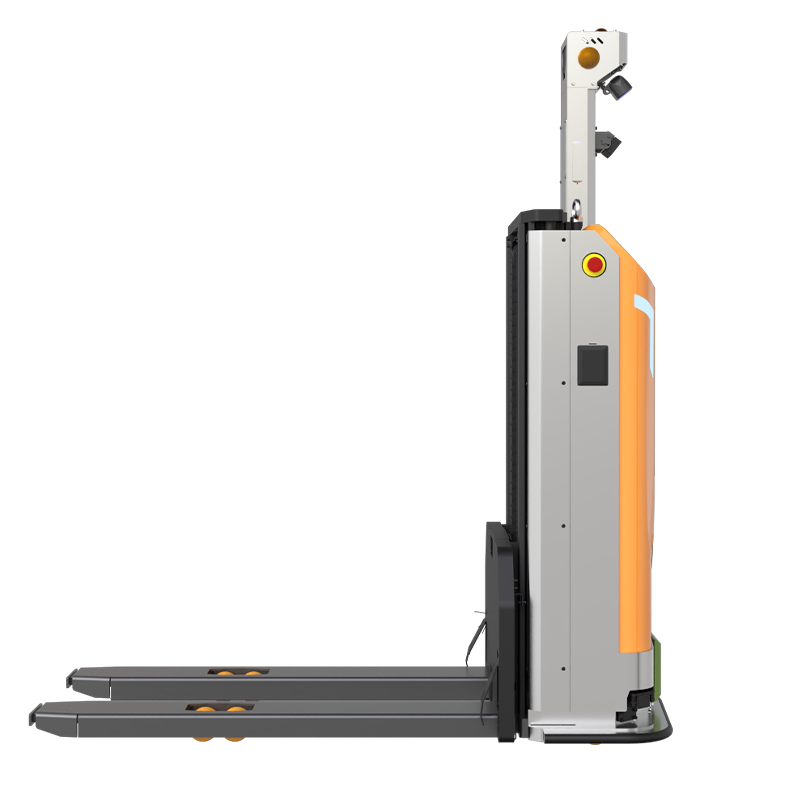
Narrow-Aisle Stacker AGV
2T 3 M Slim Narrow-Body Stacker AGV High-Density Storage Pallet Stacking AGV for Narrow Aisles Warehouse Automation
2T · 3 m · slim narrow-body · high-density storage
 VNA
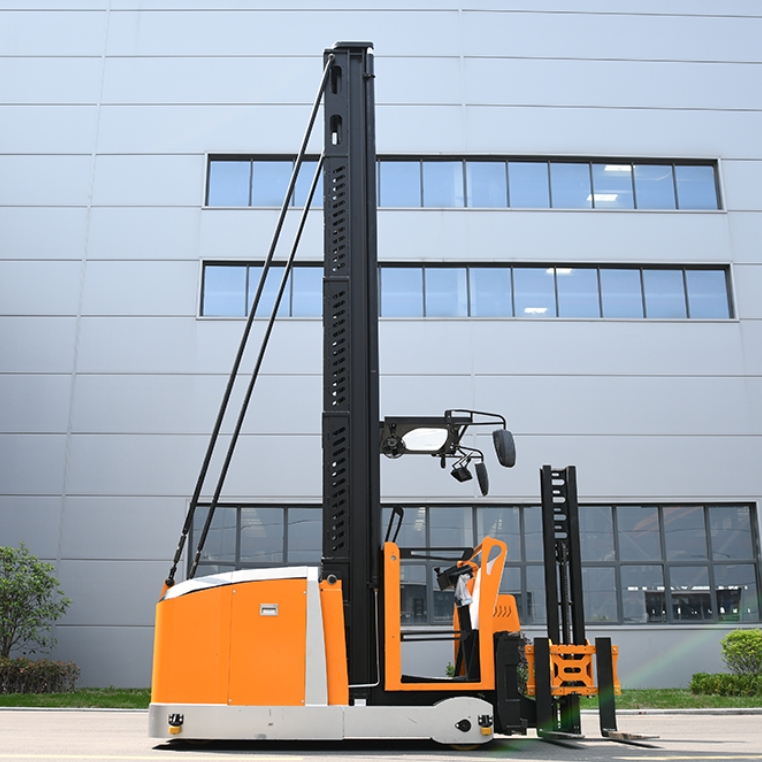
3-Way VNA Stacker
New 1.5T Manual Electric 3-Way Pallet Stacker Forklift 3 Way Manup VNA Forklift with 1600kg Loading Capacity AC Motor Powered
1.5T / 1,600 kg · 3-way fork · AC motor · VNA
 1.6 m
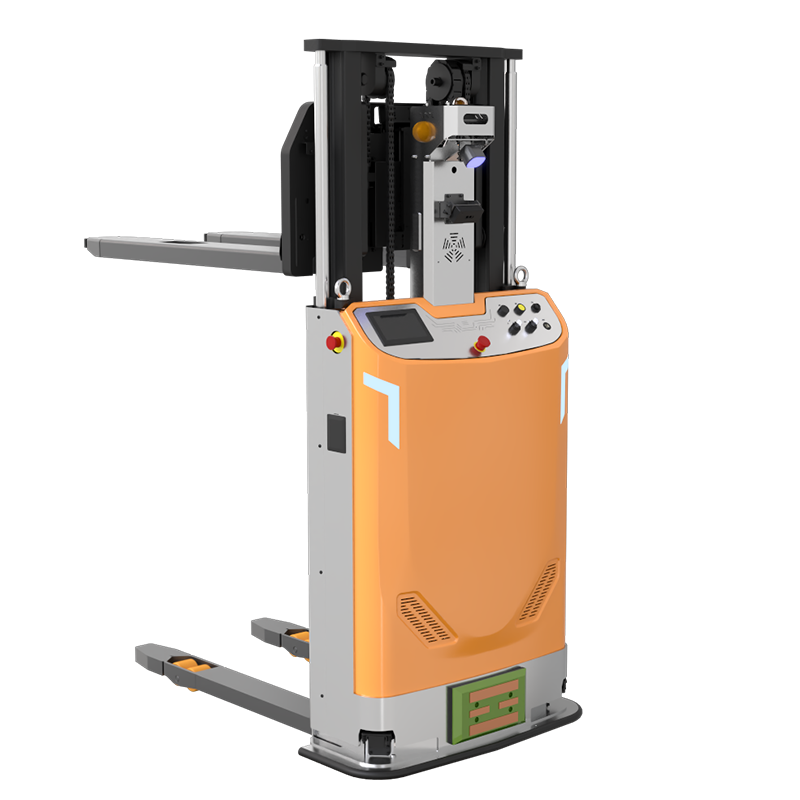
High-Lift Stacker AGV
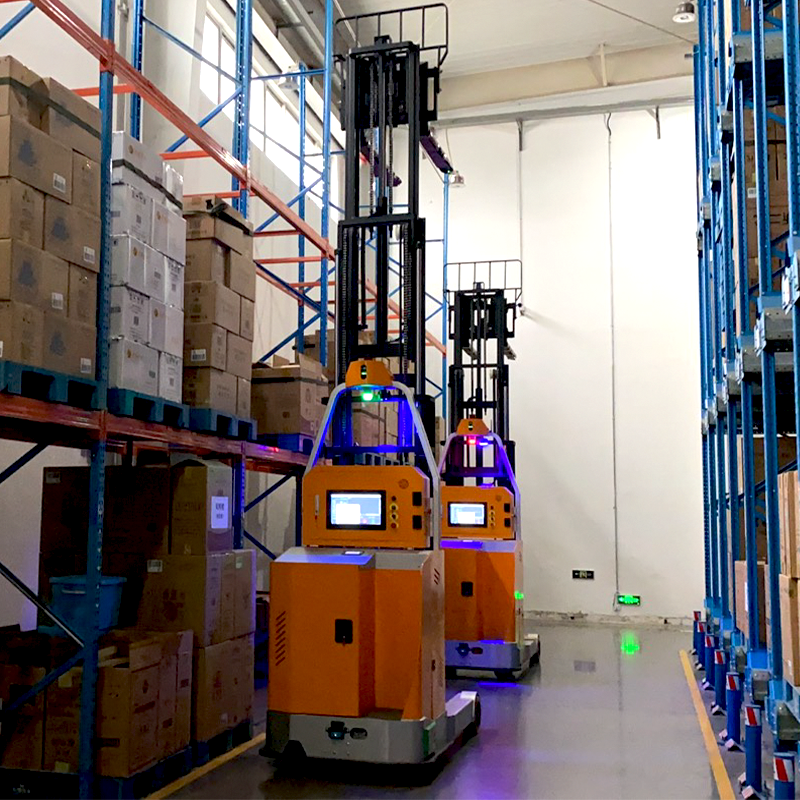
2T 1.6 M Slim Narrow-Body Stacker AGV Body for High-Density Storage High Lift Pallet Stacking AGV Maximize Warehouse Space
2T · 1.6 m · slim body · space-maximizing stacker
 Laser SLAM
±10 mm
Automated Reach Truck
EFORK EQDA15-30 Automated Reach Truck Laser SLAM Navigation 1.5T Capacity ±10mm Accuracy Forklift for Warehouse Logistics
1.5T · laser SLAM · ±10 mm · reach-truck logic
What Smart Buyers Verify Before They Approve an Electric Forklift AGV Project
The search phrase “OEM/ODM Electric Forklift AGV Factories & Suppliers” is usually not an early research query. It is a qualification query. Buyers are trying to separate factories from trading labels, engineering capability from catalogue assembly, and a machine price from a working intralogistics system.
Start with the load unit, not the truck
Most project risk is hidden in the pallet. Fork opening, load centre, rack beam height, floor flatness, charging window, and peak-hour throughput should be reviewed before a supplier proposes a model. A 2,000 kg stacker AGV and a 3,000 kg counterbalanced AGV can look similar in a catalogue, but they behave very differently once aisle width, trailer docking, double-deep racking, or closed-bottom pallets are involved.
At Anhui Nexrik Intelligent Technology Co., Ltd., project engineering starts from the buyer’s rack drawing and pallet specification. This is the practical meaning of E-E-A-T in industrial procurement: experience is shown in the questions asked before quotation, expertise is shown in the simulation assumptions, authority is shown in the audit file, and trust is shown in the willingness to let a buyer verify both the factory and the finished product.
Navigation must follow the building, not the brochure
Laser navigation remains efficient for fixed, repetitive routes with controlled reflectors. 3D SLAM navigation is more flexible because it localizes using natural building features, which often reduces floor tape and reflector work and shortens site preparation. But the correct choice depends on ceiling structure, glass walls, human traffic, pallet patterns, and how often the rack layout will change. A supplier that begins with “which navigation do you want?” rather than “what does your building look like?” is not engineering the project.
For a buyer comparing OEM/ODM electric forklift AGV factories and suppliers, the more useful questions are: How is the fleet sized at peak? What happens when Wi-Fi drops? How is safety validated around blind corners? Which WMS/WCS interface is required? What spare parts should be stocked on site? These questions expose the difference between a low-cost unit and a production-grade system.
The real deliverable is an operating system
An AGV forklift is a mobile node inside the warehouse management system, the safety process, and the maintenance budget. The quotation should therefore include battery strategy, charger placement, spare-parts plan, remote diagnostics, operator training, acceptance testing, and lifecycle support. A pilot with one set — the MOQ on every Nexrik AGV, stacker crane, and shuttle model — is often the cheapest way to validate cycle time and safety before scaling to a full fleet.
A serious OEM/ODM electric forklift AGV supplier should be able to explain the assumptions behind the price, not only the specifications on the datasheet.
Buyer Verification Checklist
- Factory floorspace, staff count, and production lines are visible and verifiable.
- CE 2006/42/EC file and risk assessment are available before shipment.
- ISO 9001 and ISO 45001 systems are within the current audit scope.
- SGS onsite verification and legal entity records can be checked.
- WMS/WCS API, acceptance test plan, and exception handling are defined.
- Peak-hour simulation is reviewed with aisle width and charging windows.
- Spare parts, remote support, and operator training are priced clearly.
- Five-year TCO includes energy, maintenance, downtime, and expansion.
Manufacturing Scale That Reduces OEM/ODM Procurement Risk
For an automation project expected to run for a decade, supplier capacity and traceability matter as much as the machine itself. The figures below come from Nexrik’s public company profile and are supported by SGS onsite verification, management-system certification, and CE documentation.
Employees
Onsite verified manufacturing teamFactory Floorspace
Production bases in Anhui, ChinaAnnual Revenue
Capacity for fleet and turnkey ordersAwarded IP
Plus one registered trademarkIn-House Manufacturing
Chassis, masts, wiring, and control integration are built and tested on Nexrik’s own lines, with material inspection and finished-product inspection before shipment.
3D SLAM & Laser Navigation
Buyers can choose reflector-based laser navigation for fixed routes or 3D SLAM for natural-feature localization that reduces floor and rack modifications.
One-Stop Turnkey
AGVs, AS/RS stacker cranes, four-way shuttles, and RGVs from one source can be engineered as one WMS-ready system rather than stitched together on site.
Compliance & Audit File
CE marking under 2006/42/EC, ISO 9001, ISO 45001, seven patents, and SGS onsite verification support tenders, customs clearance, and internal risk review.
OEM / ODM Customization
Load capacity, lift height, fork configuration, battery strategy, buyer-label production, and cold-storage variants can be adapted to project requirements.
WMS-Ready Lifecycle Support
Interface requirements are defined during solution design and tested during commissioning, with remote diagnostics, spare parts, and fleet expansion planning after go-live.
From Component Fabrication to FAT: What Buyers Can Audit
Experience is not a slogan on a website. It appears in the production route, the inspection record, and the ability to explain why a specific chassis, mast, battery, and navigation package was chosen for a given warehouse.
 Production base in Hefei, Anhui
 AGV forklift assembly workshop
 Testing before factory acceptance
Nexrik is located in Huagang Town Industrial Park, Feixi County, Hefei — a recognized hub for China’s forklift and intelligent logistics industry. The company’s public profile identifies 1,152 employees, 66,650 m² of factory floorspace, $100 million+ annual revenue, seven awarded patents, one registered trademark, and participation in seven international exhibitions.
A factory audit should follow the product route: incoming material inspection, chassis and mast fabrication, wiring and hydraulic assembly, software flashing, navigation calibration, pre-FAT testing, and final inspection. Buyers should ask for the FAT checklist, not only a product photo. They should also confirm which tests are performed before packing and which records travel with the machine.
Because every warehouse imposes different constraints, customization is an engineering process rather than a label change. OEM/ODM work may involve load capacity, lift height, fork dimensions, battery configuration, cold-storage protection, fleet branding, WMS interface, and safety-scanner layout. The supplier should document those changes in drawings and acceptance criteria.
For overseas buyers, the commercial file matters as much as the technical file. Nexrik accepts FOB, CFR, CIF, EXW, FAS, CIP, and DDP terms; payment methods include L/C, D/P, D/A, MoneyGram, credit card, and Western Union in USD, EUR, or CNY. These options reduce friction when an importer, project contractor, and end user are all involved in approval.

CE Marking
Applied across the AGV forklift and AS/RS equipment range for export projects.

2006/42/EC
EU Machinery Directive compliance referenced for VNA and automated forklift models.
SGS Onsite Check
Premises and legal status verified by SGS Group for international buyer due diligence.
Electric Forklift AGV Buying Trends Reshaping Supplier Selection
Procurement teams are moving away from single-unit price comparison and toward validated fleet performance. The strongest suppliers will be those that can document assumptions, simulate peak traffic, and support a pilot before scale.
From Unit Price to Fleet TCO
Battery strategy, charger placement, spare parts, WMS integration, and downtime now sit inside the five-year total cost of ownership. A lower machine price can be more expensive if the navigation layer requires constant floor modification or if parts lead time is unclear.
Pilot-First, MOQ 1
MOQ 1 set lets buyers validate routes, cycle time, safety behavior, and operator acceptance before ordering a fleet. This is especially valuable for first-time automation projects and multi-site rollouts where the second site should inherit proven settings.
Compliance Moves Earlier
CE 2006/42/EC, risk assessment, safety-scanner coverage, and ISO management systems are increasingly requested during the tender phase, not after the equipment arrives. Suppliers without a complete audit file create customs and commissioning risk.
ODM Customization Expands
Buyer-label production, climate variants, fork geometry, and WMS-specific behavior are becoming normal ODM requests. The supplier must be able to translate those requests into drawings, test criteria, and repeatable production steps.
Where Electric Forklift AGV Platforms Are Heading Next
The next competitive gap is not only load capacity. It is the ability to localize reliably, integrate deeply, recover gracefully from exceptions, and keep uptime high across a mixed fleet of AGVs, stacker cranes, shuttles, and conventional forklifts.
3D SLAM & Sensor Fusion
Natural-feature localization reduces dependence on reflectors and floor tape, while sensor fusion improves stability in changing aisles, high-traffic zones, and mixed human-machine environments.
Flexible DeploymentWMS/WCS Orchestration
AGVs are becoming nodes in a warehouse control system. API-based task allocation, traffic rules, charging logic, and exception recovery matter more than a single machine’s maximum speed.
System IntegrationHigher Density & Higher Bay
VNA AGVs, 40 m AS/RS stacker cranes, four-way shuttles, and mini-load systems are converging into one storage strategy. Buyers can combine technologies instead of forcing one platform to solve every aisle.
Storage DensityEnergy & Uptime Engineering
Li-ion battery strategy, opportunity charging, safety-scanner layout, remote diagnostics, and preventive maintenance planning are becoming part of the technical proposal rather than after-sales add-ons.
Lifecycle ValueHow to Match an Electric Forklift AGV to Your Warehouse Reality
Use this engineering reference to shortlist equipment before requesting a layout proposal. Final specifications should always be confirmed against load units, rack drawings, floor conditions, and throughput targets.
| Equipment Platform | Typical Load | Lift / Height | Navigation / Guidance | Best-Fit Application |
|---|---|---|---|---|
| Pallet Stacker AGV | 1.5 – 2 T | 1.6 – 3 m | 3D SLAM / Laser | Floor-to-rack transfer, line-side delivery, low racking, entry automation |
| Reach Truck AGV | 1.5 – 2 T | 3 m | Laser SLAM / 3D SLAM | Selective racking where aisle space is tighter than a counterbalanced truck needs |
| Counterbalanced AGV | 1.5 – 3 T | 3 m | 3D SLAM | Closed-bottom pallets, cages, trailer docks, production lines, mixed indoor routes |
| VNA 3-Way AGV | 1.6 T | 7 – 11 m | 3D SLAM | Very narrow aisle, high-bay pallet storage, dense racking layouts |
| AS/RS Stacker Crane | 1 – 5 T | Up to 40 m | Rail-guided, WMS/WCS | High-bay automated warehouses, frozen storage, high-throughput pallet storage |
| Four-Way Shuttle | 1 – 2 T | Multi-level via lifts | Rail-guided, ±2 mm | Dense pallet storage with flexible FIFO / LIFO logic and high space utilization |
| Mini-Load Bin Stacker | 50 – 100 kg / bin | Up to 20 m | Rail-guided, WMS | Spare parts, e-commerce, electronics, small-item picking and buffering |
Values reflect standard configurations of the listed models. Final specifications are confirmed during project engineering based on load units, building constraints, safety assessment, and WMS interface requirements.
Questions Buyers Ask Before Approving an OEM/ODM AGV Order
These answers focus on the commercial and engineering details that usually decide whether a supplier can move from quotation to a successful factory acceptance test.
What is the minimum order quantity for Nexrik AGV forklifts?
Which navigation technologies are available?
What certifications and audit documents are available?
Can the equipment integrate with our existing WMS or ERP?
Do you provide OEM, ODM, and full customization?
Which trade and payment terms are accepted?
Use a Verified Factory as Your OEM/ODM Electric Forklift AGV Benchmark
Send your pallet specification, rack drawing, throughput target, and site constraints. The engineering team can compare stacker, reach, counterbalanced, VNA, AS/RS, and shuttle options, then propose a layout, fleet size, safety scope, and quotation structure for your market.
Get a QuoteEmail: info@nexrikbot.com · Huagang Town Industrial Park, Feixi County, Hefei, Anhui, China