OEM/ODM AGV Forklift Exporter & Wholesaler
A procurement-grade guide for importers, distributors and warehouse integrators comparing CE-certified 3D SLAM, laser-guided, VNA, stacker, reach truck and counterbalanced AGV forklifts from a verified Chinese manufacturer.
Eight OEM/ODM AGV Forklift Models for Wholesale & Project Procurement
The eight models below cover the practical range most export buyers request: narrow-body stackers, 3D SLAM stacking forklifts, compact production-line AGV bodies, pallet AGV forklifts, heavy-duty counterbalanced units, 8 m VNA trucks, 3T counterbalanced AGV bodies and CE-certified reach truck AGVs. Each product link is preserved exactly so engineering teams can review the original specification page before shortlisting.
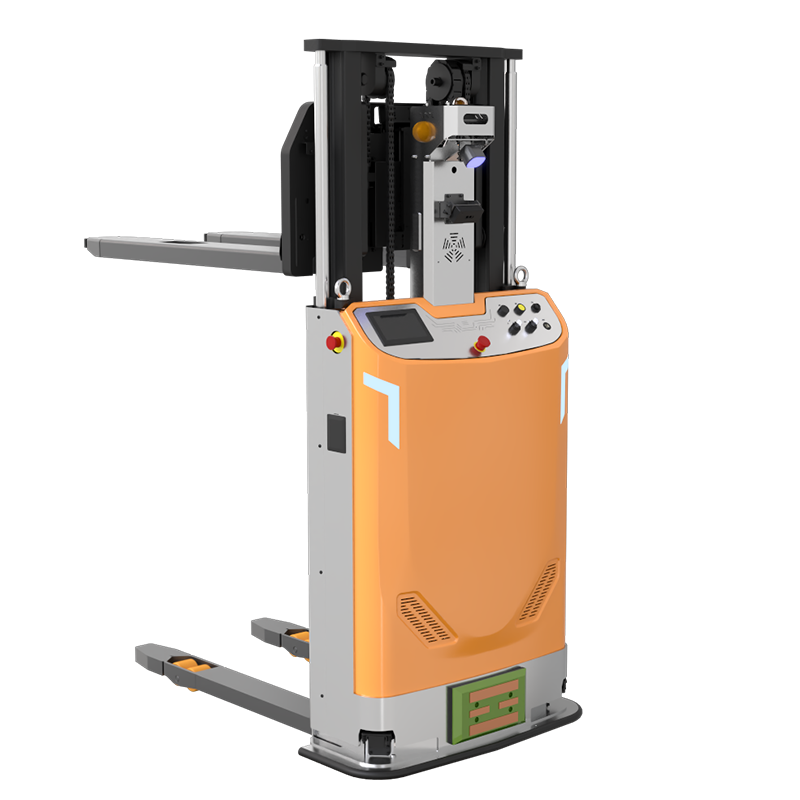
2T 1.6 M Slim Narrow-Body Stacker AGV Body for High-Density Storage High Lift Pallet Stacking AGV Maximize Warehouse Space
Recommended for high-density storage zones and retrofits where the stacker body must remain narrow while retaining stable high lift. A practical OEM platform for distributors that need a slim stacker with buyer-label branding.
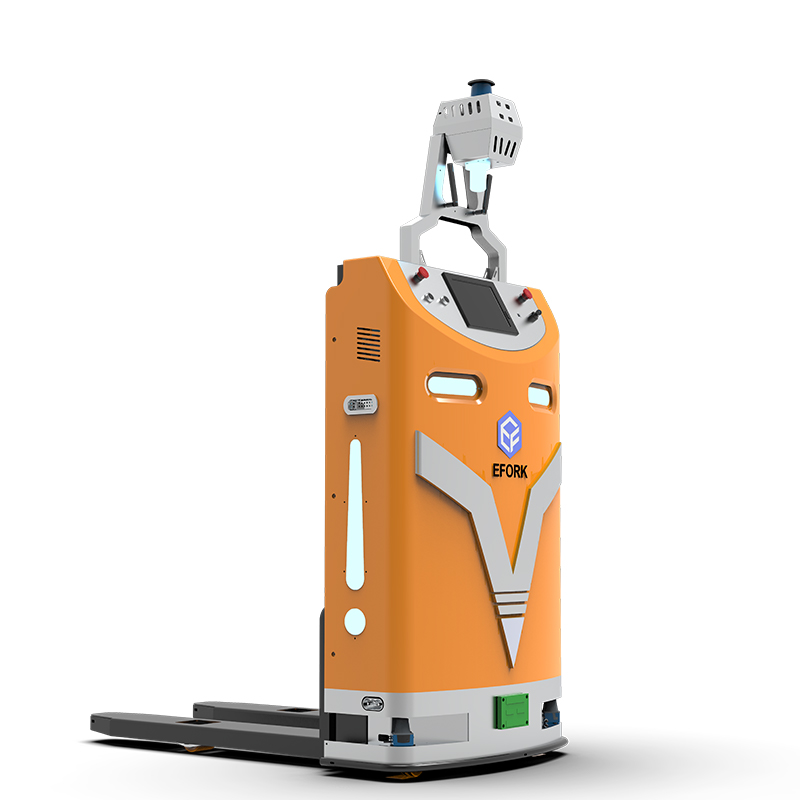
Latest Design Tech Slim Stacking AGV Forklift CE Certified 2T 3M 3D SLAM for Warehouse Automation Handling and Lifting Robot
Recommended for 3 m stacking, automated pallet handling and faster site deployment. 3D SLAM reduces dependence on reflectors and floor tape, which is especially useful for leased warehouses and layouts that change after installation.
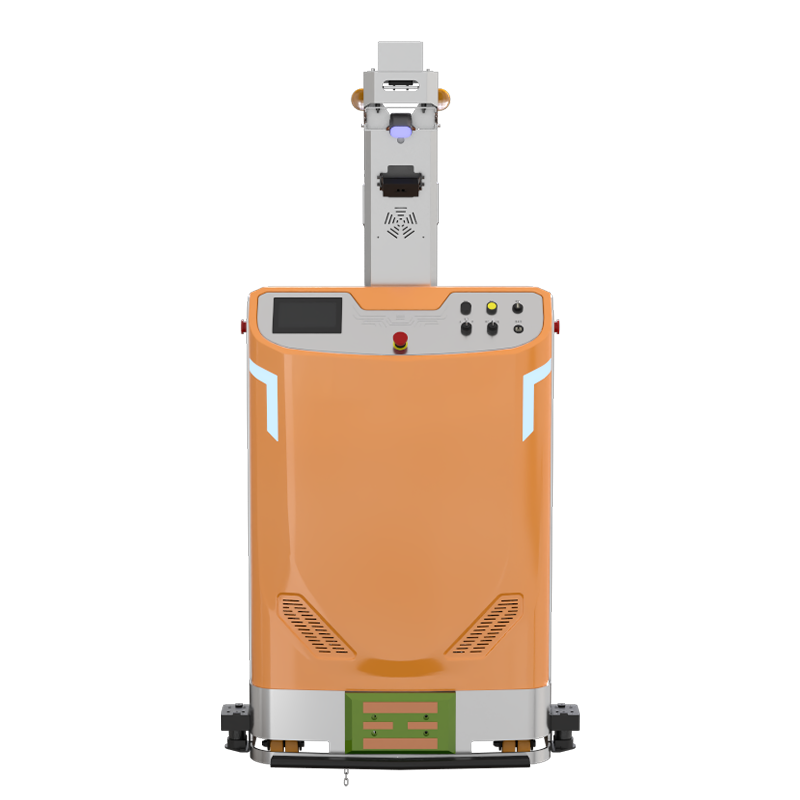
Material Handling AGV Body 2T with Narrow Body Compact Chassis for Efficient Production Line &Workshop Transport in Tight Space
For production-line replenishment, workshop transfer and tight-space transport. A narrow chassis is often more valuable than top speed when aisles are shared with people, manual forklifts and temporary pallet staging.
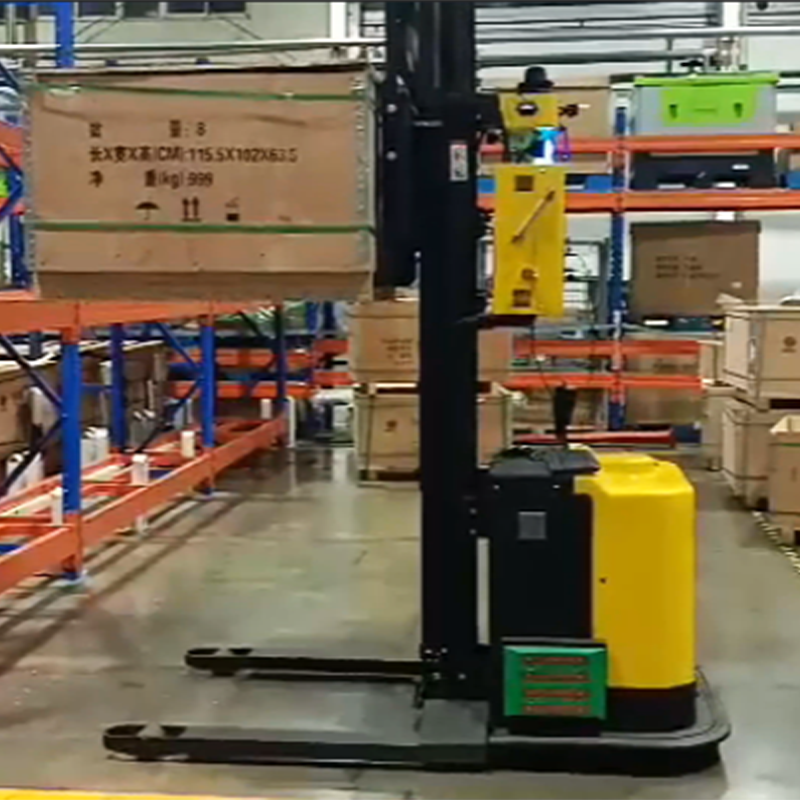
2T 3000MM Pallet AGV Forklift Automated Guided Vehicle 3D SLAM Navigation WIFI/5G Communication for Warehouse Automation Robot
Recommended for pallet-level warehouse automation, WIFI/5G fleet communication and 3 m lift tasks. Suitable for distribution centers that need a connected AGV forklift rather than an isolated mobile robot.
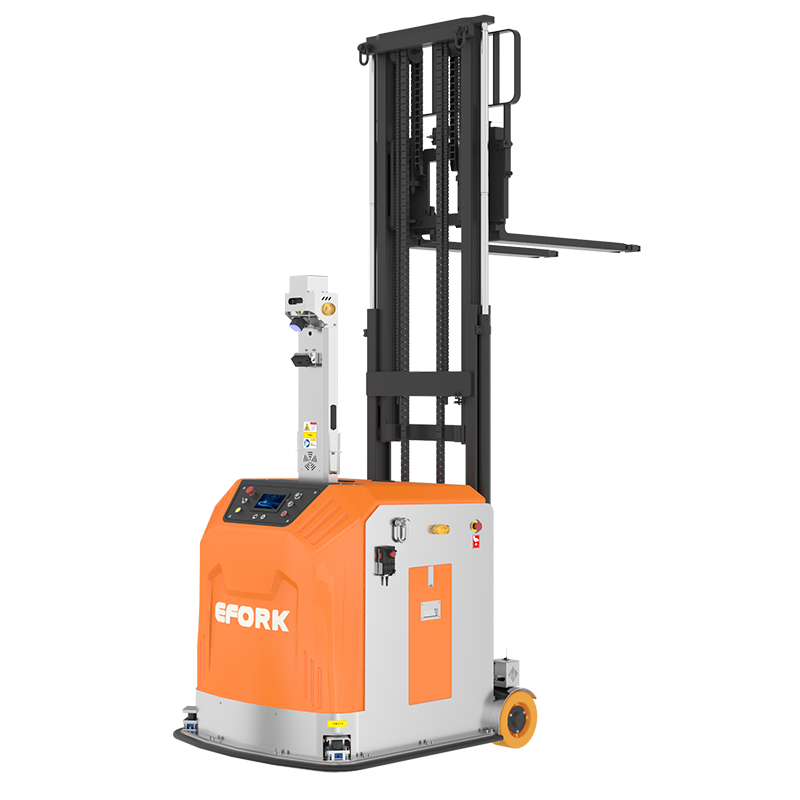
EFORK Heavy Duty Forklift AGV Counterbalanced Body 2T 3M Fork Legs High Flexibility 3D SLAM Navigation WIFI/5G for Pallet
For heavy-duty counterbalanced handling when front outriggers would interfere with closed-bottom pallets, cages or dock operations. The counterbalanced layout supports stable 2T handling and 3 m lifting in mixed traffic.
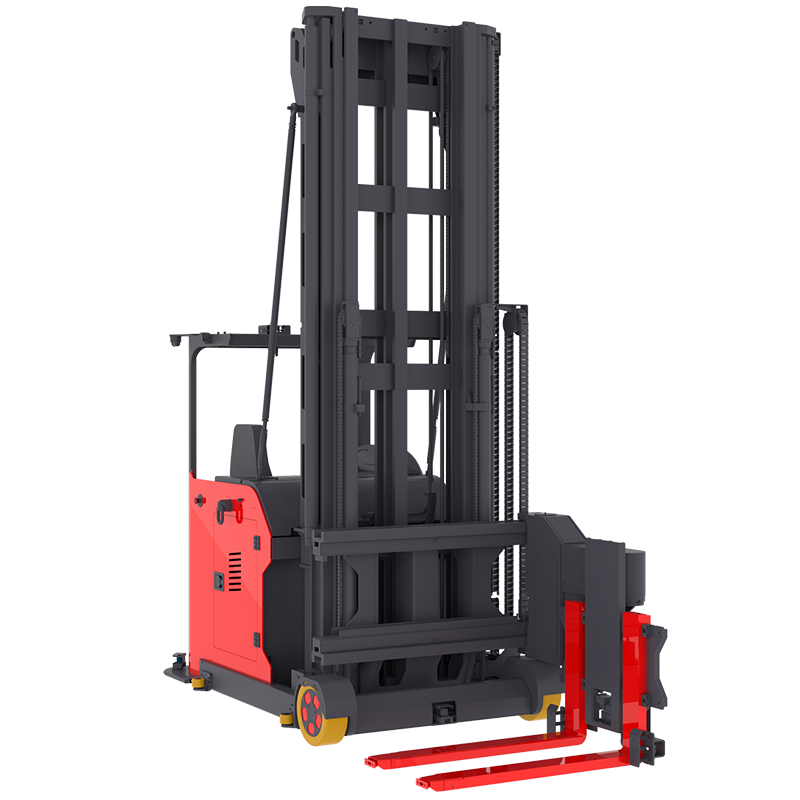
EFORK CDME16J-80S VNA Truck AGV Mobile Robot 1.6T 8M 3-way Forklift Laser Slam Narrow Aisle 1200mm Fork Length 125mm Fork Width
Recommended for high-bay narrow-aisle warehouses where storage density matters. The 8 m lift and 3-way fork allow left, right and forward picking; laser SLAM navigation suits repeatable VNA routes and disciplined rack interfaces.
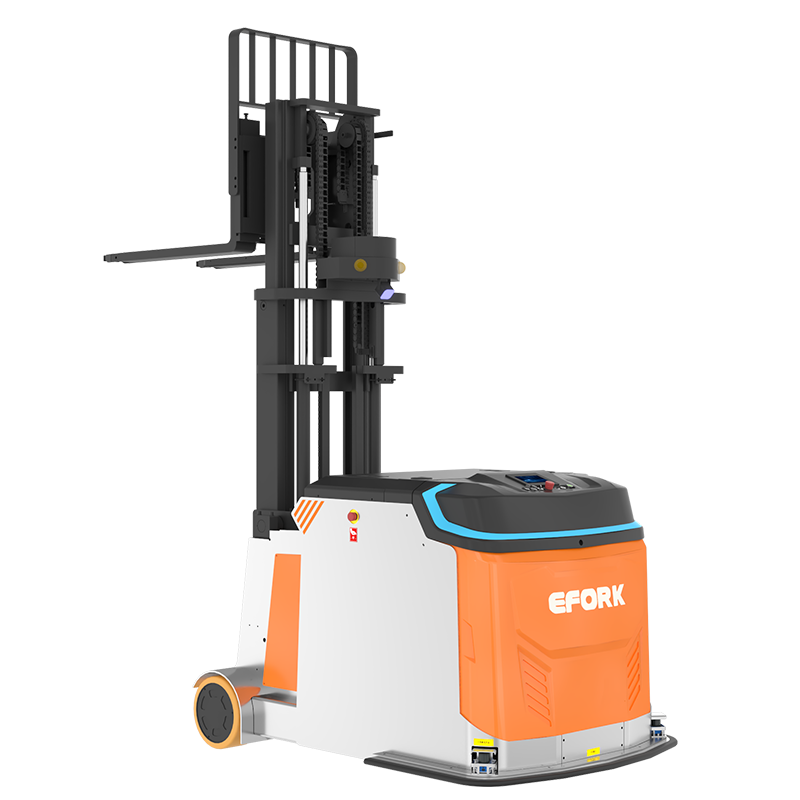
EFORK EDB30-30 Counterbalanced AGV Body 3M 3T High Lift Capacity Forklift Fork Legs High Flexibility 3D SLAM Navigation for Pallet Handling
For buyers who need a 3T counterbalanced AGV body for pallets, production logistics and heavy-duty warehouse transfer. 3D SLAM navigation and 3 m lift make it a strong fit for mixed indoor routes and trailer loading zones.
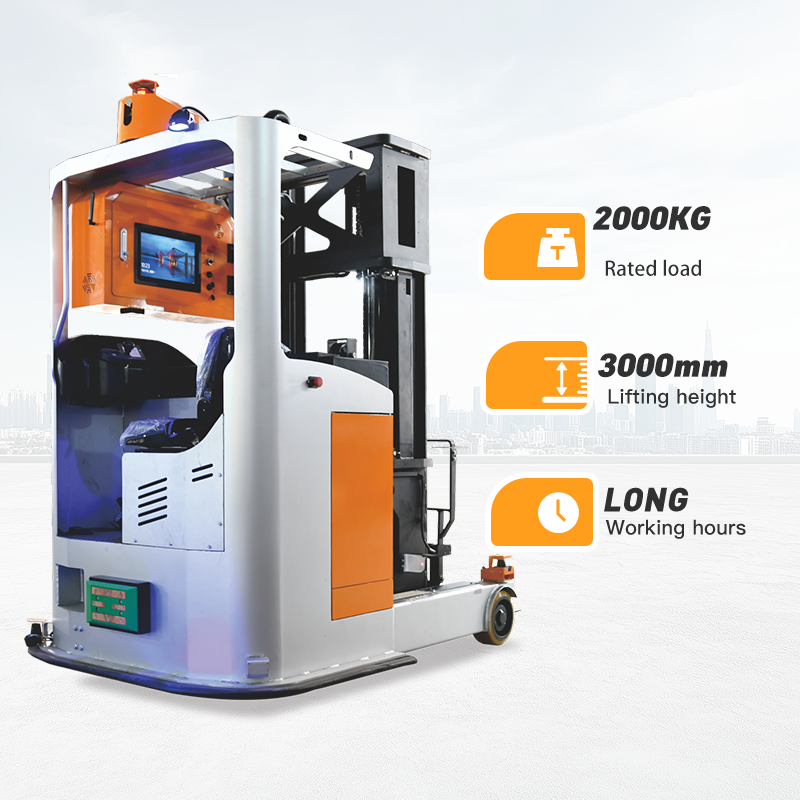
Reach Truck AGV Forklift 2T 3M Laser Slam Navigation CE Certified Warehouse Automation Robot for Factory Logistics
Recommended for selective racking and factory logistics where a reach truck layout saves aisle width compared with a counterbalanced truck. Laser SLAM and CE certification support disciplined safety and acceptance planning.
What Serious Buyers Now Expect from an AGV Forklift Exporter
An AGV forklift is no longer a niche automation purchase. Export buyers compare navigation stability, safety documentation, WMS integration, spare-parts strategy, battery discipline and supplier traceability before they compare price. For wholesalers and project contractors, the real question is not whether a supplier can list an automated forklift, but whether that supplier can defend the specification through tender review, customs clearance, installation and lifecycle support.
Total Staff
SGS onsite-verified organisation scale for project execution and production continuity.
Factory Floorspace
Manufacturing and assembly capacity for AGV forklifts, stacker cranes and shuttle systems.
Annual Revenue
Commercial stability for fleet orders, OEM programmes and multi-site automation projects.
Awarded Patents
Registered intellectual property supporting navigation, lifting and warehousing equipment design.
Engineering-Led Procurement
Buyers now send pallet drawings, rack layouts, aisle widths and throughput targets before asking for a quotation. Suppliers that cannot read site constraints become a project risk.
Compliance Is a Tender Gate
CE marking under 2006/42/EC, ISO 9001 and ISO 45001 documentation often decide whether an exporter can bid, clear customs smoothly or pass customer insurance review.
TCO Beats Sticker Price
Battery strategy, scanner quality, service response and spare-parts access drive total cost of ownership more than a narrow purchase-price difference.
Pilot-to-Fleet Expansion
MOQ 1 set allows a single-truck pilot before fleet rollout. The winning supplier is the one whose first unit can later join a mixed AGV, AS/RS and shuttle ecosystem.
Match the Eight Models to the Material Flow
Use this comparison as a first-pass engineering filter. It does not replace a site survey, but it helps procurement teams avoid buying a high-lift truck for a low-lift task, or a wide chassis where aisle width is the true constraint.
| Model Family | Load / Lift | Navigation | Best-Fit Application |
|---|---|---|---|
| 2T 1.6 m Slim Stacker AGV Body | 2T / 1.6 m | AGV body integration | High-density storage, narrow stacker retrofits and OEM labelling programmes. |
| 2T 3 m Slim Stacking AGV Forklift | 2T / 3 m | 3D SLAM | Pallet stacking, warehouse automation and faster deployment without dense reflector arrays. |
| Compact 2T Material Handling AGV | 2T / compact | AGV body integration | Production-line feeding, workshop transfer and tight-space movement inside factories. |
| 2T 3000 mm Pallet AGV Forklift | 2T / 3 m | 3D SLAM + WIFI/5G | Connected pallet handling, distribution centers and warehouse automation robot fleets. |
| EFORK 2T Counterbalanced AGV | 2T / 3 m | 3D SLAM + WIFI/5G | Closed-bottom pallets, cages, dock handling and operations where outriggers interfere. |
| EFORK 1.6T 8 m VNA AGV | 1.6T / 8 m | Laser SLAM | Very narrow aisle racking, high-bay pallet storage and dense warehouse layouts. |
| EFORK 3T Counterbalanced AGV | 3T / 3 m | 3D SLAM | Heavy-duty pallet transfer, production logistics and mixed indoor transport routes. |
| 2T 3 m Reach Truck AGV | 2T / 3 m | Laser SLAM | Selective racking, factory logistics and aisle-sensitive warehousing with CE requirements. |
Product Procurement Trends Shaping OEM/ODM AGV Forklift Programmes
The buying conversation is moving from “Which model is cheapest?” to “Which supplier can prove the specification, support the first pilot and keep the fleet running for a decade?” These trends are already visible in tenders and distributor discussions across Southeast Asia, South America, Eastern Europe, South Asia and North America.
TCO-Led Purchasing
Procurement teams are scoring energy use, tyre and wheel wear, scanner reliability, service labour and spare-parts lead time alongside the initial quotation. A lower purchase price can lose to a clearer lifecycle cost model.
Pilot Before Fleet
MOQ 1 set is becoming a commercial advantage. Buyers prefer to validate routes, cycle times and safety zones with one machine before releasing a multi-unit order across sites.
Mixed Fleets and Open Interfaces
AGV forklifts no longer stand alone. Buyers ask how the fleet communicates with WMS, ERP, conveyors, lifts and AS/RS equipment. Interface clarity during quotation saves weeks during commissioning.
Compliance-First Sourcing
CE documentation, risk assessment, safety-scanner configuration and traceable factory inspection are increasingly requested before a purchase order is issued, not after shipment.
OEM/ODM Brand Localisation
Distributors want buyer-label production, local documentation, custom fork dimensions and regional service kits. The exporter becomes a manufacturing partner, not only a catalogue source.
Service Continuity
Remote diagnostics, spare-parts lists, training videos and commissioning support are now evaluated as part of supplier capability. A machine that stops without support is not a low-cost machine.
What the Next Generation of AGV Forklifts Must Deliver
The technology roadmap is being driven by real warehouse pain points: labour turnover, high-bay density, mixed traffic, energy cost, integration complexity and audit-ready safety. A modern AGV forklift platform must solve these issues together, not as isolated features.
3D SLAM as the Default Option
Natural-feature localisation reduces reflector and floor-tape dependencies. For leased buildings, changing rack layouts and multi-shift operations, 3D SLAM is becoming the more flexible navigation choice.
Narrow Aisle, Higher Lift
VNA AGVs with 3-way forks and laser SLAM are pushing storage density upward. The engineering challenge is not only lift height, but mast stiffness, rack tolerance and safe travel at height.
Battery and Charging Strategy
Opportunity charging, lithium battery options and charging-window planning affect fleet size. Buyers increasingly ask for energy data because a smaller battery package can become a hidden throughput constraint.
WIFI/5G Fleet Orchestration
Traffic management, mission dispatch and WMS handshakes require stable communication. WIFI/5G communication supports real-time fleet control as AGV forklifts scale from a pilot to a mixed equipment fleet.
Safety Validation and CE
Safety scanners, bumpers, warning lights, speed zones and emergency-stop logic must be documented. CE marking under 2006/42/EC is not a sticker; it is a design and validation process.
Modular AGV Bodies
OEM/ODM buyers benefit from modular bodies that can accept different forks, masts, sensors and batteries. Modularity shortens customisation cycles and supports cold-storage or buyer-label variants.
Why Anhui Nexrik Is a Defensible OEM/ODM Partner
Anhui Nexrik Intelligent Technology Co., Ltd. manufactures and integrates AGV forklifts, AS/RS stacker cranes, four-way shuttles and intelligent warehousing equipment from Hefei, Anhui. The company operates as a manufacturer and trading partner for export projects, with SGS onsite verification, CE documentation and a broad equipment range that supports one-stop procurement.
Verified Manufacturing Scale
1,152 staff, 66,650 m² of factory floorspace and $100M+ annual revenue provide capacity for fleet orders, OEM programmes and multi-category warehousing projects.
One-Stop Equipment Range
AGV forklifts, VNA AGVs, reach truck AGVs, AS/RS stacker cranes, mini-load systems and four-way shuttles can be engineered as one WMS-ready system.
OEM/ODM Customisation
Full customisation, buyer-label production and engineering adjustments can cover load capacity, lift height, fork dimensions, battery configuration and cold-storage variants. MOQ starts at 1 set.
Compliance Documentation
CE marking under the Machinery Directive 2006/42/EC, ISO 9001, ISO 45001, 7 awarded patents and SGS onsite verification support tender, customs and importer requirements.
Export Transaction Capability
Accepted trade terms include FOB, CFR, CIF, EXW, FAS, CIP and DDP. Payment methods include L/C, D/P, D/A, MoneyGram, credit card and Western Union in USD, EUR or CNY.
Lifecycle Support Orientation
Remote diagnostics, spare-parts planning, commissioning support and operator training are part of the project conversation because AGV forklift value depends on uptime, not delivery alone.
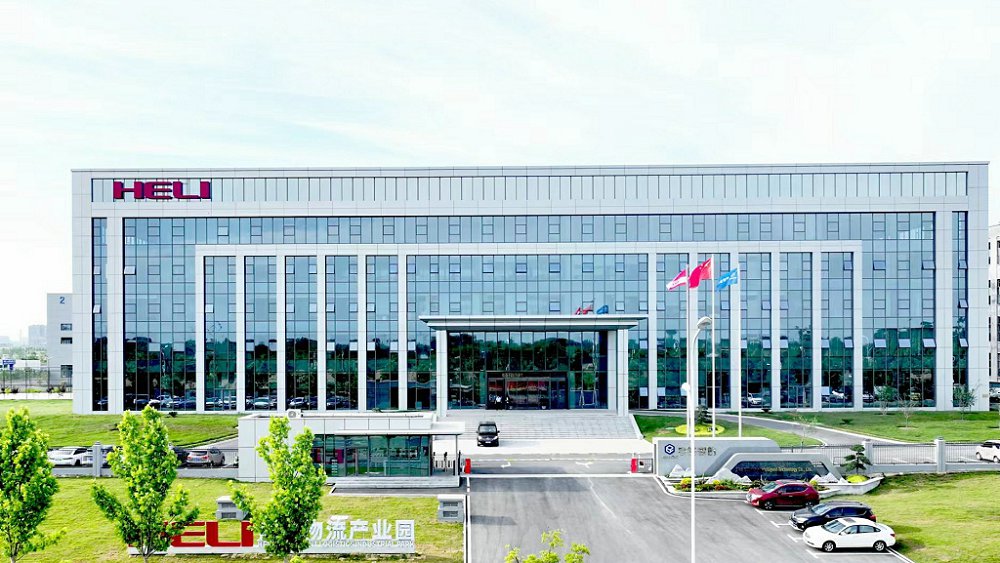
Manufacturing base in Hefei, Anhui — production and integration for AGV forklifts and intelligent warehousing equipment.

Assembly, inspection and project preparation — supporting OEM/ODM production and export documentation requirements.
Common Questions from AGV Forklift Wholesalers
These are the questions that most often determine whether an enquiry becomes a technical review, a sample order or a fleet programme. Clear answers at this stage reduce quotation cycles and protect project schedules.
What is the minimum order quantity for OEM/ODM AGV forklifts?
Which navigation technologies are available?
Can the AGV forklift be customised for our racks and pallets?
What certifications and supplier verification are available?
Can the equipment integrate with our existing WMS or ERP?
What trade and payment terms are accepted?
The Site-Readiness Checklist Most AGV Catalogues Omit
A specification sheet can show load and lift height while hiding the constraints that decide whether an AGV forklift actually works. These four checks are where experienced buyers gain the most advantage during technical evaluation.
Aisle Width and Mast Geometry
Confirm right-angle stacking aisle, mast collapsed height, fork length and load centre. A model that fits the rack height may still fail if the mast cannot clear the aisle turn or the rack beam.
Load Centre and Pallet Quality
Rated capacity assumes a stated load centre. Damaged pallets, overhanging loads and non-standard cages can reduce effective capacity and increase the risk of load shift during travel or lifting.
Floor, Rack and Wi-Fi Readiness
Floor flatness, rack plumbness, traffic markings, Wi-Fi coverage and charging-room access are project inputs, not afterthoughts. Navigation performance is directly affected by the physical environment.
WMS Handshake and Acceptance
Define mission creation, error handling, manual override, safety validation and acceptance criteria before purchase. A clear FAT and SAT checklist is one of the strongest protections against commissioning delays.
From RFQ to Acceptance: A Practical Procurement Path
A disciplined process protects both the buyer and the project schedule. The goal is to convert an equipment enquiry into a verifiable operating system with defined responsibilities, test criteria and expansion logic.
RFQ Data Pack
Share rack drawings, pallet specifications, aisle widths, throughput targets, shift patterns, charging windows and existing WMS architecture. Missing data is the main cause of quotation rework.
Simulation and Selection
Compare 3D SLAM, laser SLAM, stacker, reach truck, counterbalanced and VNA options against the real flow. Fleet size should be based on peak demand, not average demand.
Factory Acceptance
Agree inspection points, safety checks, navigation tests and documentation before shipment. For OEM/ODM orders, also confirm label, manual and spare-parts requirements.
Site Acceptance and Ramp-Up
Validate WMS handshakes, traffic rules, safety zones and operator training on site. A structured ramp-up protects cycle-time targets and reveals expansion needs early.
Build a Defensible AGV Forklift Supply Programme
Send your pallet specification, rack layout, aisle width and throughput target. The Nexrik engineering and export team can help shortlist OEM/ODM AGV forklift models, prepare CE documentation requirements and define a practical pilot-to-fleet procurement path.