Custom OEM Pallet Truck AGV Configurations for 2026 Projects
These eight platforms cover counterbalanced, reach, multi-directional, omni-directional, compact-chassis and high-lift pallet truck AGV applications. Product images are displayed in full; every model can be engineered with your load center, fork dimensions, lift height, battery strategy, language HMI and safety-scanner layout.
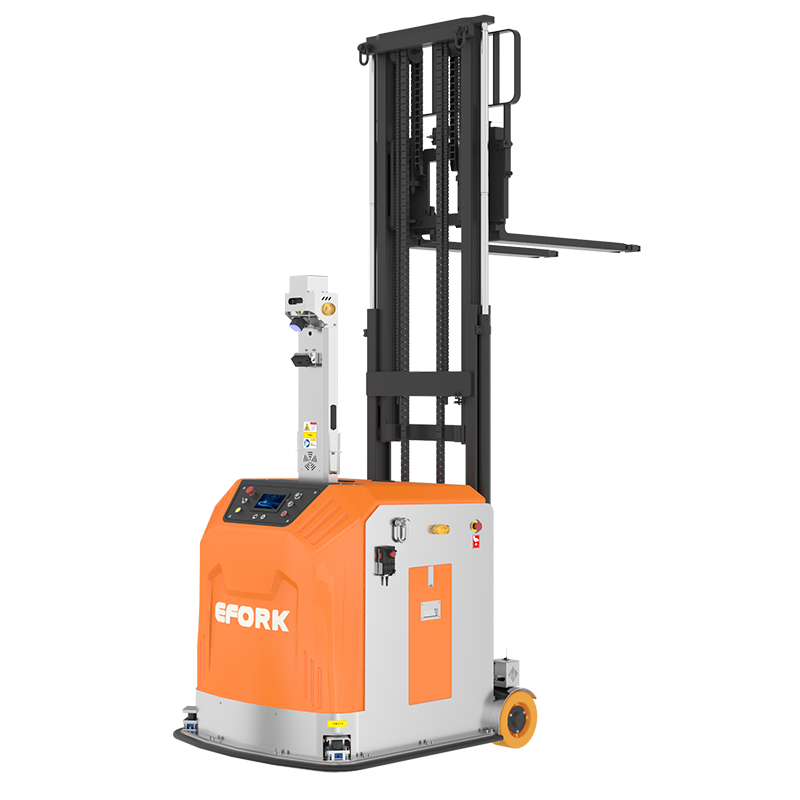
EFORK Heavy Duty Forklift AGV Counterbalanced Body 2T 3M Fork Legs High Flexibility 3D SLAM Navigation WIFI/5G for Pallet
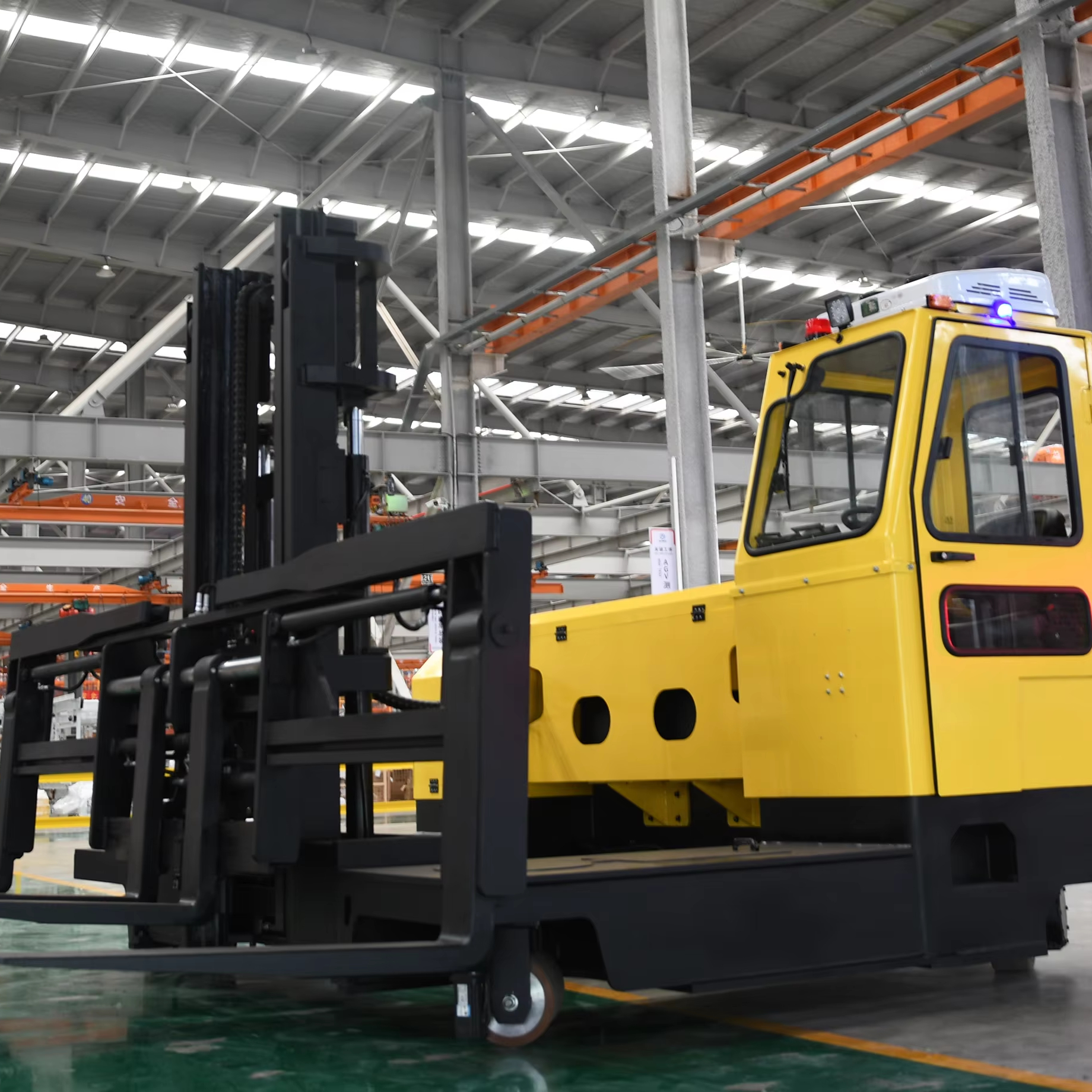
Multi-directional Forklift Reach Truck Stacker 3.5 Ton 5Ton Full Way Eclectic Side Loader Forklift With Wide Body Seat
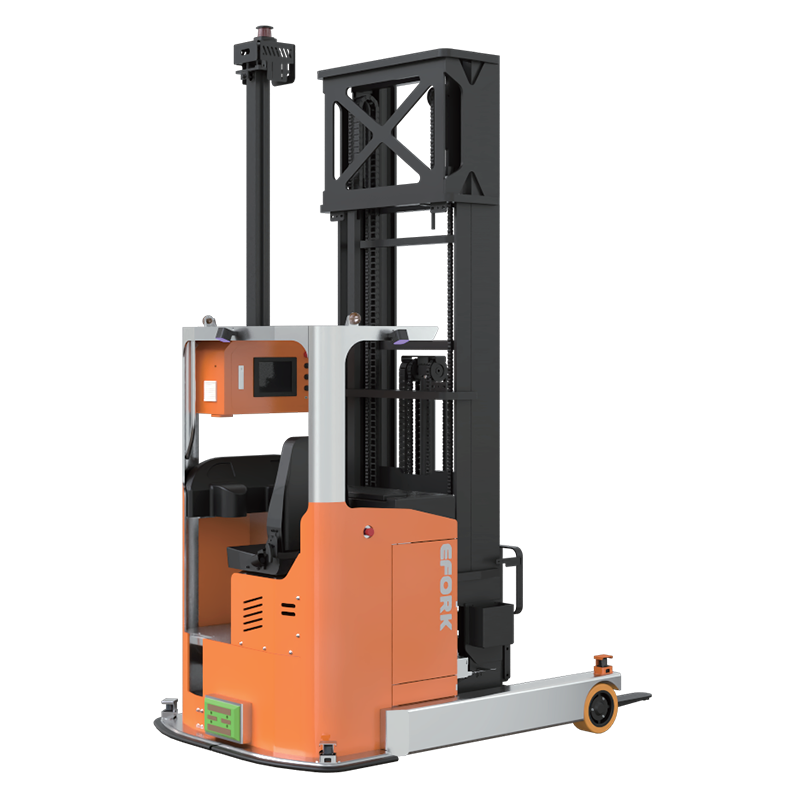
4.5M Reach Truck AGV Body 2T for Pallet Handling High Lifting Smart Warehouse Logistics Robot Laser Slam Navigation CE Certified
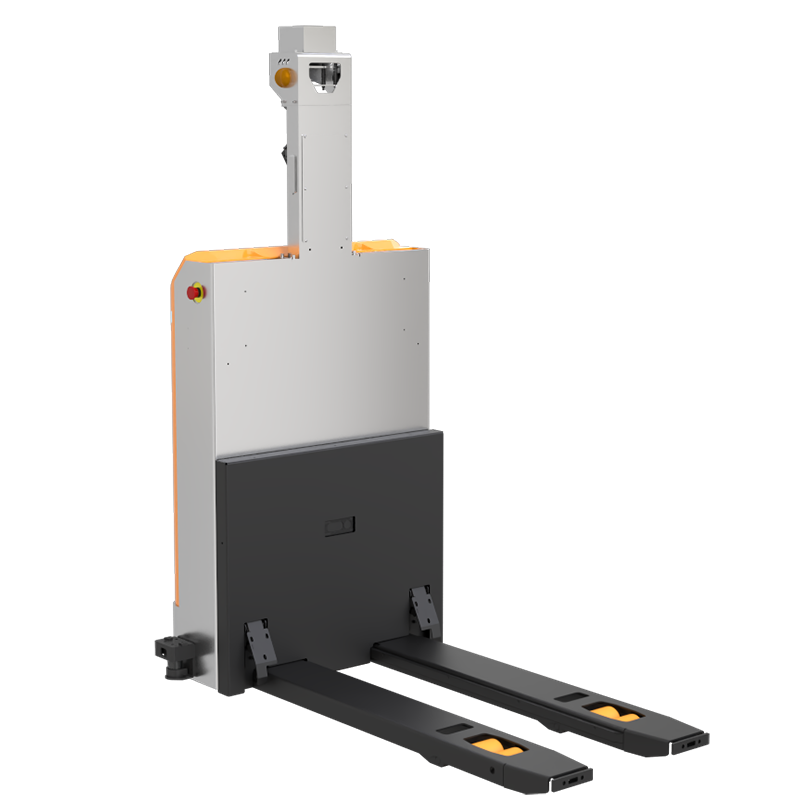
T 2.5M Omni-directional AGV Body 1 3D SLAM Navigation 1000kg Load Capacity Flexible Movement Zero Turning Radius for
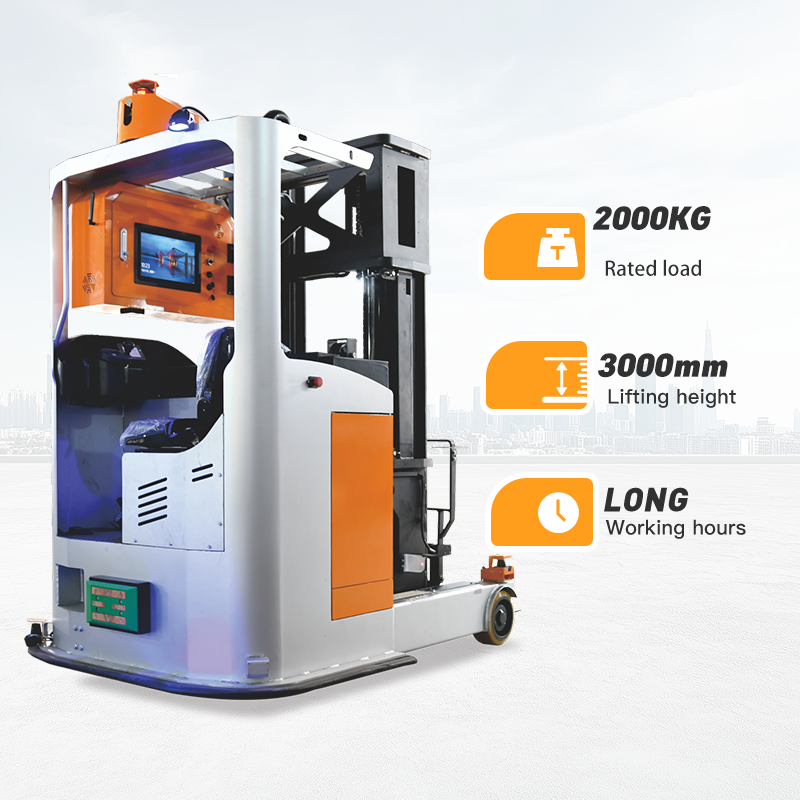
Reach Truck AGV Forklift 2T 3M Laser Slam Navigation CE Certified Warehouse Automation Robot for Factory Logistics
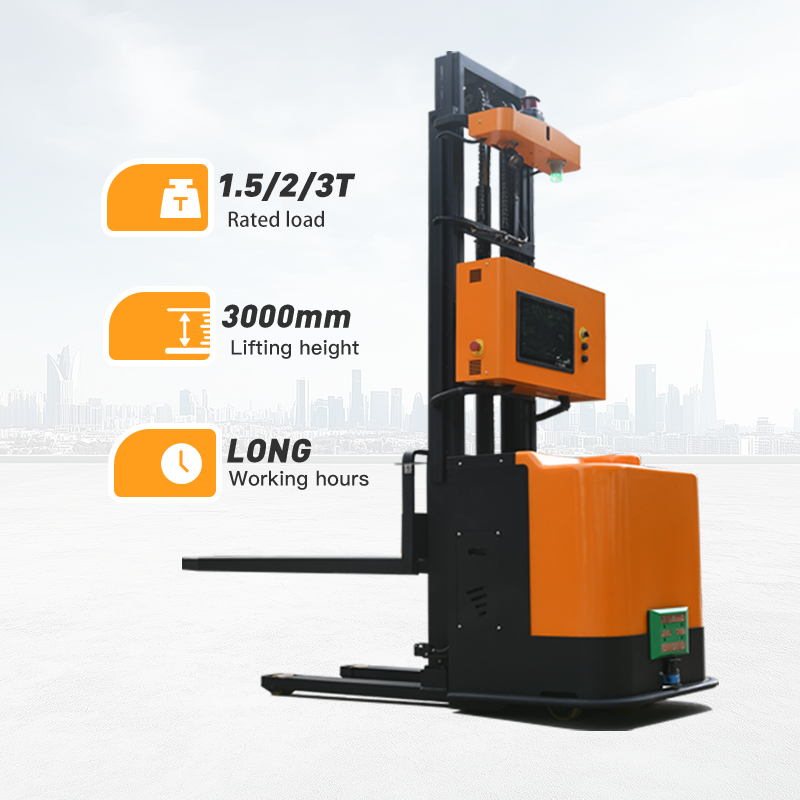
3T 3000mm Pallet Stacker Automated Guided Vehicle Forklift Truck for Intelligent Warehouse Automation
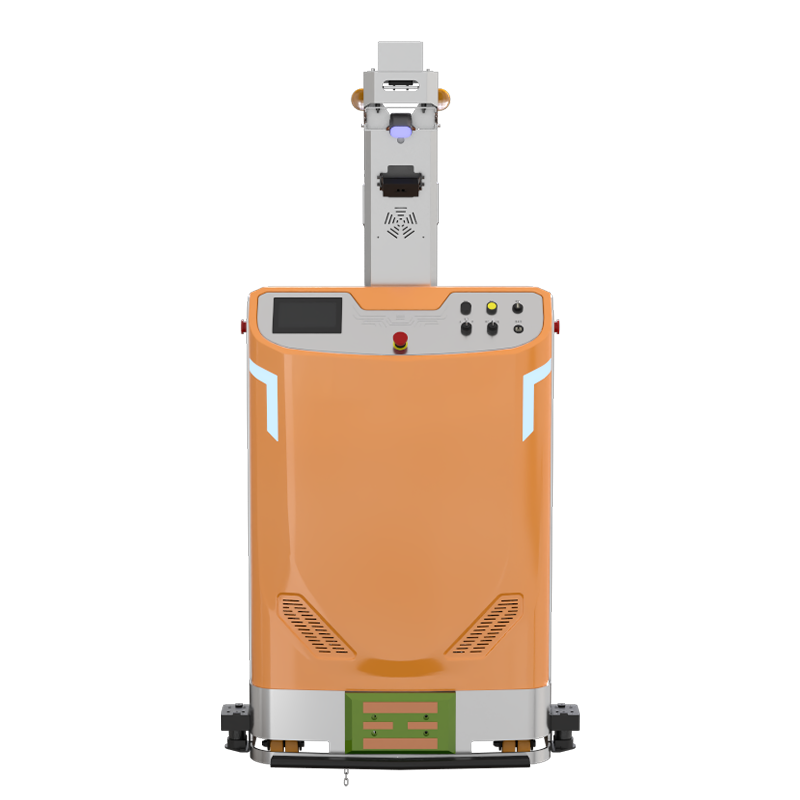
Material Handling AGV Body 2T with Narrow Body Compact Chassis for Efficient Production Line & Workshop Transport in Tight Space
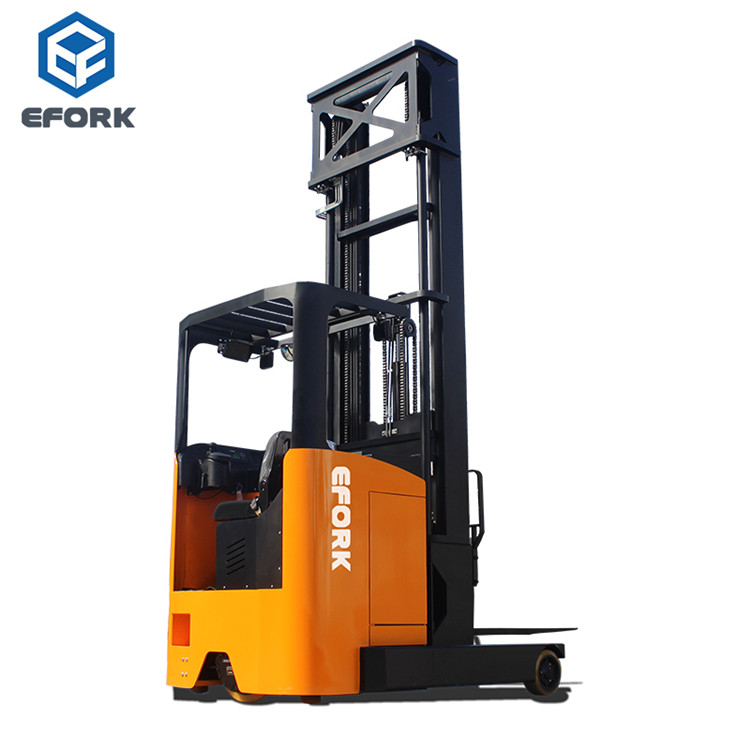
CQDE China Wholesale 2000kg 12m 8m 6m Industrial Forklift Pallet Truck Good Price
Why Pallet Truck AGV Procurement Is Being Re-Scored in 2026
Buyers are no longer comparing only the unit price of a driverless pallet truck. They are comparing uptime, safety evidence, WMS/WCS integration effort, spare-parts strategy, local service response and the total cost of a multi-year automation roadmap.
Pilot-to-Fleet Buying
MOQ 1 set matters because procurement teams want to validate routes, cycle times and operator acceptance before committing to a fleet. A custom OEM pallet truck AGV supplier must support phased scale-up, not just one-off shipment.
TCO Over Lowest Price
Battery strategy, charging windows, safety-scanner coverage, tire life, preventive maintenance and WMS integration hours often outweigh a five-figure price difference over a five-year operating life.
WMS-Ready Integration
Automated guided vehicles are now evaluated as nodes in a warehouse control system. Interface documentation, task allocation logic and exception handling must be reviewed during the RFQ—not after the purchase order.
Compliance Dossier
CE marking under 2006/42/EC, ISO 9001 and ISO 45001 are not decorative logos. They are evidence that safety, quality and occupational health processes are documented and auditable by importers and end users.
A practical buyer scorecard for custom OEM pallet truck AGV tenders. Use it to compare suppliers on the same weighted basis rather than on headline load capacity alone.
What a Genuine Custom OEM Pallet Truck AGV Must Document
“Custom” should mean engineering accountability. A credible OEM/ODM pallet truck AGV manufacturer should provide traceable decisions for load, navigation, safety, power and software integration before production begins.
Load & Load Center
Rated capacity is meaningful only with the load center, fork length, mast configuration and attachment defined. Custom projects should verify the pallet stack, rack beam spacing and floor flatness against the truck’s stability envelope.
Navigation Strategy
Laser navigation suits highly repeatable fixed routes, while 3D SLAM localizes from natural building features and can reduce reflector or floor-tape work. The right choice depends on aisle geometry, change frequency and building constraints.
Safety Validation
Safety scanners, bumpers, emergency stops, speed limits and traffic rules must be documented for CE compliance and operator training. Ask for the risk-assessment approach, not only a certificate image.
Battery & Charging
Shift patterns determine whether opportunity charging, battery swapping or a larger pack is more economical. Voltage, charger placement, fire protection and energy reporting should be designed with the fleet size.
WMS / WCS Interface
A clear interface specification should define task allocation, queue logic, error codes, manual intervention and reporting. This is where many low-cost AGV projects fail after installation.
Serviceability & Training
Remote diagnostics, spare-parts lists, maintenance intervals and operator training determine lifecycle cost. A supplier should explain how your team will clear faults and expand the fleet without redesigning the site.
- Pallet type, weight, load center and stack height
- Rack drawings, aisle width, floor flatness and dock interfaces
- Throughput target, shift pattern and peak-hour profile
- WMS/ERP interface, barcode/QR strategy and traffic rules
- Safety-scanner zones, pedestrian crossings and blind corners
- Battery strategy, charging location and future fleet expansion
Recommended Configurations by Warehouse Workflow
The most expensive mistake in pallet truck AGV procurement is selecting a truck before defining the workflow. Use this matrix to shortlist the platform, then confirm the final specification through engineering review.
| Workflow Challenge | Recommended Platform | Why It Fits | RFQ Detail to Confirm |
|---|---|---|---|
| High-bay narrow aisle storage | 3-way VNA AGV / multi-directional reach truck | Rotating fork movement supports left, right and forward handling without turning the whole truck, improving aisle density and high-lift access. | Rack height, aisle width, load center, mast lift height and 3D SLAM mapping tolerance. |
| Dense pallet warehouse with high storage utilization | AS/RS stacker crane plus four-way shuttle | Rail-guided cranes and shuttles deliver high-bay density and WMS-controlled pallet retrieval for large-scale distribution. | Building height, WMS/WCS interface, fire strategy and pallet quality consistency. |
| Closed-bottom pallets, cages and trailer docks | Counterbalanced AGV forklift | No front outriggers are required, so the truck can handle many pallet types and mixed production-line interfaces. | Attachment type, gradeability, dock level and pedestrian safety zones. |
| Fast pilot at low-to-mid racking height | Pallet stacker AGV | A cost-effective entry into driverless pallet handling for line-side delivery, floor-to-rack transfer and staging. | Lift height, fork length, pallet condition and charging-window availability. |
| Tight production cells and zero-radius turning | Compact or omni-directional AGV body | Flexible movement and compact chassis reduce the space required for maneuvering in existing workshops. | Floor markings, machine clearance, traffic simulation and material presentation height. |
| Cold-chain or frozen-storage automation | Frozen-storage AS/RS stacker crane and cold-duty AGV configuration | Specialized components, lubricants, batteries and safety logic are required for reliable low-temperature operation. | Temperature range, defrost cycles, battery behavior, condensation control and service access. |
Final capacity and lift height depend on the actual load center, building constraints and safety assessment. Confirm every value in the engineering proposal before ordering.
What the Next Pallet Truck AGV Fleet Will Look Like
Automation buyers should plan for interoperability, software lifecycle and mixed fleets. A pallet truck AGV purchased in isolation can become an expensive island within three years.
3D SLAM + Semantic Mapping
Natural-feature localization is reducing site preparation. Future AGVs will use richer semantic maps to distinguish walkways, staging zones and high-traffic intersections.
AI Fleet Orchestration
Traffic optimization will move from static rules toward AI scheduling that responds to congestion, charger availability and order priority in real time.
AS/RS Convergence
AGVs, stacker cranes and four-way shuttles will be procured as one integrated storage and retrieval architecture, not as disconnected equipment categories.
Battery Economics
Lithium batteries, opportunity charging and swap systems will be selected by shift model and energy tariff, not as a fixed default.
Cold-Chain & Special Variants
Frozen storage, cleanroom and regulated environments will demand documented component selections, service procedures and safety validation.
Cybersecurity & OTA Lifecycle
Fleet software updates, access control and network segmentation will become normal procurement criteria alongside mechanical reliability.
Why Anhui Nexrik Is Shortlisted for Custom OEM Projects
Anhui Nexrik Intelligent Technology Co., Ltd. is a high-tech manufacturer specializing in the R&D, production and integration of intelligent warehousing equipment, including AGV forklifts, AS/RS stacker cranes, four-way shuttles and RGVs.
Manufacturing Scale You Can Verify
Our plants are located in the Huagang Town Industrial Park, Feixi County, Hefei, a recognized hub for China’s forklift industry. With 1,152 employees, 66,650 m² of factory floorspace and more than USD 100 million in annual revenue, we support both pilot orders and fleet-scale programs.
Our engineers begin with your pallet types, rack drawings and throughput targets, then simulate traffic before any truck is built. That is why buyers in Southeast Asia, South America, Eastern Europe, South Asia and North America trust us with turnkey automation projects.
- Business type: Manufacturer & Trading, with OEM, ODM and buyer-label production.
- Quality and compliance: ISO 9001, ISO 45001, CE marking under 2006/42/EC, 7 awarded patents and SGS onsite verification.
- One-stop scope: AGV forklifts, pallet truck AGVs, VNA platforms, AS/RS stacker cranes, four-way shuttles and RGVs.
- Global trade: FOB, CFR, CIF, EXW, FAS, CIP and DDP terms; payment via L/C, D/P, D/A, credit card, MoneyGram or Western Union in USD, EUR or CNY.



In-House Manufacturing
Chassis, masts and control integration are built and tested on our own lines, with onsite material and finished-product inspection before shipment.
Laser & 3D SLAM
Choose reflector-based laser navigation for fixed routes or 3D SLAM for natural-feature localization that reduces floor and rack modifications.
One-Stop Turnkey
AGVs, stacker cranes, four-way shuttles and RGVs from a single source, engineered as one WMS-ready system rather than stitched together.
Proven Compliance
CE marking under 2006/42/EC, ISO 9001 and ISO 45001 systems, and SGS onsite verification support smooth customs clearance in regulated markets.
From RFQ to Go-Live: A De-Risked Six-Stage Process
A structured workflow protects both first-time buyers and multi-site teams from hidden integration costs.
Site Data Review
Rack layout, pallet specification, floor flatness, throughput, shift pattern and WMS environment are reviewed before equipment selection.
Solution Design
Equipment mix, fleet sizing, charging strategy, safety zones and traffic simulation are aligned with peak demand.
Custom Engineering
Load center, fork dimensions, lift height, battery, HMI language, safety scanners and OEM branding are specified.
Manufacturing & FAT
Production is followed by onsite material and finished-product inspection, with factory acceptance testing before shipment.
Commissioning
Mapping, WMS interface testing, safety validation, route tuning and operator training are completed on site.
Lifecycle Support
Remote diagnostics, spare-parts planning and fleet-expansion reviews support long-term uptime and repeatable rollout.
Questions Buyers Ask First
Direct answers for procurement teams comparing custom OEM pallet truck AGV manufacturers and suppliers.
What is the minimum order quantity for Nexrik pallet truck AGVs?
The MOQ for every AGV forklift, pallet stacker, stacker crane and four-way shuttle model is 1 set. Many customers start with a single-truck pilot to validate routes, cycle times and operator acceptance before scaling to a full fleet.
Can you customize load capacity, lift height, forks and battery configuration?
Yes. Nexrik provides full customization, OEM, ODM and buyer-label production, including load capacity, lift height, fork configuration, battery strategy and cold-storage variants. Final engineering depends on load center, rack drawings and safety assessment.
Which navigation technologies are available?
We offer laser navigation and 3D SLAM navigation. 3D SLAM localizes using natural features of the warehouse and typically reduces the need for reflectors or floor tape, shortening site preparation. Laser navigation remains a strong option for highly repetitive fixed routes.
Which certifications and verification evidence do you hold?
Nexrik holds ISO 9001 and ISO 45001 management system certification, CE marking under the Machinery Directive 2006/42/EC for its AGV range, 7 awarded patents and one registered trademark. Our premises and legal status have been verified onsite by SGS Group.
Can the AGV integrate with our existing WMS or ERP?
Our AS/RS and four-way shuttle systems are designed WMS-ready, and AGV projects define interface requirements during solution design. Task allocation, error handling and reporting are tested during commissioning to avoid surprises after go-live.
What trade and payment terms are accepted?
Accepted delivery terms include FOB, CFR, CIF, EXW, FAS, CIP and DDP. Payment methods include L/C, D/P, D/A, MoneyGram, credit card and Western Union in USD, EUR or CNY. Currency and Incoterms are confirmed in the quotation.
Ready to Engineer Your Pallet Truck AGV Project?
Send us your pallet specification, rack drawing, throughput target and WMS environment. Our engineers will recommend the right platform, navigation strategy and fleet size for a custom OEM proposal.