Custom OEM Mobile Robot Exporter & Wholesaler
Nexrik supplies AGV forklifts, VNA trucks, autonomous pallet stackers, counterbalanced AGVs, AS/RS stacker cranes and four-way shuttles to distributors, system integrators and private-label buyers. Benefit from MOQ from 1 set, 1,152+ staff, 66,650 m² of production space, CE and ISO certification, and SGS onsite verification.
Eight Mobile Robot Platforms for OEM and Wholesale Programs
The eight models below are the fastest-moving platforms in our export catalogue. Each retains its original product URL and can be configured for load capacity, lift height, fork geometry, battery strategy and WIFI/5G communication. Wholesale buyers can start with one pilot set, validate cycle time and then scale into a mixed fleet.
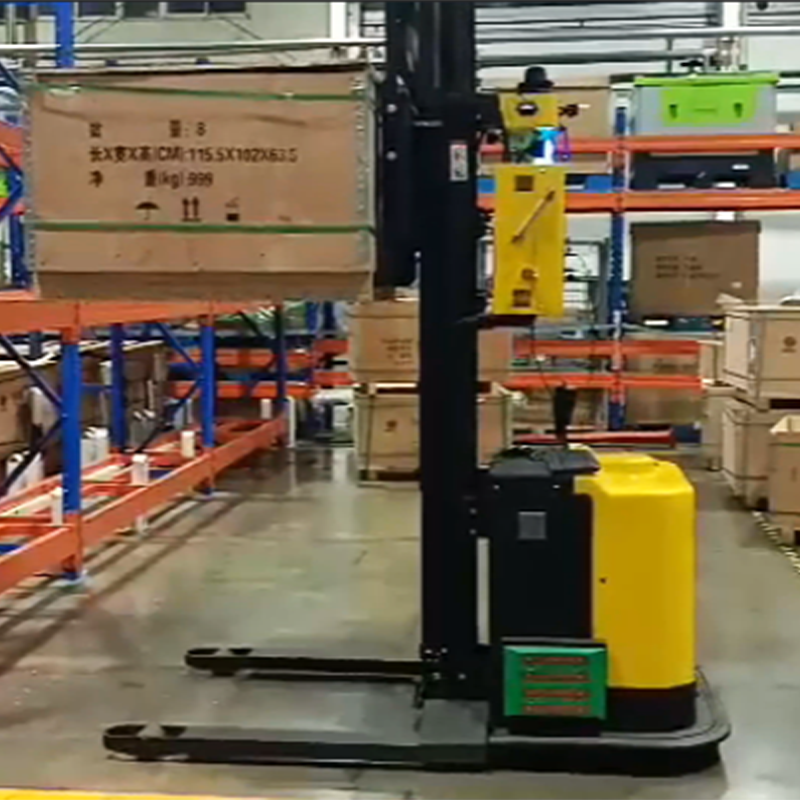 CE
3D SLAM
2T 3000MM Pallet AGV Forklift Automated Guided Vehicle 3D SLAM Navigation WIFI/5G Communication for Warehouse Automation Robot
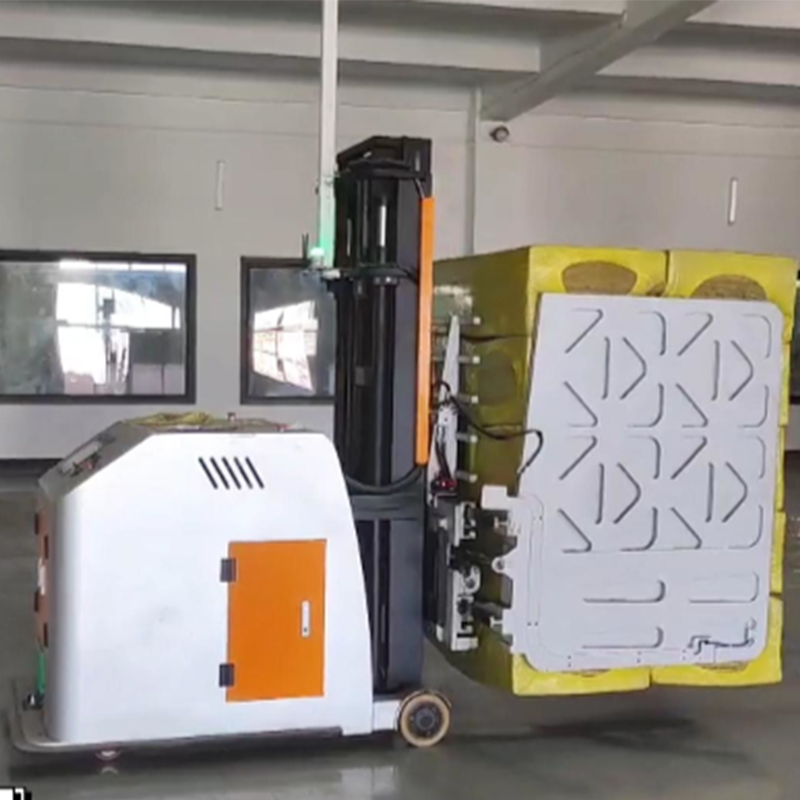 CE
3D SLAM
EFORK Automated Guided Vehicle AGV Forklift 3T 3000MM Counterbalanced 3D SLAM Construction Factory Logistics Pallet Truck
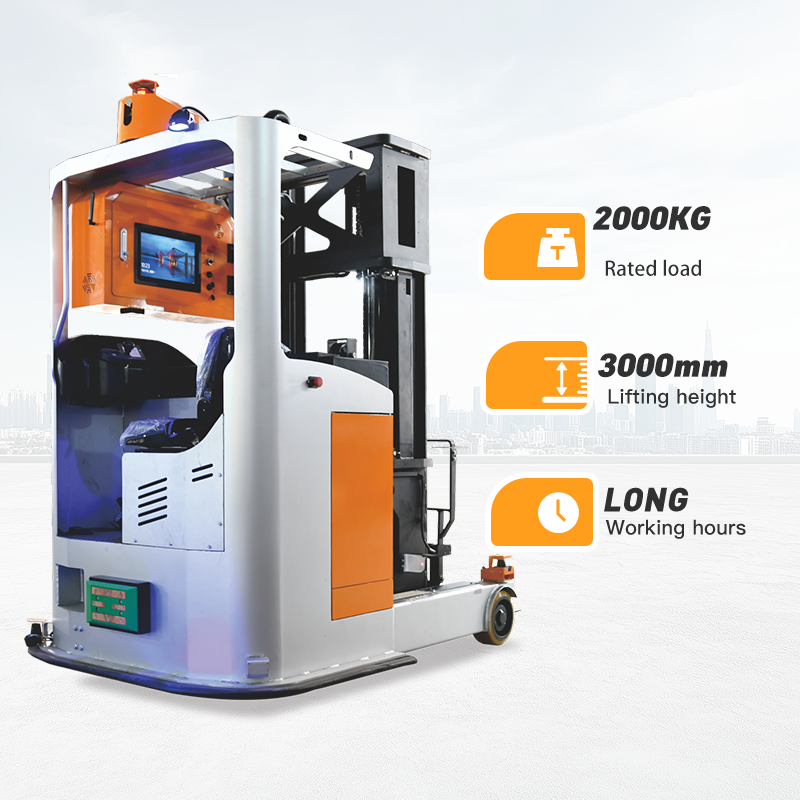 CE
LASER
Reach Truck AGV Forklift 2T 3M Laser Slam Navigation CE Certified Warehouse Automation Robot for Factory Logistics
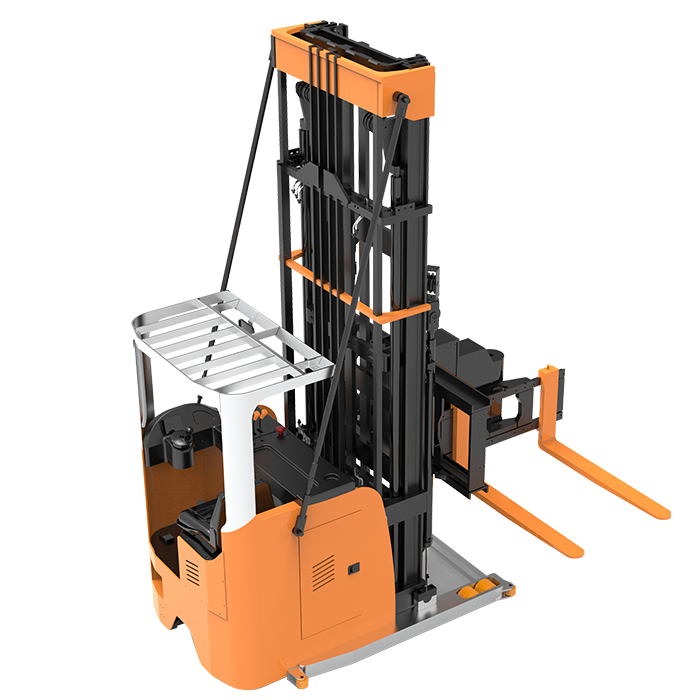 1600kg
VNA
Narrow Aisle 3 Way 1600kg 1.6 Tons1.5 Tons 3 Tons Certified Electric Forklift Forklift Three Stage Mast
 CE
LASER
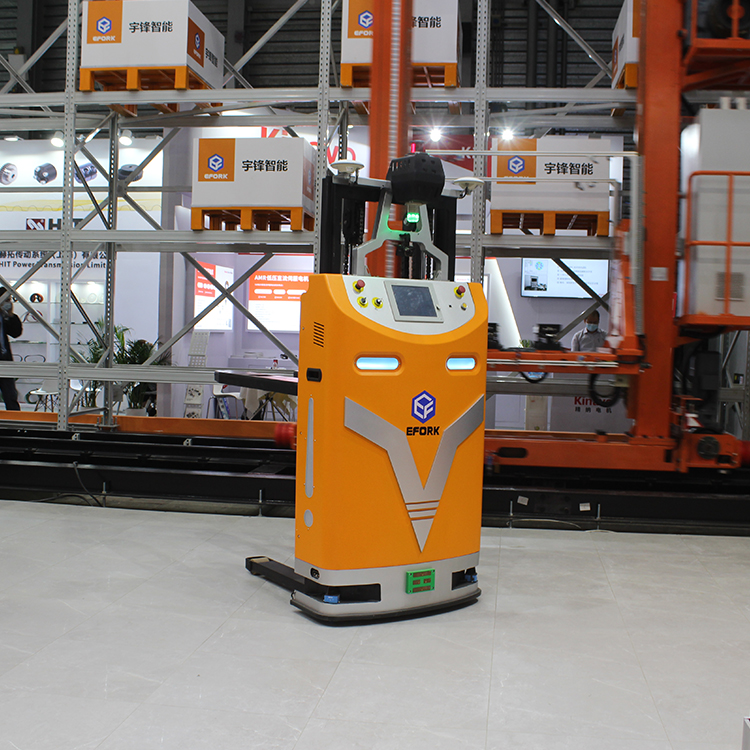
CE Certified EFORK EDA20-16 2T 1600mm Laser Navigation Self-Driving Forklift AGV WIFI/5G 10mm Accuracy 6-8H Working Time
 2T
3D SLAM
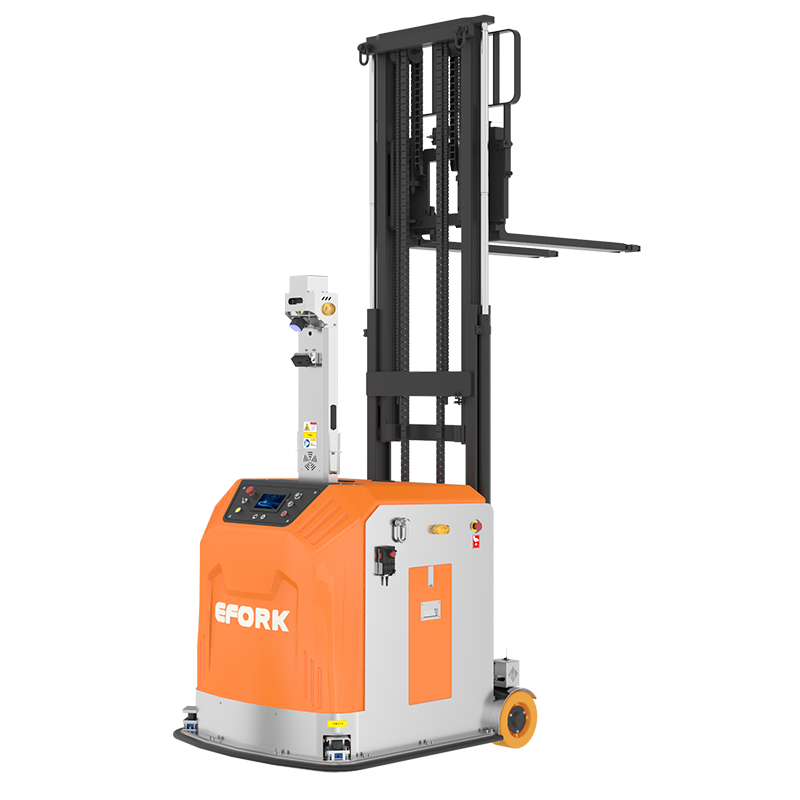
EFORK Heavy Duty Forklift AGV Counterbalanced Body 2T 3M Fork Legs High Flexibility 3D SLAM Navigation WIFI/5G for Pallet
 2T
SLIM
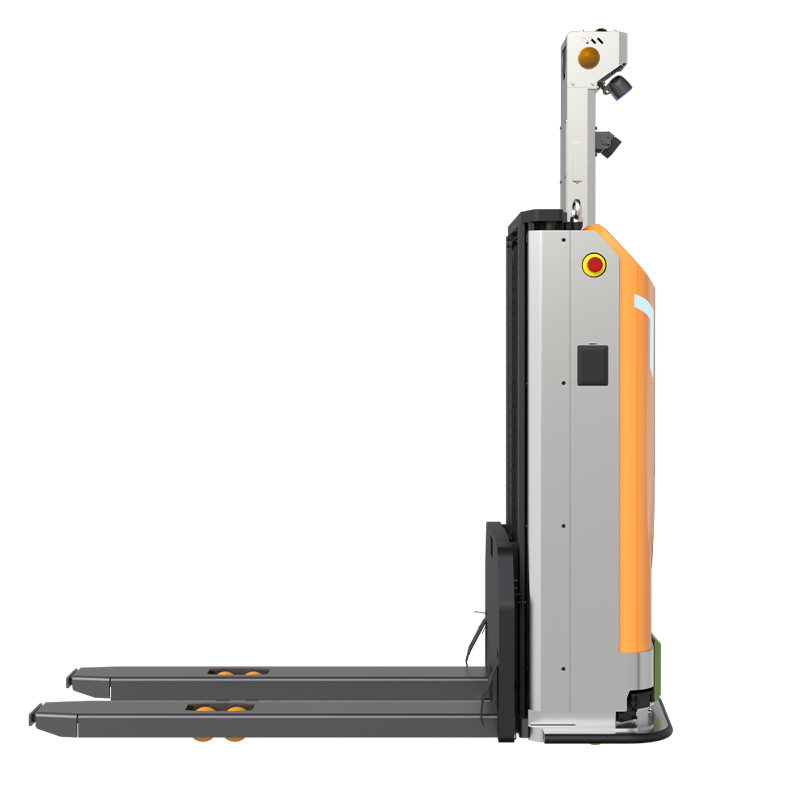
2T Slim Narrow-Body Stacker AGV with 3D SLAM & WIFI/5G for High-Density Storage 1.6M Pallet Stacking Maximize Warehouse Space
 2T
COMPACT
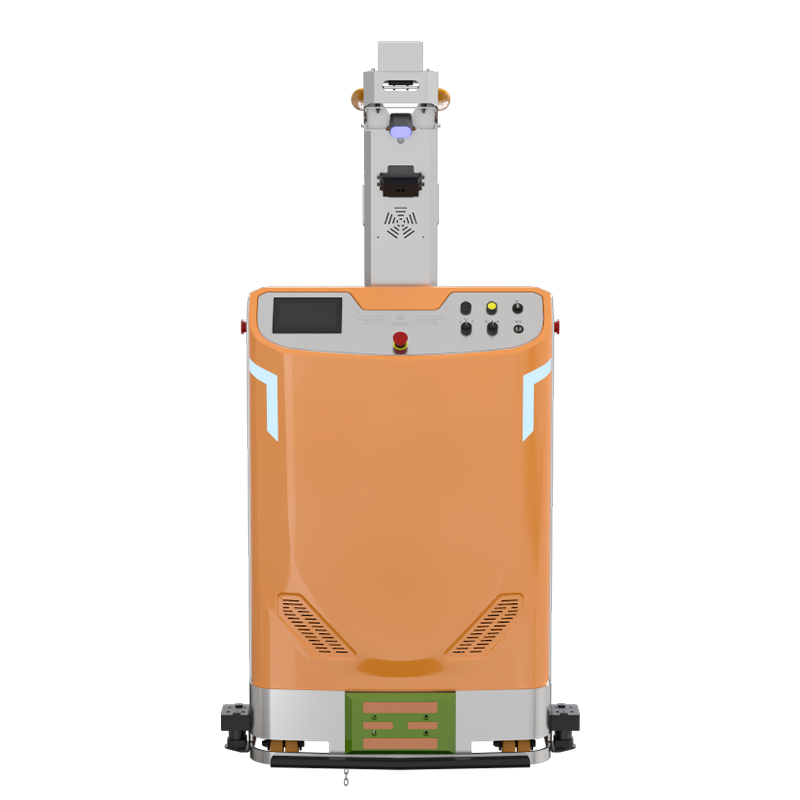
2T Material Handling AGV Body Narrow Body Compact Chassis 3D SLAM Navigation Laser Obstacle Avoidance for Workshop Transport
Scale, Certification and Traceability Buyers Can Verify
In mobile robotics, a low headline price can become expensive if the supplier cannot support spare parts, customs documents, WMS interfaces or fleet expansion. Procurement teams should verify manufacturing scale, safety compliance, export documentation and engineering responsiveness before placing a wholesale order. The figures below come from our public company profile and third-party onsite verification.
Total Staff
Onsite verified by independent inspectionFactory Floorspace
Two production bases in AnhuiAnnual Revenue
Stable capacity for fleet ordersAwarded Patents
Plus 1 registered trademarkA Lower-Risk OEM Mobile Robot Partner for Distributors and Integrators
Choosing an exporter is not only a purchasing decision; it is a decision about engineering support, certification documentation, spare-parts continuity and future fleet expansion. These four advantages matter most during supplier evaluation.
In-House Manufacturing
Chassis, masts and control integration are built and tested on our own lines. Material inspection and finished-product inspection reduce the risk of cosmetic damage, wiring faults and inconsistent safety performance before shipment.
Laser and 3D SLAM Navigation
Laser navigation remains a strong choice for fixed, repetitive routes. 3D SLAM localizes using the natural features of the building, which can reduce reflector or floor-tape work and shorten site preparation for existing warehouses.
One-Stop Turnkey Portfolio
AGV forklifts, VNA trucks, AS/RS stacker cranes, four-way shuttles and RGVs come from one source. That means one interface discussion, one spare-parts strategy and one engineering team behind the whole system rather than several disconnected suppliers.
Proven Compliance and Export Support
CE marking under 2006/42/EC, ISO 9001 and ISO 45001 management systems, seven patents and SGS onsite verification support customs clearance, tenders and insurance reviews in regulated markets.
Programs Built Around Your Market and Brand
For distributors and integrators, the real advantage is not a catalogue model — it is a product family that can be adapted to your country, your customers and your service model. We support private-label production, market-specific configuration and pilot-to-fleet expansion.
Private Label and Configuration
Customize load capacity, lift height, fork dimensions, battery configuration, safety scanners, communication modules and cold-storage protection. Buyer-label manuals, nameplates and packaging can be prepared for your distribution brand.
Pilot-to-Fleet Commercial Model
MOQ is one set for AGV forklifts, stacker cranes and four-way shuttles. Start with a pilot unit to validate routes and cycle time, then scale with consistent controls, spare parts and operator training across the fleet.
Engineering Documentation and Integration
Provide your pallet drawings, rack layout, floor flatness report and throughput target. Our engineers can support traffic simulation, WMS/ERP interface definition, safety validation, commissioning and after-sales training.
What Wholesalers and Distributors Should Prepare For
Mobile robot procurement is shifting from a one-time equipment purchase toward a lifecycle decision. The strongest buyers now compare total cost of ownership, integration risk, service coverage and the ability to expand a fleet without changing control architecture.
Total Cost of Ownership Replaces Lowest Quote
Procurement teams increasingly model energy consumption, spare-parts cost, uptime, training, reconfiguration and battery replacement. A lower unit price can be misleading if the fleet is expensive to maintain or difficult to integrate.
Modular Fleets Instead of Single-Purpose Trucks
Buyers prefer a platform family that can mix reach trucks, stackers, counterbalanced AGVs, VNA units and shuttles. Standardized controls, charging and fleet-management interfaces reduce long-term training and spare-parts complexity.
Compliance Becomes a Procurement Gate
CE documentation, ISO management systems, SGS verification and safety-scanner validation are now requested earlier in the RFQ process. Regulated markets need documentation that supports customs clearance, tenders and insurance review.
Mixed Manual and Automated Workflows
Most warehouses will not become fully driverless overnight. Mobile robots must share aisles with manual forklifts, pedestrians and changing rack layouts. Speed zones, obstacle avoidance and clear traffic rules are part of the engineering scope.
WMS and ERP Integration Moves Upstream
WMS-ready AS/RS and four-way shuttle systems require interface discussions during solution design, not after delivery. Buyers should define data ownership, task allocation, exception handling and reporting before the purchase order is issued.
After-Sales Network Becomes a Scoring Item
Remote diagnostics, spare-parts availability, local service partners and operator training now influence supplier selection. A fleet that stops for a small sensor or battery issue can cost more than the original purchase discount.
Technology Shaping Next-Generation Mobile Robots
The direction of product development is clear: less site modification, higher storage density, better fleet orchestration and more rugged variants for cold chain and continuous operation. These trends affect both OEM specifications and wholesale pricing logic.
3D SLAM With Less Infrastructure
Natural-feature navigation reduces reliance on reflectors and floor tape. For existing warehouses, this can shorten preparation time and make layout changes easier to manage without rebuilding the guidance system.
High-Lift VNA and Dense Storage
Very narrow aisle trucks with rotating three-way forks allow high-bay pallet storage in tighter aisles. Development is focused on stability, load visibility and safe operation at increasing lift heights.
AS/RS and Four-Way Shuttle Integration
High-bay stacker cranes and four-way shuttles are being engineered as one WMS-ready storage system. The goal is higher pallet density, ±2 mm positioning accuracy and flexible FIFO or LIFO logic.
Fleet Orchestration and Digital Twin
Traffic simulation before installation and fleet dispatch after go-live are becoming standard engineering deliverables. Digital models help distributors quote realistic cycle times and avoid costly redesign after commissioning.
Cold Storage and Rugged Variants
Frozen-storage stacker cranes and sealed components extend automation into cold-chain logistics. Buyers should specify temperature range, condensation control, battery behavior and maintenance access at the RFQ stage.
Energy Strategy for 24/7 Duty
Battery capacity, opportunity charging, charge-station placement and shift patterns directly affect fleet size. A well-designed energy strategy can reduce the number of trucks required for the same throughput target.
Match the Platform to the Intralogistics Job
Use this engineering reference to shortlist equipment before requesting a layout proposal. Final specifications must be confirmed against pallet drawings, rack layout, floor flatness, aisle width, peak throughput and shift pattern.
Pallet Stacker AGV
Cost-effective entry into automation for floor-to-rack transfer, line-side delivery and dock staging.
- Typical load1.5–2 T
- Lift height1.6–3 m
- Navigation3D SLAM / Laser
Reach Truck AGV
Selective racking where aisle space is tighter than a counterbalanced truck requires, while retaining medium lift height.
- Typical load1.5–2 T
- Lift height3 m
- Navigation3D SLAM / Laser
Counterbalanced AGV
Closed-bottom pallets, cages, trailer docks and production lines where front outriggers would block handling.
- Typical load1.5–3 T
- Lift height3 m
- Best fitDocks and lines
VNA 3-Way AGV
Very narrow aisle and high-bay pallet storage with left, right and forward fork handling without turning the truck.
- Typical load1.6 T
- Lift height7–11 m
- ApplicationHigh-density racking
AS/RS Stacker Crane
Rail-guided high-bay automated warehouses, including frozen-storage applications and WMS/WCS-controlled operations.
- Typical load1–5 T
- HeightUp to 40 m
- ControlWMS / WCS
Four-Way Shuttle System
Dense pallet storage with flexible FIFO/LIFO logic, level changing via lifts and ±2 mm positioning precision.
- Typical load1–2 T
- Speed2 m/s
- Positioning±2 mm
Technical Due Diligence, Not a Catalogue Promise
Overseas buyers cannot inspect every production line personally, so the supplier must provide evidence that can be audited: factory data, inspection process, certification documents and a clear commissioning plan. Our Hefei facility and SGS verification give wholesale buyers a tangible trail from quotation to shipment.

Four verification points to request in an RFQ
For an automation project that will operate for a decade, supplier capacity and traceability matter as much as the machine itself. Ask for documentation at the quotation stage rather than after the deposit.
- Site data: pallet type, load center, rack drawing, floor flatness, aisle width, peak throughput, shift pattern and temperature range.
- Factory acceptance test: brake, steering, lift, safety scanner, emergency stop, battery and communication checks before shipment.
- Commissioning plan: mapping, route teaching, WMS interface testing, safety validation and operator training.
- Lifecycle support: remote diagnostics, spare-parts list, warranty terms and a practical plan for fleet expansion.
Commercial Terms and Global Service for Buyers
Our export team supports distributors, integrators and end users across Southeast Asia, South America, Eastern Europe, South Asia and North America. Trade terms, documentation and service planning can be adjusted to the destination market.
Incoterms and Payment
FOB, CFR, CIF, EXW, FAS, CIP and DDP are accepted. Payment methods include L/C, D/P, D/A, MoneyGram, credit card and Western Union in USD, EUR or CNY.
Documentation for Tenders
CE marking, ISO certificates, test reports, packing lists and export documents can be prepared to support customs clearance, tender submission and insurance review.
Remote Commissioning
Our engineers support mapping, route setup, WMS interface testing and operator training remotely. For larger projects, commissioning can be coordinated with local service partners.
Market Coverage
We serve manufacturing and 3PL in Southeast Asia, food and retail in South America, automotive and distribution in Eastern Europe, pharma and FMCG in South Asia, and e-commerce fulfillment in North America.
Frequently Asked Questions from OEM and Wholesale Buyers
What is the minimum order quantity for AGV forklifts?
The MOQ for every AGV forklift, stacker crane and four-way shuttle model is one set. Many distributors order one pilot unit to validate cycle time, route logic and charging strategy before placing a fleet order. The same controls and spare parts carry into volume production.
Which navigation technologies are available?
We offer laser navigation and 3D SLAM navigation. Laser navigation remains suitable for highly repetitive fixed routes, while 3D SLAM uses the natural features of the building and typically reduces reflector or floor-tape requirements. The choice depends on rack density, ceiling structure and how often the layout changes.
Can you customize products and provide private label?
Yes. We provide full customization, OEM, ODM and buyer-label production. Typical customization covers load capacity, lift height, fork dimensions, battery configuration, communication modules, cold-storage protection, manuals, nameplates and packaging.
What certifications and verification documents are available?
Our profile includes CE marking under the Machinery Directive 2006/42/EC, ISO 9001 and ISO 45001 management system certification, seven awarded patents, one registered trademark and SGS onsite verification of premises and legal status. These documents support tenders, customs clearance and insurance review.
Can the equipment integrate with our existing WMS or ERP?
Our AS/RS and four-way shuttle systems are designed WMS-ready. Interface requirements for your existing WMS or ERP are defined during solution design and tested during commissioning. We can support task allocation, data exchange, exception handling and reporting requirements.
Which trade and payment terms are accepted?
Accepted delivery terms include FOB, CFR, CIF, EXW, FAS, CIP and DDP. Payment can be made via L/C, D/P, D/A, MoneyGram, credit card or Western Union in USD, EUR or CNY. The final terms are confirmed according to destination, order volume and project scope.
Send Your Pallet, Rack and Throughput Data
Share your pallet drawings, rack layout, load center, lift height, aisle width, throughput target, shift pattern and destination country. Our engineers will return a recommended platform, fleet size, customization scope and export quotation. Use one pilot set to validate the route, then scale with consistent spare parts and controls.