Eight Production-Ready Platforms for Custom OEM Programs
The strongest automation purchase is rarely the lowest-price single unit. It is the platform that matches your pallet type, aisle width, lift height, throughput target, WMS interface and future fleet-expansion plan. The eight models below cover narrow-aisle stacking, very narrow aisle VNA handling, reach truck work, counterbalanced duties, laser navigation, self-driving forklift AGVs and cost-controlled walkie stacker options. All product URLs are preserved for direct technical review.
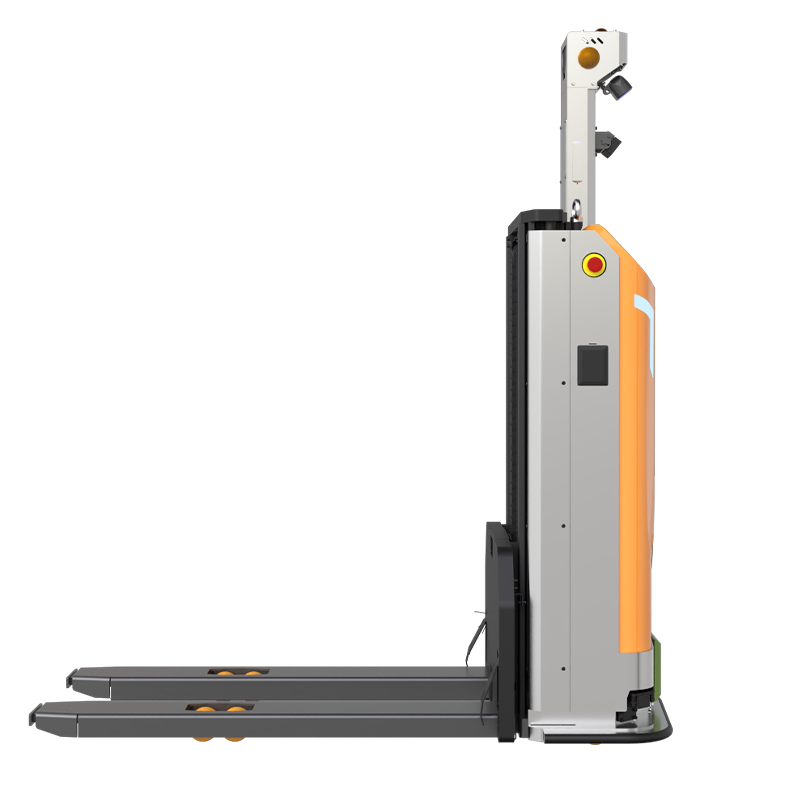
2T 3m Slim Narrow-Body Stacker AGV
A narrow-aisle pallet stacking AGV built for high-density storage and warehouse automation where chassis width and aisle utilisation directly affect layout ROI.
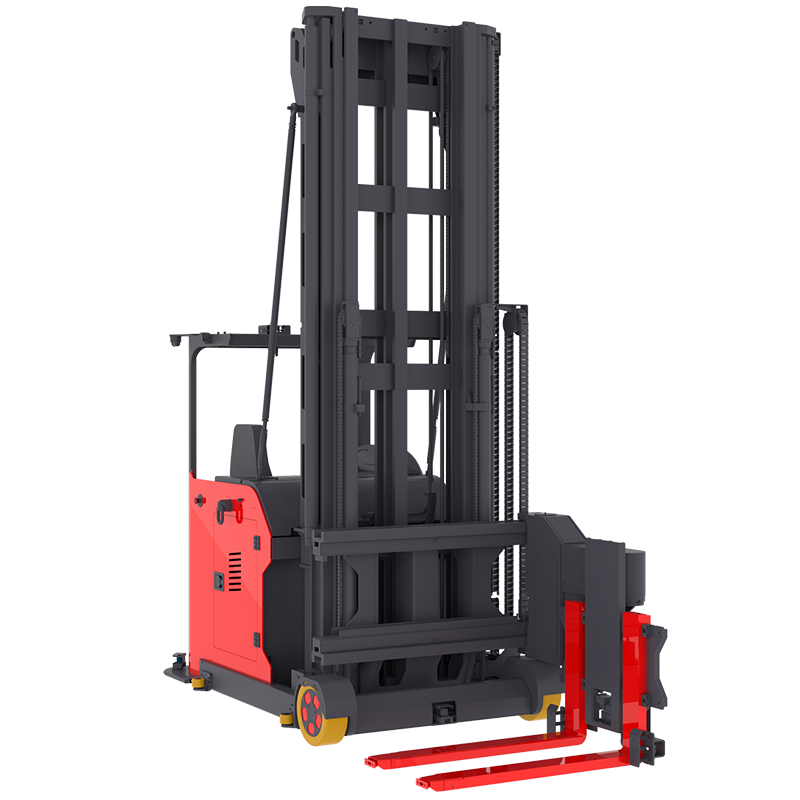
EFORK CDME16J-80S 1.6T 8m VNA AGV
Three-way VNA mobile robot with laser SLAM, 1.6 T capacity, 8 m lift, 1200 mm fork length and 125 mm fork width for very narrow aisle high-bay pallet storage.
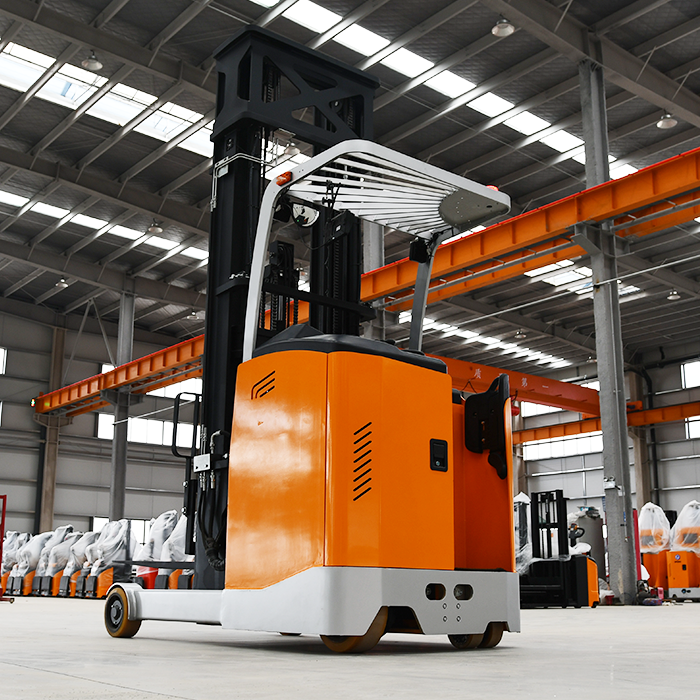
2000kg 6–12m Industrial Forklift Pallet Truck
Hot-dip galvanized high-speed industrial pallet truck with wholesale configuration options, suitable for buyers comparing robust handling equipment and OEM supply value.
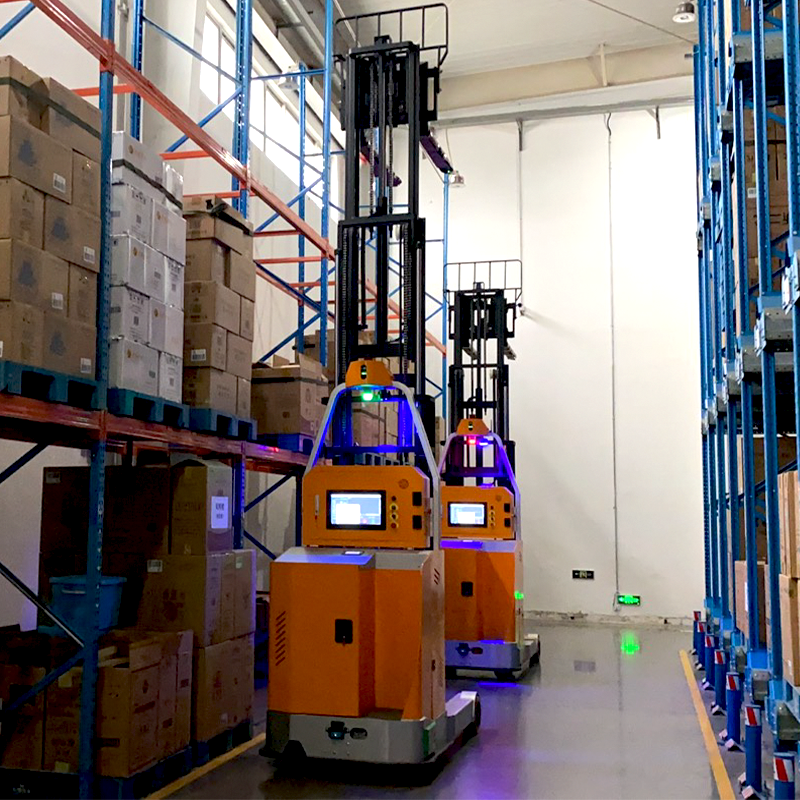
EFORK EQDA15-30 1.5T Reach Truck AGV
Automated reach truck with laser SLAM navigation and ±10 mm accuracy for warehouse logistics, offering a balanced answer for selective racking where turning radius matters.
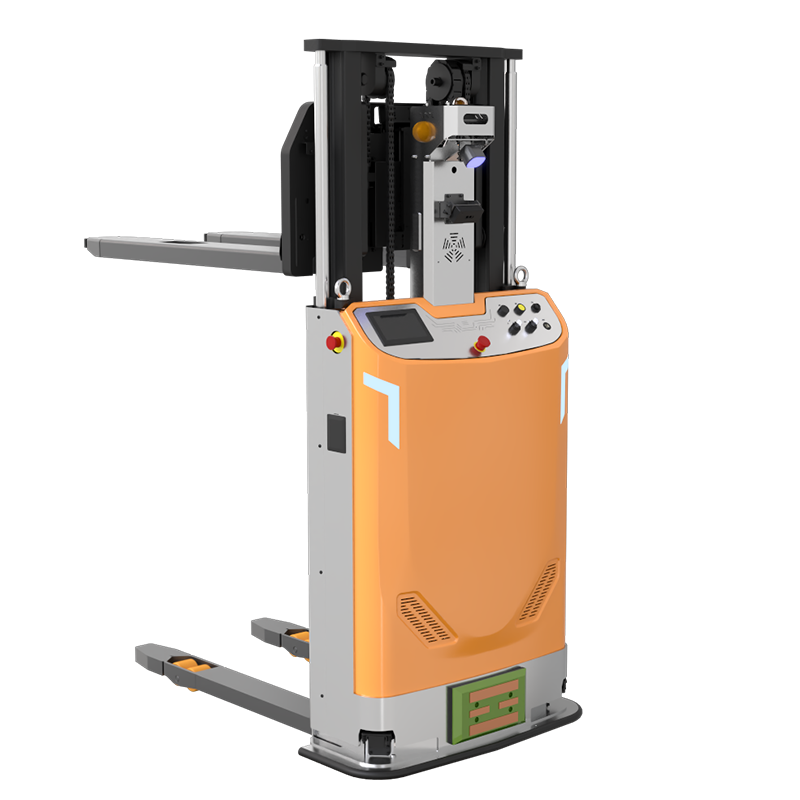
2T 1.6m Slim Stacker AGV Body
A slim narrow-body stacker AGV body for high-density storage systems, designed to maximise warehouse space and support OEM integration of high-lift pallet stacking functions.
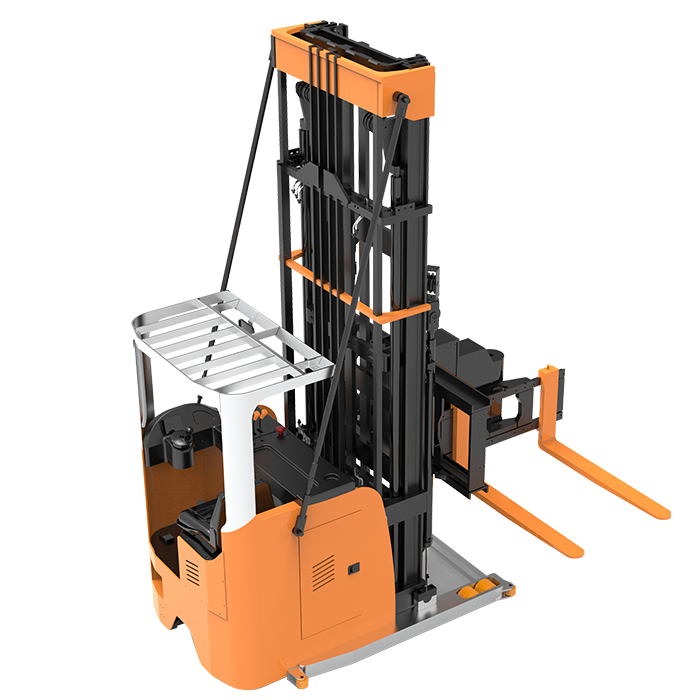
1600kg Narrow Aisle 3-Way Electric Forklift
Certified three-stage mast electric forklift for narrow aisles, with 1.6 T, 1.5 T and 3 T configurations available to match rack height, load centre and duty cycle.
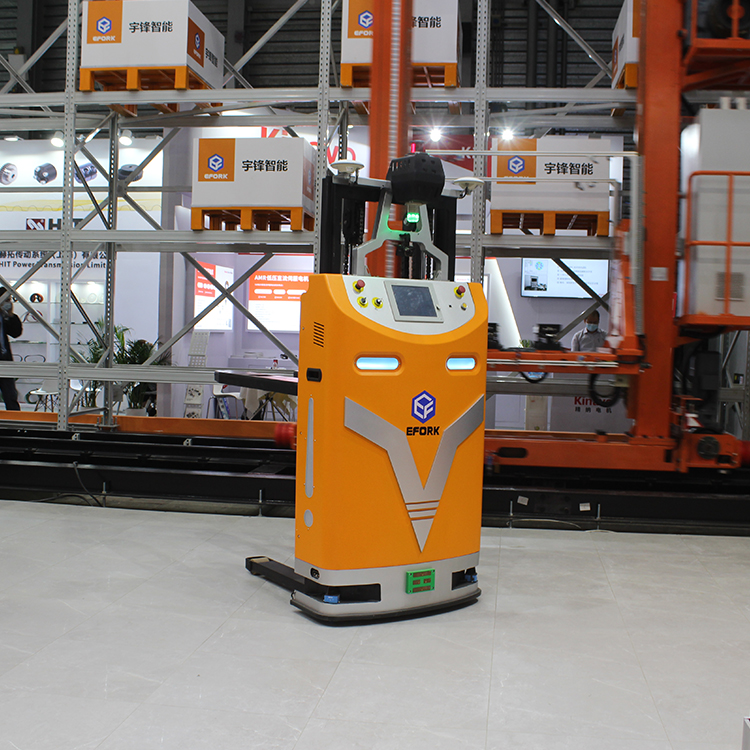
EFORK EDA20-16 2T Laser Navigation AGV
CE-certified self-driving forklift AGV with 2 T capacity, 1600 mm lift, WIFI/5G connectivity, 10 mm accuracy and 6–8 h working time for flexible warehouse logistics.
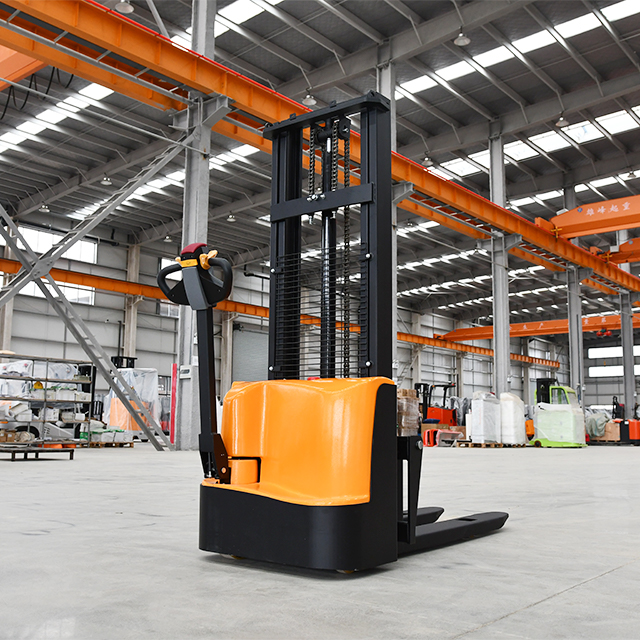
1–2T Full Electric Walkie Pallet Stacker
High-performance, low-cost walkie pallet stacker with optional training wheels, ideal for operations that need electric lifting before committing to a fully autonomous fleet.
Why Buyers Choose Nexrik as a Custom OEM Electric Forklift Robot Factory
For a warehouse automation project expected to operate for a decade, supplier capacity, traceability and engineering discipline matter as much as the machine specification. Anhui Nexrik Intelligent Technology Co., Ltd. combines verified manufacturing scale, in-house integration and export-ready documentation so buyers can move from a pilot unit to a multi-site fleet without changing technology partners.
Verified Manufacturing Scale
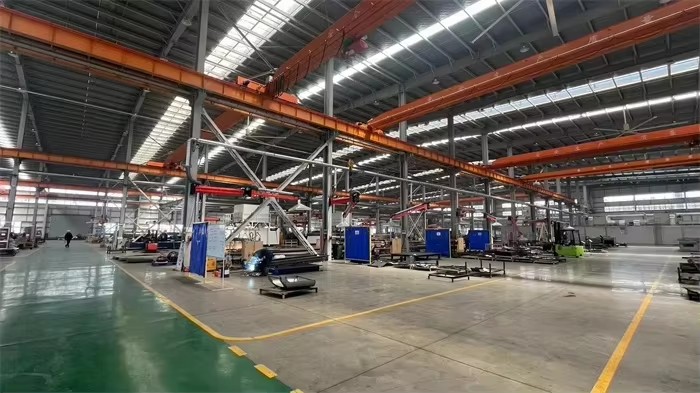
SGS onsite verification, 66,650 m² of production floorspace, 1,152 staff and annual revenue above USD 100 million provide the capacity to support pilot orders, fleet rollouts and buyer-label programs. Chassis, mast and control integration are handled on our own lines.
OEM / ODM Engineering
Full customization covers load capacity, lift height, fork dimensions, battery configuration, cold-storage variants and buyer-label production. The MOQ for AGV forklifts, stacker cranes and four-way shuttles is one set, which lowers the risk of validating a new route before scaling.
Laser & 3D SLAM Navigation
Choose reflector-based laser navigation for highly repetitive fixed routes, or 3D SLAM for natural-feature localization that typically reduces reflectors, floor tape and site-modification cost. This flexibility matters when existing racking cannot be altered.
One-Stop Turnkey Integration
AGV forklifts, AS/RS stacker cranes, four-way shuttles, mini-load systems and RGVs come from one source and are engineered as a WMS-ready system. Buyers avoid the integration friction that appears when multiple vendors supply disconnected equipment.
Certification & Compliance
CE marking under Machinery Directive 2006/42/EC, ISO 9001, ISO 45001, seven awarded patents, one registered trademark and SGS onsite verification support tenders, customs clearance and insurance reviews in regulated markets.
Global Trade & Lifecycle Support
Export-ready terms include FOB, CFR, CIF, EXW, FAS, CIP and DDP; payments can be made by L/C, D/P, D/A, MoneyGram, credit card or Western Union in USD, EUR or CNY. We serve Southeast Asia, South America, Eastern Europe, South Asia and North America with remote diagnostics and spare-parts planning.
Electric Forklift Robot Procurement Trends Smart Buyers Are Planning For
The procurement conversation has moved beyond “How much does one robot cost?” Industrial buyers now ask for route simulation, safety validation, WMS interface maps, spare-parts strategy and a staged fleet-expansion plan. These six trends are shaping purchase criteria for custom OEM electric forklift robot projects.
Pilot-First, Then Fleet
MOQ 1 has changed how buyers test automation. A single AGV can validate cycle time, aisle clearance, charging behaviour and operator acceptance before capital is committed to a full fleet. Procurement teams increasingly define success metrics for the pilot, then scale by zone rather than replacing the whole warehouse at once.
Total Cost of Ownership
The purchase price is only one line in the business case. Buyers now evaluate energy consumption, tyre and brake wear, scanner calibration, uptime, battery replacement, spare-parts lead time and integration labour. A robot that reduces infrastructure work and service visits often beats a lower-priced unit over a five-year horizon.
Infrastructure-Light Navigation
3D SLAM is becoming a procurement requirement where racks, floors and workflows cannot be heavily modified. Natural-feature localization reduces reflector and tape installation, shortens site preparation and makes it easier to reconfigure storage zones when product demand shifts.
Safety Documentation in Scoring
Safety scanners, risk assessment, CE documentation and operator training are now part of supplier scoring. Purchase committees want evidence that the automated forklift will behave predictably around pedestrians, blind corners, dock doors and mixed manual traffic, not just a specification sheet.
WMS / ERP Integration First
Buyers increasingly define the WMS or ERP interface before issuing a purchase order. Task creation, pallet location logic, error handling, charging-state reporting and production-line call-offs must be tested during commissioning. A robot fleet that cannot exchange clean data with the warehouse system becomes an expensive island.
Cold Chain & Special Environments
Frozen storage, high-bay warehousing and low-temperature distribution are expanding automation demand. Buyers need cold-duty batteries, condensation management, stable navigation and service access that works in temperature-controlled zones. Custom variants are moving from exception to standard procurement planning.
Product Development Trends in Custom OEM Electric Forklift Robots
The next generation of electric forklift robots is being defined by density, data, safety and modularity. These development trends explain why buyers should specify not only today’s load and lift height, but also the interface and expansion path the equipment will need three to five years from now.
Higher Density in Less Space
Three-way VNA AGVs are reaching higher lift heights, while AS/RS stacker cranes can serve high-bay warehouses up to 40 m. The commercial goal is straightforward: store more pallets per square metre without sacrificing retrieval speed or safety clearance.
3D SLAM + Laser Fusion
Multi-sensor localization improves stability in changing warehouses where pallets, people and temporary storage block fixed sightlines. Fusion of 3D SLAM, laser and safety sensors gives engineers more freedom to balance installation cost, route speed and positioning accuracy.
Fleet Orchestration & Digital Twins
Robots are becoming part of a coordinated system rather than standalone machines. Traffic management, charging schedules, task prioritisation and digital-twin simulation help buyers verify throughput before installation and adjust fleet size as order profiles change.
Lithium Power & Opportunity Charging
Battery strategy is a design decision, not an accessory. Opportunity charging, lithium chemistry and smart charge management influence shift planning, fleet size and total operating cost. Cold-storage and multi-shift operations require the power plan to be defined during engineering.
Safety by Design
Functional safety scanners, speed zoning, load-height monitoring and predictable fault handling are being integrated earlier in the design cycle. The objective is to reduce reliance on manual intervention while maintaining clear evidence for risk assessment and operator training.
Modular Bodies for OEM Brands
AGV bodies and automation kits allow OEM brands and system integrators to adapt a proven platform to local market requirements. Modular chassis, fork, mast and battery options shorten development time while preserving CE documentation and serviceability.
Match the Platform to the Load Unit & Building Constraint
This comparison matrix is an information-gain tool for early procurement. Use it to shortlist the right electric forklift robot platform before requesting a layout, simulation and final specification.
From Drawing to Go-Live in Five Engineering Stages
A custom OEM electric forklift robot project should follow a structured path so that cycle time, safety and integration are proven before full deployment. Our workflow is designed for first-time automation buyers and multi-site operators alike.
Site Analysis
Review rack layout, pallet specification, floor flatness, aisle width, throughput and shift pattern.
Solution Design
Select equipment, size the fleet and simulate traffic against peak demand and future SKU growth.
Manufacturing
Build on in-house lines with material and finished-product inspection, plus FAT before shipment.
Commissioning
Map routes, test the WMS interface, validate safety functions and train operators and maintenance teams.
Lifecycle Support
Remote diagnostics, spare-parts planning, service documentation and fleet-expansion reviews.
The Evidence Behind the Specification
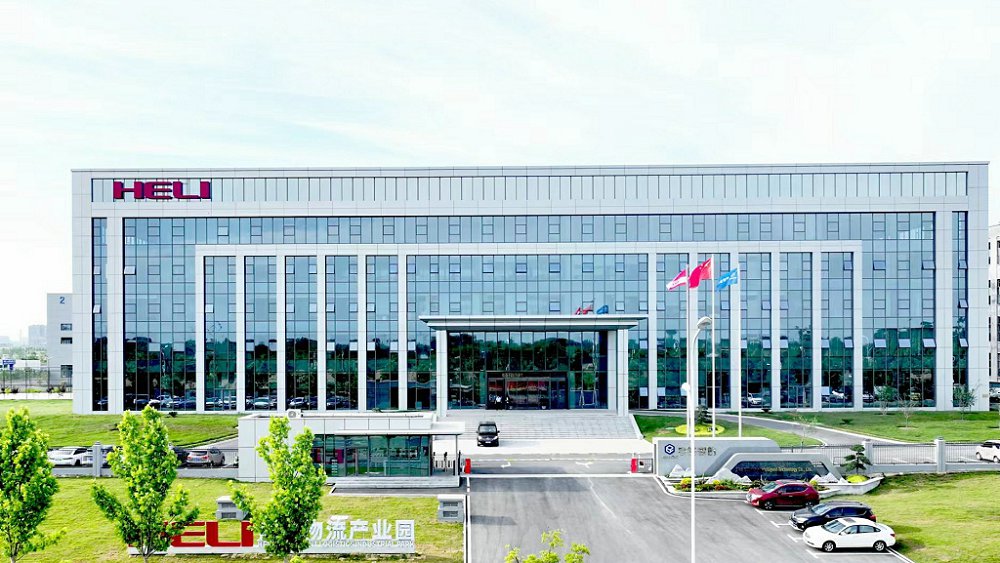
Anhui Nexrik Intelligent Technology Co., Ltd. is a high-tech manufacturer specialising in the R&D, production and integration of intelligent warehousing equipment, including AGV forklifts, AS/RS stacker cranes, four-way shuttles and RGVs. Our plants are located in the Huagang Town Industrial Park, Feixi County, Hefei, Anhui — an established hub for China’s forklift and material-handling industry. With 1,152 employees, two production bases and 66,650 m² of factory floorspace, we support buyers who need verifiable capacity rather than a trading desk with a catalogue.
Our engineers begin with your pallet types, rack drawings, aisle constraints and throughput targets, then simulate traffic before any truck is built. The company holds CE certification under Machinery Directive 2006/42/EC, ISO 9001 and ISO 45001 management system certification, seven awarded patents and one registered trademark. SGS onsite verification, Fortune 500 supplier experience, participation in seven international exhibitions and more than eight years in the industry give overseas buyers a practical basis for due diligence.


Questions Buyers Ask Before Ordering a Custom OEM Electric Forklift Robot
These answers reflect the commercial, engineering and compliance questions that appear most often in early project discussions.
What is the minimum order quantity for a custom OEM electric forklift robot?
The MOQ for AGV forklifts, stacker cranes and four-way shuttles is one set. This allows a buyer to run a pilot line, validate route mapping and confirm cycle time before scaling to a multi-unit fleet. OEM and buyer-label programs can be discussed from the pilot stage onward.
Should we choose laser navigation or 3D SLAM?
Laser navigation is a strong choice for highly repetitive fixed routes and stable infrastructure. 3D SLAM uses the natural features of the building, typically reducing reflector and floor-tape requirements and shortening site preparation. The final choice depends on aisle geometry, rack density, pedestrian traffic and how often the layout may change.
Can you customize load capacity, lift height, forks and battery configuration?
Yes. Customisation can cover load capacity, lift height, fork length and width, battery configuration, cold-storage variants and buyer-label production. OEM, ODM and full customisation services are available so the equipment matches local market requirements and serviceability expectations.
What certifications and documentation do you provide?
Our credentials include CE marking under Machinery Directive 2006/42/EC, ISO 9001, ISO 45001, seven awarded patents, one registered trademark and SGS onsite verification. Documentation packages for tenders, customs and insurance can be discussed during the quotation stage.
How does the equipment integrate with our existing WMS or ERP?
Our AS/RS and four-way shuttle systems are designed to be WMS-ready. Interface requirements for task creation, location logic, error handling and reporting are defined during solution design and tested during commissioning. Early interface mapping reduces surprises when the fleet goes live.
Which trade terms and payment methods are accepted?
Accepted delivery terms include FOB, CFR, CIF, EXW, FAS, CIP and DDP. Accepted payment methods include L/C, D/P, D/A, MoneyGram, credit card and Western Union in USD, EUR or CNY. Final terms are confirmed in the commercial proposal.
How is safety validated before shipment?
Safety validation covers risk assessment, scanner configuration, speed zoning, emergency-stop behaviour and operator training requirements. Finished-product inspection and factory acceptance testing are completed before shipment, and site commissioning includes safety-function checks.
Can you support cold storage, narrow aisles and high-bay projects?
Yes. Our product range includes VNA 3-way AGVs, reach truck AGVs, pallet stackers, counterbalanced AGVs, AS/RS stacker cranes up to 40 m, frozen-storage stacker cranes and four-way shuttle systems. Final specifications are confirmed against load units, temperature range, building constraints and throughput targets.
Request a Custom OEM Electric Forklift Robot Proposal
Send your rack drawing, pallet specification, aisle width, lift height, throughput target and WMS interface requirements. Our engineers will recommend the right platform mix, fleet size and customisation path — from a single pilot unit to a WMS-ready automated warehouse.