8 Robotic Pallet Stacker & AGV Configurations for Wholesale Procurement
The search intent behind “China Wholesale Robotic Pallet Stacker Factory & Wholesaler” is rarely a single-SKU purchase. Wholesale buyers, system integrators and plant engineers are usually comparing supplier legitimacy, load/lift fit, CE documentation, WMS integration and after-sales response at the same time. These eight configurations are presented as procurement options, with every original product URL preserved for technical review.
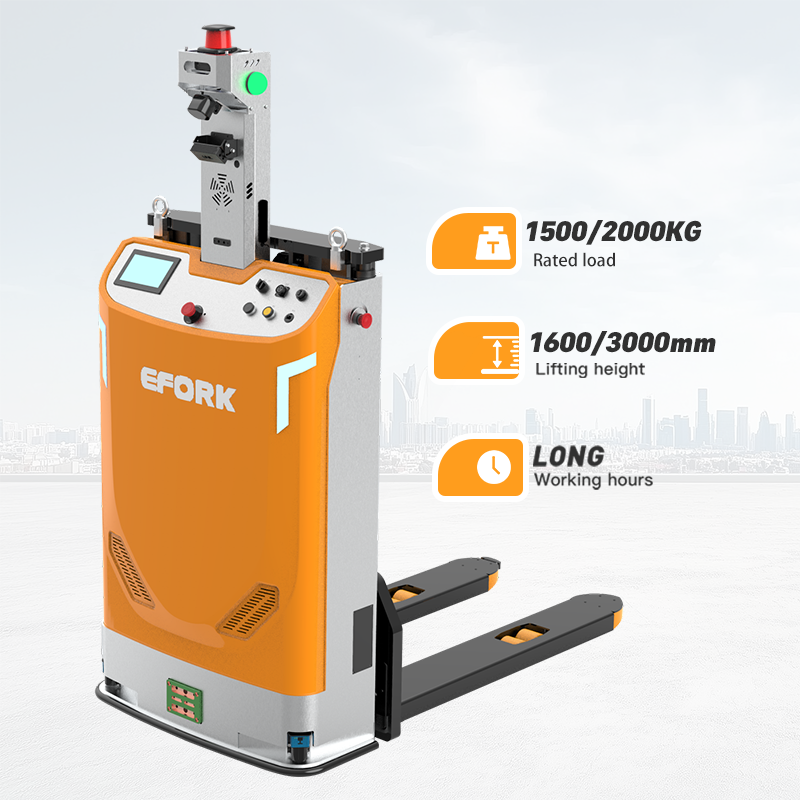
CE Certified EFORK EDA20-16 2T 1600mm Laser Navigation Self-Driving Forklift AGV WIFI/5G for Warehouse Automation Logistics
Best for warehouse-to-line logistics where WIFI/5G fleet control and 1600 mm lift are sufficient. A pragmatic pilot platform for 2T pallet handling with CE-certified safety design.
- 2T capacity
- 1600 mm lift
- Laser navigation
- WIFI/5G
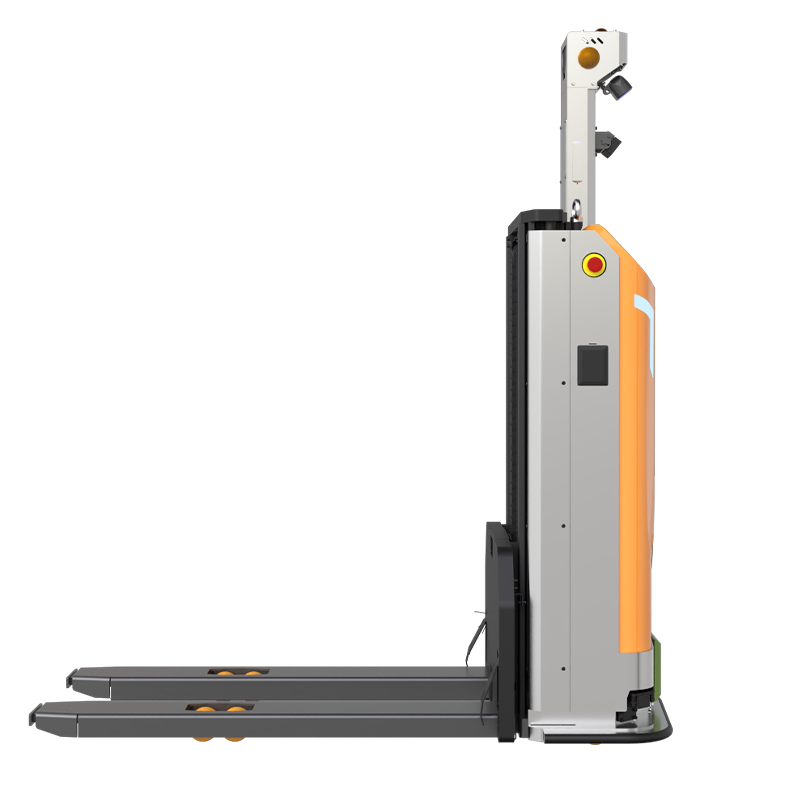
2T 3 M Slim Narrow-Body Stacker AGV High-Density Storage Pallet Stacking AGV for Narrow Aisles Warehouse Automation
For high-density narrow aisles: the slim body reduces clearance demands while 3 m lift supports racking and buffer storage. Strong fit for distributors retrofitting older buildings.
- 2T capacity
- 3 m lift
- Slim body
- High-density storage
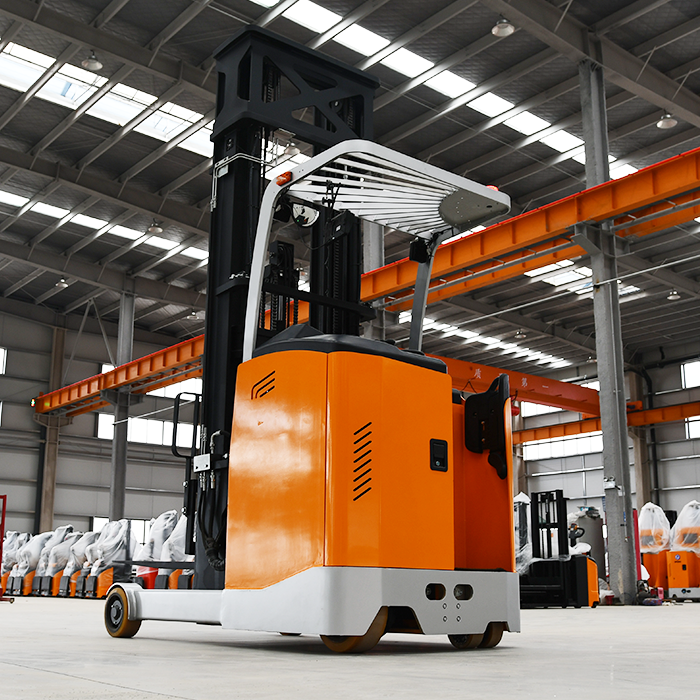
China Wholesale 2000kg 12m 8m 6m Industrial Forklift Pallet Truck High-Speed Steel Hot-Dip Galvanized Good Price
A heavy-duty option for yards and plants needing 2000 kg handling and 6/8/12 m configurations. Useful when buyers compare manual fleets against semi-automated logistics.
- 2000 kg
- 6/8/12 m options
- Hot-dip galvanized
- Steel duty
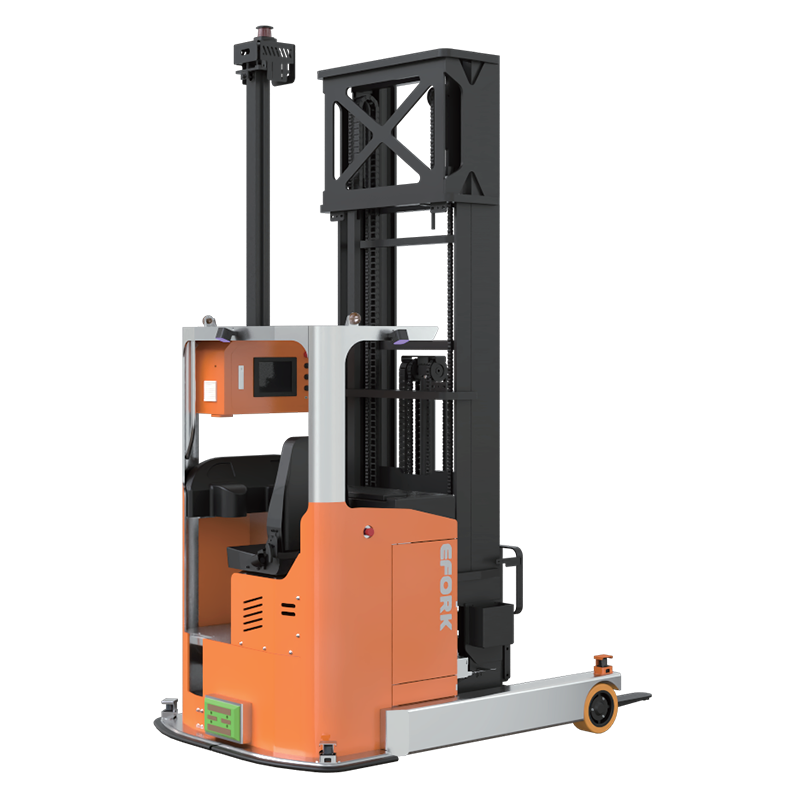
4.5M Reach Truck AGV Body 2T for Pallet Handling High Lifting Smart Warehouse Logistics Robot Laser Slam Navigation CE Certified
Choose this when racking exceeds standard stacker height but a full VNA aisle transformation is not justified. Laser SLAM and CE certification support pallet handling at 4.5 m.
- 2T capacity
- 4.5 m lift
- Laser SLAM
- CE certified
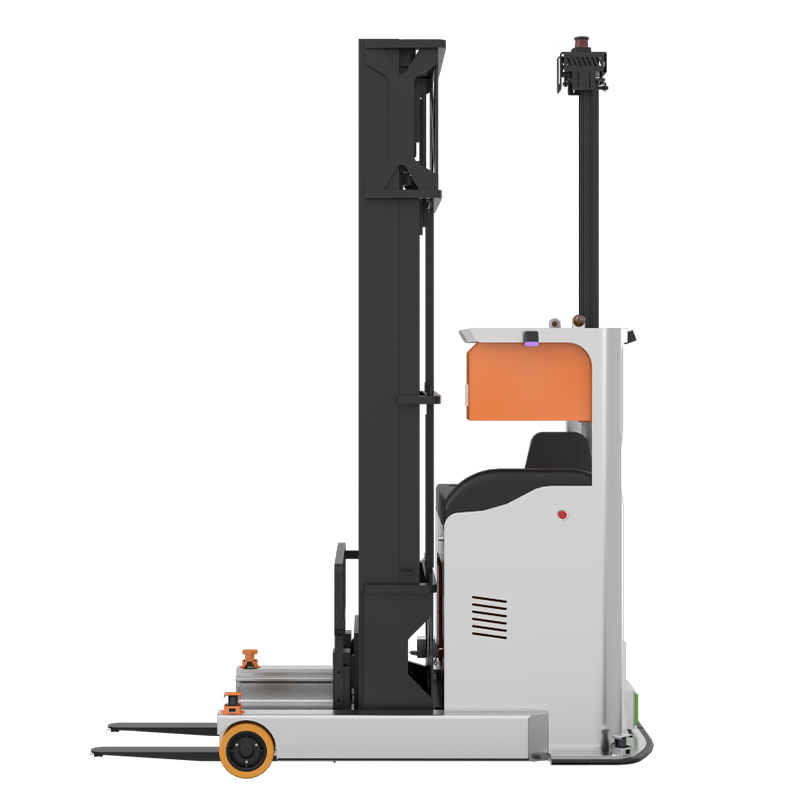
Heli Yufeng CQDE20HJ-65S 2T 6.5M Reach Truck AGV Body Laser Slam Navigation for Pallet Handling High Lifting Smart Warehouse
A premium high-lift option for mixed rack heights and demanding cycle-time targets. The 6.5 m reach platform is suited to smart warehouses that need repeatable high-position placement.
- 2T capacity
- 6.5 m lift
- Laser SLAM
- Heli Yufeng platform
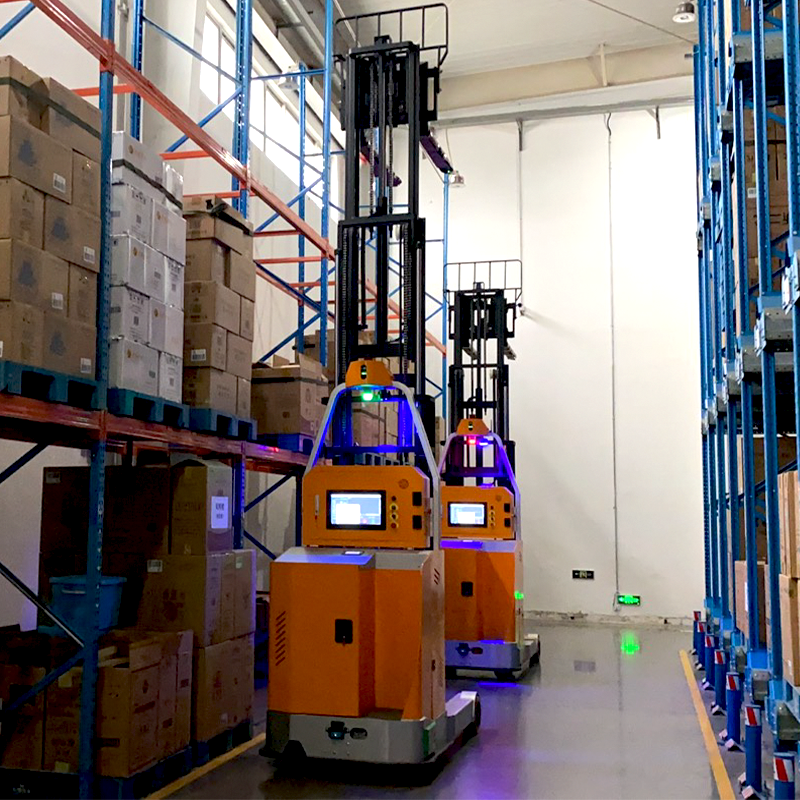
EFORK EQDA15-30 Automated Reach Truck Laser SLAM Navigation 1.5T Capacity ±10mm Accuracy Forklift for Warehouse Logistics
For precision logistics and warehouse flows that need repeatable fork placement. The ±10 mm accuracy claim should be verified against your rack tolerances and pallet condition during engineering.
- 1.5T capacity
- ±10 mm accuracy
- Laser SLAM
- Warehouse logistics
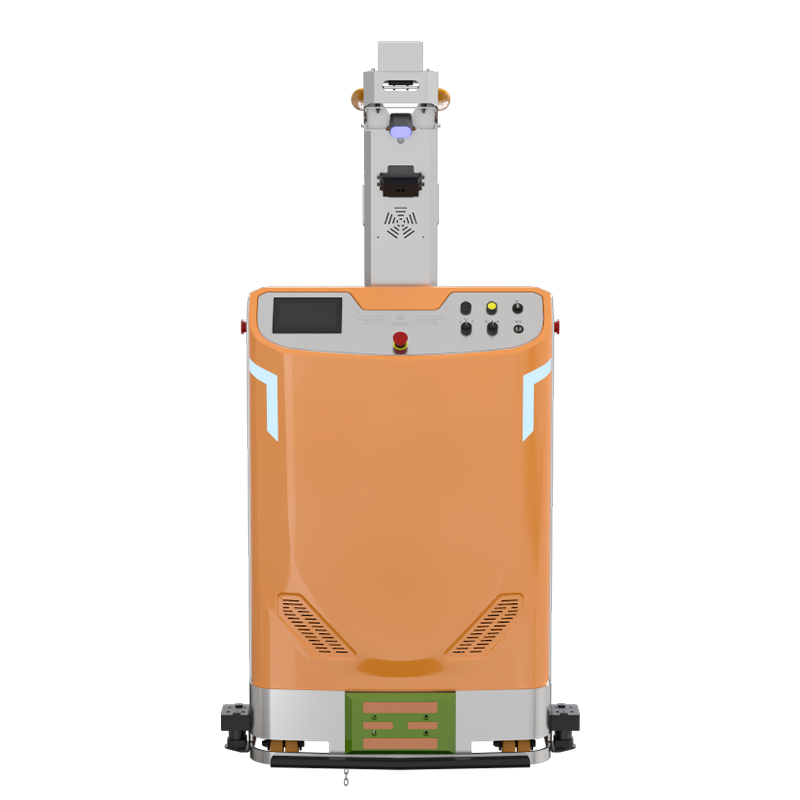
2T Material Handling AGV Body Narrow Body Compact Chassis 3D SLAM Navigation Laser Obstacle Avoidance for Workshop Transport
Best for workshop transport where infrastructure changes must be minimized and traffic is dynamic. 3D SLAM and laser obstacle avoidance make route changes easier than fixed-path systems.
- 2T capacity
- 3D SLAM
- Narrow chassis
- Obstacle avoidance
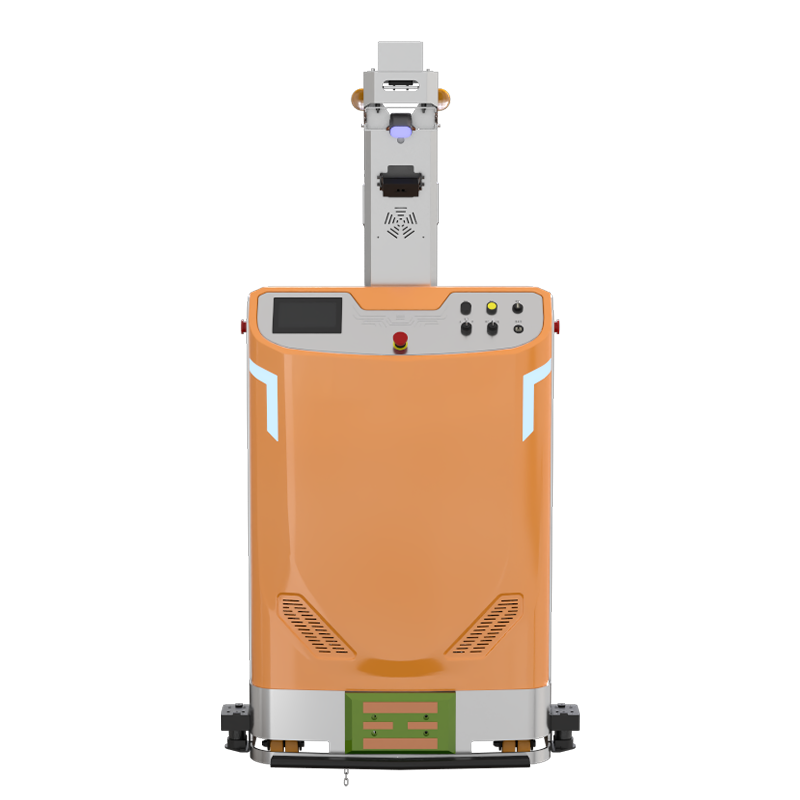
Material Handling AGV Body 2T with Narrow Body Compact Chassis for Efficient Production Line & Workshop Transport in Tight Space
A practical choice when internal logistics space is constrained but throughput cannot be compromised. The compact 2T platform is aimed at production-line and workshop transport in tight space.
- 2T capacity
- Narrow body
- Production line
- Tight-space transport
What the Search Intent Really Means for a Wholesale Buyer
Buyers searching for a China wholesale robotic pallet stacker factory are usually trying to reduce three risks at once: technical misfit, integration delay and unverifiable supplier claims. A useful supplier should answer engineering questions before quoting a chassis.
Specification Forensics
A “2T” rating is not enough to compare quotes. Ask for load center, fork length, lift height, derating above height, aisle width, floor tolerance and cycle time under peak. A stacker that fits a 3 m rack may lose capacity at 6.5 m or require a different mast. The cheapest quote can become the most expensive project when these assumptions are hidden.
Integration Is the Hidden Cost
The purchase price of a robotic pallet stacker is only one line in total cost of ownership. WMS/WCS interfaces, Wi-Fi coverage, charger placement, safety-zone design, spare-parts strategy and operator training determine whether the fleet reaches promised availability. Buyers should require an interface test, not just a demo video.
Verifiable Supplier Claims
Prefer suppliers with onsite verification and certificate traceability. Nexrik holds CE marking, ISO 9001, ISO 45001, SGS onsite verification, 7 awarded patents and 1 registered trademark. These are the claims procurement teams can defend in audits, tenders and customs review. Experience matters, but documented experience matters more.
Future Procurement Trends: What Wholesale Buyers Will Demand Next
Factory-direct pricing will remain important, but it is no longer the only decision factor. The next buying cycle will reward suppliers who can prove throughput, safety, integration and lifecycle support with documents and acceptance tests.
Outcome-Based RFQs Replace Unit-Price Auctions
Wholesale buyers increasingly score proposals on throughput per shift, labor reduction, safety incidents, uptime and energy cost. The winning quote is the one that documents assumptions and guarantees acceptance criteria.
3D SLAM Lowers Retrofit Friction
Natural-feature localization reduces reflector and floor-tape work, so warehouses can automate without long production shutdowns. It also makes route changes faster when racking or product mix evolves.
Mixed Fleets Need One Integration Owner
A pallet stacker rarely works alone. It feeds reach trucks, VNA AGVs, AS/RS cranes or four-way shuttles. Buying major equipment from one engineering team reduces interface blame and spare-part complexity.
Local Service and Spares Become a Scoring Item
A stacker is a 24/7 asset. Buyers now ask for remote diagnostics, spare-parts lists, commissioning support and response-time commitments before placing a wholesale order.
RFQ Scorecard We Recommend for Robotic Pallet Stacker Projects
Use weighted scoring to compare factory-direct offers objectively. The percentages below are a practical starting point; adjust them for labor cost, floor constraints, existing WMS standards and risk tolerance. This approach creates an audit trail for why one supplier is selected over another — a key advantage in E-E-A-T-led procurement.
Product Development Trends: From Robotic Stacker to Warehouse Orchestration Node
The robotic pallet stacker is evolving from a stand-alone handling machine into a connected node inside a WMS/WCS-controlled warehouse. Buyers should evaluate the platform, not only the lift height.
Higher Lift Without Wider Aisles
Reach truck AGV bodies now span 2T at 4.5 m, 6.5 m and beyond, while slim stackers and VNA platforms push storage density. Future buyers will ask for load-derating charts, not just a maximum lift number.
Sensor Fusion and Accuracy Guarantees
3D SLAM, laser scanners, encoders and safety controllers are converging. For precision workflows, look for declarations such as ±10 mm accuracy, obstacle-avoidance fields and validated stopping distances.
Battery Strategy Becomes a Shift-Design Decision
Lithium-ion, opportunity charging and battery-swap designs are moving from options to planning inputs. The right choice depends on shifts, charger space, energy tariffs and uptime targets — not on headline battery capacity alone.
WMS/WCS Orchestration and Data Visibility
The stacker is becoming a mobile data node. Fleet managers, traffic control, battery state, error logs and WMS tasks will be judged as part of the product. Ask for API documentation and acceptance tests, not just a demo video.
How to Shortlist the Right Robotic Pallet Stacker
Match the equipment to the physical reality of your warehouse first, then compare supplier credentials. A good quotation should explain why a particular model fits your rack height, aisle width, pallet condition and throughput target.
Pilot-Ready Low Racking
Choose the 2T 3m slim narrow-body stacker or the compact 2T material-handling AGV when rack height is ≤3 m and fast deployment matters. Procurement question: “What is the aisle width after safety-scanner clearance?”
Mid-Height Reach Handling
The 4.5 m and 6.5 m reach-truck AGVs fit selective racking between 3 m and 6.5 m. Procurement question: “How does payload derate at maximum lift, and what is the cycle time at 90% lift?”
Narrow Aisle and High Density
For very narrow aisles, compare slim stacker AGVs with VNA 3-way AGVs and AS/RS. Procurement question: “What rack tolerance, floor flatness and safety-fence assumptions are included?”
Workshop and Production Line
Compact 2T AGVs using 3D SLAM and obstacle avoidance are appropriate for dynamic workshop traffic. Procurement question: “How are pedestrian zones, blind corners and mixed forklift traffic controlled?”
Yard, Dock and Heavy Pallet Truck
The 2000 kg hot-dip galvanized pallet truck range addresses 6/8/12 m heavy-duty handling. Procurement question: “Is the application indoor, outdoor or galvanizing-line duty, and which environmental protection is included?”
High-Bay and AS/RS Integration
When pallet storage rises above 7–11 m or throughput becomes a constraint, an AS/RS stacker crane or four-way shuttle may outperform a mobile stacker. Procurement question: “Who owns the WMS/WCS interface and acceptance test?”
Why Nexrik Is a Verifiable China Wholesale Partner
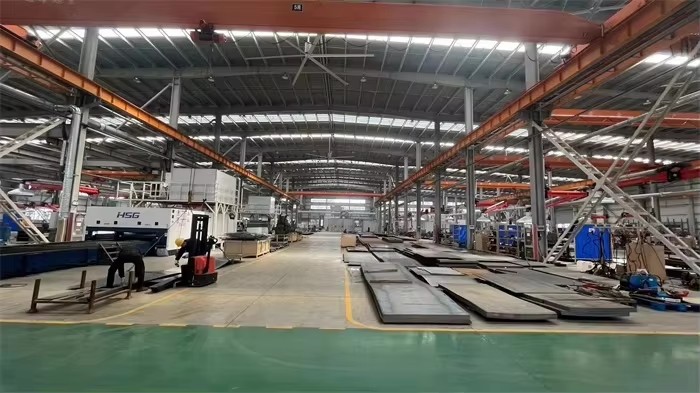
Anhui Nexrik Intelligent Technology Co., Ltd. is a Hefei-based manufacturer of AGV forklifts, robotic pallet stackers, VNA AGVs, AS/RS stacker cranes, four-way shuttles and intelligent warehousing systems. The company operates from Huagang Town Industrial Park, Feixi County, Hefei, Anhui — an established forklift and logistics-equipment cluster in China.
In-House Manufacturing Depth
Chassis, mast, control integration, testing and final inspection are managed on our own lines. Onsite material inspection and finished-product inspection reduce the risk of non-conforming units reaching your dock.
One-Stop Intelligent Warehousing
AGV forklifts, stacker cranes, four-way shuttles and RGVs are engineered as one WMS-ready system. That reduces interface risk between equipment suppliers and simplifies project accountability.
OEM / ODM and Buyer-Label Production
Capacity, lift height, fork configuration, battery, cold-storage variants and branding can be customized. This matters for wholesalers who need market-specific configurations without building a factory.
Export-Ready Compliance and Terms
CE documents, ISO certificates, SGS verification and flexible Incoterms support tenders and customs clearance. Accepted terms include FOB, CFR, CIF, EXW, FAS, CIP and DDP, with payment methods such as L/C, D/P, D/A, credit card, Western Union and MoneyGram.



What Wholesale Buyers Ask Before Ordering
These answers are written for tender review, technical due diligence and first-time automation committees.
What is the MOQ for a wholesale robotic pallet stacker order?
Which navigation system is better: laser navigation or 3D SLAM?
What certifications are available for tenders and customs?
Can the robotic pallet stacker connect to our WMS or ERP?
Can you customize load, lift height, fork and battery configuration?
What trade and payment terms do you accept?
What information should be in an RFQ for a fast quote?
How is safety validated before shipment and go-live?
Request a Layout, ROI Model and Fleet Recommendation
Send us your rack drawing, pallet specification and throughput target. Our engineering team will respond with a recommended model mix, estimated fleet size, interface notes and a transparent quotation. For wholesale distributors and system integrators, we can also discuss OEM/ODM, buyer-label production and multi-site deployment.
Contact Us