China Wholesale Narrow Aisle Forklift Manufacturers & Suppliers
An engineering-led sourcing guide for buyers comparing multi-directional reach trucks, 3-way VNA forklifts, counterbalanced AGV bodies, laser and 3D SLAM pallet trucks, stacker cranes and high-density warehouse automation from China.
Eight Wholesale Narrow Aisle Forklift & AGV Platforms
The eight models below are not a random catalogue list. They represent distinct buying intents: multi-directional side loading, counterbalanced AGV handling, reach-truck pallet work, 3-way very narrow aisle storage, laser-guided pallet movement and compact material handling. For wholesale buyers, this side-by-side view shortens the distance between an initial search and a buildable specification.
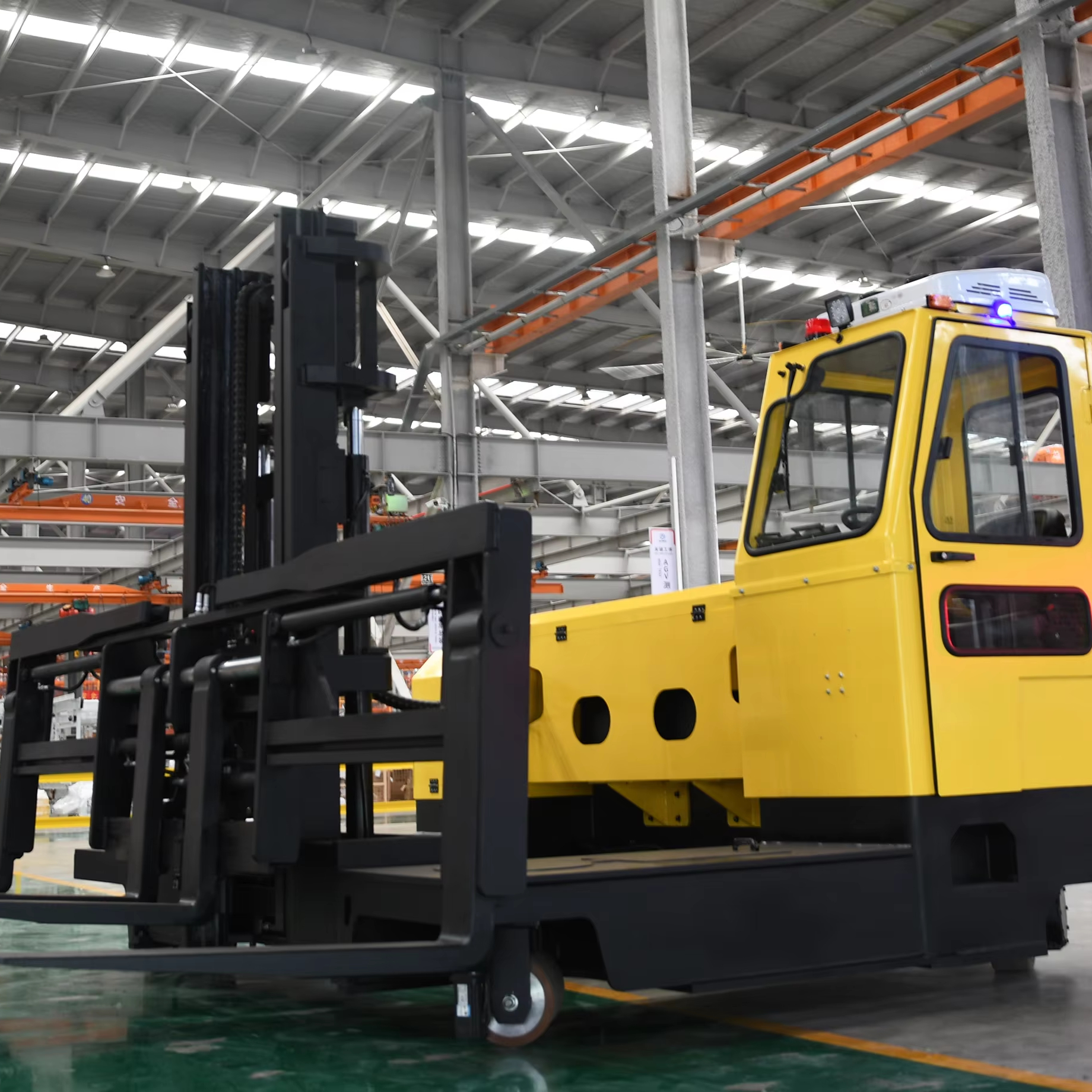 Multi-directional
 Forklift Reach Truck Stacker 3.5 Ton 5Ton Full Way Eclectic Side Loader Forklift With Wide Body Seat
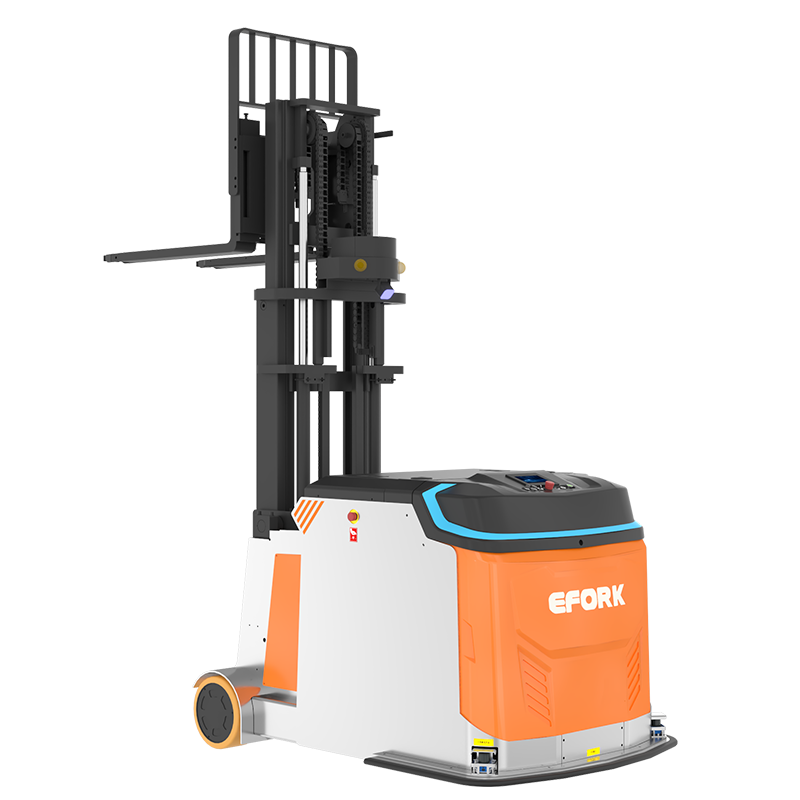 3D SLAM
EFORK EDB30-30 Counterbalanced AGV Body 3M 3T High Lift Capacity Forklift Fork Legs High Flexibility 3D SLAM Navigation for
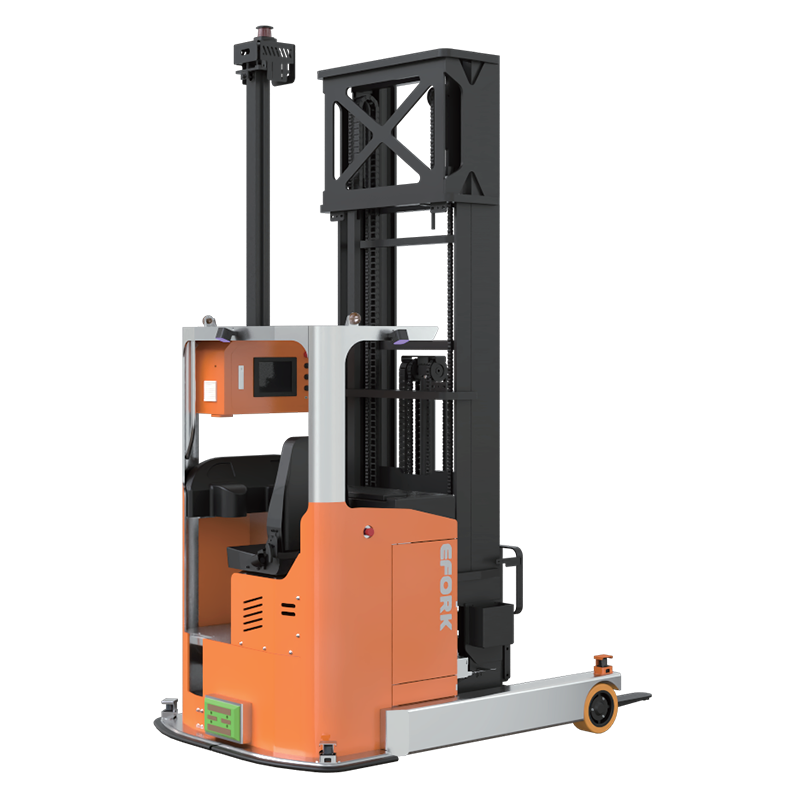 CE
4.5M Reach Truck AGV Body 2T for Pallet Handling High Lifting Smart Warehouse Logistics Robot Laser Slam Navigation CE Certified
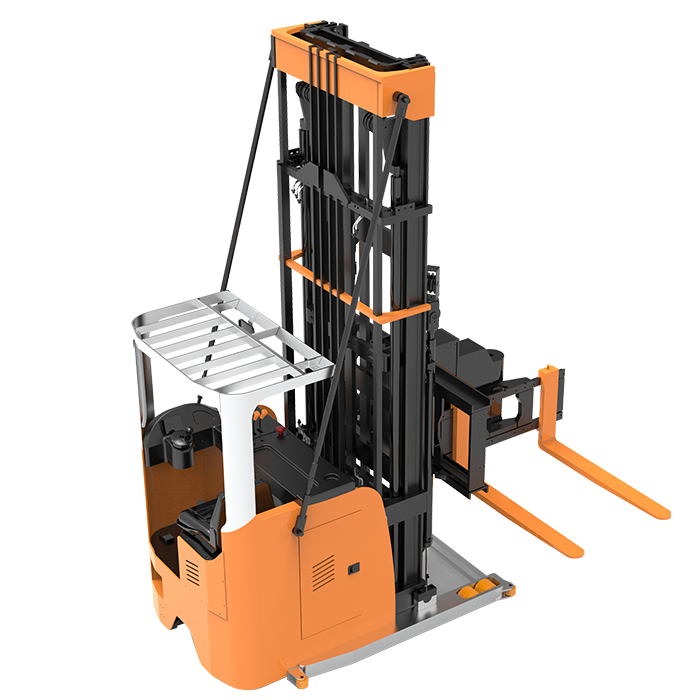 3-way
Narrow Aisle 3 Way 1600kg 1.6 Tons1.5 Tons 3 Tons Certified Electric Forklift Forklift Three Stage Mast
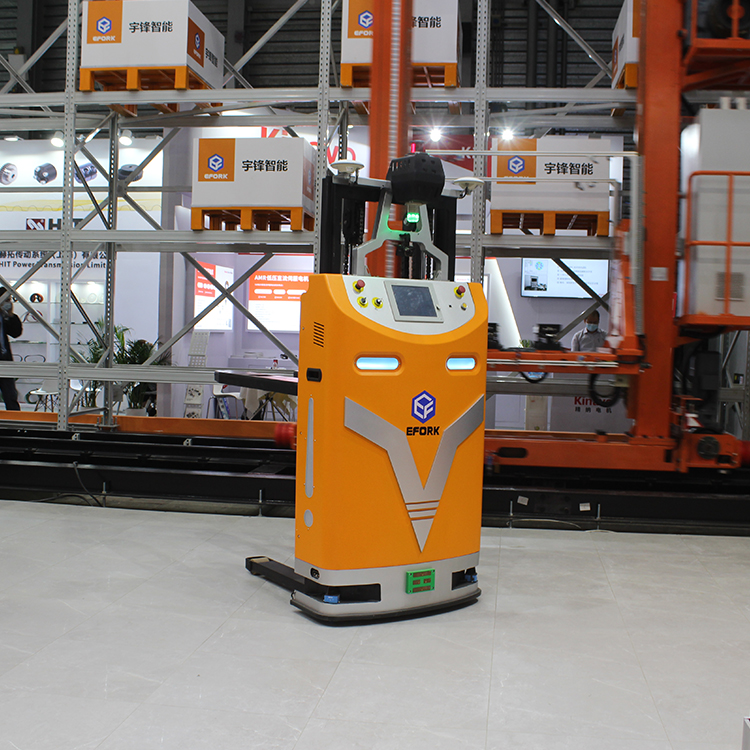 10 mm accuracy
CE Certified EFORK EDA20-16 2T 1600mm Laser Navigation Self-Driving Forklift AGV WIFI/5G 10mm Accuracy 6-8H Working Time
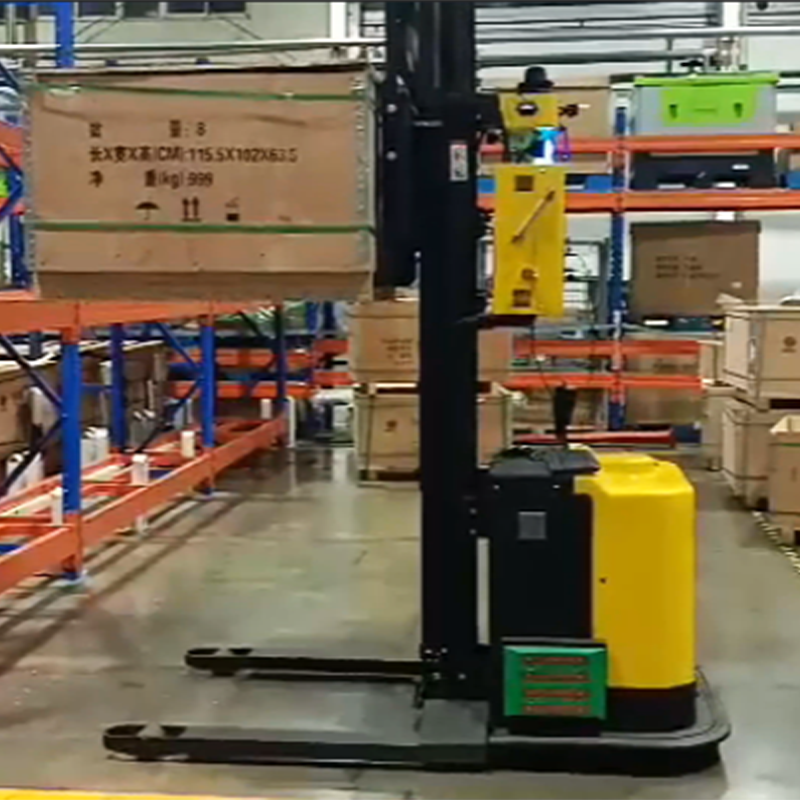 3D SLAM
2T 3000MM Pallet AGV Forklift Automated Guided Vehicle 3D SLAM Navigation WIFI/5G Communication for Warehouse Automation Robot
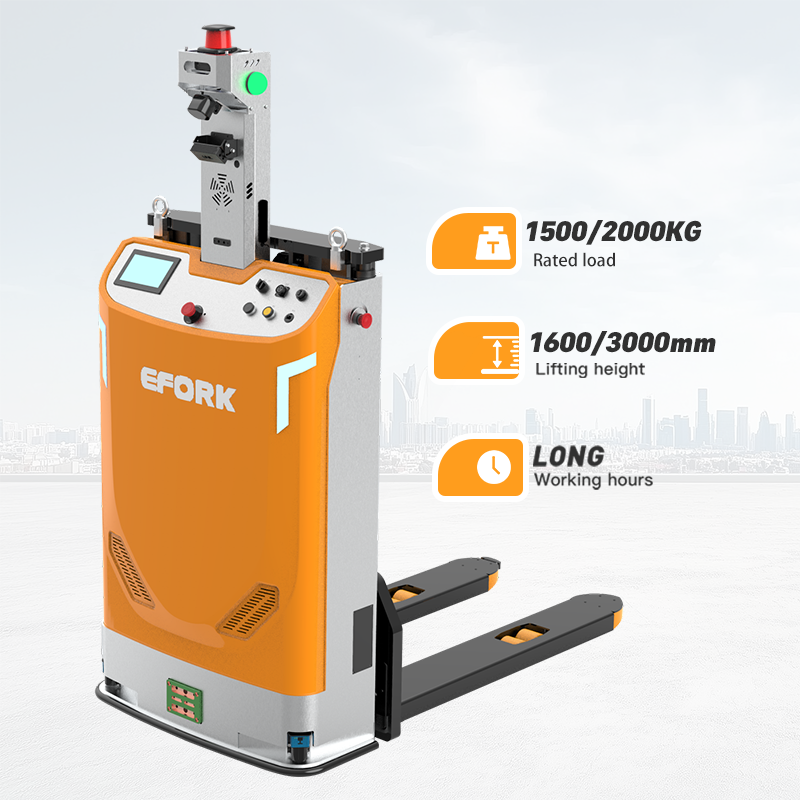 CE
CE Certified EFORK EDA20-16 2T 1600mm Laser Navigation Self-Driving Forklift AGV WIFI/5G for Warehouse Automation Logistics
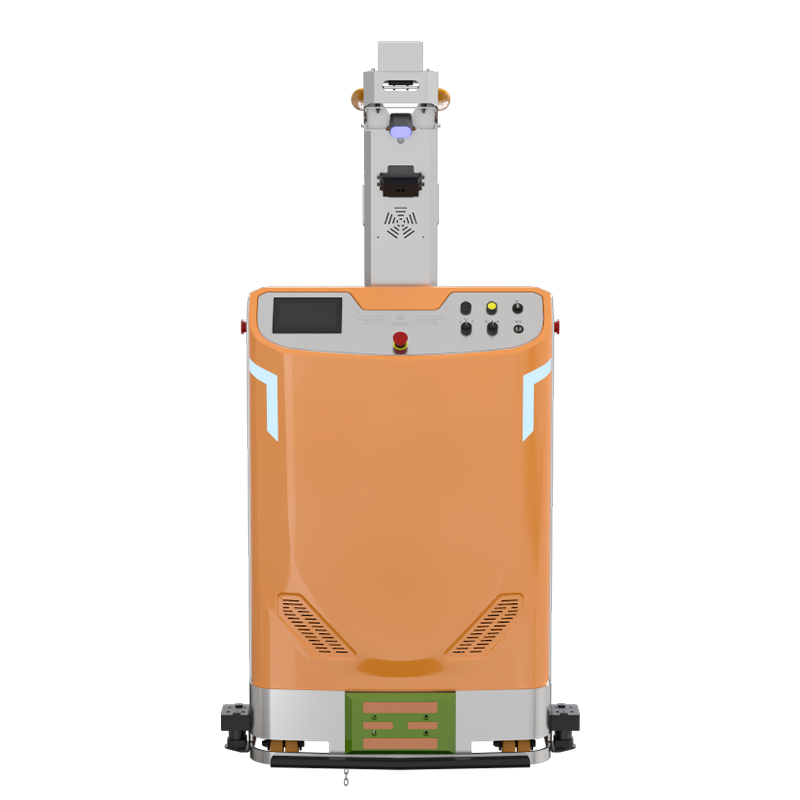 Narrow body
2T Material Handling AGV Body Narrow Body Compact Chassis 3D SLAM Navigation Laser Obstacle Avoidance for Workshop Transport
All product links above retain the manufacturer's original product URLs. Images are displayed in full using proportional containment; final fork dimensions, load charts, battery configuration and safety options are confirmed during project engineering.
Need a different load, lift height, fork dimension or cold-storage variant? A single model list is rarely the final answer. Share your pallet specification and rack drawing so the supplier can recommend the correct platform rather than the closest catalogue item.
Send an InquiryManufacturing Scale You Can Verify Before You Commit
For a wholesale forklift or AGV project, supplier capacity is not a background detail. It determines whether the chosen configuration can be built consistently, documented for customs, tested before shipment and supported after go-live.
How to Evaluate a China Wholesale Narrow Aisle Forklift Supplier
Searches such as narrow aisle forklift manufacturer China, VNA forklift supplier, 3D SLAM AGV forklift wholesale and side loader forklift price may look similar in a keyword tool, but they describe different buying intents. A serious wholesale buyer is not just purchasing a machine. The buyer is purchasing a specification, a compliance file, a commissioning plan, an acceptance test and a service relationship. A credible supplier should answer engineering questions before sending a quotation.
Start with the building. Measure clear aisle width at floor level and at the rack beam, not simply the nominal aisle. Confirm rack beam heights, pallet overhang, load center and floor flatness. For VNA and 3-way trucks, turning geometry and mast tilt envelope matter more than headline capacity. For AGV bodies, confirm that safety scanners, communication and battery strategy match the actual duty cycle. A 2 t truck that is stable at 1,600 mm may have a different rating at 4,500 mm or with a side-shift attachment.
Second, ask for evidence. A credible manufacturer should provide a CE Declaration of Conformity under 2006/42/EC where applicable, ISO 9001 and ISO 45001 certificates, SGS onsite verification or an equivalent audit, a load chart, brake test, acceptance test protocol and spare-parts list. On the commercial side, request the bill of material, warranty terms, remote support plan, training agenda, packing method and Incoterms. This is the information gain that separates a useful supplier response from a copy-paste price list.
Third, simulate throughput. Compare average cycle time, peak-hour moves, charging windows, fleet size and failure recovery. A lower-priced single truck can be more expensive if it cannot meet peak volume, if it blocks a narrow aisle during charging, or if navigation requires excessive reflectors and floor modification. Ask for a traffic simulation or a reference layout with similar aisle widths, pallet types and shift patterns.
- Load unitPallet size, weight, load center, bottom board, overhang and stacking pattern.
- Building envelopeAisle width, rack height, floor flatness, door clearance and fire egress.
- Navigation fitLaser, 3D SLAM, reflectors, WiFi/5G and WMS/WCS interface requirements.
- Safety fileScanners, bumpers, e-stop, speed control, warning devices and CE/ISO documentation.
- Acceptance testFAT and SAT criteria, cycle time, load test, interface test and availability target.
- Lifecycle planBattery strategy, spare parts, engineer response, training and future fleet expansion.

Review methodology: This guide combines standard configuration data from the listed products with the manufacturer's published verification, certification and project-workflow information. It is written for procurement and engineering teams that need a practical evaluation framework, not a generic catalogue description. Final specifications must be confirmed by the supplier's engineering team against the actual load unit, rack layout and local regulations.
What Wholesale Buyers Will Specify in 2025–2030
The buying conversation is shifting from “price per unit” to “cost per productive hour.” The following trends are already visible in serious RFQs and should be written into future tenders for narrow aisle forklifts and automated warehouse equipment.
Total cost of ownership replaces lowest unit price
Buyers will compare energy consumption, charging strategy, tyre and brake wear, scanner calibration, software support and downtime. A narrow aisle truck that costs slightly more but keeps aisles clear and avoids floor modification can deliver a lower cost per pallet move over five years.
Pilot-to-fleet procurement
Wholesale buyers increasingly start with one or two units to validate routes, cycle time, safety and operator acceptance. The supplier must show a clear path from pilot to fleet, including common spare parts, firmware compatibility and expansion without redesigning the entire layout.
WMS/WCS and fleet integration
AGVs and AS/RS equipment will be specified as part of a software-defined warehouse. Interface requirements, data ownership, fleet-manager APIs, task allocation and exception handling should be defined before the equipment order, not during the final week of commissioning.
Safety and compliance evidence
CE marking, risk assessment, safety-scanner validation, emergency-stop testing and operator training records will be part of the tender package. Buyers should not accept a compliance logo as a substitute for the actual Declaration of Conformity, load chart and acceptance protocol.
Modular platforms and standard interfaces
Instead of a one-off machine, buyers will prefer a modular base that supports reach, stacker, counterbalanced and 3-way variants. Common batteries, chargers, sensors and controllers reduce spare-parts inventory and make it easier to scale a fleet across multiple sites.
Local service and lifecycle support
Export buyers will ask for spare-parts availability, remote diagnostics, local commissioning support, training videos and a named service escalation path. A low factory price is not useful if a scanner failure stops a cold-storage or high-bay operation for several weeks.
From Standalone Forklifts to Modular Intralogistics
Narrow aisle equipment is evolving in two directions at once: higher mechanical density in the aisle, and more intelligence in the control layer. The result is a shift from individual forklifts to integrated, data-connected material-handling systems.
3D SLAM and sensor fusion
Natural-feature localisation reduces dependence on reflectors and floor tape, which can shorten site preparation. The engineering question is not only whether 3D SLAM works in a demo, but whether it remains stable with moving people, changing pallets, dust, lighting variation and high rack density.
Very narrow aisle and high-bay density
Three-way VNA forklifts and rail-guided stacker cranes remain the most direct route to higher storage density where land is expensive. Future designs will place more emphasis on mast stability, load sensing, anti-sway control and safe operation at height rather than capacity alone.
Compact chassis and AGV bodies
Narrow-body AGV bodies and compact chassis allow automation in workshops where a standard counterbalanced truck cannot turn or where pedestrian traffic is dense. The trade-off is careful thermal design, battery placement, sensor coverage and service access.
Battery strategy and opportunity charging
Fleet availability depends as much on energy management as on lift speed. Buyers should model shift patterns, charging windows, battery swapping and charger placement. For multi-shift operations, a small extra battery reserve can be more valuable than a marginal increase in travel speed.
Safety scanners and obstacle avoidance
Laser obstacle avoidance, speed zoning, pedestrian detection and audible warning are becoming standard requirements. The acceptance test should verify stopping distance at rated load, scanner coverage at blind corners and behaviour after a communication interruption.
Digital documentation and traceability
Future buyers will expect digital load charts, maintenance logs, firmware versions, spare-parts identification and training records. Traceability reduces downtime and makes it easier to audit safety compliance across multiple sites or regions.
| Equipment platform | Typical load | Lift / height | Navigation / guidance | Best-fit buying intent |
|---|---|---|---|---|
| Multi-directional reach / side loader | 3.5–5.0 t | Medium to high | Operator-controlled or automated body | Long loads, side loading and space-constrained handling |
| Counterbalanced AGV body | 3 t | 3,000 mm | 3D SLAM | Closed-bottom pallets, docks, production lines and trailer handling |
| Reach truck AGV | 2 t | 4,500 mm | Laser SLAM | Pallet handling where the mast retracts and aisle space is tight |
| Narrow aisle 3-way electric forklift | 1.5–3 t | 3-stage mast / high bay | Manual or automated VNA configuration | Very narrow aisle storage and high-density racking |
| Laser navigation AGV | 2 t | 1,600 mm | Laser navigation · 10 mm accuracy | Repeatable logistics routes, WIFI/5G communication and precision pallet movement |
| 3D SLAM pallet AGV | 2 t | 3,000 mm | 3D SLAM · WiFi/5G | Warehouse automation with less dependence on fixed floor infrastructure |
The table is a planning reference, not a final engineering approval. Capacity, aisle width, lift height, residual capacity, attachments and safety distances must be confirmed with a load chart and site survey.
Anhui Nexrik Intelligent Technology Co., Ltd.
Wholesale buyers need more than a product photograph. They need a manufacturer with enough floorspace, staff, quality systems and export experience to deliver a repeatable unit and support it after shipment.
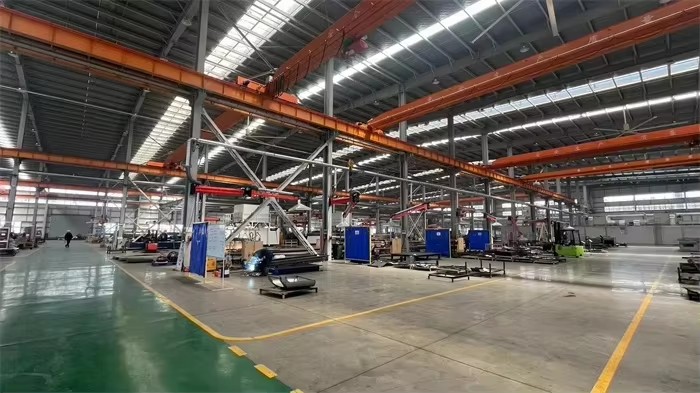
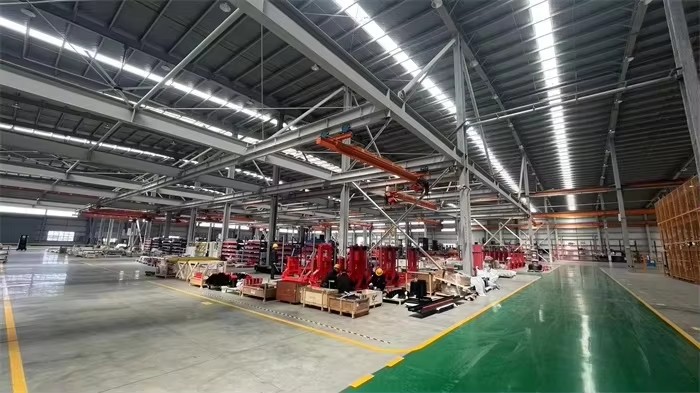
Anhui Nexrik Intelligent Technology is a high-tech manufacturer specialising in the R&D, production and integration of intelligent warehousing equipment, including AGV forklifts, VNA AGVs, reach truck AGVs, pallet stacker AGVs, counterbalanced AGVs, AS/RS stacker cranes, four-way shuttles and mini-load stacker cranes. The company is based in the Huagang Town Industry-City Integration Demonstration Zone, Feixi County, Hefei, Anhui, an established manufacturing region for China’s forklift and material-handling industry.
The published company profile states 66,650 m² of floorspace, 1,152 employees, more than USD 100 million annual revenue, 7 awarded patents and 1 registered trademark. Nexrik has been verified onsite by SGS Group and holds ISO 9001, ISO 45001 and CE marking under the Machinery Directive 2006/42/EC for its AGV range. For a wholesale buyer, these are not decorative badges. They support tender qualification, customs clearance and the internal risk review that many distributors and end users require before a purchase order is released.
The product advantage is not simply a long catalogue. The company can combine AGV forklifts, AS/RS stacker cranes, four-way shuttles and RGVs into one WMS-ready intralogistics scheme. Its turnkey workflow covers site analysis, solution design, equipment selection, manufacturing, factory acceptance testing, commissioning, WMS interface testing, operator training and lifecycle support. That single-source model reduces interface risk between the truck, rack, software and safety systems.
Customisation and export support are also relevant to wholesale buyers. Nexrik provides full customisation, OEM, ODM and buyer-label production, including load capacity, lift height, fork configuration and cold-storage variants. The listed MOQ is 1 set, which allows a pilot unit before fleet expansion. Accepted trade terms include FOB, CFR, CIF, EXW, FAS, CIP and DDP; payment methods include L/C, D/P, D/A, MoneyGram, credit card and Western Union in USD, EUR or CNY. The company cites service coverage across Southeast Asia, South America, Eastern Europe, South Asia and North America.

Verified compliance package
SGS onsite verification, ISO 9001, ISO 45001 and CE under 2006/42/EC provide a documented starting point for regulated markets and tender submissions.
Large manufacturing footprint
66,650 m² of floorspace and 1,152 staff support the capacity to handle fleet orders, custom bodies and multi-product warehouse automation projects.
One-stop turnkey integration
AGV forklifts, AS/RS stacker cranes, four-way shuttles and RGVs can be engineered as one WMS-ready system rather than assembled from unrelated suppliers.
OEM / ODM and buyer label
Custom load capacity, lift height, fork dimensions, battery configuration and cold-storage variants are available for distributors, integrators and private-label programmes.
Inspection before shipment
Onsite material inspection and finished-product inspection are part of the manufacturing process, supporting a more controlled handover and factory acceptance test.
Export-ready commercial terms
FOB, CFR, CIF, EXW, FAS, CIP and DDP; L/C, D/P, D/A, MoneyGram, credit card and Western Union; USD, EUR or CNY. MOQ starts at 1 set for pilot projects.


Site analysis & design
Rack layout, load unit, throughput, floor condition and interface requirements are reviewed before equipment selection.
Manufacturing & inspection
Production is supported by material inspection, finished-product inspection and factory acceptance testing before shipment.
Commissioning & training
Mapping, WMS interface tests, safety validation, route tuning and operator training are completed on site.
Lifecycle support
Remote diagnostics, spare-parts supply, maintenance planning and future fleet expansion keep the system productive.
Want to compare this manufacturer against your current specification? Send the pallet size, load weight, aisle width, lift height, rack drawing and expected moves per hour. The response should be a configuration review, not a generic price list.
Send an InquiryNarrow Aisle Forklift & AGV Questions Buyers Ask First
These are the questions that most often decide whether a quotation becomes a real project. The answers below are written from a procurement and engineering review perspective.
What is the minimum order quantity for wholesale narrow aisle forklifts?
How do I choose between a 3-way VNA forklift, reach truck and counterbalanced AGV?
What is the difference between laser navigation and 3D SLAM?
Which certificates and documents should be included in the quotation package?
Can the manufacturer customise load capacity, lift height, forks and cold-storage configuration?
Can the AGV or AS/RS equipment connect to our existing WMS or ERP?
What trade and payment terms are accepted?
How should I compare price and avoid hidden costs?
What acceptance tests should be performed before shipment and on site?
What information should I send to get an accurate quotation?
Request a Fit-for-Purpose Narrow Aisle Plan
Share your rack layout, pallet specification, aisle width, lift height and throughput target. A useful supplier response should identify the right equipment platform, flag engineering risks and propose the verification documents needed for your tender or import process.
Useful attachments: rack CAD drawing, pallet photo and dimensions, load weight and load center, floor flatness report, shift pattern, WMS/ERP requirements, destination country and target commissioning date.