Eight Industrial Mobile Robot Platforms for Wholesale Procurement
Buyers comparing China wholesale industrial mobile robots should evaluate the load, lift height, navigation method, safety architecture and integration path before price. The eight platforms below cover narrow-aisle storage, workshop transport, stacker duty, reach truck handling and autonomous forklift applications.
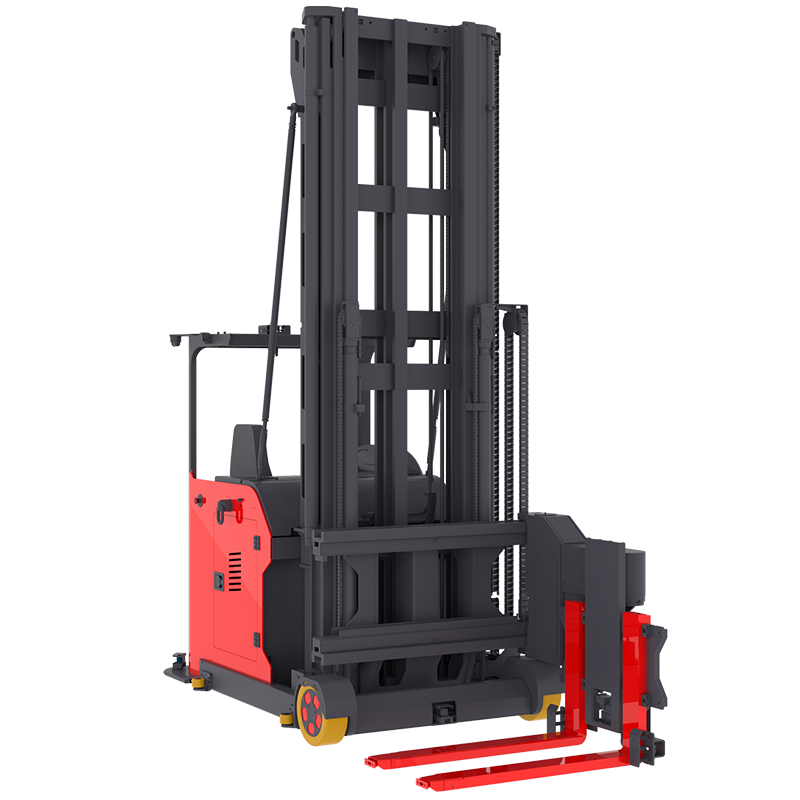
EFORK CDME16J-80S VNA Truck AGV Mobile Robot 1.6T 8M 3-way Forklift Laser Slam Narrow Aisle
A narrow-aisle platform for high-bay pallet storage. The 1.6T capacity, 8m lift and rotating three-way head support dense racking where conventional forklifts cannot turn efficiently.
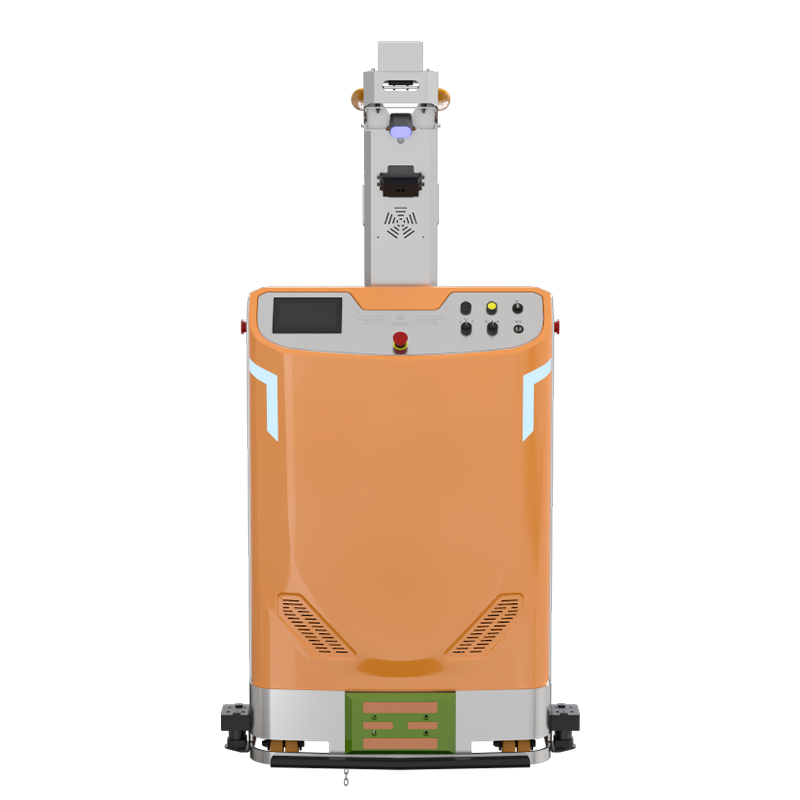
2T Material Handling AGV Body Narrow Body Compact Chassis 3D SLAM Navigation Laser Obstacle Avoidance
Compact 2T chassis for workshop transport. 3D SLAM maps natural building features, while laser obstacle avoidance supports mixed pedestrian and pallet flows.
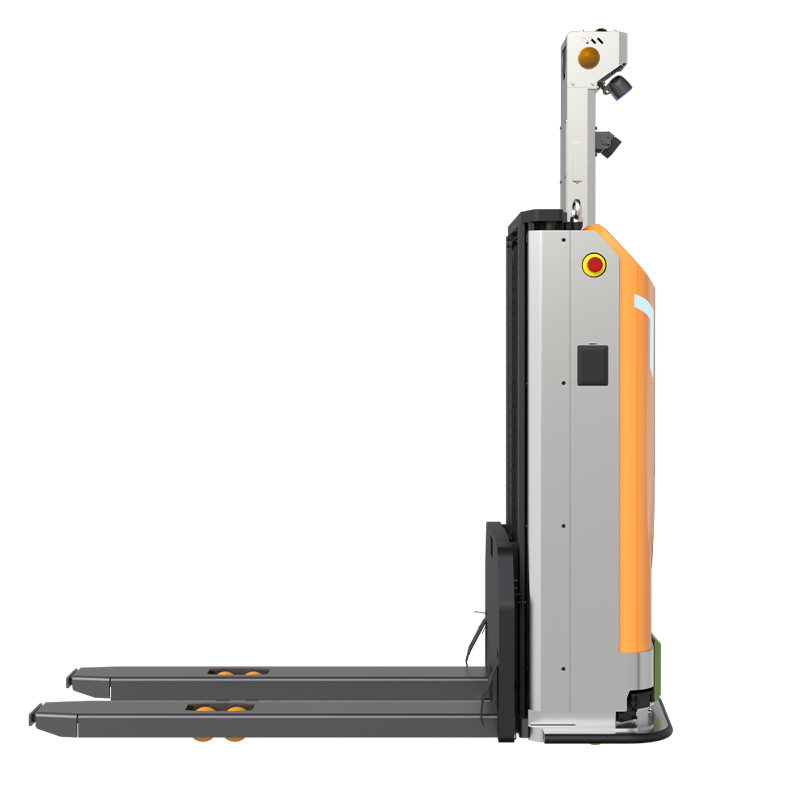
2T Slim Narrow-Body Stacker AGV with 3D SLAM & WIFI/5G for High-Density Storage
A slim 2T stacker AGV for high-density storage, 1.6m pallet stacking and connected fleet operation. Ideal for space-constrained warehouses upgrading from manual stackers.
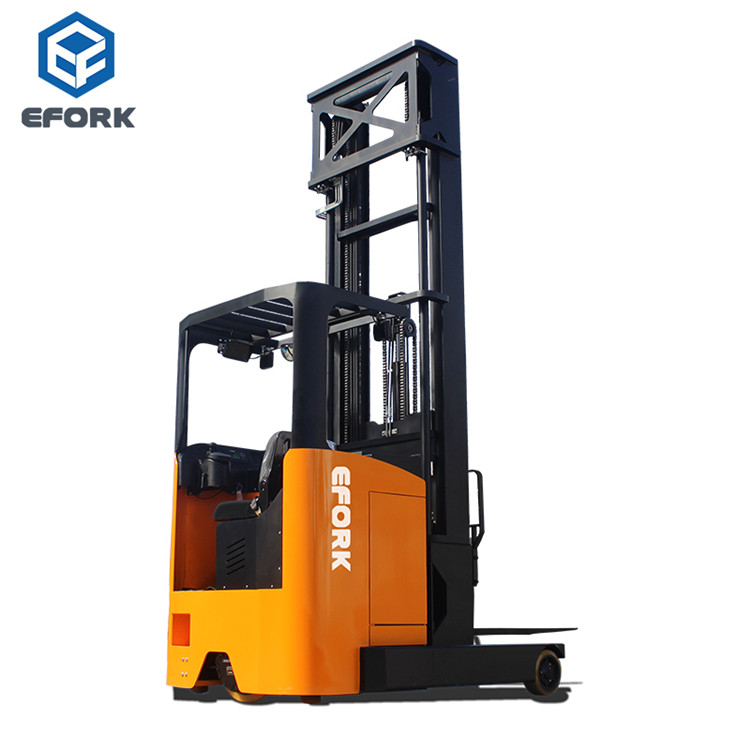
CQDE China Wholesale 2000kg 12m 8m 6m Industrial Forklift Pallet Truck
A 2,000kg industrial forklift pallet truck available in 6m, 8m and 12m configurations for buyers seeking a robust utility platform with wholesale pricing.
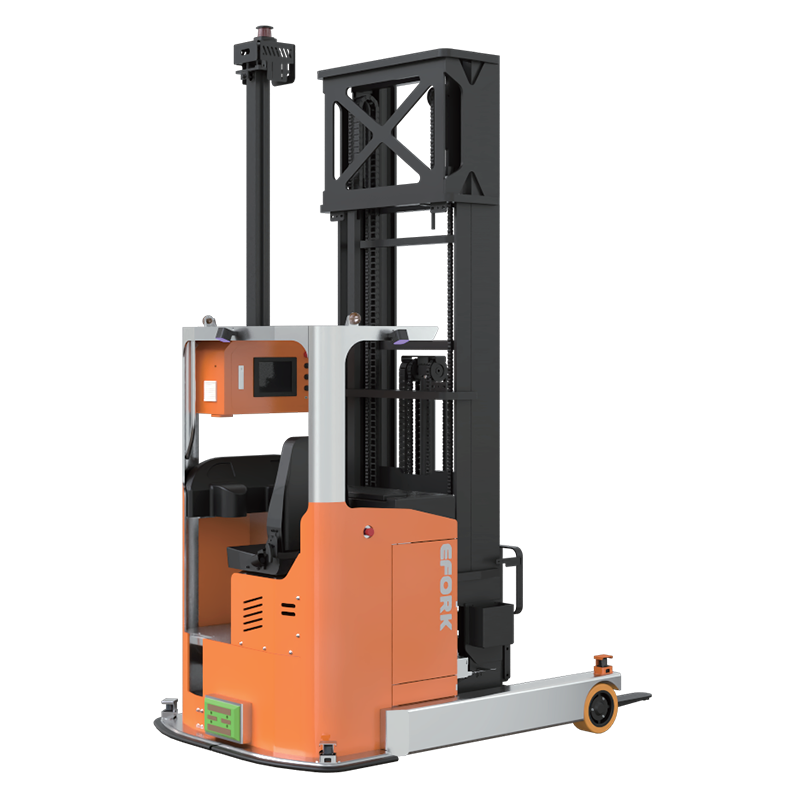
4.5M Reach Truck AGV Body 2T for Pallet Handling High Lifting Smart Warehouse Logistics Robot
A 4.5m reach truck AGV body for pallet handling, high lifting and smart warehouse logistics, using laser SLAM navigation and CE-certified safety architecture.
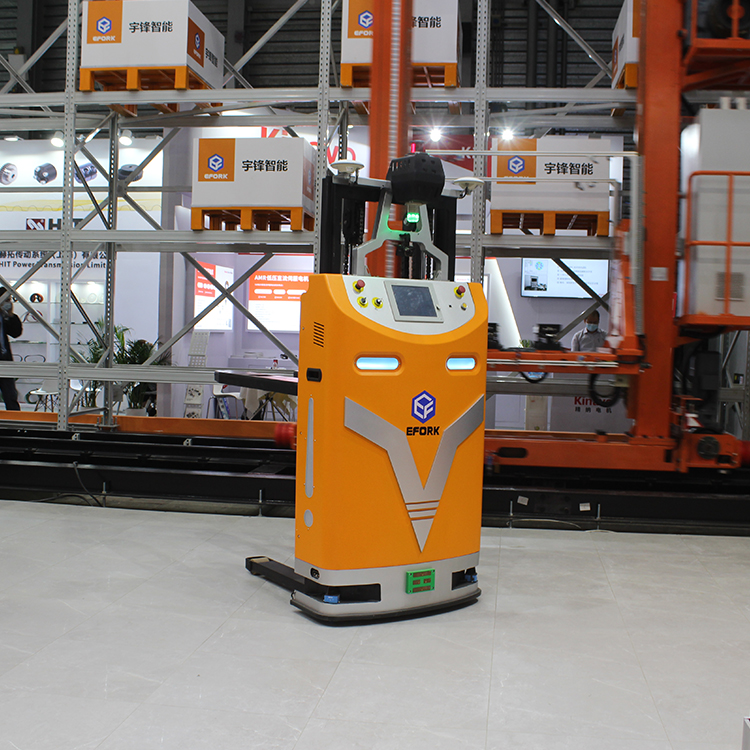
CE Certified EFORK EDA20-16 2T 1600mm Laser Navigation Self-Driving Forklift AGV
CE-certified EFORK EDA20-16 autonomous forklift with 2T capacity, 1600mm lift, laser navigation, WIFI/5G connectivity, 10mm accuracy and 6-8 hour working time.
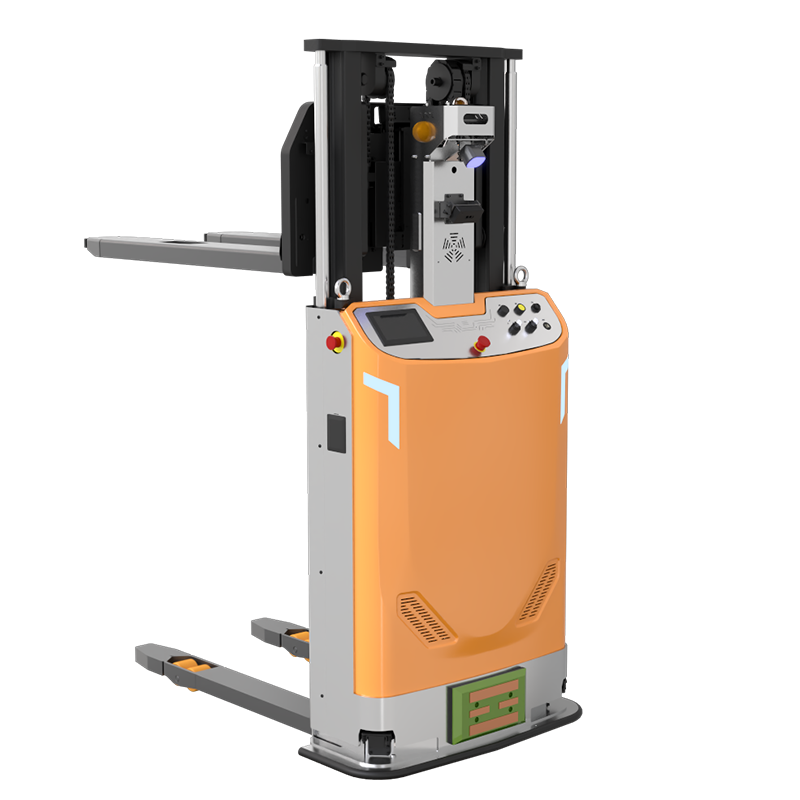
2T 1.6 M Slim Narrow-Body Stacker AGV Body for High-Density Storage
A 2T 1.6m slim narrow-body stacker AGV body for high-density storage, designed to maximize warehouse space while maintaining stable high-lift pallet stacking.
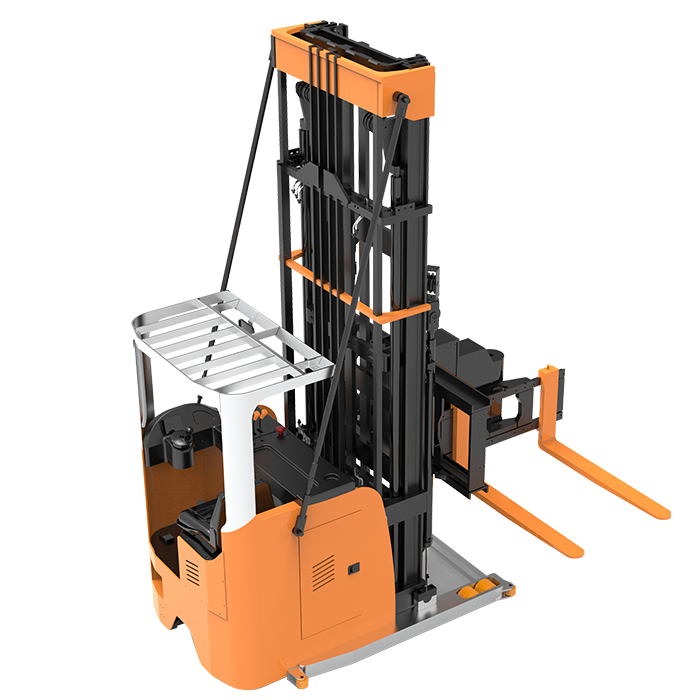
Narrow Aisle 3 Way 1600kg 1.5 Tons 3 Tons Certified Electric Forklift Three Stage Mast
A narrow-aisle 3-way electric forklift platform in 1.6T, 1.5T and 3T classes with three-stage mast options for certified high-bay handling.
A China Wholesale Industrial Mobile Robot Supplier Built for Engineering Review
Industrial mobile robots are no longer a capex experiment reserved for flagship warehouses. In a tight labor market, buyers ask suppliers to prove three things at once: that the robot can handle their actual pallet and rack profile, that the fleet can be integrated with WMS, ERP and safety systems, and that the supplier can support the installation after the container leaves China.
Anhui Nexrik Intelligent Technology Co., Ltd. operates from production bases in Hefei, Anhui, with 66,650 m² of floorspace and 1,152 employees verified through onsite assessment. The range covers AGV forklifts, VNA three-way AGVs, stacker AGVs, counterbalanced models, AS/RS stacker cranes, four-way shuttles and mini-load systems. With CE marking under 2006/42/EC, ISO 9001, ISO 45001, seven awarded patents and a MOQ of one set, the commercial model supports both pilot projects and fleet-scale rollouts.
Total Staff
Onsite verifiedFactory Floorspace
Two production basesInnovation Record
Plus 1 trademarkMinimum Order
Pilot-friendly procurementIn-House Manufacturing
Chassis, masts and control integration are built and tested on our own lines, with onsite material and finished-product inspection before shipment.
Laser & 3D SLAM
Choose reflector-based laser navigation for fixed routes or 3D SLAM for natural-feature localization that minimizes floor and rack modifications.
One-Stop Turnkey
AGVs, stacker cranes, four-way shuttles and RGVs from one source, engineered as a WMS-ready system rather than stitched together after purchase.
Export-Ready Compliance
CE marking under 2006/42/EC, ISO 9001 and ISO 45001 systems, plus SGS onsite verification help importers, tender teams and customs brokers reduce review friction.
Future Procurement Trends Buyers Should Prepare for Now
The next buying cycle will reward procurement teams that look beyond the unit price of a mobile robot. Warehouse automation is becoming an operating system for labor, safety, inventory accuracy and order responsiveness. That shift changes how a China wholesale industrial mobile robot supplier and exporter is selected.
TCO Replaces Sticker Price
Buyers now compare cost per pallet movement, spare-parts availability, technician response and energy use. A lower-priced chassis can become expensive if it requires unique spare parts or frequent route remapping.
Pilot-to-Scale Purchasing
A one-set MOQ makes it practical to validate one route, one shift and one WMS handshake before ordering a fleet. Procurement contracts increasingly include a pilot review gate before multi-unit release.
Integration-First RFQs
WMS/WCS interface, task allocation, traffic control, safety validation and operator training must be scoped before purchase. Buyers are writing integration deliverables into the RFQ, not treating them as a post-sale add-on.
Modular Mixed Fleets
VNA AGVs handle high-bay narrow aisles, stacker AGVs handle floor-to-rack transfer, and counterbalanced or reach trucks support docks and production lines. Mixed fleets are becoming the default for brownfield sites.
Compliance as a Gate
CE documentation, ISO management systems, SGS verification, risk assessment files and spare-parts lists are now due-diligence items for tender committees, insurers and importers.
Lifecycle Service Matters
Remote diagnostics, training, spare-parts kits and expansion planning are part of the buying decision. The supplier must support the robot after the container leaves China, not only during quotation.
Engineering Development Trends Shaping Industrial Mobile Robots
An automation roadmap should be technically credible. These six trends influence load units, lane design, battery strategy and the amount of building modification required before go-live.
3D SLAM + Sensor Fusion
Natural-feature localization reduces reflector and floor-tape work. Fusing lidar, vision, ultrasonic and safety scanner data improves stability in dynamic aisles with pedestrians and manual forklifts.
5G / WIFI 6 Fleet Control
Fleet orchestration needs deterministic network design. WIFI/5G connectivity supports task dispatch, real-time status, remote diagnostics and multi-robot traffic control in larger facilities.
Higher Density by Design
VNA AGVs, AS/RS stacker cranes and four-way shuttles continue to push pallet storage density. Narrow-body stackers and 3-way heads let existing buildings use more cubic space.
Battery and Opportunity Charging
Six-to-eight-hour working windows, fast charging and opportunity charging shape fleet sizing. Buyers should evaluate shift patterns, charging location and battery chemistry together.
Simulation and Digital Twins
Traffic simulation before manufacturing reduces commissioning risk. Digital models help test peak throughput, aisle congestion, charging strategy and WMS task logic before equipment arrives.
Cold Chain and Special Duty
Frozen-storage AS/RS, clean-room compatibility and dust or humidity protection are moving from custom requests to planned product families for food, pharma and cold-chain logistics.
Match Robot Architecture to Load, Lift and Throughput
Use this engineering reference to shortlist equipment before requesting a layout proposal. Final specifications should be confirmed against your pallet type, rack drawing, floor condition and safety policy.
From Specification to Go-Live: A Five-Stage Process
A structured workflow reduces commissioning risk for first-time buyers and multi-site rollouts alike.
Site Analysis
Rack layout, pallet specification, floor flatness, throughput and shift pattern review.
Solution Design
Equipment selection, fleet sizing, charging strategy and traffic simulation against peak demand.
Manufacturing
Production with onsite material and finished-product inspection, followed by factory acceptance review before shipment.
Commissioning
Mapping, WMS interface testing, safety validation and operator training.
Lifecycle Support
Remote diagnostics, spare-parts supply and fleet expansion planning after go-live.
Frequently Asked Questions for Wholesale Buyers
What is the minimum order quantity for Nexrik AGV forklifts and mobile robots?
Which navigation technologies are available?
What certifications and verification can buyers request?
Can the equipment integrate with our existing WMS or ERP?
Do you provide customization, OEM and ODM services?
Which trade and payment terms are accepted?
How should a buyer choose between VNA, reach truck and stacker AGV platforms?
What should be included in an RFQ for industrial mobile robots?
Which export markets are supported?
Request a Layout Review and Model Recommendation
Share your rack layout, pallet specification, load, lift height, throughput target and site country. An application engineer can map your requirement to the right AGV forklift, VNA platform, stacker AGV or AS/RS configuration.