Autonomous Stacker and AGV Products for Wholesale Buyers
Wholesale buying works best when the shortlist maps to real intralogistics tasks. These eight products cover omni-directional transfer, reach-truck racking, very narrow aisle high-bay storage, slim stacker routes, counterbalanced dock work, high-density pallet stacking and cost-sensitive pallet-truck projects. Each live product URL is preserved so engineers can verify drawings and request model-specific documentation.
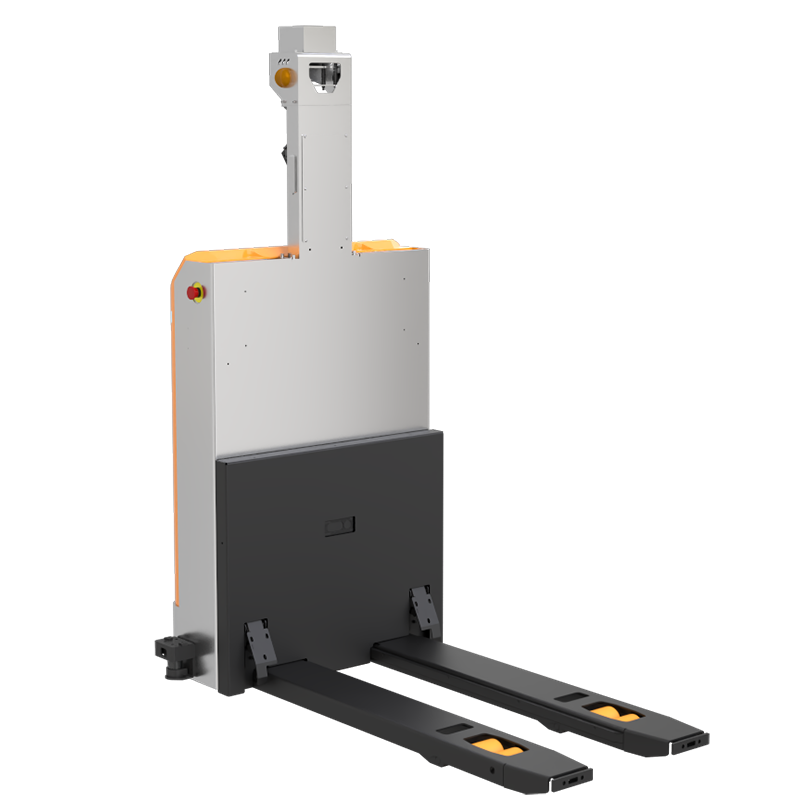 OMNI
3D SLAM
T 2.5M Omni-directional AGV Body – 1,000 kg 3D SLAM
Zero-turn chassis and 3D SLAM navigation for dense transfer routes, trailer loading and flexible production-line connections where floor space is tight.
- 1,000 kg
- 3D SLAM
- Zero radius
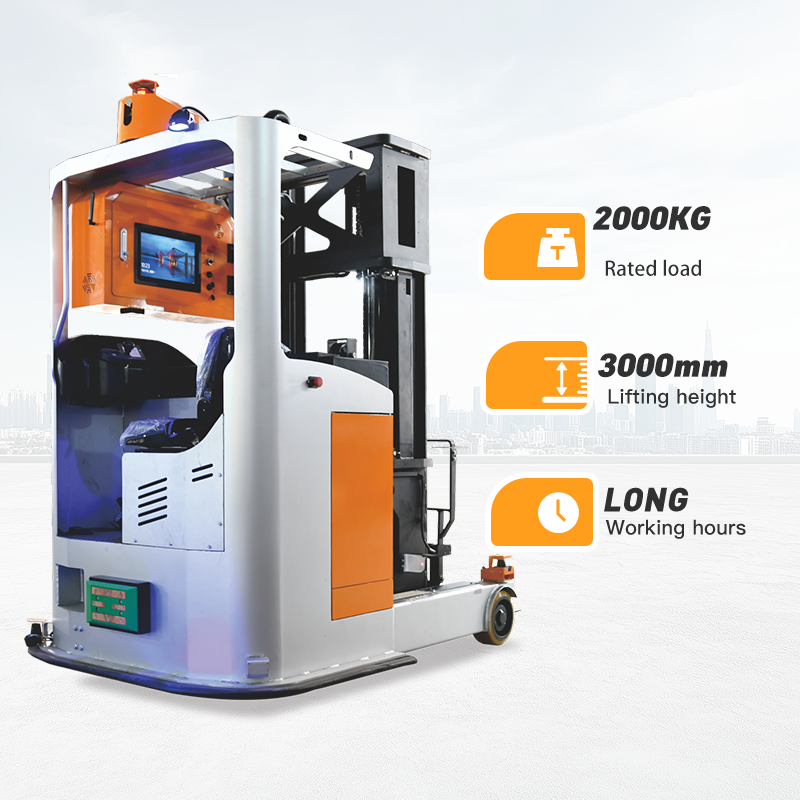 CE
LASER
Reach Truck AGV Forklift 2T 3M Laser SLAM
Laser SLAM reach truck with CE certification for racking, factory logistics and repetitive pallet movement. A practical choice when aisle space is tighter than a counterbalanced truck requires.
- 2,000 kg
- 3 m lift
- CE certified
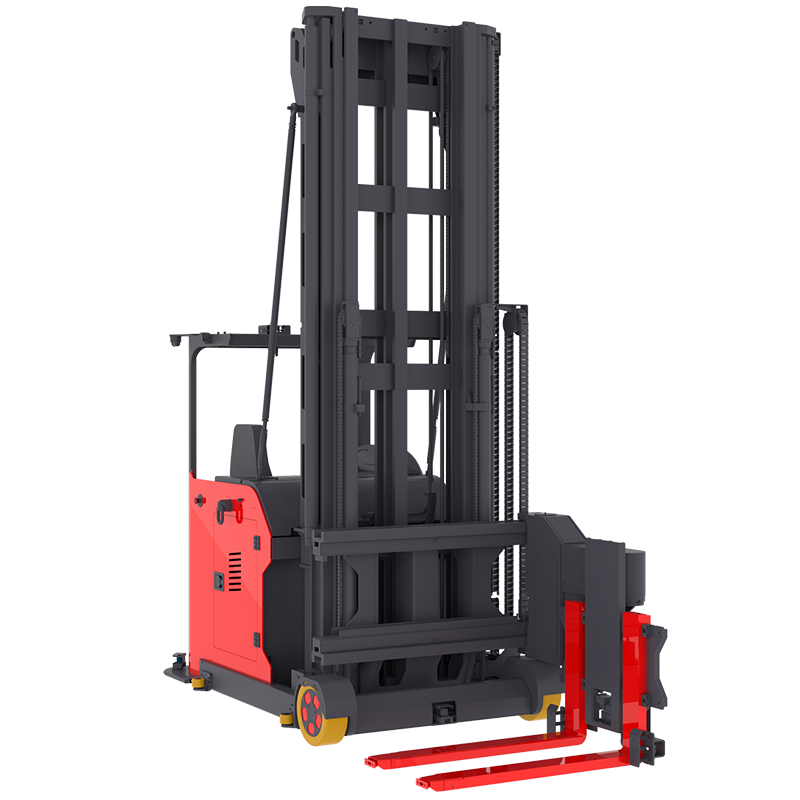 VNA
1.6T · 8M
EFORK CDME16J-80S VNA Truck AGV – 1.6T 8M 3-Way
A 1.6 t, 8 m three-way VNA AGV for very narrow aisles and high-bay storage. The rotating fork works left, right and forward, reducing aisle width while improving storage density.
- 1.6 t
- 8 m
- 3-way fork
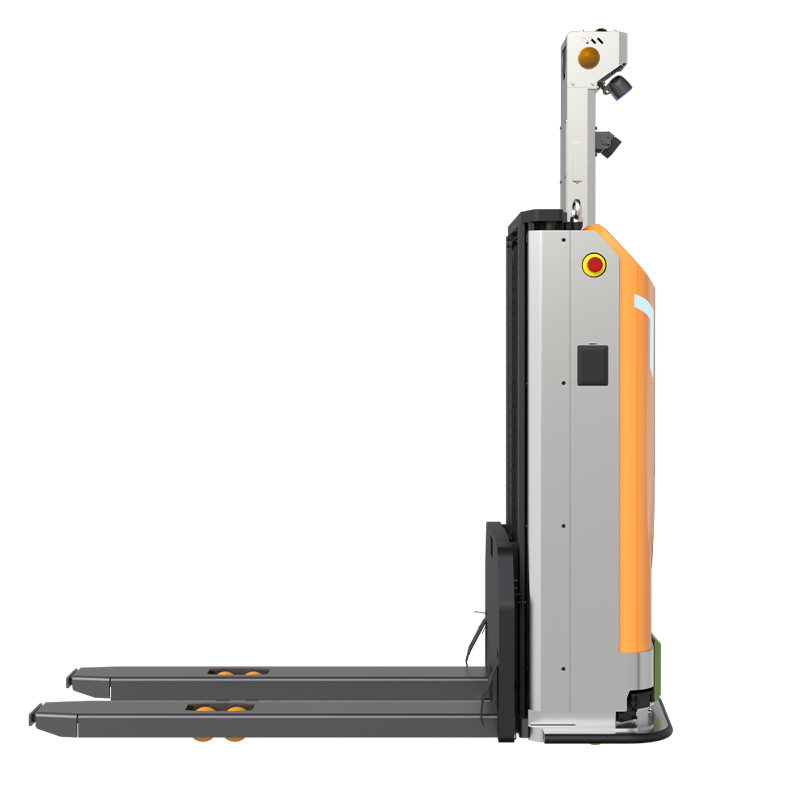 SLIM
WIFI/5G
2T Slim Narrow-Body Stacker AGV with 3D SLAM & WIFI/5G
Slim body, 1.6 m pallet stacking and 3D SLAM connectivity for high-density storage. A strong candidate for warehouses that need more pallet positions without expanding the building.
- 2 t
- 1.6 m
- High density
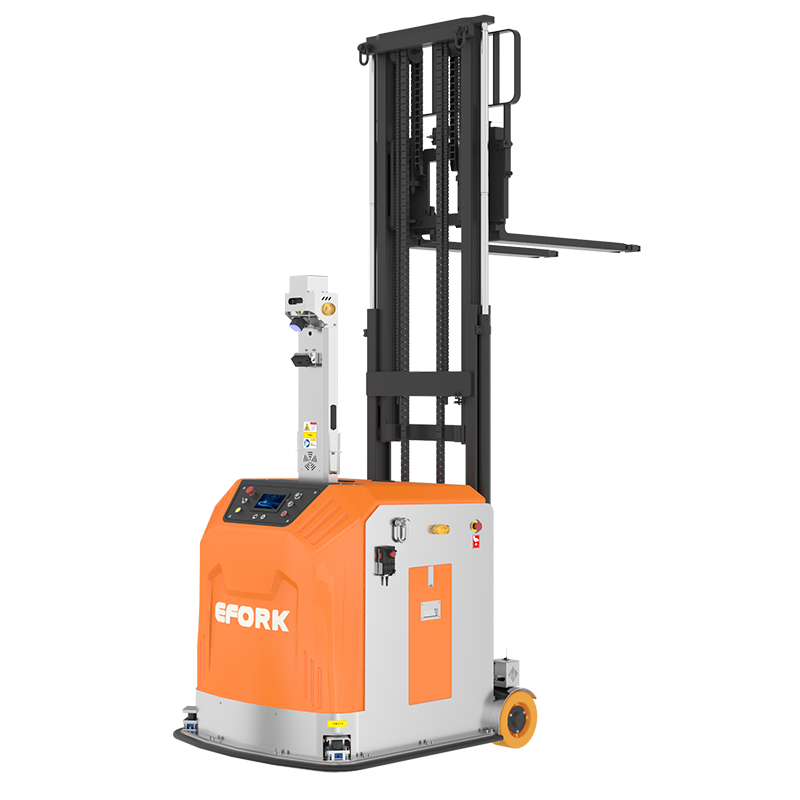 2T · 3M
3D SLAM
EFORK Heavy Duty Counterbalanced Forklift AGV – 2T 3M
Counterbalanced AGV body with 2 t capacity and 3 m lift for closed-bottom pallets, cages, docks and production lines. The no-outrigger design supports flexible end-to-end pallet handling.
- 2 t
- 3 m
- No outriggers
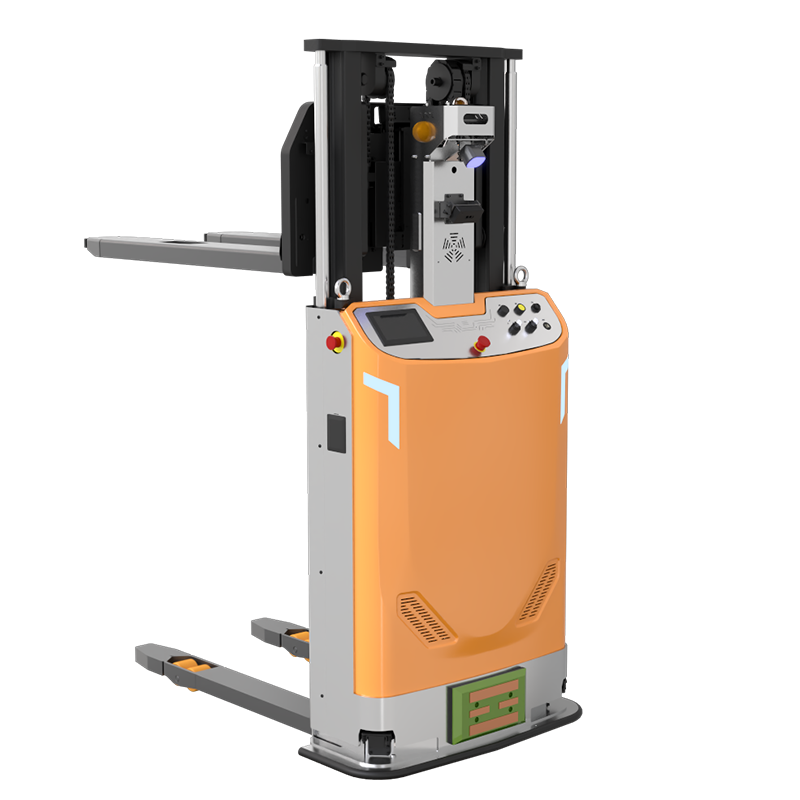 1.6M
Compact
2T 1.6M Slim Narrow-Body Stacker AGV Body
A 1.6 m slim stacker body for high-density storage and high-lift pallet stacking. Ideal where a compact footprint and clean integration with existing racking matter more than maximum travel speed.
- 2 t
- 1.6 m
- Slim body
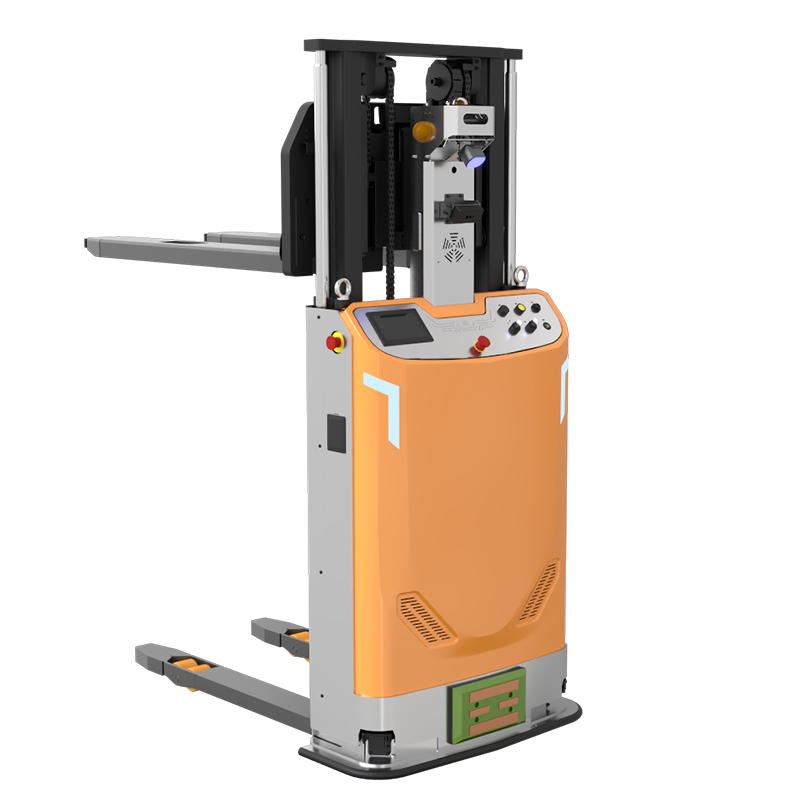 AUTO
3D SLAM
Automatic Stacker AGV Body – 2T 3M Narrow-Body
2 t capacity, 3 m lift and narrow-body construction for high-density pallet stacking. 3D SLAM and WIFI/5G support rapid mapping and stable fleet coordination.
- 2 t
- 3 m
- WIFI/5G
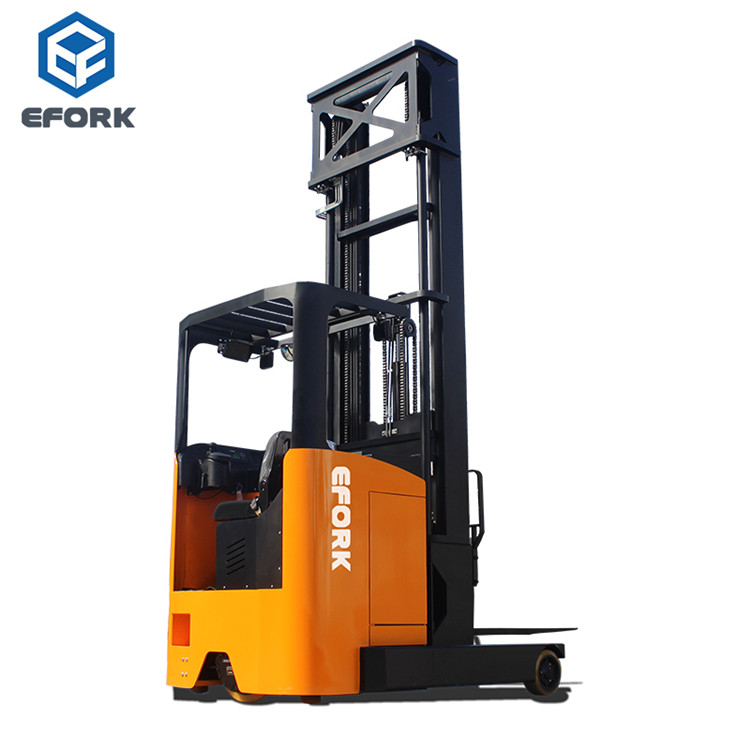 2000 kg
6/8/12M
CQDE China Wholesale 2000kg 12m/8m/6m Pallet Truck
China wholesale industrial forklift pallet truck with 2,000 kg capacity and 6 m, 8 m or 12 m lift options. A cost-sensitive platform for buyers comparing standard pallet handling with automation-ready designs.
- 2,000 kg
- 6–12 m
- Industrial
What the Best China Wholesale Autonomous Stacker Suppliers Prove Before the Quote
Many supplier pages repeat catalogue claims. The information gain that matters is verification: who owns the production line, who controls navigation and safety software, how the factory is inspected, and what documentation travels with the machine. For an autonomous stacker fleet that will operate for years, these signals reduce integration risk long before price negotiation begins.
Production Floorspace
Two production bases support chassis fabrication, mast assembly and final testing. Capacity matters when a project grows from a pilot to a multi-site rollout.
Integrated Team
Engineering, production, quality and export teams sit inside one organization, shortening the path from RFQ to factory acceptance test.
Awarded Patents
Navigation, control and mechanical design improvements are repeatable engineering assets rather than one-off workshop modifications.
Pilot-First Buying
Buyers can validate routes, cycle time and operator acceptance with a single unit before committing to fleet-scale automation.
Verified advantages include SGS onsite verification, CE marking under 2006/42/EC for the AGV range, ISO 9001 and ISO 45001 management systems, USD 100M+ annual revenue, OEM/ODM production, and export experience across Southeast Asia, South America, Eastern Europe, South Asia and North America.
Procurement Trends Reshaping Autonomous Stacker Sourcing
Buyers are no longer asking only for a machine price. They are comparing deployment risk, integration effort, safety evidence, energy strategy and the supplier’s ability to support a phased rollout. These six trends should shape the RFQ.
Pilot-to-Fleet Purchasing
Procurement teams increasingly approve one autonomous stacker first, validate cycle time and safety behavior, then release a fleet order. MOQ 1 becomes a risk-control feature rather than a small-order exception.
3D SLAM as a Shortlist Filter
3D SLAM localizes against natural building features, reducing reflector and floor-tape work. Buyers now ask whether the stacker can map quickly, recover from changes and keep stable localization in dense racking.
WMS and WCS Integration
An autonomous stacker is only useful when tasks, locations and exceptions flow cleanly between the WMS, WCS and fleet manager. Interface ownership should be defined before purchase, not during commissioning.
Safety Files Enter the RFQ
CE documentation, risk assessment, safety scanner logic, emergency stop behavior and operator training records are moving into the technical bid. This is especially important for factories with mixed pedestrian and forklift traffic.
Energy Uptime Is Priced In
Battery capacity, charging windows, opportunity charging and spare-battery strategy can change fleet size. A quote that ignores shift patterns may look cheaper but fail during peak throughput.
High-Density and Cold-Chain Demand
VNA AGVs, slim stackers, AS/RS cranes and four-way shuttles are being specified together. Cold-storage variants and high-bay designs are increasingly evaluated as part of one master logistics plan.
Product Development Trends Buyers Should Watch Through 2030
The next purchasing cycle will reward equipment that is easier to deploy, safer in mixed traffic and more transparent to the warehouse management system. These design directions are already visible in autonomous stacker and AGV roadmaps.
Higher Payload-to-Footprint Ratios
Warehouses are paying for every square metre. Slim stacker bodies, compact masts and optimized counterweights allow higher loads and lift heights without widening aisles.
Multi-Sensor Navigation
3D SLAM, laser scanners, cameras and safety lidar are being fused to improve obstacle detection in blind corners and high-traffic staging areas. The result is smoother mixed-fleet operation.
5G, Wi-Fi 6 and Edge Control
Reliable wireless coverage is now part of automation design. WIFI/5G equipment lets the fleet manager receive fast status updates and enables remote diagnostics across large sites.
Lithium Power and Opportunity Charging
Faster charging and smarter battery management reduce the need for large spare-battery rooms. Buyers should ask how charging windows align with shifts, breaks and peak order cut-off times.
Digital Twinning Before Steel Is Cut
Simulation of routes, congestion, charging and rack interactions helps size the fleet before manufacturing. This reduces the risk of buying too many or too few units for peak demand.
Modular Bodies and OEM/ODM
Modular chassis, fork dimensions, lift heights and battery packages let buyers adapt one platform across sites. OEM, ODM and buyer-label production support distributors and system integrators.
How to Verify a China Autonomous Stacker Factory or Supplier
A credible supplier should make verification easy. Use this checklist to separate trading-led websites from factories that can actually engineer, build, test and support autonomous stacker projects.
Confirm the Legal Entity
Match the company name, factory address, business license and product pages. Onsite verification by a third party such as SGS adds useful evidence for procurement and customs teams.
Audit the Certification File
Ask for CE documentation under 2006/42/EC, ISO 9001 and ISO 45001 certificates, patent evidence and inspection records. Check that the certificate scope matches the models being purchased.
Test Engineering Depth
Give the supplier a rack drawing, pallet specification, aisle width and throughput target. A factory-level engineer will discuss fleet size, traffic simulation and safety zones, not just send a price list.
Request FAT Data
Factory acceptance testing should cover navigation, load handling, emergency stop logic, route recovery and cycle time. Photos alone are not enough for an autonomous stacker investment.
Review Spare Parts and Service
Ask for wear-part lists, recommended spares, remote diagnostic support, commissioning documentation and training. A low purchase price can be offset by long downtime if support is unclear.
Stress-Test Commercial Terms
Confirm Incoterms, payment methods, currency, lead time, packing, warranty and documentation before deposit. Production slots and export paperwork should be written into the order.
Anhui Nexrik Intelligent Technology: Scale with Engineering Traceability
Anhui Nexrik Intelligent Technology Co., Ltd. manufactures AGV forklifts, VNA AGVs, counterbalanced AGVs, autonomous stackers, AS/RS stacker cranes and four-way shuttle systems from Hefei, Anhui, China. With 66,650 m² of floorspace, 1,152 employees, USD 100M+ annual revenue, 7 awarded patents and SGS onsite verification, Nexrik is structured for buyers who need both a credible pilot unit and a path to fleet supply.
In-House Manufacturing
Chassis, mast and control integration are handled inside the production system, with onsite material and finished-product inspection before shipment.
Laser and 3D SLAM
Reflector-based laser navigation suits fixed repeatable routes, while 3D SLAM minimizes floor and rack modifications in changing environments.
Compliance Package
CE marking under 2006/42/EC, ISO 9001 and ISO 45001 systems, plus SGS onsite verification, help clear tender and import reviews.
OEM / ODM Customization
Load capacity, lift height, fork dimensions, battery configuration, buyer-label production and cold-storage variants can be engineered around the project.




The company also brings export experience, 7 international exhibitions and support for FOB, CFR, CIF, EXW, FAS, CIP and DDP terms. Payment methods include L/C, D/P, D/A, MoneyGram, credit card and Western Union in USD, EUR or CNY. Get Catalog
What a Low Autonomous Stacker Unit Price Can Hide
A stacker AGV quote is only one line in the business case. The stronger comparison includes installation, mapping, WMS integration, safety validation, spare parts, charging strategy, operator training and expansion. Use a weighted scorecard so a lower purchase price does not conceal a higher three-year cost.
Configuration and Interfaces
Clarify load weight, lift height, fork length, pallet type, safety zones and WMS handshake. Missing options often return later as change orders.
Infrastructure and Mapping
Floor condition, Wi-Fi coverage, charger placement, reflectors and traffic routes affect commissioning time. 3D SLAM can reduce infrastructure work, but it still requires a disciplined site survey.
Energy, Wear Parts and Service
Battery type, charging pattern, wheel wear, scanner cleaning and annual service should be priced over the contract period. Total uptime matters more than the lowest initial invoice.
Uptime and Fleet Expansion
Confirm spare-part lead time, remote support and how additional units are added. A scalable fleet manager and documented commissioning process protect later expansion.
RFQ Data That Improves Quote Quality
- Pallet length, width, height and maximum load weight
- Required lift height and rack beam levels
- Aisle width, floor flatness and traffic routes
- Throughput per hour, shifts and peak periods
- Rack drawings or CAD layout where available
- WMS, ERP or fleet-manager interface requirements
- Safety zones, pedestrian rules and charging location
- Target go-live date, budget range and site country
Autonomous Stacker Procurement FAQ
These are the questions wholesale buyers ask most often when comparing China autonomous stacker factories and suppliers.
What is the minimum order quantity for these autonomous stackers and AGVs?
The MOQ for the AGV forklift, stacker, AS/RS stacker crane and four-way shuttle models referenced on this page is 1 set. This supports a pilot-first procurement strategy: validate routes, cycle time, safety behavior and operator acceptance before scaling to a fleet.
How do I choose between a slim stacker, reach truck, VNA AGV and counterbalanced AGV?
Use the load unit and rack layout to shortlist. A slim stacker suits compact high-density storage; a reach truck AGV balances aisle width and medium lift height; a VNA AGV serves very narrow aisles and high-bay storage; a counterbalanced AGV handles closed-bottom pallets, cages and dock work without front outriggers.
Is 3D SLAM or laser navigation better for wholesale warehouse projects?
3D SLAM is often favored where the building changes or where minimizing reflectors and floor tape matters. Laser navigation remains strong for highly repetitive fixed routes. The right answer depends on aisle geometry, traffic density, Wi-Fi coverage, rack stability and the site’s tolerance for infrastructure work.
Which certifications and factory checks should I request?
Ask for CE documentation under the Machinery Directive 2006/42/EC, ISO 9001 and ISO 45001 certificates, patent evidence, SGS or equivalent onsite verification, and factory acceptance test records. Confirm that the certificate scope and model list match the equipment you are buying.
Can the factory customize load, lift height, forks and battery configuration?
Yes. Nexrik provides full customization, OEM, ODM and buyer-label production. Common customizations include load capacity, lift height, fork length and width, battery configuration, cold-storage variants and interface requirements for the buyer’s WMS or fleet manager.
What trade and payment terms are accepted?
Accepted trade terms include FOB, CFR, CIF, EXW, FAS, CIP and DDP. Payment methods include L/C, D/P, D/A, MoneyGram, credit card and Western Union in USD, EUR or CNY. Final terms should be confirmed in the sales contract with lead time, packing and warranty details.
Build a Better RFQ for China Wholesale Autonomous Stackers
Send your pallet dimensions, load weight, lift height, aisle width, throughput target and WMS requirements. Our engineers will respond with a recommended model mix, preliminary fleet size and documentation checklist for your internal approval.