Why the Automated Counterbalance Forklift Is Becoming the Backbone of Wholesale Warehouse Automation
A counterbalance automated forklift is chosen when the load unit has a closed bottom, when pallets must be picked from floor level, or when trailers, docks, cages and production lines require a truck without front outriggers. That operating pattern is different from a reach truck AGV or a very narrow aisle VNA truck, and the difference affects safety validation, aisle design, battery strategy, WMS integration and total cost of ownership.
For professional buyers, the more important question is not “which AGV forklift is cheapest?” but “which configuration removes labor variability without creating a new bottleneck?” A 2T 3000MM pallet AGV forklift with 3D SLAM and WIFI/5G communication can be a strong first step for warehouse automation because it localizes using natural building features instead of relying only on floor tape or reflectors. That can reduce site preparation and shorten the window between factory acceptance testing and go-live. For heavier factory logistics, a 3T 3000MM counterbalanced AGV forklift or a multi-directional 4T–5T reach truck stacker may be more appropriate, especially where long loads, narrow aisles or high-density racking dominate the material flow.
This is where information gain matters in supplier selection. A credible China wholesale automated counterbalance forklift manufacturer and exporter should provide verifiable factory scale, CE documentation under the Machinery Directive 2006/42/EC, ISO 9001 and ISO 45001 systems, SGS onsite verification, patent records, trade terms, payment options and a practical commissioning method. Anhui Nexrik Intelligent Technology Co., Ltd. is positioned around those exact buyer checks: manufacturing scale in Hefei, one-stop AGV forklift and AS/RS integration, full OEM/ODM customization and export experience across Southeast Asia, South America, Eastern Europe, South Asia and North America.
8 Automated Counterbalance Forklift & AGV Models for Wholesale Buyers
Use this shortlist to match load, lift height, navigation and aisle conditions. Every model below can be discussed against your rack layout, pallet drawing and throughput target.
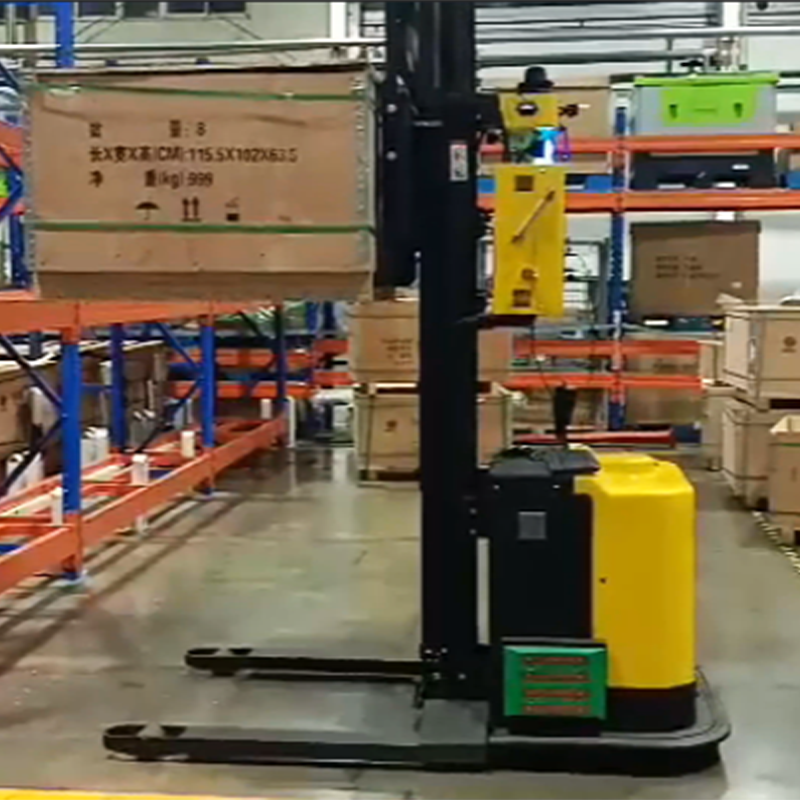
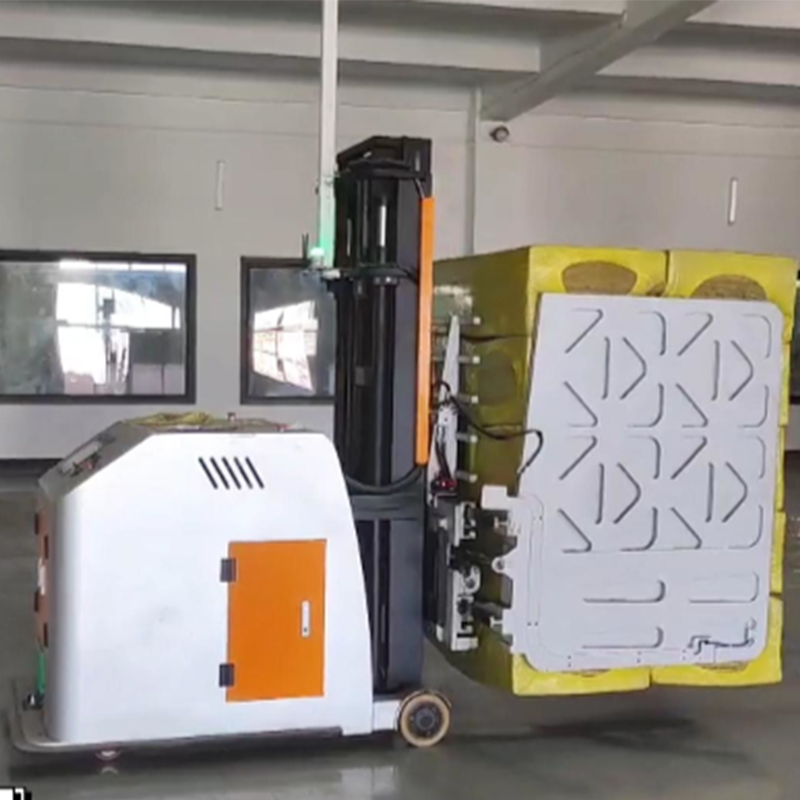
EFORK Automated Guided Vehicle AGV Forklift 3T 3000MM Counterbalanced 3D SLAM Construction Factory Logistics Pallet Truck
- 3T
- 3000mm
- Counterbalanced
- 3D SLAM
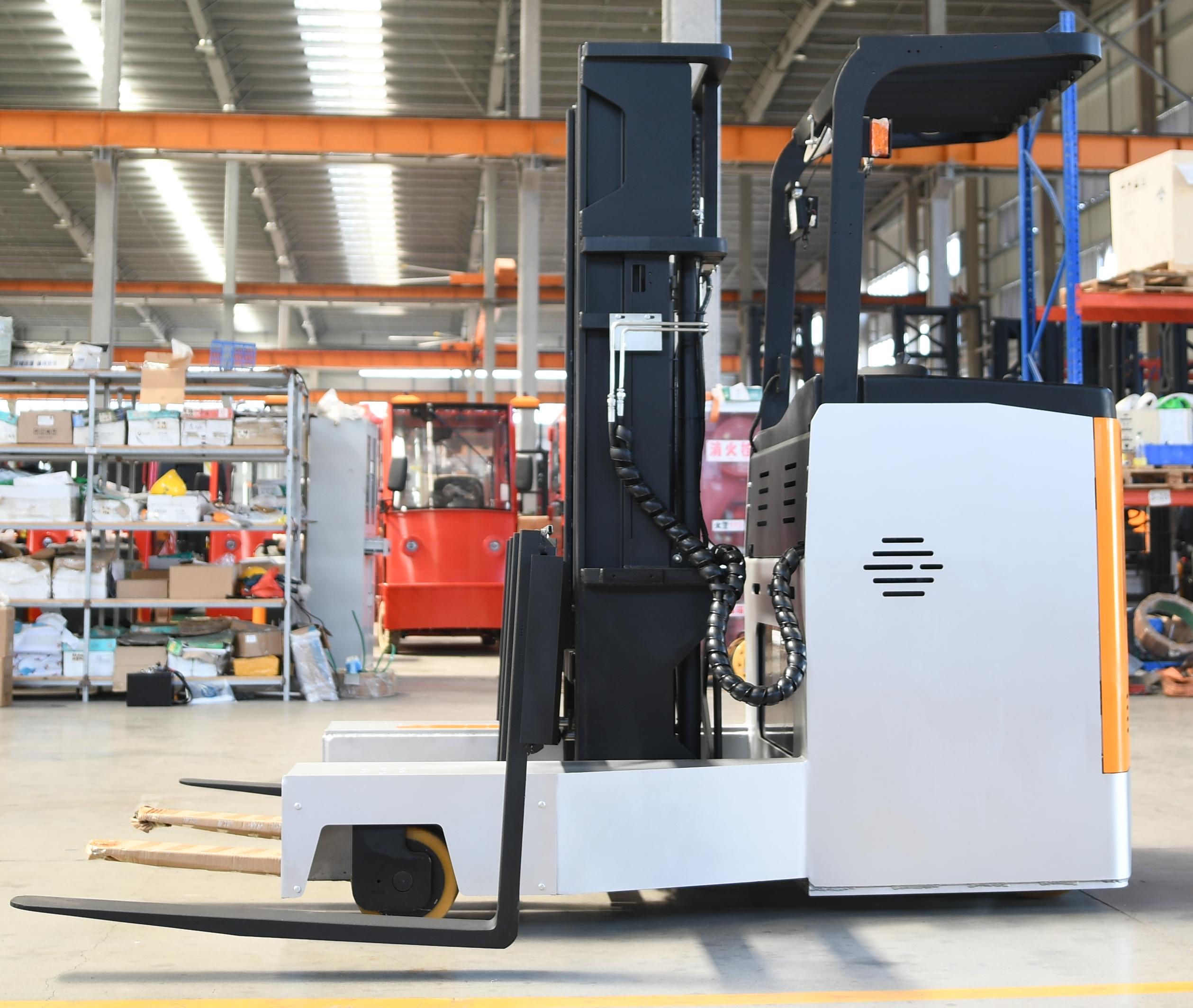
Multi Directional Forklift 4Ton 5Ton 4 Way Forklift Reach Truck Stacker For Narrow Aisle Small Space
- 4T–5T
- 4-Way
- Narrow Aisle
- Reach Truck
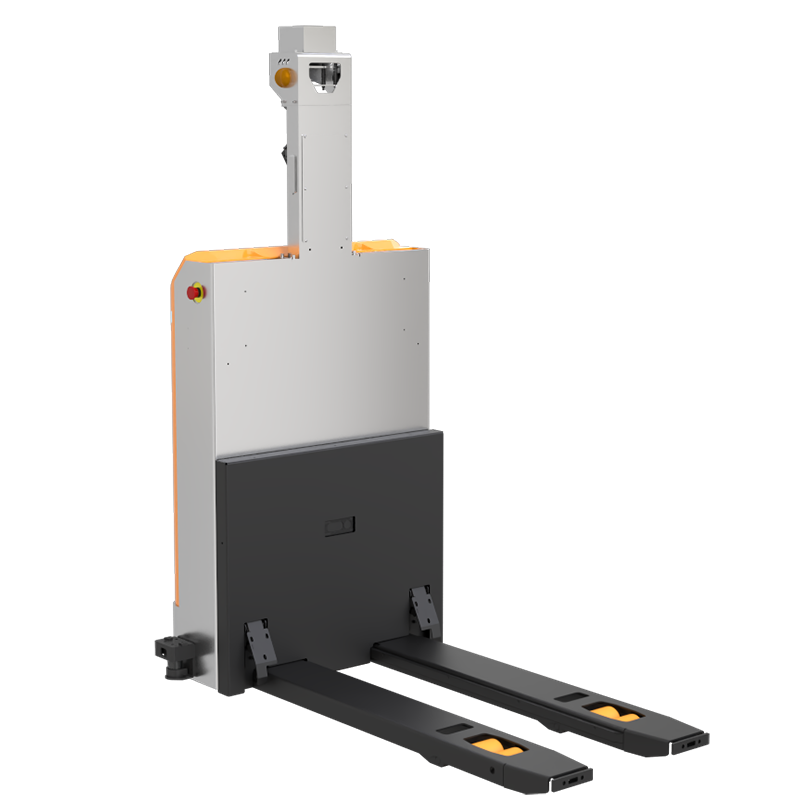
T 2.5M Omni-directional AGV Body 1 3D SLAM Navigation 1000kg Load Capacity Flexible Movement Zero Turning Radius for
- 1000kg
- 2.5M
- Omni-directional
- Zero Turn
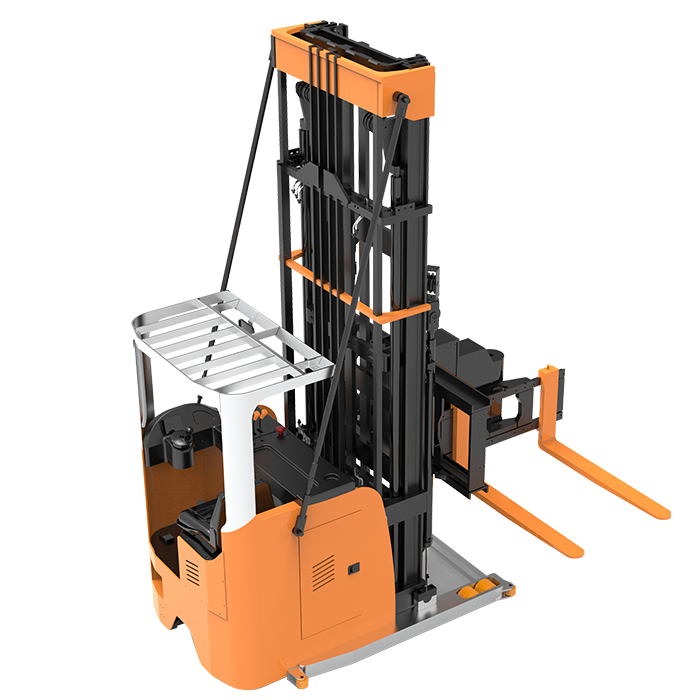
Narrow Aisle 3 Way 1600kg 1.6 Tons1.5 Tons 3 Tons Certified Electric Forklift Forklift Three Stage Mast
- 1600kg
- 3-Way
- Three Stage
- Narrow Aisle
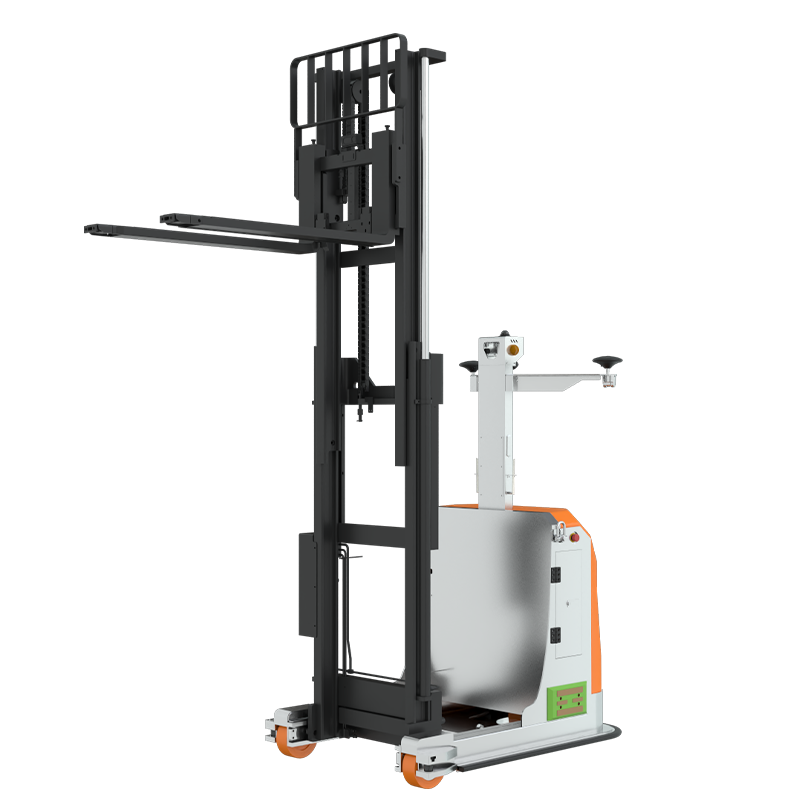
Reach Truck AGV Narrow Body 1.5T 3M Compact Design Fork Forward Function 3D SLAM Navigation 10mm Positioning Accuracy for
- 1.5T
- 3M
- Compact Reach
- 10mm Accuracy
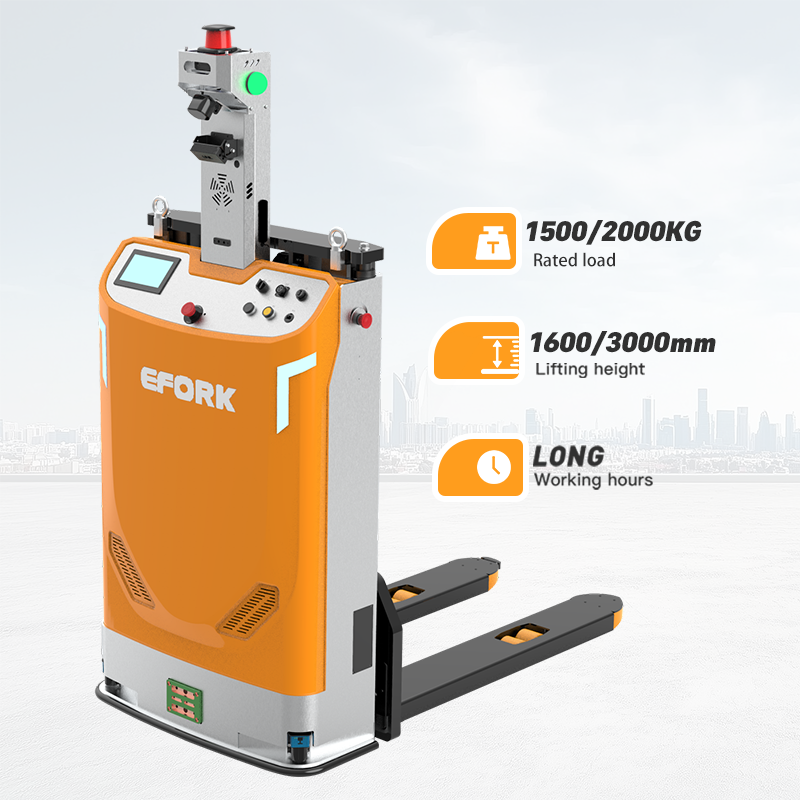
CE Certified EFORK EDA20-16 2T 1600mm Laser Navigation Self-Driving Forklift AGV WIFI/5G for Warehouse Automation Logistics
- 2T
- 1600mm
- Laser Navigation
- WIFI/5G
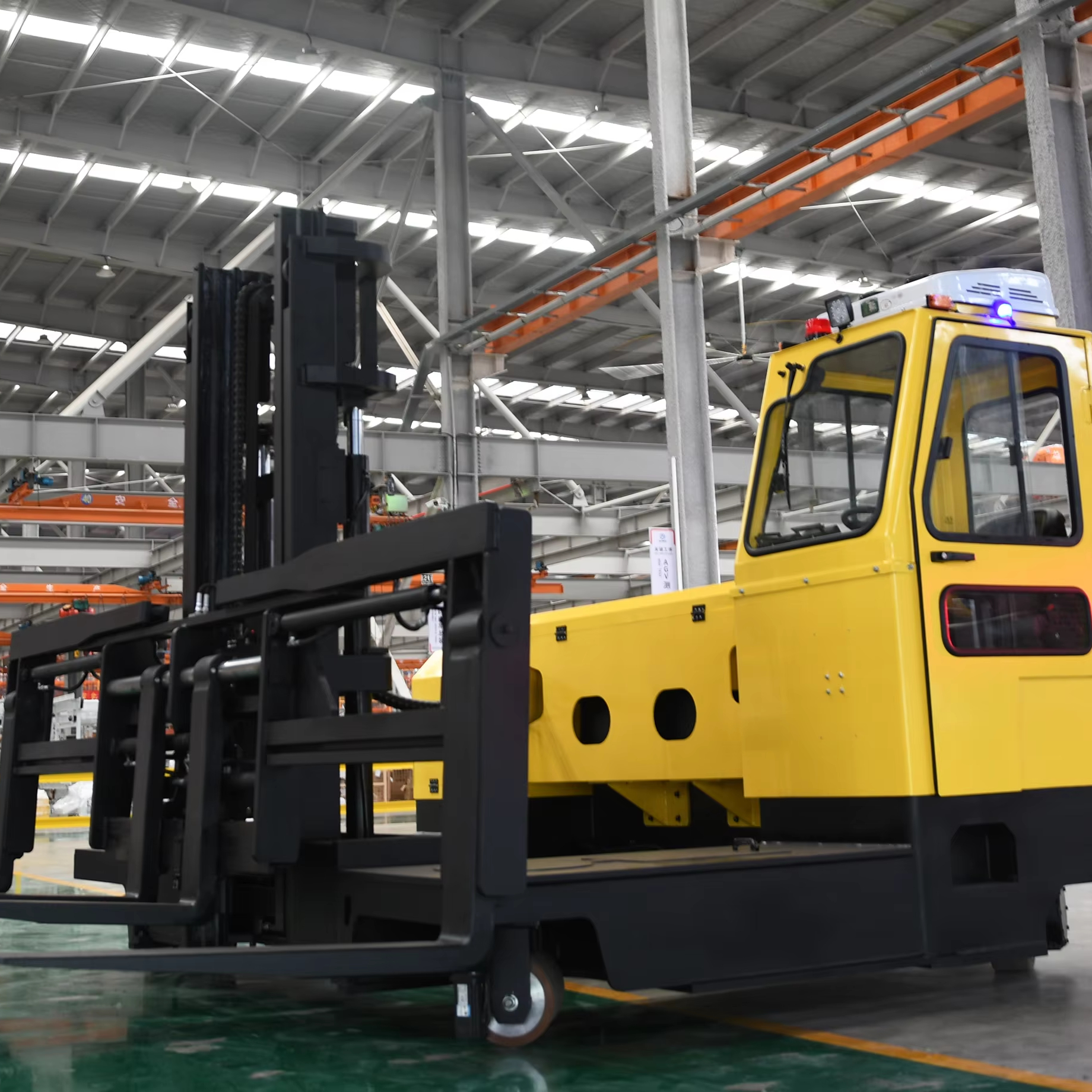
Multi-directional Forklift Reach Truck Stacker 3.5 Ton 5Ton Full Way Electric Side Loader Forklift With Wide Body Seat
- 3.5T–5T
- Side Loader
- Full Way
- Wide Body
Product Recommendation: Match the Automated Forklift to the Material Flow
Buyers who compare only load capacity often miss the real constraint: aisle width, load bottom, lift height and how the truck receives instructions from the WMS.
2T 3M Pallet AGV for Warehouse Automation
Best first step for pallet movement, line-side delivery and dock staging where 3D SLAM can reduce fixed navigation infrastructure. The WIFI/5G communication option supports fleet coordination in larger buildings.
Review 2T Model3T Counterbalanced AGV for Factory Logistics
Recommended when loads have closed bottoms, when front outriggers would interfere with trailers or cages, or when construction and factory logistics require a robust 3,000 mm lift platform.
Review 3T ModelMulti-Directional 4T–5T for Narrow Aisles
Useful when long loads, wide bodies or intense racking density make conventional counterbalance turning inefficient. Four-way movement supports space-constrained warehouse layouts.
Review 4T–5T ModelCompact Reach AGV for High-Density Retrofits
A 1.5T narrow-body reach AGV can be a better fit than a counterbalance truck when selective racking and 3M lift are required, but aisle space is tighter and forward reach is needed.
Review 1.5T Reach Model2025–2030 Procurement Trends: What to Put in Your RFQ
Wholesale buyers are shifting from single-machine price comparison to lifecycle evaluation. The RFQ should capture throughput, safety, integration, energy and service assumptions before quotations are compared.
Pilot-First Procurement
A MOQ of 1 set allows buyers to validate route logic, cycle time and safety behavior before scaling. This is especially valuable for first-time AGV projects and multi-site rollouts.
Total Cost of Ownership
Battery strategy, opportunity charging, spare-parts availability, safety scanner maintenance and WMS integration effort often matter more than the initial unit price.
3D SLAM for Faster Retrofits
Natural-feature localization can reduce reflector and floor-tape requirements. For existing buildings, that may shorten site preparation and lower disruption during installation.
Safety Compliance Evidence
Ask for CE documentation under 2006/42/EC, ISO 9001 and ISO 45001 systems, SGS onsite verification and a clear safety validation plan for mixed pedestrian and forklift traffic.
WMS-Ready Integration
The AGV should be specified as part of a warehouse execution flow, not as a standalone truck. Interface requirements with WMS, ERP and fleet orchestration should be tested during commissioning.
Interoperability & Fleet Expansion
Buyers increasingly ask for open fleet interfaces, such as VDA 5050 compatibility where applicable, so that AGVs, reach trucks and future AMRs can be orchestrated without vendor lock-in.
What Wholesale Buyers Prioritize in 2025–2030
Based on common RFQ evaluation criteria for automated counterbalance forklift projects, the strongest proposals connect cycle-time certainty with safety and integration evidence. A lower-priced truck that cannot be validated against the WMS or safety plan often creates more expensive delays.
Product Development Trends: Where Automated Counterbalance Forklifts Are Heading
The next buying cycle will reward suppliers who can combine robust truck design with software integration, energy management and configuration flexibility.
Higher Lift in Compact Chassis
Counterbalance AGVs are moving toward 3,000 mm lift with tighter footprints so they can handle racking, trailers and production lines without the aisle penalty of a larger truck.
SLAM and Laser Fusion
3D SLAM reduces fixed infrastructure, while laser navigation remains valuable for repetitive fixed routes. Future configurations will combine both to balance commissioning speed and positioning certainty.
Digital Twin and Traffic Simulation
Before a truck is built, traffic simulation can test intersections, charging positions and peak demand. This lowers the risk of buying the wrong fleet size or underestimating aisle congestion.
Battery and Charging Strategy
Opportunity charging, lithium battery options and battery-swap planning are becoming procurement questions because uptime and energy cost directly affect fleet productivity.
Cold Storage and Harsh Environments
Frozen storage, food and pharma projects require adapted batteries, seals, sensors and lubrication. Equipment should be specified for the operating temperature, not simply downgraded from a standard model.
Modular OEM / ODM Customization
Load capacity, lift height, fork dimensions, battery configuration, branding and cold-storage variants are increasingly treated as modular options rather than fully bespoke projects.
Counterbalance AGV vs Reach AGV vs VNA: A Practical Selection Matrix
Use this matrix to align equipment type with the load unit and building constraint before requesting a formal proposal.
Final specifications are confirmed during project engineering based on load units, rack drawings, floor conditions, safety requirements and WMS interface scope.
Inside Anhui Nexrik: A Verified Manufacturing Partner for Wholesale Automation
Anhui Nexrik Intelligent Technology Co., Ltd. is a high-tech manufacturer specializing in AGV forklifts, AS/RS stacker cranes, four-way shuttles, RGVs and intelligent warehousing integration.
Located in the Huagang Town Industry-City Integration Demonstration Zone, Feixi County, Hefei, Anhui, the company operates with 1,152 staff and 66,650 m² of manufacturing space. Its credentials include CE marking under Machinery Directive 2006/42/EC, ISO 9001 quality management, ISO 45001 occupational health and safety, 7 awarded patents, 1 registered trademark and SGS onsite verification. These are not decorative claims; they are the documents wholesale buyers, importers, tender teams and customs brokers actually request.



Manufacturing Scale You Can Verify
66,650 m² of factory space and 1,152 staff support chassis production, mast integration, testing and export packing. SGS onsite verification gives overseas buyers a third-party reference point before placing a fleet order.
Compliance and Traceability
CE, ISO 9001, ISO 45001, 7 patents and SGS onsite verification help buyers respond to tender requirements, customs inquiries and internal supplier approval processes.
One-Stop Turnkey Range
AGV forklifts, AS/RS stacker cranes, four-way shuttles and RGVs can be engineered as one integrated system, reducing the coordination risk of buying separate equipment from multiple suppliers.
Full Customization, OEM and ODM
Load capacity, lift height, fork configuration, battery setup, buyer-label production and cold-storage variants can be customized around the real operating conditions of the project.
Export-Ready Trade Support
Accepted Incoterms include FOB, CFR, CIF, EXW, FAS, CIP and DDP. Payment can be made by L/C, D/P, D/A, MoneyGram, credit card or Western Union in USD, EUR or CNY, with experience serving Southeast Asia, South America, Eastern Europe, South Asia and North America.
Engineering-Led Project Delivery
Projects begin with rack layout, pallet specification, floor conditions, throughput and shift-pattern review, then move through solution design, manufacturing, FAT, commissioning, WMS testing and lifecycle support.
Questions Wholesale Buyers Ask Before Ordering
Clear answers reduce quotation cycles and help internal teams compare automated counterbalance forklift suppliers on the same basis.
What is the minimum order quantity?
The MOQ for every AGV forklift, stacker crane and four-way shuttle model is 1 set. This supports pilot-first procurement so buyers can validate routes, cycle times and safety behavior before scaling.
Should we choose 3D SLAM or laser navigation?
3D SLAM localizes using natural features of the warehouse and can reduce reflector or floor-tape work. Laser navigation remains strong for highly repetitive fixed routes. The right choice depends on building complexity, route stability and site preparation constraints.
Which certifications can be provided?
CE marking under Machinery Directive 2006/42/EC, ISO 9001 quality management, ISO 45001 occupational health and safety, 7 awarded patents and SGS onsite verification of premises and legal status.
Can the AGV integrate with our WMS or ERP?
AS/RS and four-way shuttle systems are designed WMS-ready. Interface requirements with existing WMS or ERP platforms are defined during solution design and tested during commissioning so that the truck is not treated as a standalone machine.
Can you customize the forklift and project schedule?
Yes. Full customization, OEM, ODM and buyer-label production are available, including load capacity, lift height, fork dimensions, battery configuration and cold-storage variants. Production scheduling is confirmed after technical specification lock and project scope approval.
What trade and payment terms are accepted?
Incoterms include FOB, CFR, CIF, EXW, FAS, CIP and DDP. Payment can be made via L/C, D/P, D/A, MoneyGram, credit card or Western Union in USD, EUR or CNY. Express delivery can also be discussed for urgent components.
Get a Layout-Specific Counterbalance AGV Proposal
Send your pallet drawing, rack layout, throughput target and building constraints. Our engineers will recommend the right mix of counterbalance AGV, reach truck AGV, VNA truck or multi-directional forklift, with navigation, safety and integration requirements clarified before quotation.