Semantic Sourcing Guide · Hefei Manufacturing Base
China Top VNA AGV Factories & Exporter
An engineering-led procurement guide to narrow-aisle AGV forklifts, 3D SLAM navigation, counterbalanced AGVs, AS/RS stacker cranes and four-way shuttle systems from a CE-certified, SGS onsite-verified manufacturer in Anhui, China.
8 Recommended China VNA AGV & Automated Forklift Models
These models are selected for real intralogistics constraints: narrow aisles, high-density storage, 3D SLAM localization, pallet stacking, heavy counterbalanced loads and workshop transport. Product URLs are preserved for direct comparison.
Recommended for compact workshop transport, tight production cells and mixed pedestrian traffic where natural-feature navigation reduces site modification.
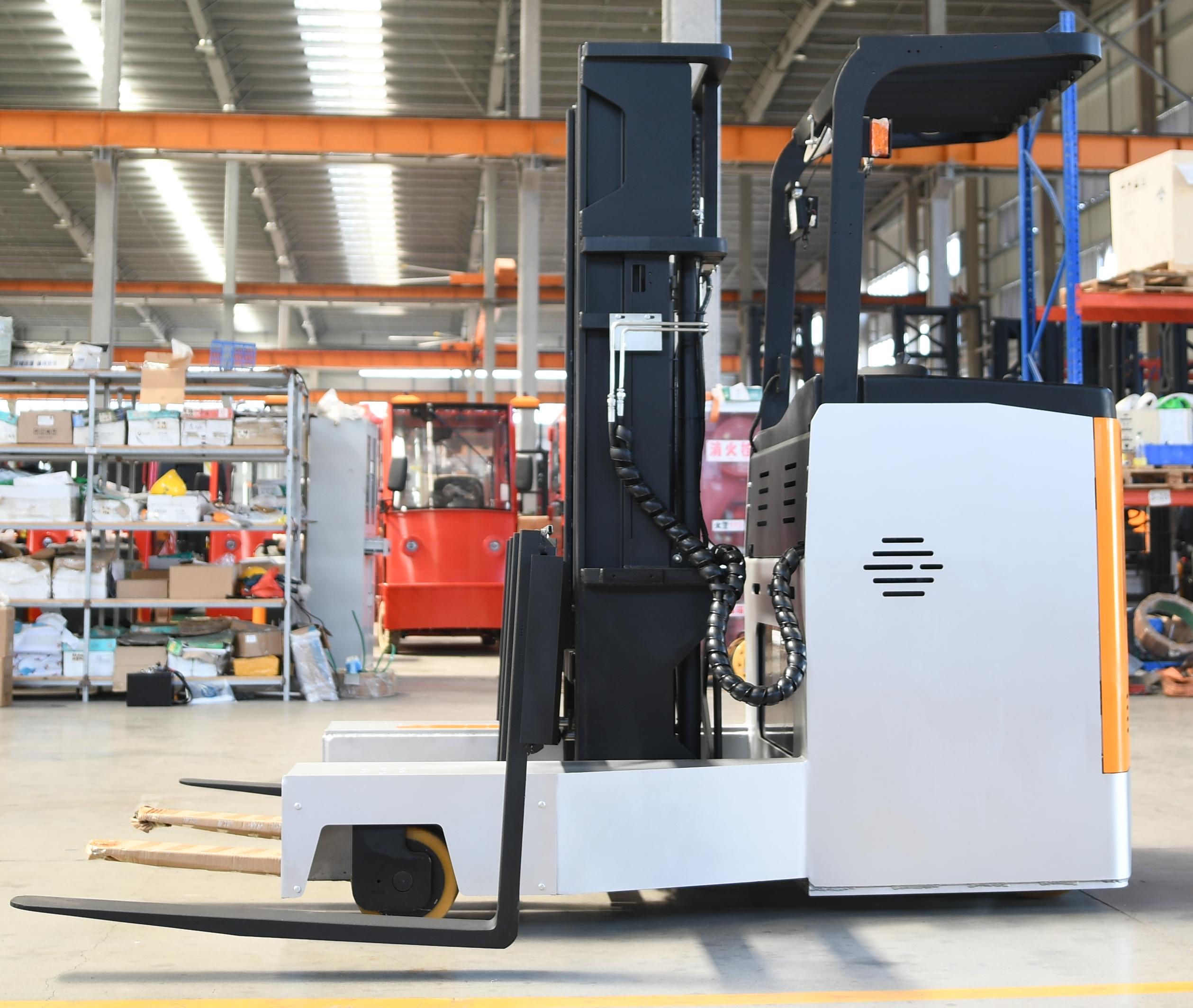
Recommended for heavy pallets and long loads in narrow aisles; verify floor load capacity and rack clearances before specifying 4-ton or 5-ton configurations.
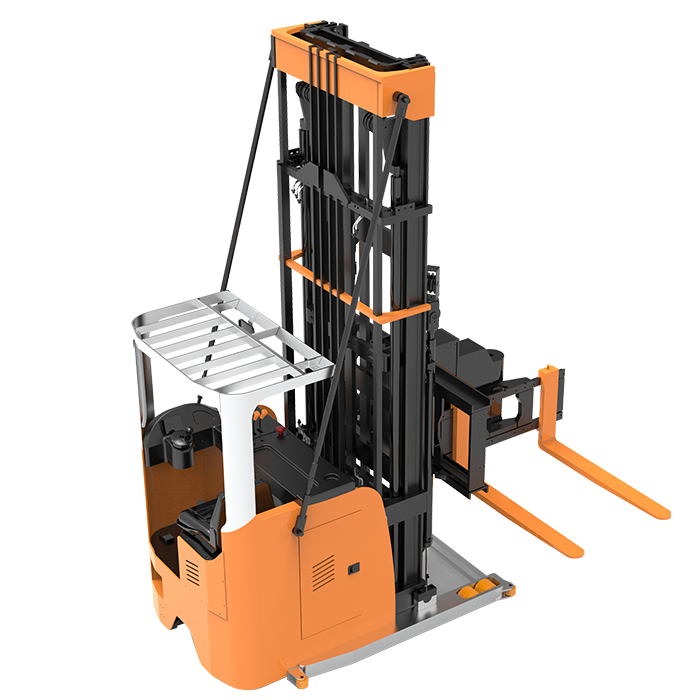
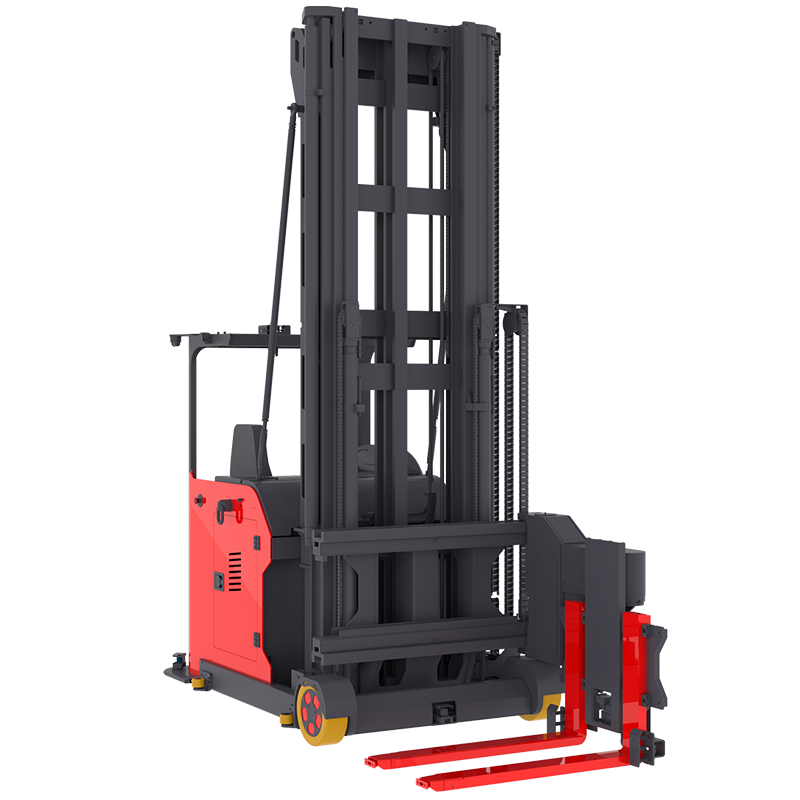
Recommended for selective racking with limited aisle width; the three-stage mast supports high-bay picking and put-away when rack tolerances are validated.
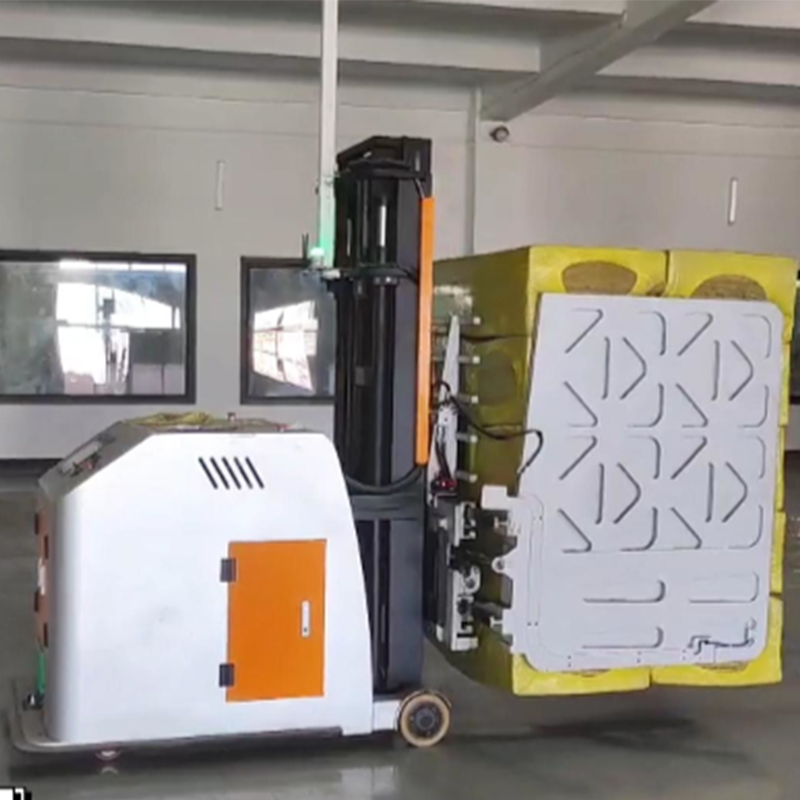
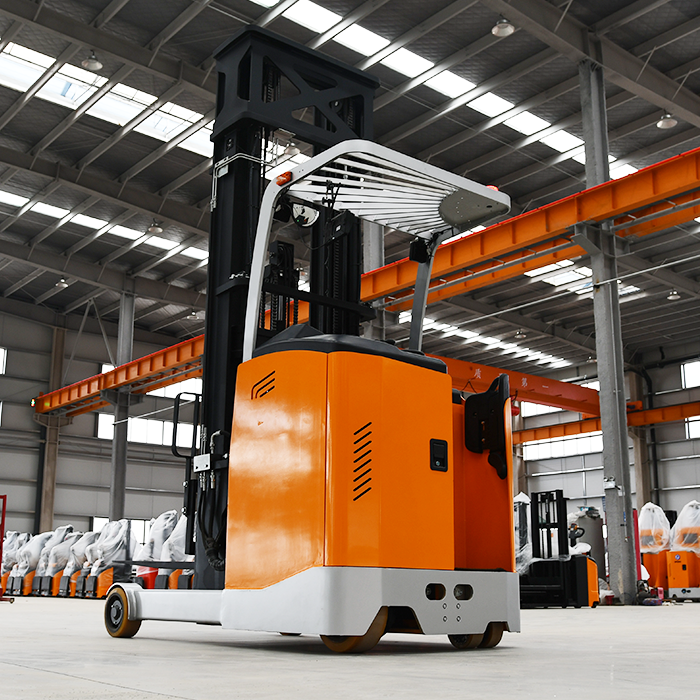
Recommended for closed-bottom pallets, docks, cages and production logistics where front outriggers would restrict handling. Suitable for 3-ton factory workflows.
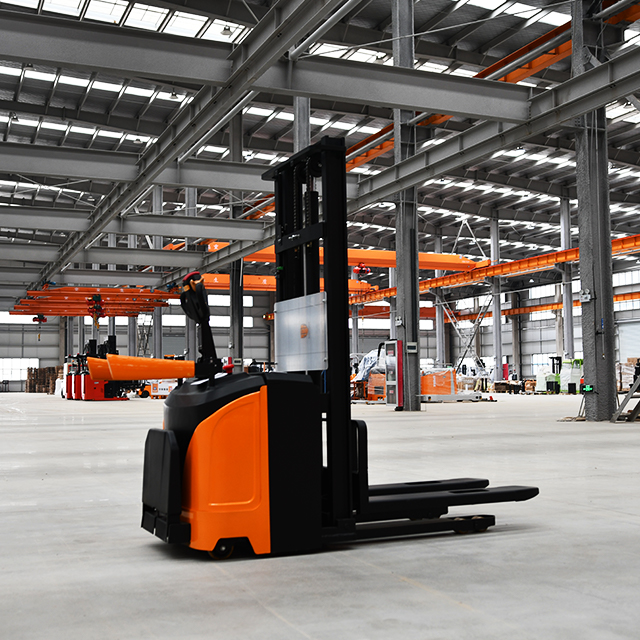
Recommended for export buyers comparing hot-dip galvanized pallet trucks for humid, coastal or wash-down environments where corrosion resistance is a priority.
Recommended for high-bay narrow-aisle storage and 8 m lift applications; confirm rack beam deflection, floor flatness and laser SLAM mapping conditions.
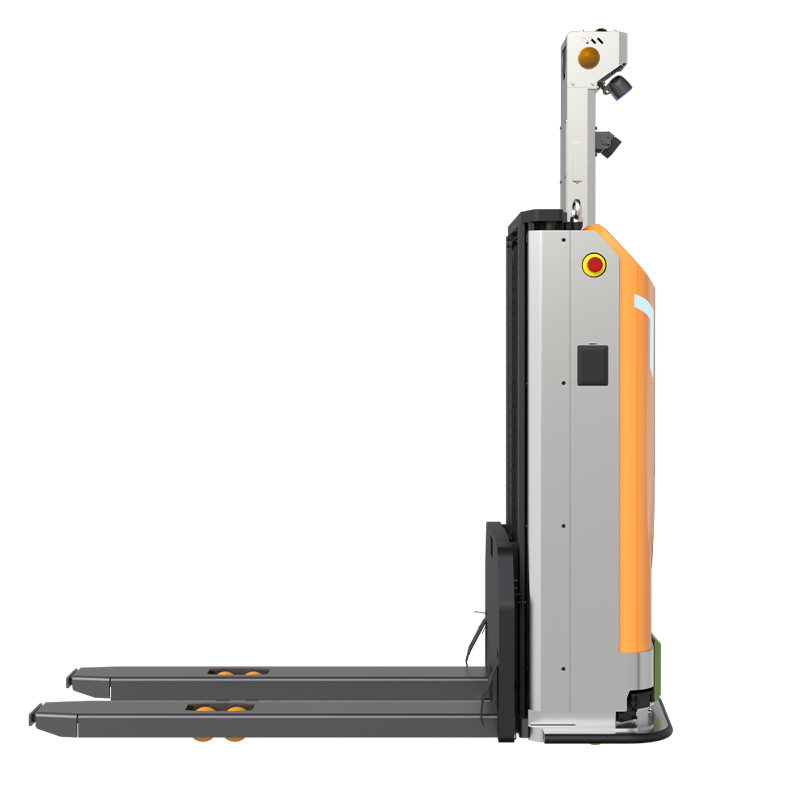
Recommended for high-density warehouses that need 2-ton pallet stacking, slim body dimensions and stable WIFI/5G fleet communication in retrofit buildings.
MOQ 1SetPilot-Friendly OrderingValidate routes before fleet scale-up
Semantic Search & User Intent
How to Evaluate China VNA AGV Factories & Exporters Beyond the Quotation
Buyers searching for a China VNA AGV factory usually have two intents: find a reliable exporter, and de-risk an automated warehouse project. The second intent matters more than the first.
A VNA AGV is not a commodity purchase. Its productivity is shaped by aisle width, rack beam deflection, pallet condition, floor flatness, load center, throughput peaks, safety logic and WMS/WCS integration. A capable exporter should ask for these inputs before proposing a model. If a supplier quotes a price without understanding your rack layout and pallet drawings, the quotation is only a starting point, not an engineering recommendation.
For procurement teams, the strongest shortlist combines narrow-aisle engineering capability, evidence of CE compliance under Machinery Directive 2006/42/EC, ISO 9001 and ISO 45001 management systems, SGS onsite verification, and a practical plan for commissioning and after-sales support. The factory’s experience with 3D SLAM and laser navigation also matters, because navigation choice affects reflectors, floor tape, mapping time and long-term route flexibility.
Quick answer for project teams
If your aisle is very narrow and lift height is high, start with a VNA 3-way AGV and validate rack tolerance first. If you need closed-bottom pallet handling at docks and production lines, compare a counterbalanced AGV. If the goal is a fast, modular pilot for pallet transfer, evaluate a 3D SLAM pallet stacker or slim stacker AGV. For high-bay storage beyond the reach of mobile robots, plan an AS/RS stacker crane or four-way shuttle as part of the same WMS-ready system.
Export buyers are moving from “lowest price per unit” to “lowest risk per project.” The following trends are visible in multi-site warehouse automation projects and first-time pilot purchases.
Total Cost of Ownership
Buyers now compare battery strategy, spare-parts availability, commissioning time, route changes and uptime support—not just the machine price. A lower upfront price can become expensive if mapping, integration or service assumptions are unclear.
Compliance Evidence
CE documentation, risk assessment logic, safety scanners and emergency-stop architecture are being requested earlier in the sales cycle. Tender teams want audit-ready files, not certification logos alone.
WMS-Ready Integration
AGV projects are evaluated as part of a larger material flow system. The ability to connect with WMS, WCS, ERP and existing conveyors often determines whether a pilot can scale to a fleet.
Pilot-to-Scale Planning
MOQ 1 set supports a pilot line before full fleet deployment. Procurement teams increasingly demand a documented scale-up path: traffic simulation, charging capacity, access control and future spare-parts planning.
Buyer Priority Snapshot
Safety & CE evidence
High
Total cost of ownership
High
WMS/WCS integration
High
Local service response
Med
Procurement Checklist Before Deposit
Pallet drawings, load center and bottom-board condition
Aisle width, rack height, beam deflection and floor flatness
Throughput peaks, shift pattern and charging window
WMS/WCS interface ownership and commissioning responsibilities
Spare-parts list, training scope and escalation process
Technology Outlook
VNA AGV Development Trends Buyers Should Plan For
Warehouse automation is evolving from single-machine automation to coordinated, data-driven material flow. These trends should be considered in the specification stage, even if the first order is a single pilot unit.
3D SLAM as Default
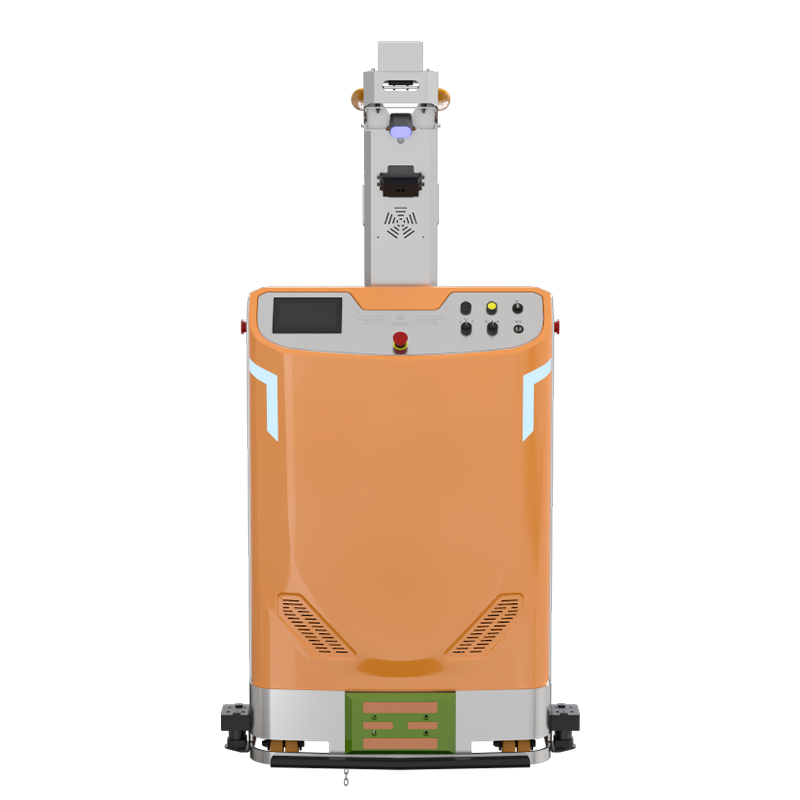
Natural-feature localization reduces the need for reflectors and floor tape, which shortens site preparation and makes route changes easier. For retrofit warehouses, 3D SLAM is often more practical than fixed-path guidance.
Higher Density, Smarter Storage
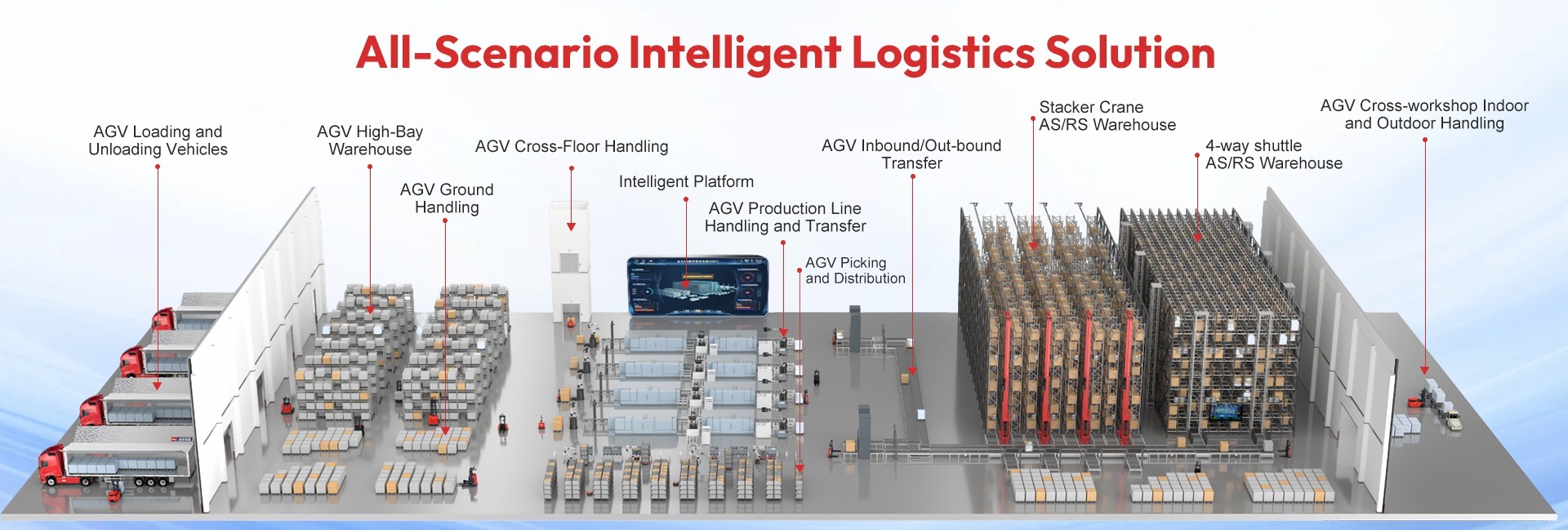
VNA AGVs are increasingly combined with high-bay racking, AS/RS stacker cranes and four-way shuttles. The decision is no longer “AGV or AS/RS” but which zones should be mobile, which should be rail-guided, and how the WMS orchestrates both.
Fleet Orchestration
Multi-robot scheduling, traffic rules, charging coordination and WIFI/5G communication are becoming evaluation criteria. Buyers should ask how the system behaves when a route is blocked, a charger is occupied or a new vehicle joins the fleet.
Energy & Uptime Design
Battery capacity, opportunity charging and charger placement directly affect fleet size. A pilot that ignores charging windows can look successful in week one and fail during peak season. Plan energy infrastructure with the same rigor as the AGV route.
Selection Guide
VNA AGV Selection Guide: Match the Machine to the Aisle
Use this engineering reference to shortlist equipment before requesting a layout proposal. Final specifications should always be confirmed against your pallet types, rack drawings and building constraints.
Equipment
Best-Fit Application
Key Specification Signal
Procurement Check
2T Narrow Body Material Handling AGV
Workshop transport, tight production cells, mixed traffic
2T body, 3D SLAM, laser obstacle avoidance
Validate pedestrian zones, route width and mapping conditions
4T / 5T Multi-Directional Forklift
Heavy pallets, long loads, narrow aisle and small space
4-way movement, 4-ton to 5-ton class
Confirm floor load, rack clearances and load center
Electric Pallet Lift Stacker
Portable pallet transfer and low-to-mid stacking
1.5T / 2T / 3T, 3m to 5m lift options
Check battery cycle, charger location and self-loading workflow
Narrow Aisle 3-Way Electric Forklift
Selective racking with limited aisle width
1.6T class, three-stage mast, 3-way fork
Review certification, mast stability and rack tolerance
3T Counterbalanced AGV Forklift
Closed-bottom pallets, cages, docks and production lines
3T capacity, 3000 mm lift, 3D SLAM
Verify pallet bottom condition and docking tolerance
1.6T 8m VNA AGV Forklift
High-bay narrow-aisle pallet storage
1.6T, 8m lift, laser SLAM, 3-way fork
Check rack beam deflection, floor flatness and aisle datum
2T Slim Stacker AGV
High-density storage and 1.6M pallet stacking
2T, slim body, 3D SLAM, WIFI/5G
Confirm network coverage, charging space and fire access
Information-gain note: The most common specification error is buying lift height before validating aisle width and rack beam deflection. A VNA AGV that reaches 8 m is only productive when the aisle, floor and rack system are engineered to support that lift height consistently.
Exporter Advantages
Inside a SGS Onsite-Verified Exporter in Hefei, China
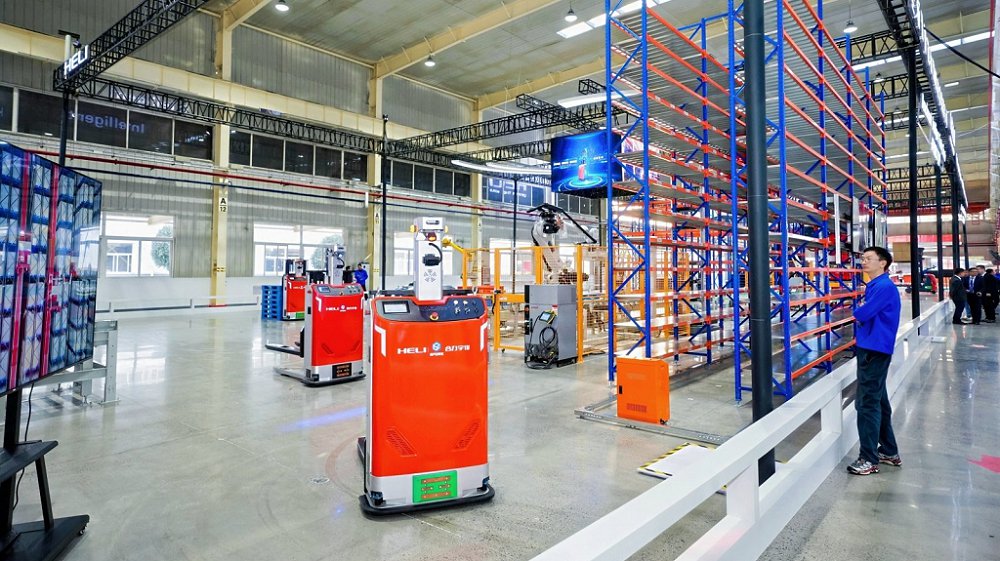
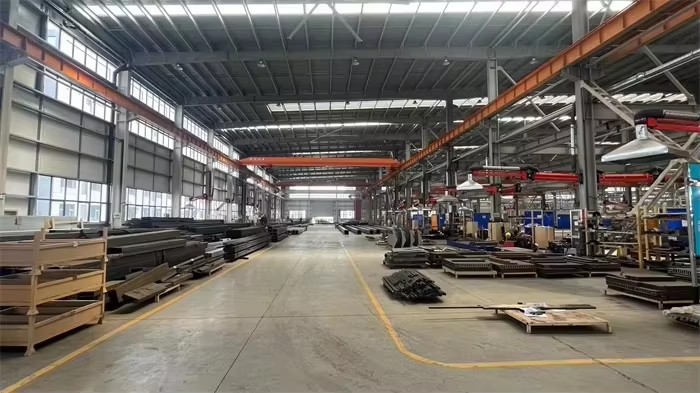
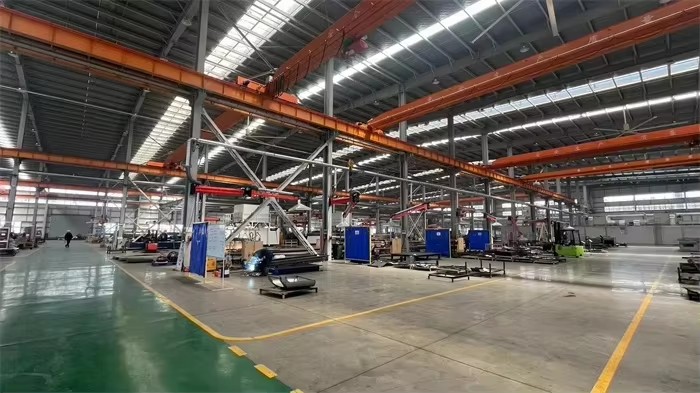
Anhui Nexrik Intelligent Technology Co., Ltd. manufactures AGV forklifts, AS/RS stacker cranes, four-way shuttles and supporting intelligent warehousing equipment from its Hefei production base in Anhui, China.
Manufacturing Scale You Can Verify
The company operates two production bases in Anhui with 66,650 m² of floorspace and 1,152 staff, supported by onsite material inspection, finished-product inspection and export packing processes. Its product scope covers mobile AGV forklifts and fixed AS/RS systems, which is valuable for buyers who want one engineering team to coordinate the whole material flow.
For export projects, documentation matters as much as the machine. Nexrik holds CE marking under Machinery Directive 2006/42/EC for its AGV range, ISO 9001 quality management system certification, ISO 45001 occupational health and safety management certification, and has been verified onsite by SGS Group. The company also reports 7 awarded patents and a registered trademark.
Business type: Manufacturer & exporter
Verification: SGS onsite inspected
Customization: OEM, ODM and buyer label
Export markets: Southeast Asia, South America, Eastern Europe, South Asia, North America
Chassis, mast integration and control assembly are handled across dedicated production lines. Buyers benefit from traceable inspection and a direct engineering channel when specifications need adjustment.
Engineering-Led Customization
Projects can be adapted by load capacity, lift height, fork configuration, battery setup and cold-storage variants. OEM, ODM and buyer-label production support distributors and project integrators.
Audit-Ready Credentials
CE, ISO 9001, ISO 45001 and SGS onsite verification help shorten tender review and customs documentation preparation. These credentials are especially important for regulated markets and public projects.
One-Stop System Integration
AGV forklifts, AS/RS stacker cranes and four-way shuttles can be engineered as one WMS-ready system instead of being sourced from disconnected suppliers, reducing interface risk during commissioning.
Turnkey Workflow
From Drawing to Go-Live: De-Risking the Project
A structured five-stage process helps first-time and multi-site buyers compare technical assumptions before production begins.
Select equipment, size the fleet and simulate traffic against peak demand.
03
Manufacturing
Build with onsite material inspection and finished-product inspection before shipment.
04
Commissioning
Map routes, test WMS/WCS interfaces, validate safety logic and train operators.
05
Lifecycle Support
Plan remote diagnostics, spare-parts supply, preventive service and fleet expansion.
FAQ
VNA AGV Procurement Questions Buyers Ask First
These answers address common buyer intent before requesting a layout proposal or catalog.
What is the minimum order quantity for VNA AGV forklifts?
The MOQ is 1 set for the listed AGV forklift, stacker crane and four-way shuttle models. Many buyers start with a single-truck pilot to validate routes, cycle times and WMS integration before scaling to a full fleet.
Which navigation technologies are used?
The range includes laser navigation and 3D SLAM navigation. 3D SLAM localizes using natural features of the warehouse, which can reduce reflector or floor-tape requirements and shorten site preparation. Laser navigation remains suitable for highly repetitive fixed routes.
What certifications should an exporter provide?
Look for CE marking under Machinery Directive 2006/42/EC, ISO 9001 and ISO 45001 management system certification, patent records and independent verification such as SGS onsite inspection. These documents support tender review, customs clearance and internal risk assessment.
Can the AGV system integrate with an existing WMS?
Yes. AS/RS and four-way shuttle systems are designed to be WMS-ready. Interface requirements with an existing WMS, WCS or ERP should be defined during solution design and tested during commissioning. The buyer and supplier should agree clearly on data ownership, interface responsibility and acceptance criteria.
Are OEM, ODM and customization available?
Yes. Customization can cover load capacity, lift height, fork dimensions, battery configuration, safety options and cold-storage variants. OEM, ODM and buyer-label production are available for distributors, system integrators and project owners.
Which trade and payment terms are accepted?
Accepted delivery terms include FOB, CFR, CIF, EXW, FAS, CIP and DDP. Payment methods can include L/C, D/P, D/A, MoneyGram, credit card and Western Union in USD, EUR or CNY, subject to project confirmation.
What information is needed for an accurate proposal?
Prepare pallet drawings, load weight, rack layout, aisle width, lift height, floor flatness data, throughput peaks, shift pattern, charging window and WMS/WCS interface requirements. With these inputs, an exporter can recommend the right mix of VNA AGV, counterbalanced AGV, stacker crane or four-way shuttle instead of quoting a generic model.
Request a Layout-Based VNA AGV Proposal
Send your rack layout, pallet dimensions, aisle width and throughput target. The engineering team can match the right VNA AGV, counterbalanced AGV, slim stacker or AS/RS stacker crane to your actual building constraints.
 3D SLAM