CE · LASER
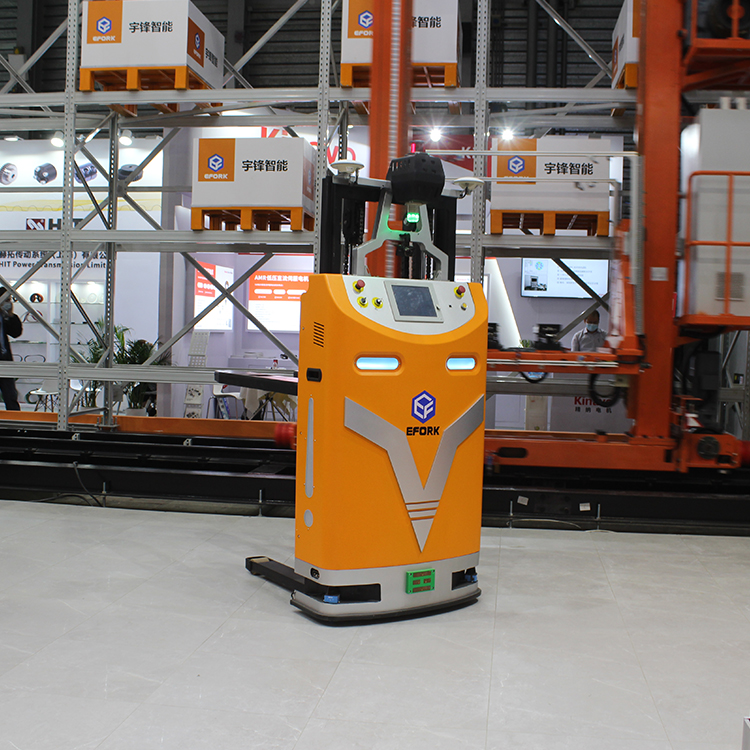
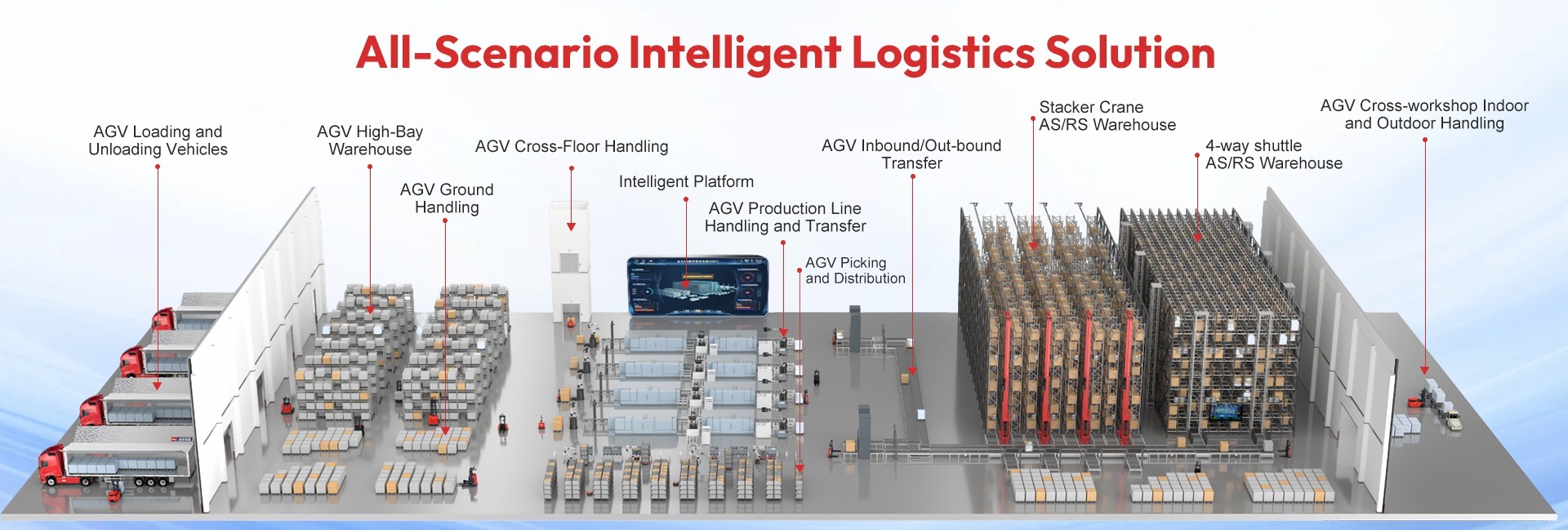
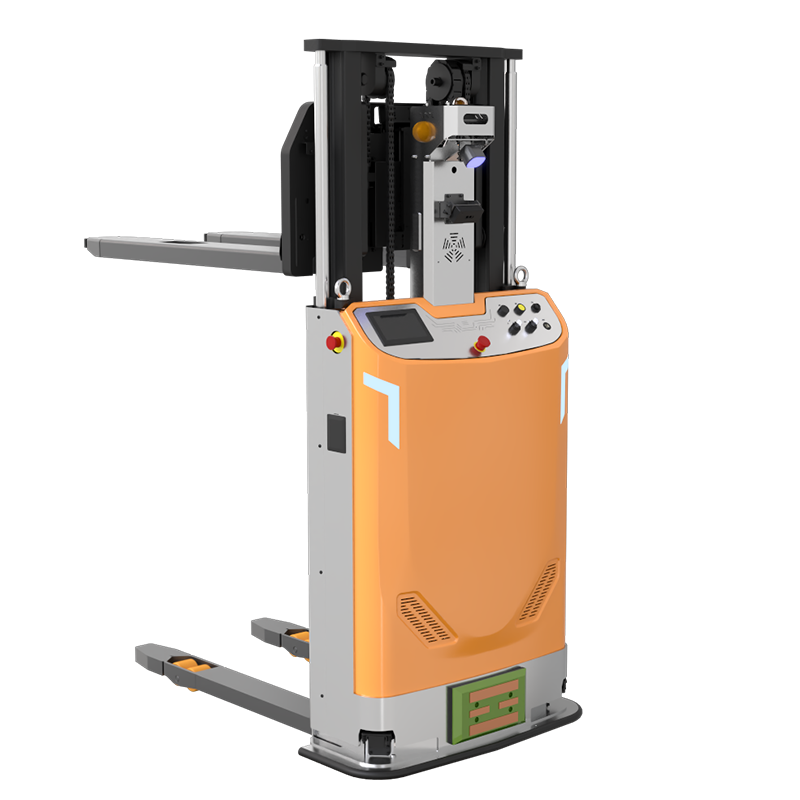
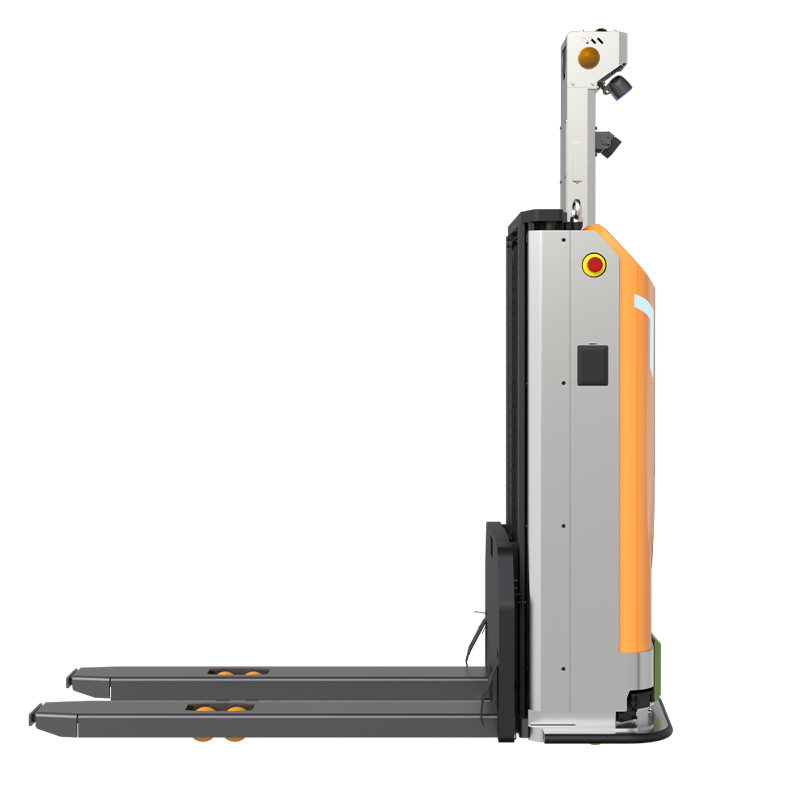
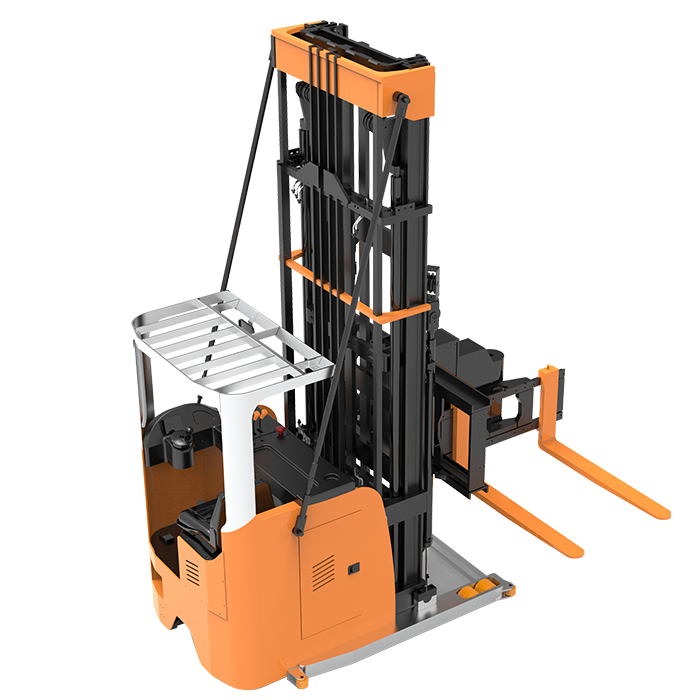
These eight models cover laser navigation, 3D SLAM, counterbalanced handling, high-density storage, narrow-aisle VNA work, pallet stacking and compact workshop transport. Product URLs are preserved exactly where supplied; every quotation is engineered around your rack layout, load unit, throughput and safety scope.
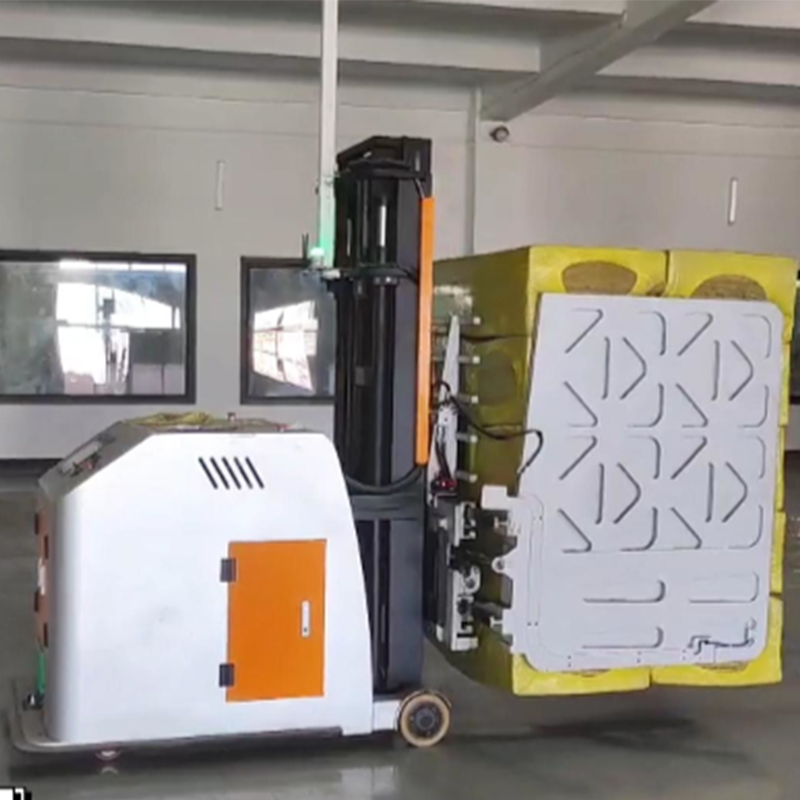
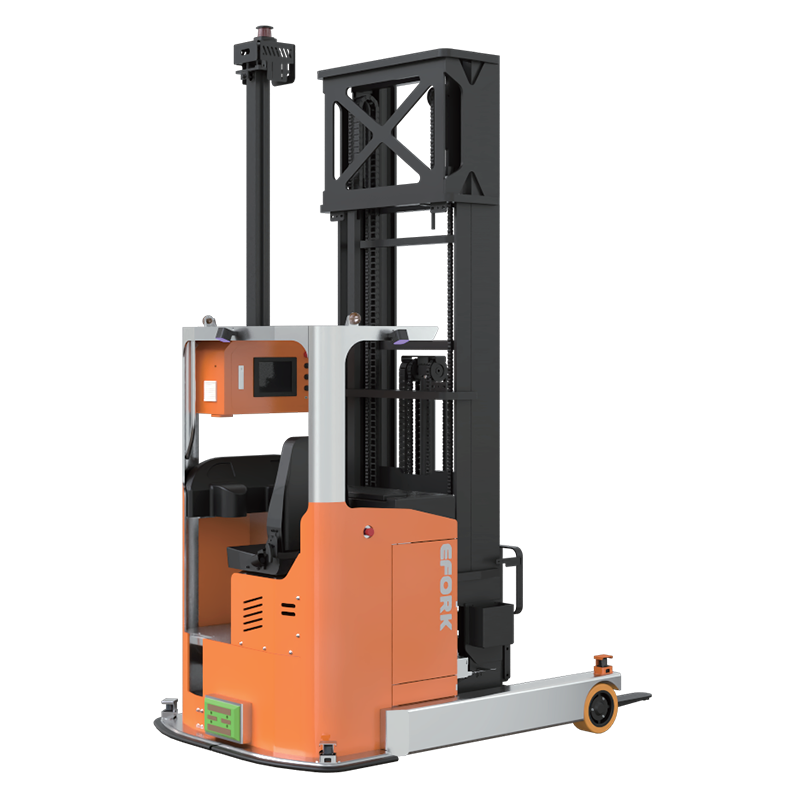
Need a shortlist instead of a catalogue? Send your pallet drawing, rack layout, aisle width and peak throughput. The engineering team will map these eight platforms to a workable fleet size and charging strategy.
Get a QuoteAn unmanned forklift is not a standard forklift with a laptop bolted onto the chassis. It is a driverless industrial truck that combines a load-handling structure, traction and steering control, LiDAR and safety scanners, localization, battery management, fleet scheduling and a WMS or WCS interface. In a factory or distribution centre, the acceptance test is not whether the truck can move. It is whether the fleet can complete a pallet move repeatedly, safely, with the correct payload, inside the correct aisle, at the required cycle time, and with a defined exception path when a pallet is wrapped incorrectly or a person crosses the route.
Because the phrase China Top Unmanned Forklift Manufacturer & Factory combines supplier discovery with a quality claim, buyers should evaluate evidence rather than catalogue adjectives. The useful questions are concrete: how large is the factory, who verified it onsite, which certifications cover the machine, what is built in-house, how many patents and installed applications exist, how spare parts are controlled, and how the supplier tests WMS integration before shipment. The company information behind this series reports 1,152 employees, 66,650 m² of floor space, US$100M+ annual revenue, seven awarded patents, ISO 9001 and ISO 45001 systems, CE marking under Machinery Directive 2006/42/EC, and SGS onsite verification in Hefei, Anhui.
Two projects can quote the same payload and lift height and still have very different total costs, because navigation determines site preparation, commissioning time and future flexibility. Reflector-based laser navigation is mature and highly repeatable on fixed routes, but it requires reflector installation and control of rack changes. Natural-feature 3D SLAM localizes against the building itself, so it often reduces floor tape, reflectors and retrofit work. A hybrid layout can be the right answer in mixed buildings where dock areas are dynamic but storage aisles are stable.
| Navigation approach | Best fit | Site preparation | Procurement consideration |
|---|---|---|---|
| Laser reflector navigation | Fixed, repetitive routes and stable racking | Reflector plan and controlled changes | Excellent repeatability; confirm long-term rack modification rules |
| 3D SLAM | Dynamic warehouses, mixed traffic and retrofit projects | Mapping and natural-feature validation | Less floor infrastructure; validate lighting, dust and change management |
| QR code or tape guidance | Simple, low-speed point-to-point moves | Floor marking and maintenance | Low entry cost, but route changes can create hidden labour |
| Hybrid navigation | Docks plus high-density storage in one building | Zone-by-zone engineering | Usually the most practical route for brownfield sites |
For European and export-oriented buyers, CE marking under the Machinery Directive is not a decorative badge; it defines the safety-related documentation, risk assessment and conformity route for the machine. ISO 9001 and ISO 45001 indicate that quality and occupational safety processes are managed, while SGS onsite verification gives procurement teams an independent check on premises and legal status. None of these replace a site-specific risk assessment, but together they shorten due diligence and reduce the chance that a low-cost quotation hides a documentation gap.
Use this short audit list before comparing prices. It is designed for a factory visit, a video audit or a technical review with your integrator.
Most first-time buyers do not need every platform. They need the smallest fleet that satisfies the pallet, rack and throughput constraints without creating a fragile exception process.
Start with the 2T 1600mm laser navigation AGV for fixed routes or the 2T slim narrow-body stacker AGV for high-density storage. Confirm rack beam deflection, pallet condition and floor flatness before fixing the fleet size.
Compare the 2T laser modelThe 4.5M reach truck AGV and the narrow-aisle 3-way VNA platform are the natural shortlist when every 100 mm of aisle width affects storage density. Ask for a mast-extension and rack-interference review, not only a capacity table.
Review the 4.5M reach modelCounterbalanced AGVs handle closed-bottom pallets, cages and trailer interfaces without front outriggers. The 3T 3000mm counterbalanced model is the better starting point when loads must be picked from floor level or transferred across production zones.
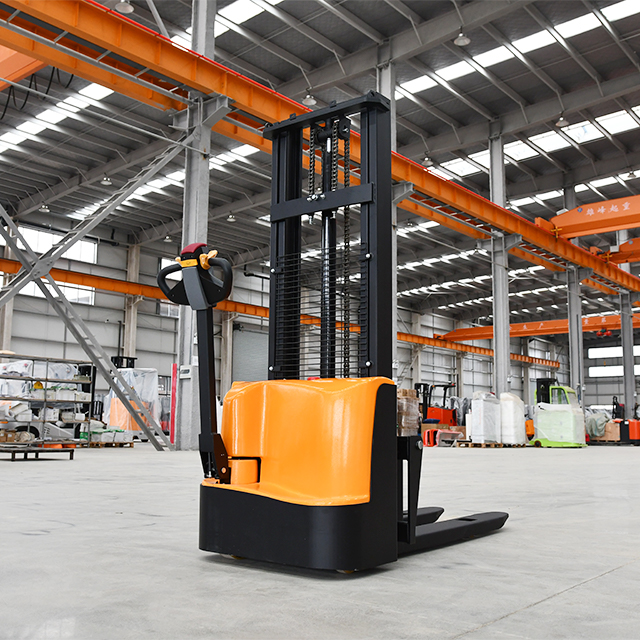
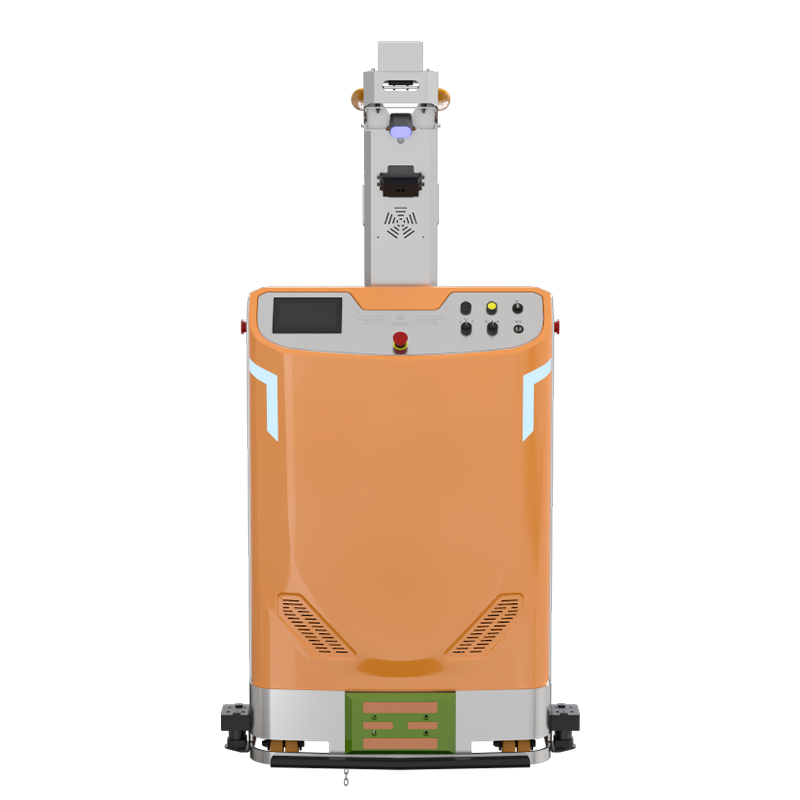
Inspect the 3T AGV forkliftThe walkie pallet stacker is a practical low-cost entry point where loads are simple and volumes are modest. For compact workshop transport, the 2T narrow-body material handling AGV uses a compact chassis and 3D SLAM to reduce route preparation.
See the compact handling AGVThe purchasing conversation is moving away from “what is the price per truck?” toward “what is the validated cost per pallet move, and who owns the integration risk?”
MOQ 1 set makes a pilot commercially realistic. Buyers increasingly validate one route, one pallet type and one shift pattern before releasing a fleet order. This reduces integration risk and gives operations teams real cycle-time data.
WMS and WCS compatibility is now a board-level procurement criterion. A lower-priced AGV that cannot exchange task status, exception codes and location data cleanly can become the most expensive part of the project.
CE marking, ISO 9001, ISO 45001 and SGS onsite verification are being requested earlier in the buying cycle. Procurement teams want documentation that can survive customs, insurance, tender and internal safety review.
Battery strategy, charging windows, spare parts, training and remote diagnostics are now evaluated alongside the machine price. A 24/7 warehouse needs a support model, not just a delivery date.
For buyers, each development trend has a procurement consequence. The question is not whether the technology sounds advanced, but whether it reduces commissioning time, improves safety or lowers lifecycle cost.
LiDAR, cameras, inertial data and safety scanners are being fused to localize against natural building features. The practical benefit is faster mapping and less dependence on reflectors or floor tape.
Reliable wireless coverage and fleet schedulers allow dozens of trucks to share routes, chargers and task queues. Buyers should test network dead zones and handover logic during commissioning.
Standardized chassis, mast and control modules make it easier to customize load capacity, fork dimensions and lift height without redesigning the entire vehicle. This shortens delivery and simplifies spare parts.
LiFePO4 battery packs and opportunity charging reduce battery swaps and support multi-shift operation. Procurement should compare charging windows, charger placement and peak electrical load, not only runtime.
Simulation before shipment is becoming a buyer expectation. A digital twin can test traffic conflicts, charger demand and peak throughput before installation, reducing the chance of an expensive on-site redesign.
Frozen storage, cleanroom and narrow-body applications require more than a standard truck. Buyers should request application-specific batteries, lubricants, seals and safety validation for the target environment.
These ranges are planning references, not guaranteed outcomes. Use them to frame an internal business case, then replace each range with site-validated data from a pilot route.
Information gain for buyers: request the assumptions behind each number, including labour rate, shift pattern, pallet moves per hour, charger utilisation and the cost of exception handling. A business case without those inputs is a marketing claim, not a procurement model.
For a fleet that will run for a decade, supplier capability matters as much as the machine specification. The evidence below reflects the company information behind this product series.
Anhui Nexrik Intelligent Technology Co., Ltd. is a high-tech manufacturer focused on the R&D, production and integration of intelligent warehousing equipment, including AGV forklifts, AS/RS stacker cranes, four-way shuttles and RGVs. The production base is located in the Huagang Town Industry-City Integration Demonstration Zone, Feixi County, Hefei, Anhui, a recognized cluster for China’s forklift and material handling industry.
The company reports two production bases, 1,152 employees, 66,650 m² of floor space, US$100M+ annual revenue, seven awarded patents and one registered trademark. It holds ISO 9001 and ISO 45001 management system certification and CE marking under Machinery Directive 2006/42/EC for its AGV range, and its premises and legal status have been verified onsite by SGS Group. Buyers also commonly request evidence of trade capacity, transaction history and prior export markets; the company serves Southeast Asia, South America, Eastern Europe, South Asia and North America.


The engineering approach is deliberately conservative: define the load unit, rack layout, aisle width, floor condition, throughput and shift pattern before selecting a truck. For overseas projects, this means confirming documentation, Incoterms and remote commissioning support before production. The factory supports OEM, ODM and buyer-label production, with customization available for load capacity, lift height, fork configuration, battery strategy and cold-storage variants.
Chassis, masts, control integration and final testing are managed on company production lines, with onsite material and finished-product inspection before shipment.
CE under 2006/42/EC, ISO 9001, ISO 45001, SGS onsite verification and seven awarded patents support tender, customs and safety reviews.
Trade terms include FOB, CFR, CIF, EXW, FAS, CIP and DDP. Payment methods include L/C, D/P, D/A, MoneyGram, credit card and Western Union in USD, EUR or CNY.
MOQ is one set for AGV forklifts, stacker cranes and four-way shuttles. Pilot units can be validated before scaling to a multi-truck fleet or an integrated AS/RS project.
Automation is most compelling where pallet moves are repetitive, safety-critical or tied to a bottleneck that cannot be solved by adding another shift.
Line-side replenishment, work-in-progress transfer and finished-goods staging with repeatable routes and clear safety zones.
Dock-to-rack movement, put-away and replenishment where labour availability and peak-season variability are persistent constraints.
Cold-storage AS/RS variants and application-specific components reduce exposure risk and improve consistency in harsh environments.
Hygienic handling, stable pallet routes and high-throughput staging where product changeovers and washdown schedules must be respected.
High-density pallet storage, replenishment and trailer loading where order profiles fluctuate and space productivity is critical.
Traceability, controlled movement and integration with WMS records help support audit-ready material flow and batch segregation.
A supplier cannot engineer a reliable fleet from a load capacity alone. The following inputs shorten the quotation cycle and expose hidden constraints early.
Send your rack drawing, pallet specification, throughput target and shift pattern. The engineering team will recommend the right platform mix, fleet size and charging strategy for your site.
Get a QuoteAnhui Nexrik Intelligent Technology Co., Ltd. · Huagang Town Industrial Park, Feixi County, Hefei, Anhui, China