China Top Logistics Automation Exporter & Exporters
An E-E-A-T buyer’s guide to sourcing AGV forklifts, VNA stackers, AS/RS stacker cranes and four-way shuttles from verified Chinese logistics automation exporters.
8 Verified Logistics Automation Products for Export Buyers
This shortlist covers pallet movement, narrow-aisle stacking, 3D SLAM AGV navigation, omni-directional movement, high-density AS/RS and reach-truck automation. Product URLs are preserved from the source catalogue; final specifications should be confirmed against your pallet types, rack drawings, floor flatness and peak throughput.
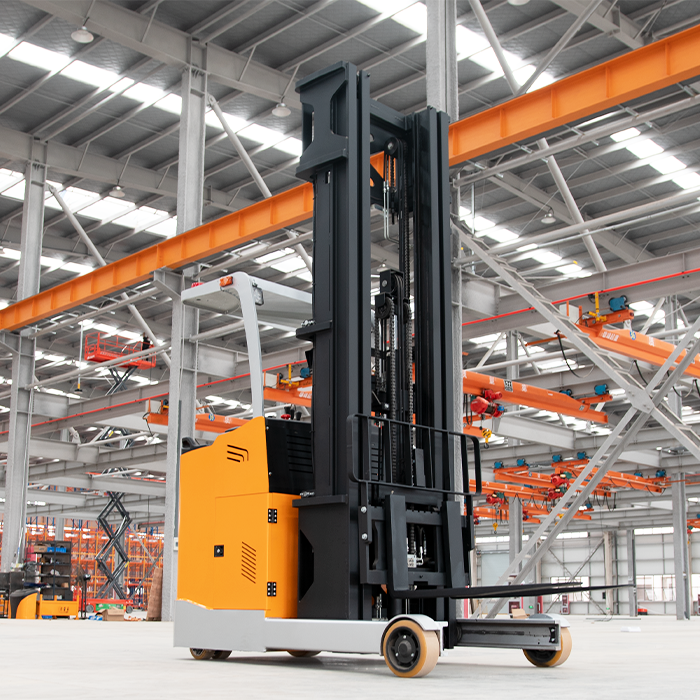
China Wholesale 2000kg 12m 8m 6m Industrial Forklift Pallet Truck Good Price
A practical entry point for high-load pallet transfer where export buyers need verified capacity, stable lead time and spare-parts availability.
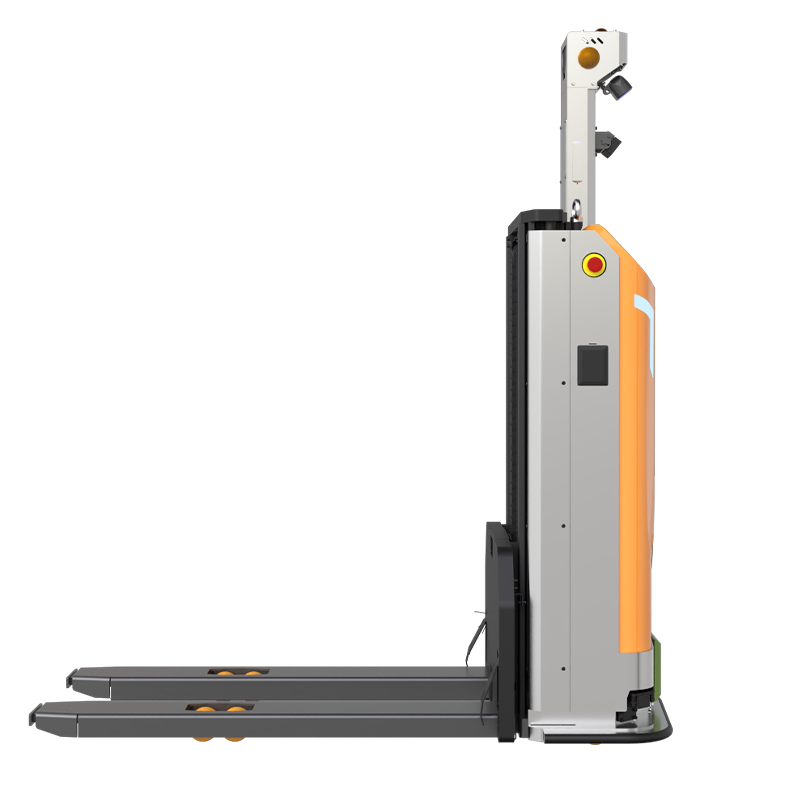
2T 3 M Slim Narrow-Body Stacker AGV High-Density Storage Pallet Stacking AGV for Narrow Aisles Warehouse Automation
Designed for dense storage layouts where manual forklift aisles can be reduced and repeatable pallet stacking becomes the main labour constraint.
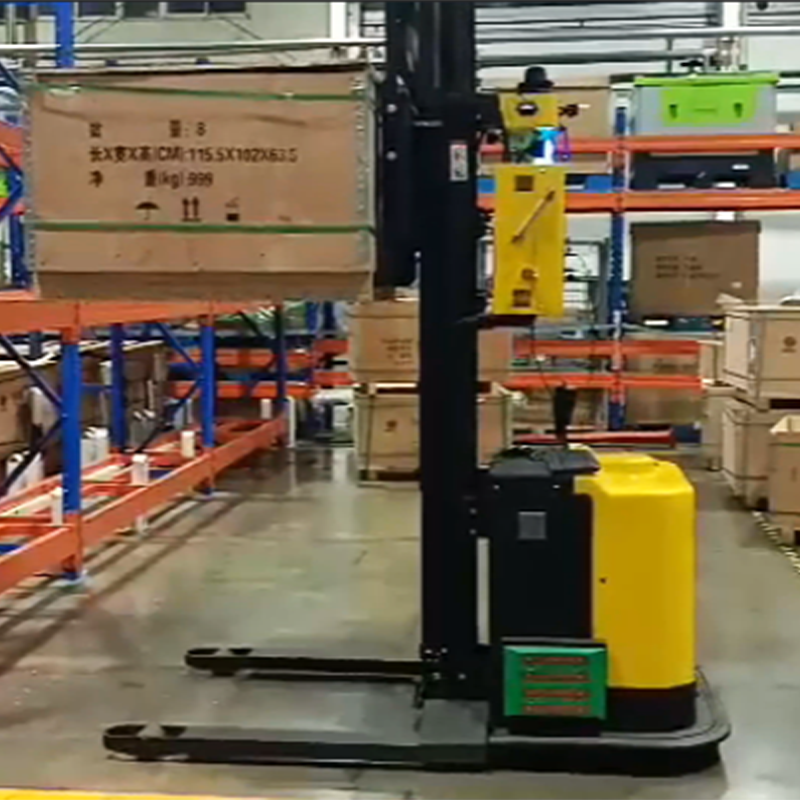
2T 3000MM Pallet AGV Forklift Automated Guided Vehicle 3D SLAM Navigation WIFI/5G Communication for Warehouse Automation Robot
Best suited to mixed warehouse routes where natural-feature localisation reduces reflector dependence and WiFi/5G connectivity supports fleet coordination.
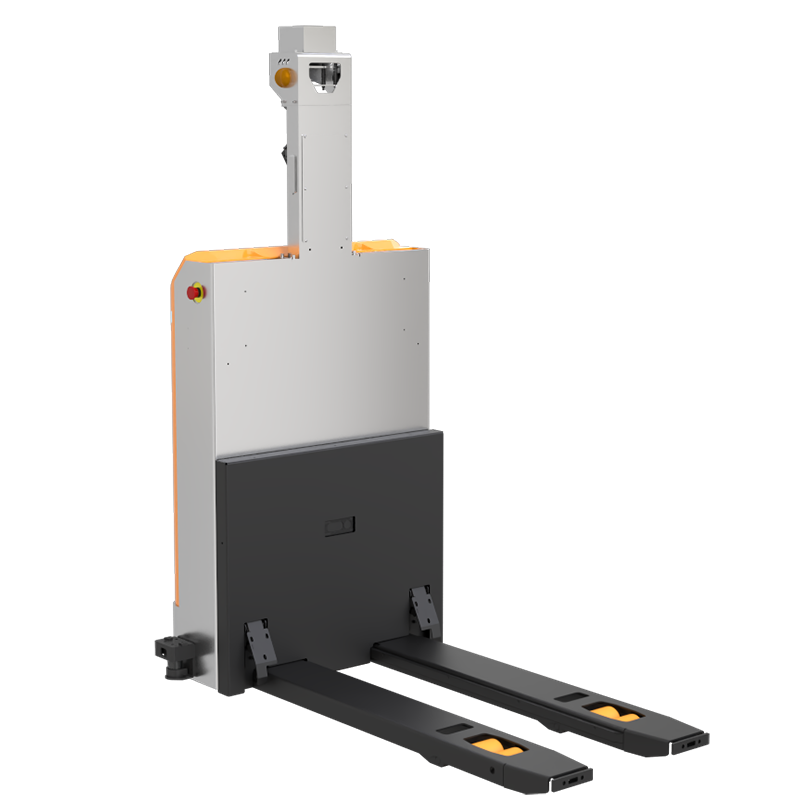
T 2.5M Omni-directional AGV Body 3D SLAM Navigation 1000kg Load Capacity Flexible Movement Zero Turning Radius
Useful in tight cells where zero turning radius and flexible movement reduce layout changes, especially for line-side and assembly logistics.
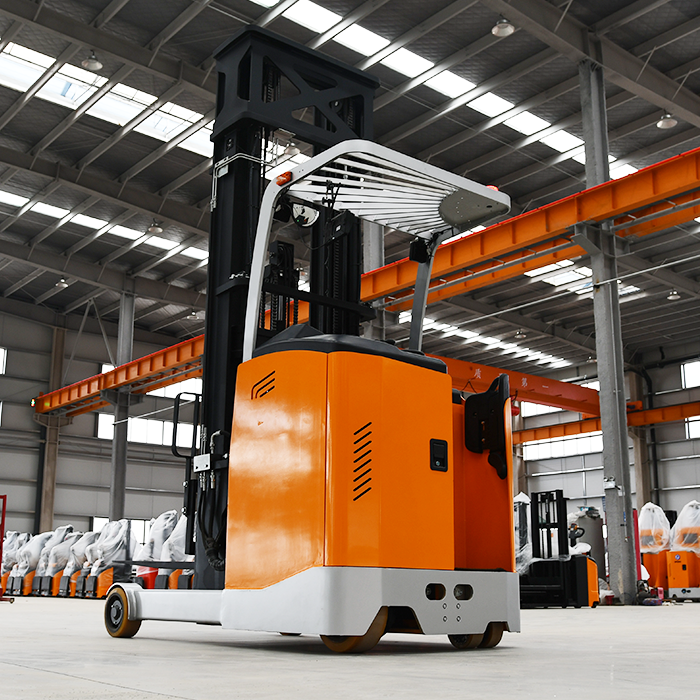
China Wholesale 2000kg 12m 8m 6m Industrial Forklift Pallet Truck High-Speed Steel Hot-Dip Galvanized Good Price
The hot-dip galvanized specification is relevant to humid, coastal and food-adjacent environments where corrosion resistance affects service life.
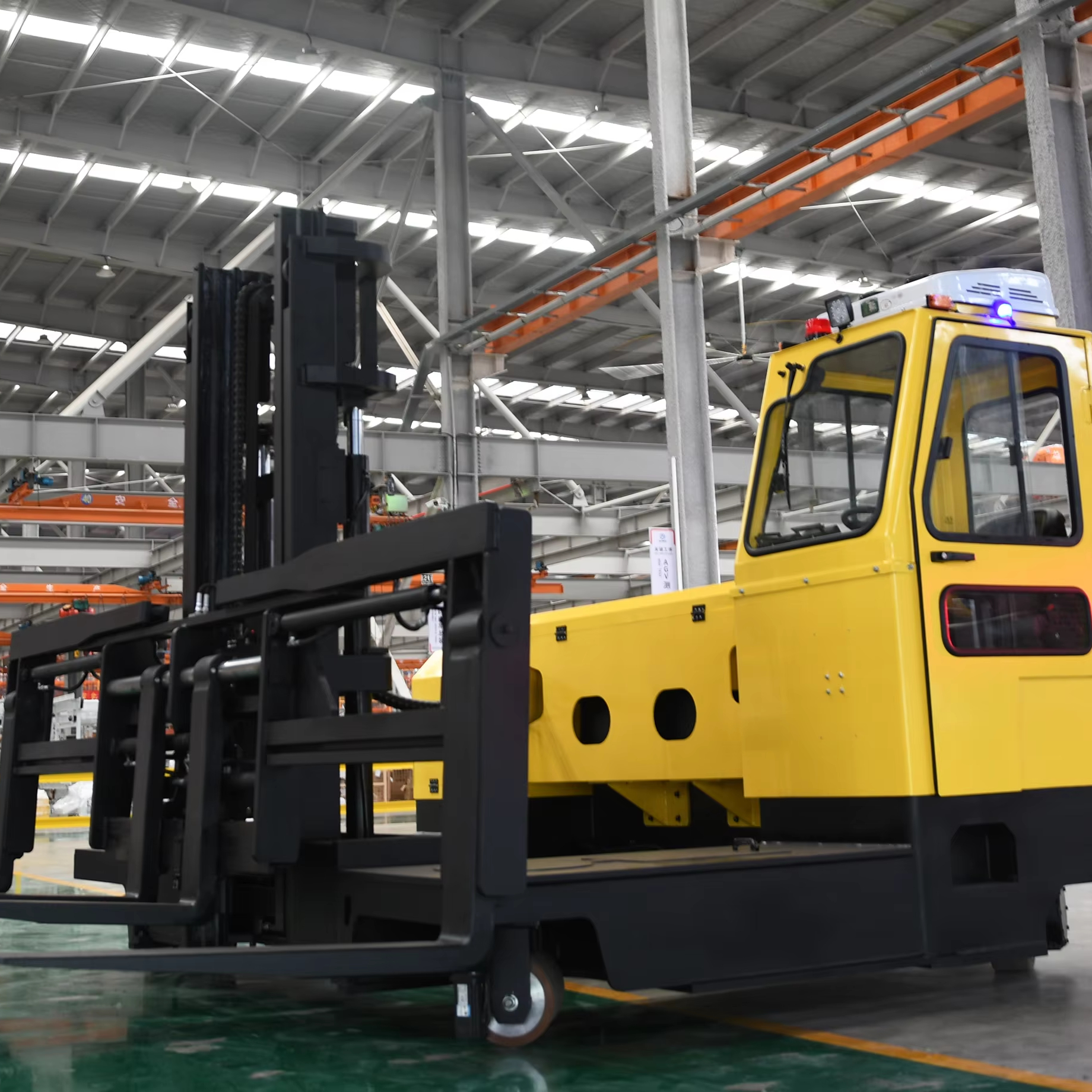
Multi-directional Forklift Reach Truck Stacker 3.5 Ton / 5 Ton Full-Way Electric Side Loader Forklift with Wide Body Seat
Built for long loads, timber, pipes and oversized materials where a standard counterbalanced truck cannot negotiate aisles safely or efficiently.
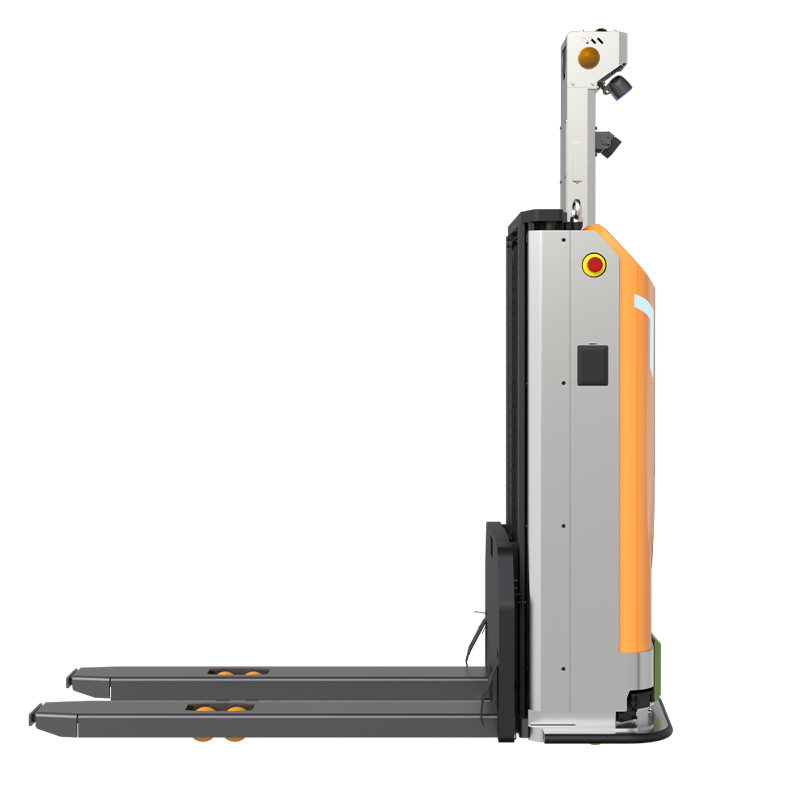
2T Slim Narrow-Body Stacker AGV with 3D SLAM & WIFI/5G for High-Density Storage 1.6M Pallet Stacking Maximize Warehouse Space
A focused option for warehouses that need to maximise pallet positions without a full AS/RS rebuild, while retaining 3D SLAM flexibility.
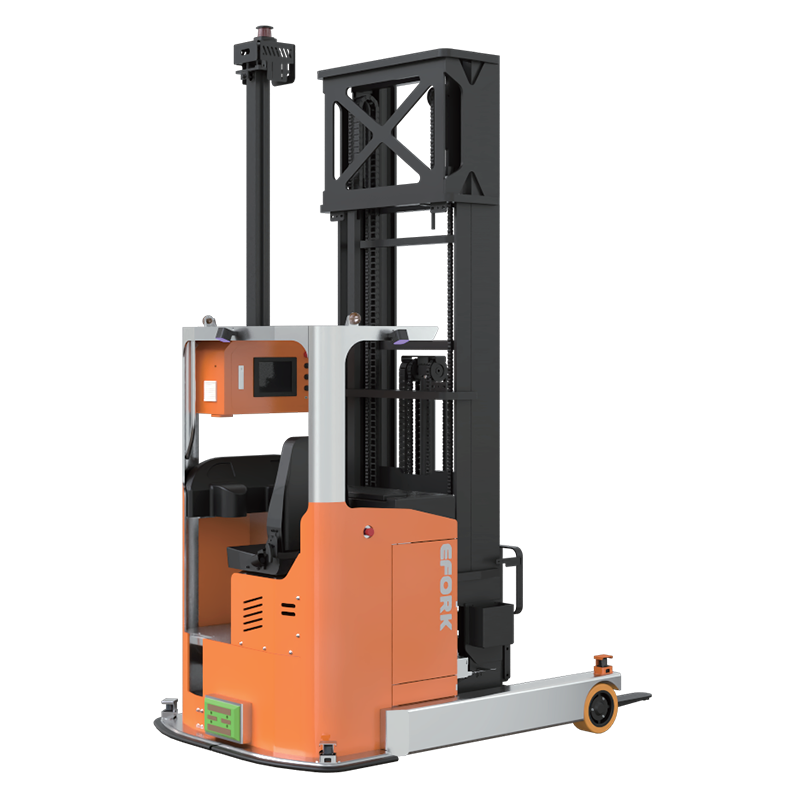
4.5M Reach Truck AGV Body 2T for Pallet Handling High Lifting Smart Warehouse Logistics Robot Laser Slam Navigation CE Certified
Suited to medium-high racking and repetitive pallet handling where CE documentation, laser SLAM navigation and lift stability are key procurement checks.
Why China Top Logistics Automation Exporters Are the New Benchmark
Buyers searching for “China Top Logistics Automation Exporter & Exporters” are no longer early-stage researchers. They are comparing evidence: factory scale, verification status, certification scope, navigation fit, integration capability and lifecycle support.
Procurement teams rarely buy a single machine in isolation. They buy a chain of evidence. The modern search intent behind logistics automation exporter is to find a supplier who can prove that an AGV forklift, VNA stacker, AS/RS stacker crane or four-way shuttle will work inside a specific building, with a specific pallet, under a specific throughput peak. That is why serious buyers filter out catalogue-only suppliers and focus on SGS onsite verification, CE marking, ISO management systems, patent records, installed references and the ability to integrate with WMS, ERP and existing fleets.
Logistics automation is a system purchase. An AGV is only one node in a chain that includes rack tolerance, floor flatness, charging strategy, traffic management, WMS/WCS interfaces, fire safety, spare-parts logistics and operator training. A 3D SLAM AGV can reduce reliance on reflectors or floor tape, but it still needs a stable map, controlled lighting and a clear aisle policy. A VNA AGV can raise storage density, but it also requires rack and floor tolerances that match its lift height. Experienced exporters ask for pallet drawings, load centres, rack beams, throughput peaks and shift patterns before quoting. That engineering evidence is the information gain that separates a credible exporter from a listing page.
The best China top logistics automation exporters compete on total project risk, not only unit price. They simulate traffic before manufacturing, run factory acceptance tests before shipment, validate safety scanners and emergency-stop logic, and document the WMS interface so the buyer’s IT team can test before go-live. For first-time automation buyers, this reduces the risk of buying a machine that cannot be integrated. For multi-site buyers, it creates a repeatable deployment model across warehouses, countries and labour markets.
Verified by independent onsite inspection
Two production bases in Anhui
Capacity for fleet-level export orders
Plus one registered trademark
Pilot-first procurement without a large commitment
Southeast Asia, South America, Eastern Europe, South Asia, North America
Factory evidence before price
Ask for onsite verification, production floor area, staff count, certification scope and inspection records. A low quotation cannot offset a supplier who cannot document capacity.
Navigation fit
Laser navigation suits highly repetitive fixed routes; 3D SLAM suits mixed routes where natural-feature localisation reduces site modification.
Safety and compliance
Check CE marking under the Machinery Directive, ISO 9001 and ISO 45001 systems, safety scanner specification and emergency-stop validation.
Lifecycle support
Remote diagnostics, spare-parts supply, commissioning support and fleet expansion planning decide the real cost of ownership after go-live.
How Export Buyers Will Purchase Logistics Automation Next
The purchase process is shifting from “buy a machine” to “de-risk a deployment”. These trends are already visible in tender documents, supplier audits and pilot-first budgets.
Pilot-first, then scale
MOQ 1 set makes it practical to validate route logic, cycle time, charging behaviour and operator acceptance before committing to a fleet. Buyers increasingly approve one truck, test it against peak demand, then expand the order with the same navigation and safety architecture.
Total cost of ownership
Unit price is only the visible layer. Procurement teams now compare energy consumption, tyre and scanner replacement, spare-parts lead time, WMS integration effort, training and remote support. A slightly higher machine price can be the lower-risk decision when lifecycle support is stronger.
Verified documents, not promises
SGS onsite verification, CE certificates, ISO systems, patent records, factory inspection photos and trade-capacity reports are becoming standard tender attachments. Exporters who can produce these documents quickly shorten the buyer’s approval cycle and reduce customs risk.
The right procurement question is not “Who is the cheapest logistics automation exporter?” but “Which exporter can prove the system will work in my building, with my pallets, at my throughput peak, and support it after go-live?” That shift favours manufacturers with in-house engineering, real production capacity and documented compliance.
Product Trends Shaping the Next Buying Cycle
Automation hardware is becoming more modular, more connected and more tolerant of existing buildings. The winners will be systems that reduce site modification while improving density, safety and uptime.
3D SLAM, WiFi/5G and mixed fleets
3D SLAM navigation uses natural features to localise, reducing reflector and floor-tape work. Combined with WiFi/5G communication, it supports mixed fleets of reach trucks, stackers, omni-directional AGVs and counterbalanced trucks under one traffic-management layer.
High-density AS/RS and four-way shuttles
High-bay AS/RS stacker cranes up to 40 m, four-way shuttles with ±2 mm positioning and WMS-ready controls are moving from flagship projects into mainstream export procurement. The goal is fewer aisles, more pallet positions and tighter inventory control.
WMS-ready, cold-chain and modular safety
Buyers now expect equipment to interface with existing WMS/ERP systems, support cold-storage variants and document safety validation. Modular safety scanners, lithium battery options and remote diagnostics are becoming specification items, not afterthoughts.
Inside Anhui Nexrik Intelligent Technology Co., Ltd.
Nexrik is a high-tech manufacturer specialising in the R&D, production and integration of intelligent warehousing equipment, including AGV forklifts, AS/RS stacker cranes, four-way shuttles and RGVs. Its plants are located in Huagang Town Industrial Park, Feixi County, Hefei, a recognised hub for China’s forklift industry.




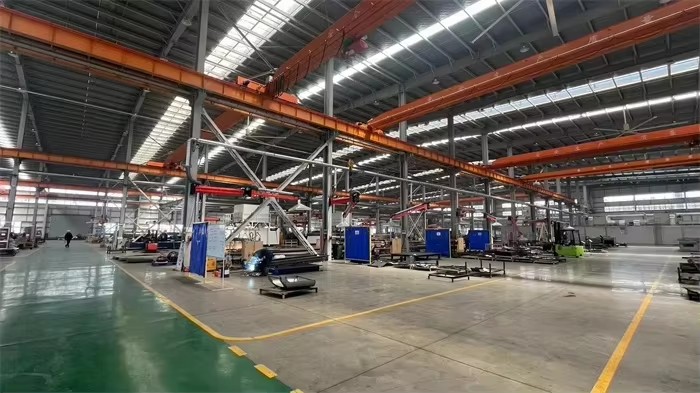
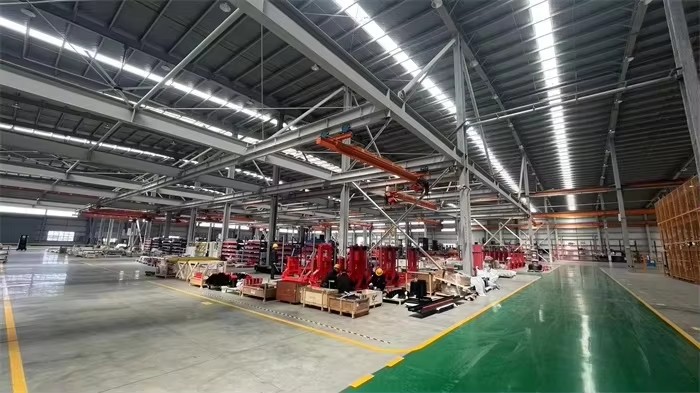
Manufacturing scale that can be verified
Every project starts with the buyer’s pallet types, rack drawings, floor conditions and throughput targets. Nexrik engineers simulate traffic before any truck is built, define the WMS interface during solution design, and test the system before shipment. That process is why buyers in Southeast Asia, South America, Eastern Europe, South Asia and North America trust the company with turnkey automation projects.
Chassis, masts and control integration are built and tested on the company’s own lines, with onsite material inspection and finished-product inspection before shipment. For overseas buyers, this matters because it shortens the gap between a catalogue specification and a working system in the warehouse.
- 1,152 staff, 66,650 m² floorspace and two production bases in Anhui.
- SGS onsite verification of premises and legal status.
- CE marking under 2006/42/EC, ISO 9001 and ISO 45001 systems.
- 7 awarded patents plus 1 registered trademark.
- MOQ 1 set, OEM, ODM and buyer-label production.
- FOB, CFR, CIF, EXW, FAS, CIP and DDP; L/C, D/P, D/A, credit card and Western Union.
In-house manufacturing
Production lines, material inspection and finished-product inspection support traceable quality before export packing.
Laser & 3D SLAM
Choose reflector-based laser navigation for fixed routes or 3D SLAM for natural-feature localisation and reduced site modification.
One-stop turnkey
AGVs, stacker cranes, four-way shuttles and RGVs from one source, engineered as a WMS-ready system rather than assembled from unrelated parts.
Proven compliance
CE, ISO and SGS documentation support tenders, customs clearance, insurance and regulated-market entry.
Customisation covers load capacity, lift height, fork dimensions, battery configuration and cold-storage variants. Accepted currencies include USD, EUR and CNY, with remote commissioning and lifecycle support available for overseas projects.
Inquire NowMatch Equipment to Warehouse Variables
Use this engineering reference to shortlist equipment before requesting a layout proposal.
| Equipment | Typical load | Lift / height | Guidance | Best-fit application |
|---|---|---|---|---|
| Pallet stacker AGV | 1.5–2 T | 1.6–3 m | 3D SLAM / laser | Floor-to-rack transfer, line-side delivery, low racking |
| Reach truck AGV | 1.5–2 T | 3–4.5 m | 3D SLAM / laser SLAM | Selective racking where aisle space is tighter than a counterbalanced truck needs |
| Counterbalanced AGV | 1.5–3 T | 3 m | 3D SLAM | Closed-bottom pallets, cages, docks and production lines |
| VNA 3-way AGV | 1.6 T | 7–11 m | 3D SLAM | Very narrow aisle and high-bay pallet storage |
| AS/RS stacker crane | 1–5 T | Up to 40 m | Rail-guided, WMS/WCS | High-bay automated warehouses, frozen storage |
| Four-way shuttle | 1–2 T | Multi-level via lifts | Rail-guided, ±2 mm | Dense pallet storage with flexible FIFO / LIFO |
| Mini-load stacker | 50–100 kg / bin | Up to 20 m | Rail-guided, WMS | Spare parts, e-commerce and small-item picking |
Values reflect standard configurations of the listed models. Final specifications are confirmed during project engineering based on load units, racking and building constraints.
Common Procurement Questions for Logistics Automation Exporters
These are the questions overseas buyers ask most often during supplier evaluation.
What is the minimum order quantity for these AGV forklifts and AS/RS products?
Which navigation technologies are available for logistics automation projects?
What certifications and verification support export procurement?
Can the equipment integrate with our existing WMS or ERP system?
Do you provide OEM, ODM and full customisation?
Which trade and payment terms are accepted?
Ready to Shortlist a China Top Logistics Automation Exporter?
Share your pallet specification, rack layout, throughput target and shift pattern. Our engineering team will respond with a layout concept, equipment mix, fleet size and lead-time estimate. Minimum order quantity is one set, so you can start with a pilot and scale with evidence.
Inquire Now