Eight Logistics AGV Products Global Buyers Compare First
Search intent for logistics AGV sourcing usually starts with payload, lift height, aisle width, navigation method and integration risk. The eight models below answer those commercial-investigation queries and preserve the original product URLs and images for direct comparison.
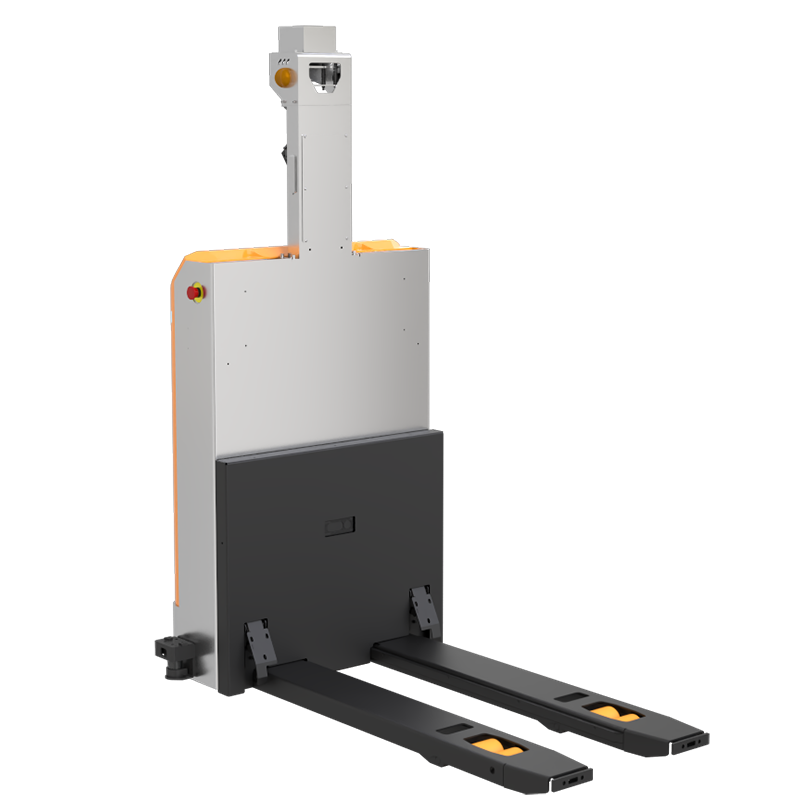
T 2.5M Omni-directional AGV Body 1 3D SLAM Navigation 1000kg Load Capacity Flexible Movement Zero Turning Radius for
Ideal for space-constrained production cells and flexible logistics routes where zero turning radius and omni-directional movement reduce maneuvering time.
- 1000kg
- 3D SLAM
- Omni-directional
- Zero radius
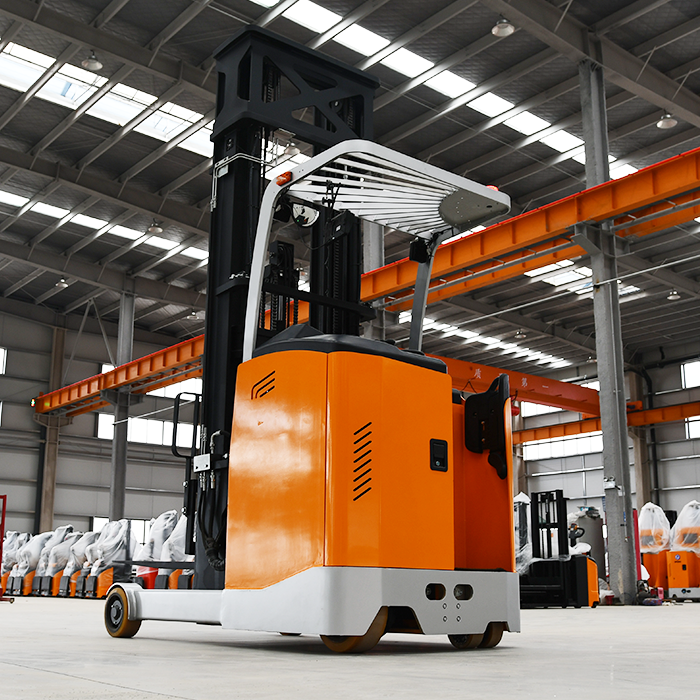
China Wholesale 2000kg 12m 8m 6m Industrial Forklift Pallet Truck High-Speed Steel Hot-Dip Galvanized Good Price
A value-focused wholesale option for buyers comparing industrial pallet trucks, hot-dip galvanized steel construction and multiple height configurations.
- 2000kg
- 12m / 8m / 6m
- Galvanized
- Wholesale
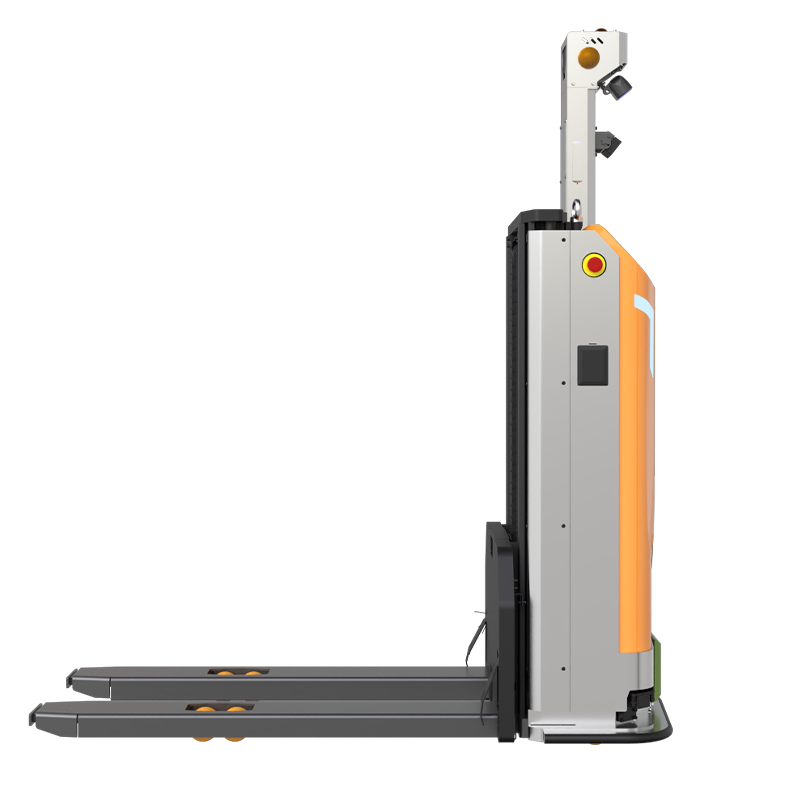
2T 3 M Slim Narrow-Body Stacker AGV High-Density Storage Pallet Stacking AGV for Narrow Aisles Warehouse Automation
Engineered for high-density storage and narrow-aisle warehouse automation, this slim-body stacker targets pallet stacking where conventional trucks waste aisle space.
- 2T
- 3m lift
- Slim body
- Stacking AGV
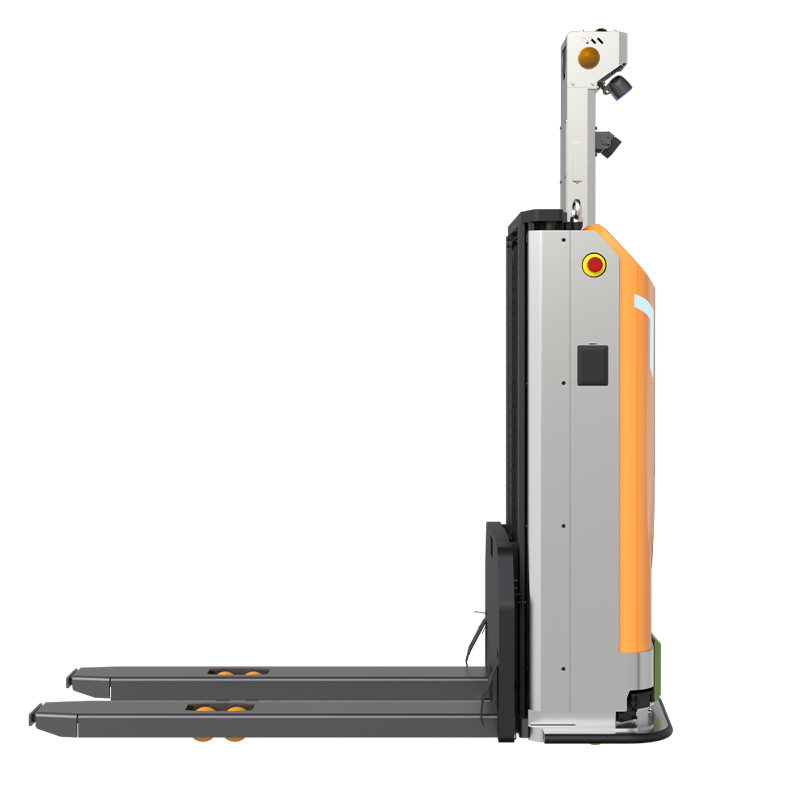
2T Slim Narrow-Body Stacker AGV with 3D SLAM & WIFI/5G for High-Density Storage 1.6M Pallet Stacking Maximize Warehouse Space
A strong fit for warehouses that want infrastructure-light 3D SLAM navigation, 1.6 m pallet stacking and high-density storage without extensive reflectors.
- 2T
- 1.6m stacking
- 3D SLAM
- WIFI / 5G
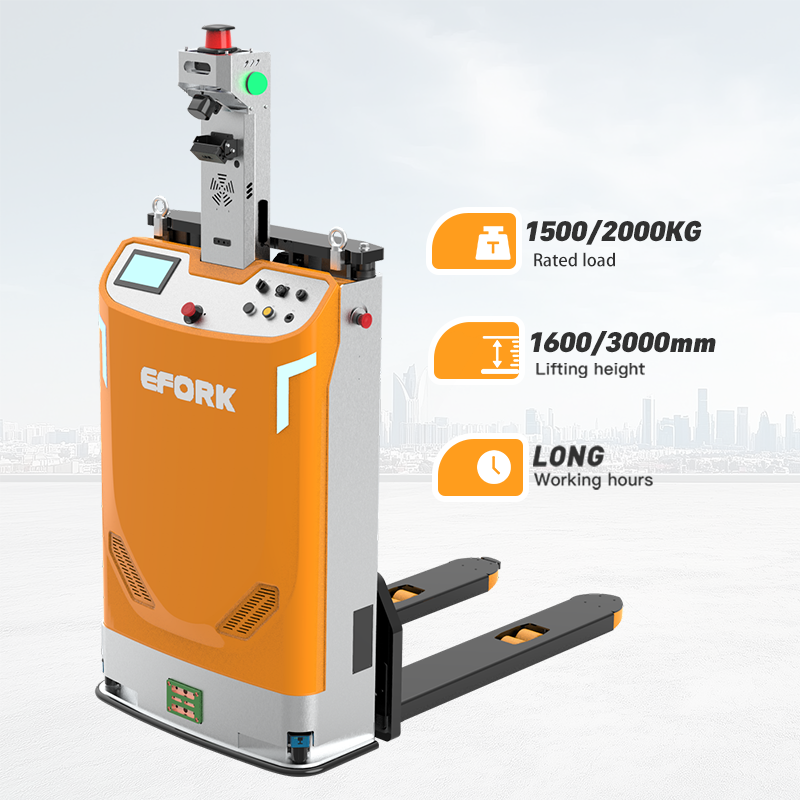
New Heli Yufeng EDA20-30 Slim Stacking AGV Forklift CE Certified 2T 3M 3D SLAM WIFI/5G for Stacking Mobile Robot
Designed for buyers seeking a CE-certified stacking mobile robot with 2T capacity, 3 m lift and 3D SLAM / WIFI / 5G connectivity for fleet deployment.
- CE
- 2T
- 3m lift
- Heli Yufeng
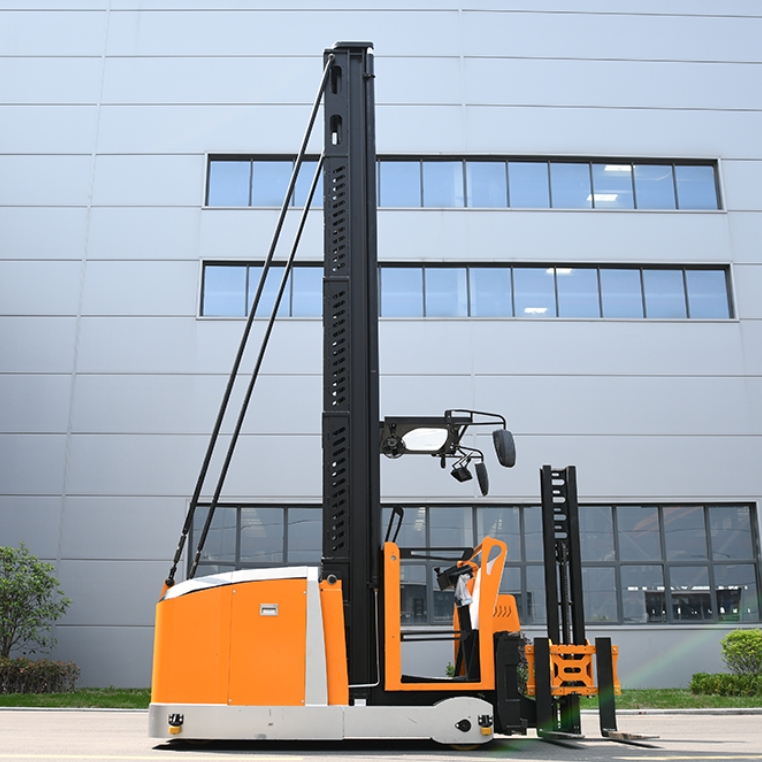
New 1.5T Manual Electric 3-Way Pallet Stacker Forklift 3 Way Manup Vna Forklift with 1600kg Loading Capacity AC Motor Powered
A three-way VNA pallet stacker concept for narrow aisles and high-bay handling, powered by an AC motor and positioned for buyers comparing manual-electric flexibility with automated upgrade paths.
- 1600kg
- 3-way
- VNA
- AC motor
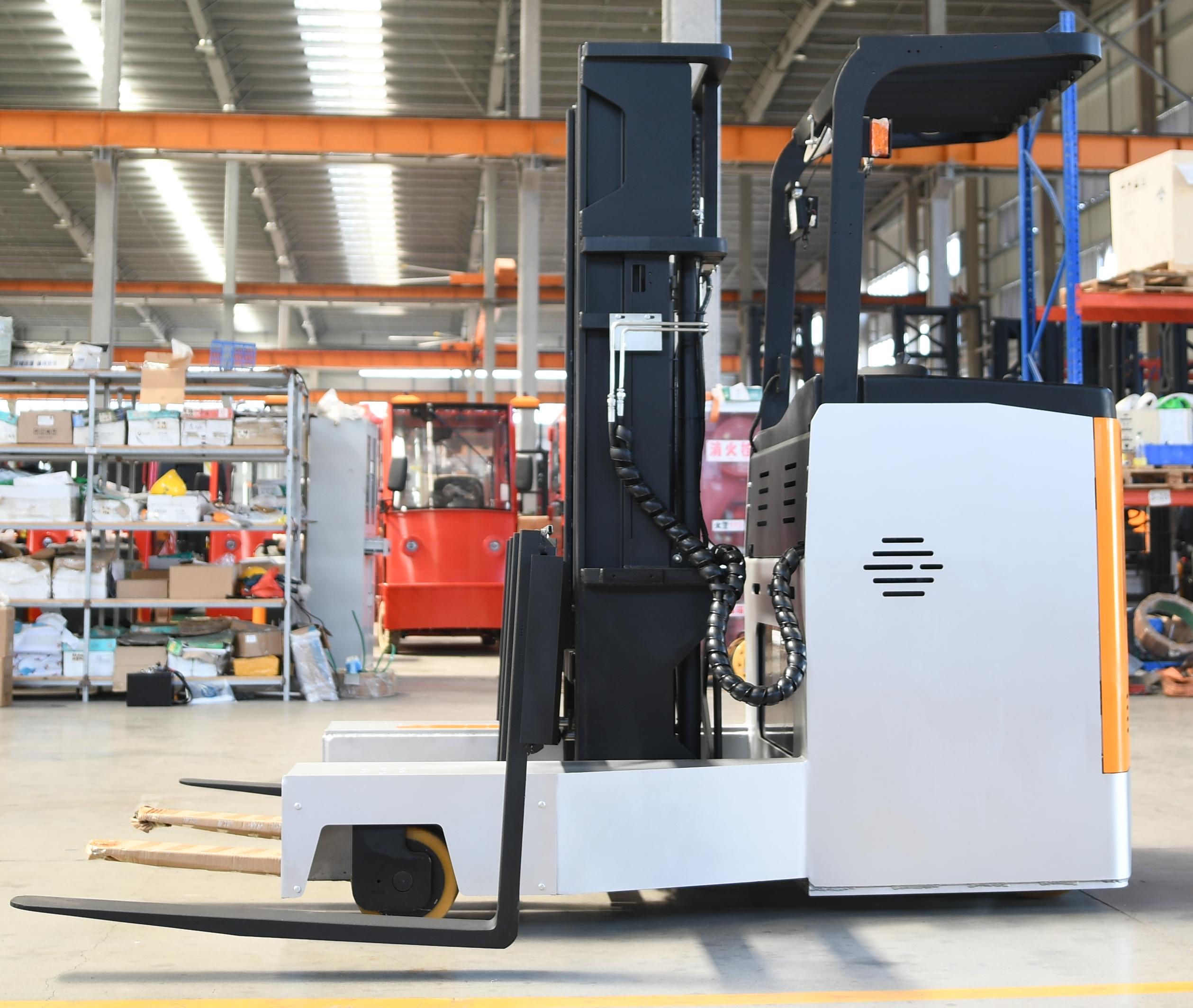
Multi Directional Forklift 4Ton 5Ton 4 Way Forklift Reach Truck Stacker For Narrow Aisle Small Space
For heavy pallets in narrow aisles and small spaces, this 4T / 5T multi-directional reach truck concept supports four-way travel and high-capacity handling.
- 4T / 5T
- 4-way
- Narrow aisle
- Reach truck
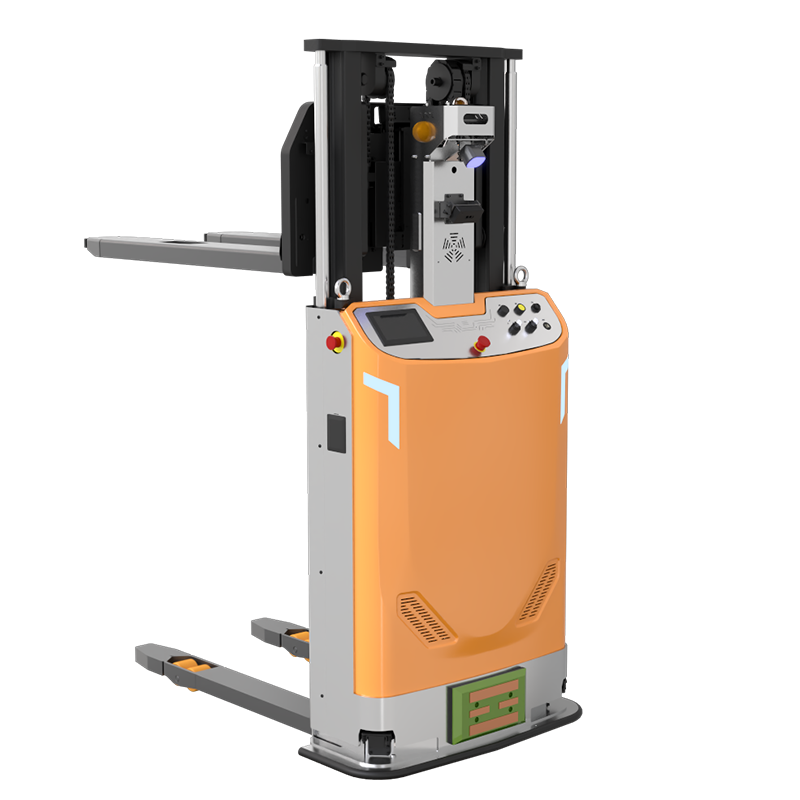
2T 1.6 M Slim Narrow-Body Stacker AGV Body for High-Density Storage High Lift Pallet Stacking AGV Maximize Warehouse Space
A slim AGV body for high-density storage and high-lift pallet stacking, giving system integrators a compact platform for maximizing warehouse space.
- 2T
- 1.6m
- Slim body
- AGV body
How to Evaluate China Top Logistics AGV Manufacturers & Wholesalers
Purchasing an AGV forklift is not a catalogue transaction. The real buyer intent is risk reduction: will the fleet run at the promised cycle time, clear customs, integrate with the WMS, and remain supported after commissioning?
Verified Manufacturing Scale
Ask for third-party onsite verification, factory floor space, employee count and production lines. A 66,650 m² manufacturing base and 1,152 employees indicate capacity for fleet orders, but only meaningful if tied to traceable inspection records.
CE, ISO and Safety Evidence
For European and regulated markets, request CE marking under Machinery Directive 2006/42/EC, ISO 9001 quality management and ISO 45001 occupational safety evidence. Safety scanners, emergency stop logic and speed zones should be documented, not merely promised.
WMS-Ready Integration
Demand a clear interface specification with your WMS, ERP or MES. The strongest suppliers discuss traffic management, task allocation, exception handling and acceptance testing before commercial terms. "WMS-ready" should mean tested APIs, not a future intention.
Lifecycle and Export Terms
For overseas procurement, verify Incoterms, spare-parts lists, remote diagnostics and commissioning support. Nexrik supports FOB, CFR, CIF, EXW, FAS, CIP and DDP, with payment via L/C, D/P, D/A, credit card or Western Union in USD, EUR or CNY.
Which Logistics AGV Fits Your Warehouse Scenario?
This engineering comparison helps commercial buyers, warehouse managers and system integrators shortlist equipment before requesting a layout proposal. Specifications must be confirmed against your pallet type, rack drawing, floor condition and throughput target.
| Equipment | Typical Load | Lift / Height | Navigation | Best-Fit Application |
|---|---|---|---|---|
| Omni-directional AGV Body | 1000kg | Compact platform | 3D SLAM | Flexible cells, zero-radius turning, tight production logistics |
| Slim Stacker AGV | 2T | 1.6m – 3m | 3D SLAM / WIFI / 5G | High-density storage, narrow aisles, pallet stacking |
| Heli Yufeng Stacking AGV | 2T | 3m | 3D SLAM / WIFI / 5G | CE-certified stacking mobile robot for export projects |
| 3-Way VNA Stacker | 1600kg | VNA configuration | Manual electric / upgrade path | Very narrow aisle, high-bay pallet handling, AC motor drive |
| Multi-Directional Forklift | 4T / 5T | 4-way handling | Operator / automation-ready | Heavy pallets in narrow aisles and small spaces |
| Industrial Pallet Truck | 2000kg | 6m / 8m / 12m | Industrial handling | Wholesale pricing, galvanized steel, general pallet movement |
| High-Lift Stacker AGV Body | 2T | 1.6m | AGV body platform | High-density storage, compact OEM / ODM integration |
Values reflect the standard configurations named in the product listings. Final load capacity, residual capacity at height, aisle width and safety zones are confirmed during project engineering.
Procurement Trends Shaping Logistics AGV Buying 2026–2030
Commercial buyers are moving from "Can you supply an AGV?" to "Can you prove lifecycle value, integration readiness and multi-site service capability?" The following procurement shifts should be written into RFQs and supplier scorecards.
Pilot-First Procurement
MOQ 1 set is becoming a strategic advantage. Buyers validate route logic, cycle time and operator acceptance with one unit before scaling to a fleet. This reduces capital exposure and creates real data for the business case.
Total Cost of Ownership
Procurement teams now compare energy consumption, battery strategy, spare-parts lead time, scanner replacement cost and remote support. A lower machine price can lose to a higher-uptime platform over five years.
Infrastructure-Light Navigation
3D SLAM minimizes reflectors, floor tape and fixed route infrastructure. For leased warehouses or rapidly changing layouts, natural-feature localization lowers site preparation cost and accelerates relocation.
Cyber and WMS Readiness
RFQs increasingly include API documentation, VLAN requirements, user access control and data logging. AGV procurement is no longer separate from IT security and ERP integration.
DDP and Service-Level Contracts
Overseas buyers prefer predictable landed cost. DDP terms, clear warranty boundaries and remote commissioning reduce customs friction. Service-level response times are becoming part of supplier evaluation, especially for multi-site rollouts.
Modular, Interoperable Fleets
Instead of a single large system, buyers favor modular AGV bodies, stacker cranes and shuttles that can be expanded by zone. Interoperability with existing conveyors, lifts and WMS reduces vendor lock-in.
Where Logistics AGV Technology Is Heading Next
Product development is converging around denser storage, smaller footprints, easier navigation and stronger integration. The buyer benefit is not novelty—it is shorter commissioning, higher storage density and lower cost per pallet movement.
Slim Bodies and High-Density Storage
Slim narrow-body stacker AGVs and high-lift pallet stacking platforms are designed to maximize warehouse space. The commercial implication is higher pallet positions per square meter without rebuilding the entire racking system.
Omni and Multi-Directional Motion
Zero turning radius and four-way movement allow equipment to operate in smaller spaces. This is especially valuable for production cells, cold rooms and leased facilities where aisle width cannot be expanded.
3D SLAM and 5G / WIFI Connectivity
3D SLAM navigation uses natural features to localize, while WIFI and 5G connectivity support fleet scheduling and remote diagnostics. Buyers should ask for actual site mapping requirements and network assumptions.
AS/RS and Four-Way Shuttle Densification
High-bay AS/RS stacker cranes and four-way shuttles push storage density beyond conventional racking. The decision should be based on throughput, SKU profile, fire strategy and building height—not only headline height.
Safety and Certification by Design
CE, ISO 9001 and ISO 45001 are becoming baseline filters. Better suppliers design safety scanners, speed zones, emergency stops and traffic rules into the platform rather than adding them as documentation.
Cold-Chain and Specialized Variants
Frozen storage, galvanized steel, sealed connectors and battery thermal management are expanding the addressable market for AGVs. For buyers, the key question is whether the variant is engineered or simply relabeled.
Why a Verified Chinese Manufacturer Can Compete on Trust and Speed
China's logistics equipment clusters combine deep supplier networks, mature production engineering and export experience. The strongest manufacturers are not simply wholesalers; they are integration partners with verifiable capacity and documentation.
Anhui Nexrik Intelligent Technology Co., Ltd.
Nexrik is a high-tech manufacturer specializing in the R&D, production and integration of intelligent warehousing equipment, including AGV forklifts, VNA AGVs, reach truck AGVs, counterbalanced AGVs, AS/RS stacker cranes, four-way shuttles and RGVs. The company operates from Huagang Town Industrial Park, Feixi County, Hefei, Anhui—a recognized hub for China's forklift and intelligent logistics industry.
For international buyers, the advantage is not only manufacturing scale. It is the ability to align product selection with real operating conditions: pallet type, rack layout, floor flatness, throughput peaks, shift patterns and WMS interfaces. A SGS onsite-verified manufacturer with CE, ISO 9001 and ISO 45001 credentials offers a more defensible procurement route than an unverified trading intermediary.
- OEM, ODM, buyer-label production
- MOQ 1 set for pilot validation
- Full customization of load, lift and forks
- Turnkey AGV + AS/RS integration
- Export service to five major regions
- 7 international exhibitions and Fortune 500 supplier experience
Turnkey Project Workflow
Site analysis, solution design, manufacturing, commissioning and lifecycle support are handled as a single process. Engineering starts with your rack drawing and throughput target, then validates traffic and fleet sizing before production. This de-risks first-time automation and multi-site rollouts.
Trade and Delivery Terms
Accepted Incoterms include FOB, CFR, CIF, EXW, FAS, CIP and DDP. Payment methods include L/C, D/P, D/A, MoneyGram, credit card and Western Union in USD, EUR or CNY. For tender documentation, buyers can request certification and verification materials during supplier assessment.
Supplier Due Diligence for Logistics AGV Wholesalers
Whether you are a distributor, system integrator or end user, the same scorecard reduces hidden risk. Use these checks before signing a purchase order.
Factory and Legal Verification
Confirm onsite inspection, legal entity, production floor space and product scope. Do not accept a certificate image without the corresponding model range and current validity.
Technical Fit Validation
Check residual capacity at lift height, minimum aisle width, floor tolerance, pallet condition and safety scanner zones. A model that works on paper can fail on a real warehouse floor.
Documentation and Testing
Request FAT and SAT checklists, electrical drawings, operating manuals, spare-parts lists and WMS interface documents. Acceptance criteria should be written into the contract.
Support and Expansion
Ask how firmware updates, remote diagnostics, spare scanners, battery replacement and fleet expansion are handled after year one. Procurement should plan for lifecycle support, not only delivery.
Common Questions from AGV Buyers and Wholesalers
These answers reflect the commercial and technical questions most often raised during supplier evaluation.
What is the minimum order quantity for Nexrik AGV forklifts?
Which navigation technologies are available?
What certifications support export and tender submission?
Can the equipment integrate with an existing WMS or ERP?
Does the manufacturer offer OEM, ODM and customization?
Which trade terms and payment methods are accepted?
How should a first-time buyer choose between a stacker AGV and a VNA AGV?
What should be included in an AGV project RFQ?
Ready to Shortlist the Right Logistics AGV?
Send your rack layout, pallet specification and throughput target. The engineering team can recommend the right mix of AGV forklifts, narrow-body stackers, VNA equipment and AS/RS systems for your warehouse.