8 Recommended Automated Handling Systems for 2025–2026 Projects
Use the shortlist below as a working RFQ basket. Each model is matched to a real intralogistics mission—narrow-aisle racking, dock transfer, high-bay storage or WMS-connected pallet movement—so buyers can compare load, lift height and navigation without mixing incompatible machine classes.
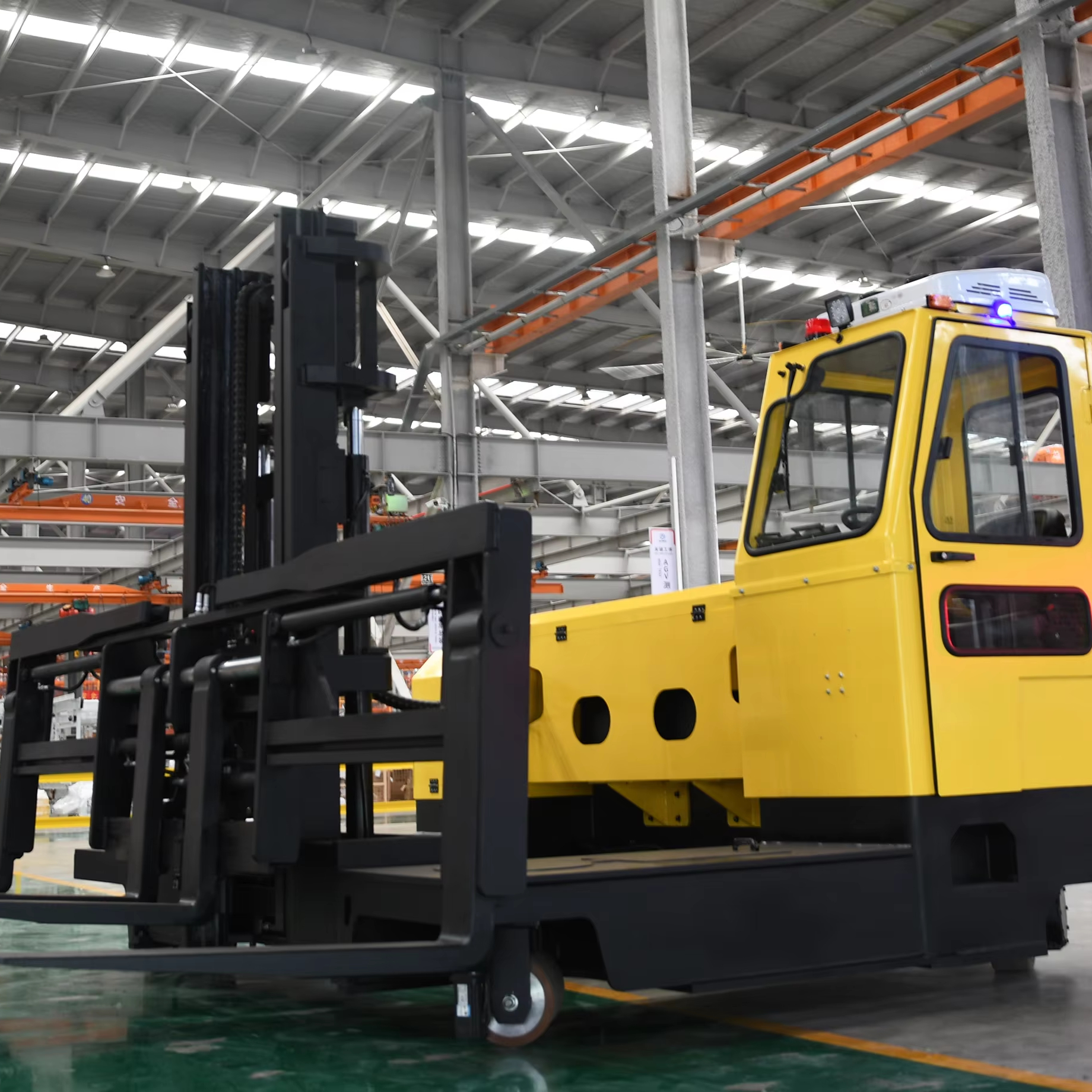
Multi-Directional Forklift Reach Truck Stacker 3.5T–5T Full-Way Electric Side Loader
- 3.5T–5T
- Full-way
- Wide-body seat
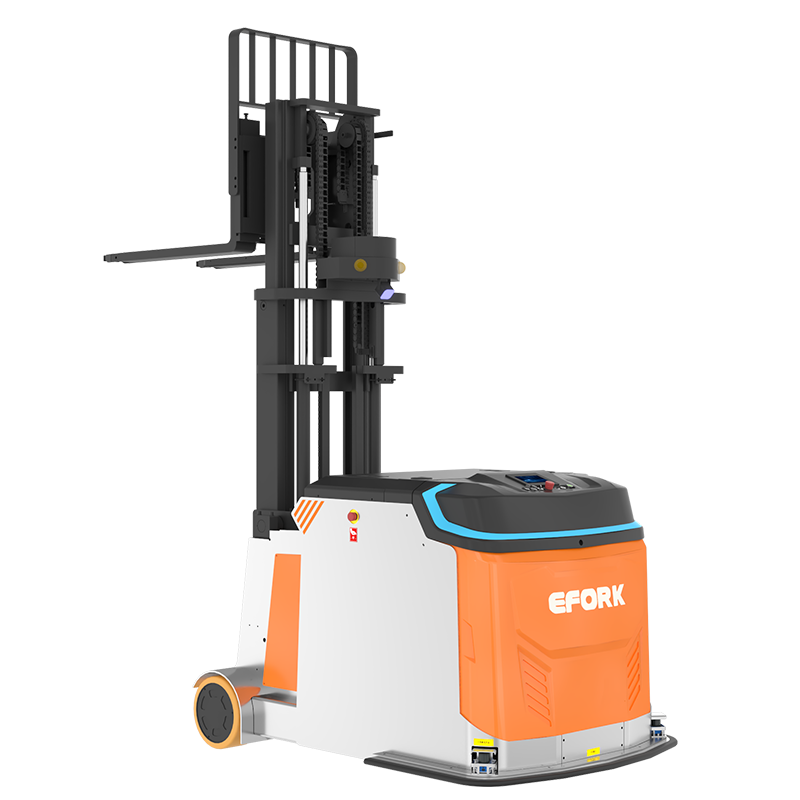
EFORK EDB30-30 Counterbalanced AGV Body 3M 3T with 3D SLAM Navigation
- 3,000 kg
- 3 m lift
- 3D SLAM
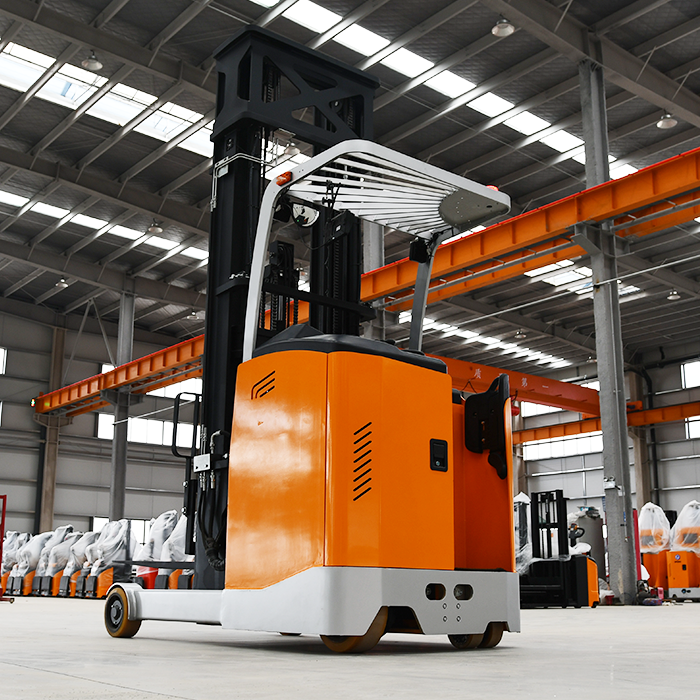
China Wholesale 2000kg 12m/8m/6m Industrial Galvanized Pallet Truck
- 2,000 kg
- Hot-dip galvanized
- 12/8/6 m
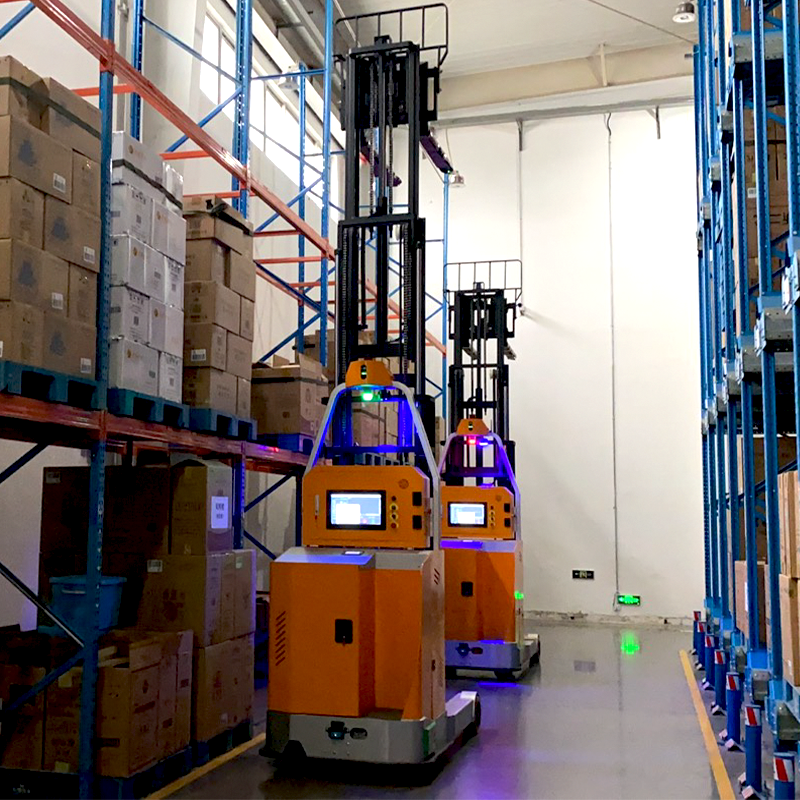
EFORK EQDA15-30 Automated Reach Truck Laser SLAM 1.5T ±10mm Accuracy
- 1.5T capacity
- ±10 mm
- Laser SLAM
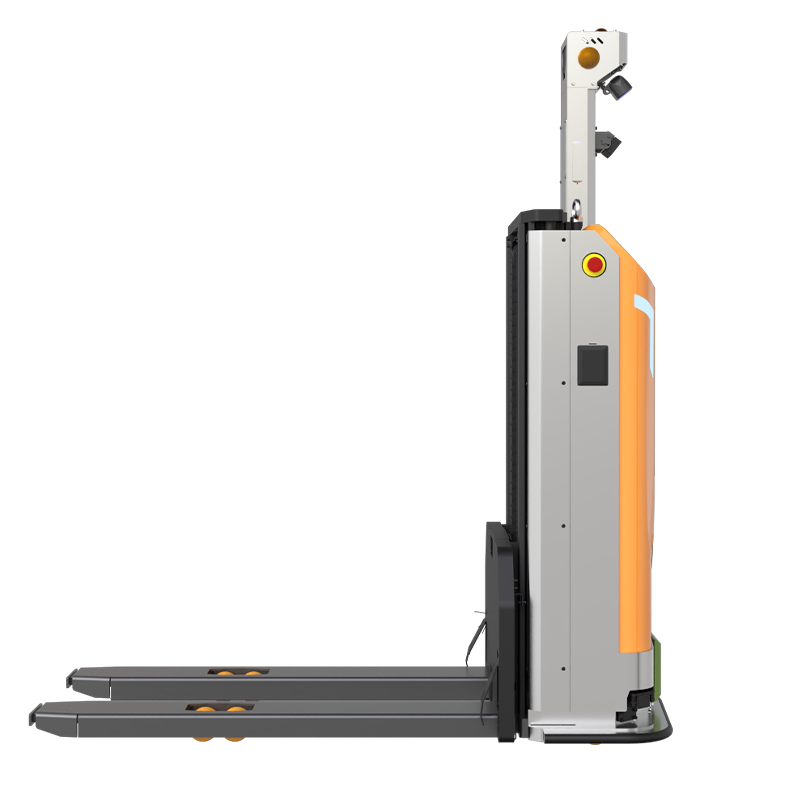
2T 3M Slim Narrow-Body Stacker AGV for High-Density Storage
- 2,000 kg
- 3 m lift
- Narrow aisle
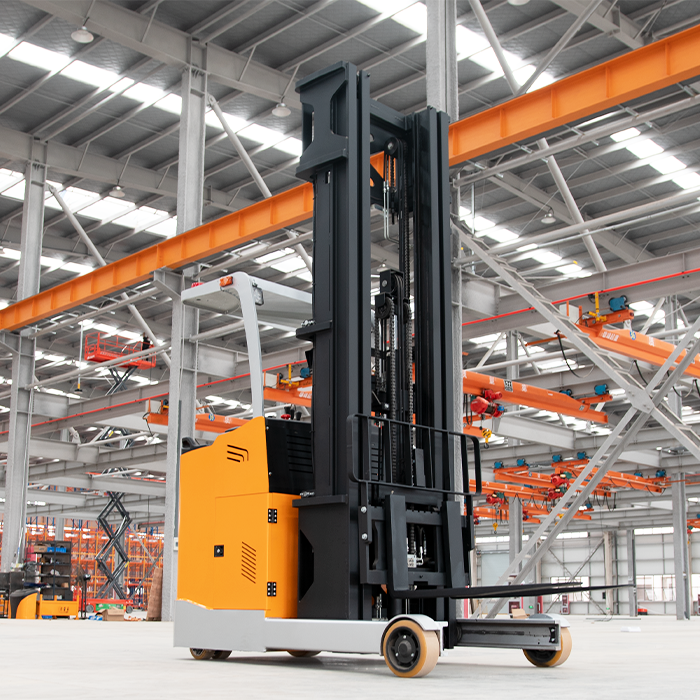
China Wholesale 2000kg 12m/8m/6m Industrial Forklift Pallet Truck
- 2,000 kg
- 12/8/6 m
- Factory price
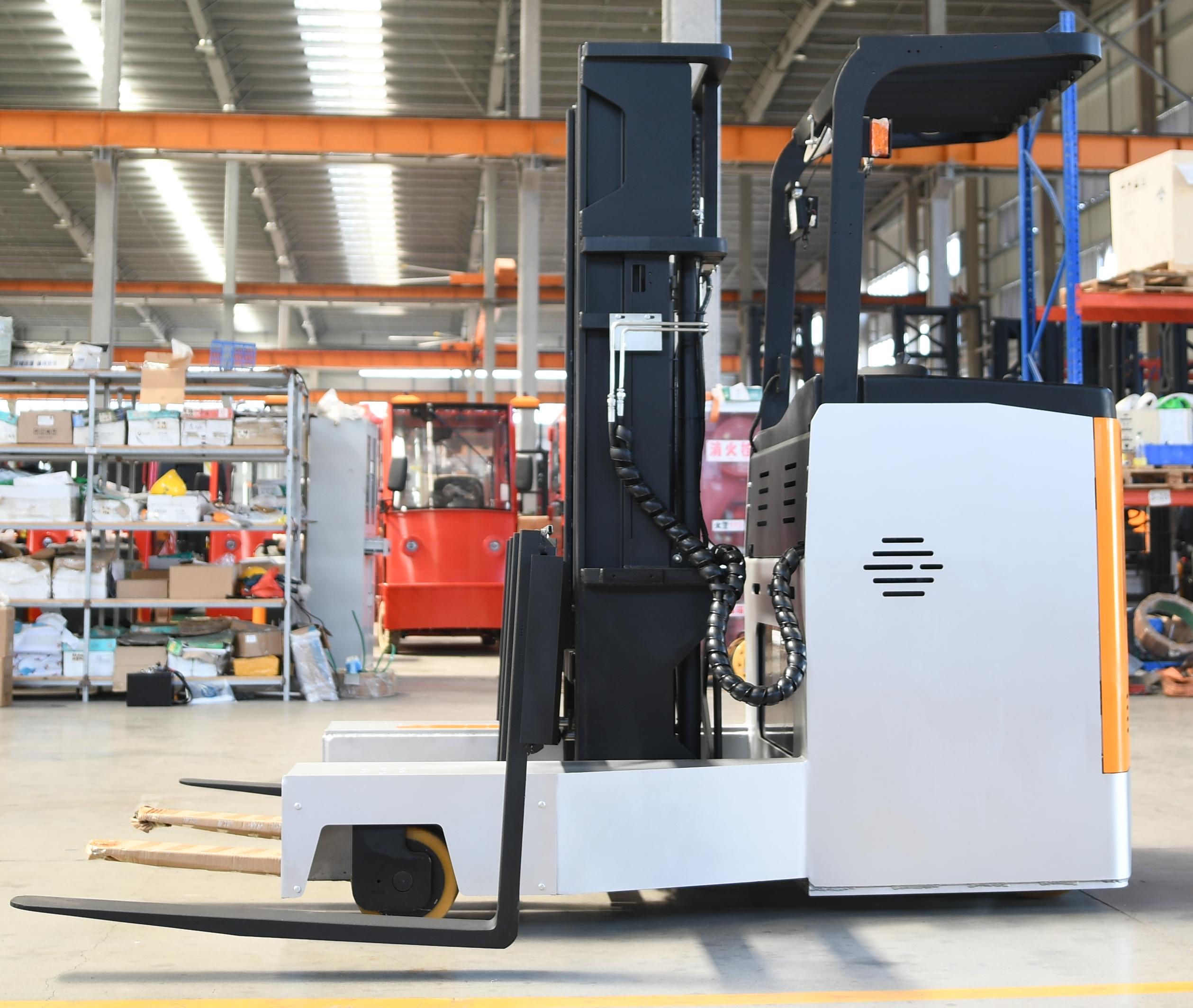
Multi-Directional Forklift 4T–5T 4-Way Reach Truck Stacker for Narrow Aisles
- 4T–5T
- 4-way travel
- Small space
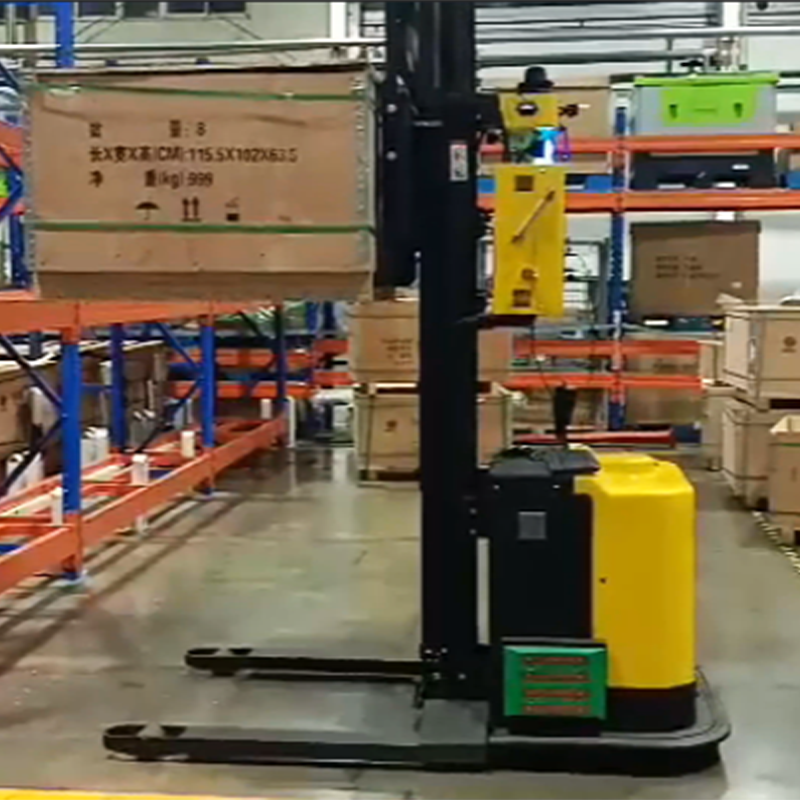
2T 3000mm Pallet AGV Forklift 3D SLAM with Wi-Fi/5G Control
- 2,000 kg
- 3,000 mm
- 5G/Wi-Fi
Procurement Trends Reshaping Automated Handling System Buying
Automation procurement is moving from “buy one robot” to “design an intralogistics layer that can be audited, expanded and connected.” For a China-based manufacturer or factory buyer, the winning strategy is to put measurable acceptance criteria into the RFQ before a single truck is built.
Pilot-First, Fleet-Second
The MOQ of one set is now used to test aisle geometry, WMS handshakes and operator acceptance. Buyers ask for a pilot scorecard covering moves per hour, intervention rate and charging window before approving a fleet.
Total Cost Over Sticker Price
Procurement teams now compare energy, scanner replacement, spare parts, remote diagnostics and service response over five to seven years. A low purchase price can hide an expensive interface or a battery strategy that does not fit two-shift operation.
Interoperability First
Automated handling systems are judged by their ability to exchange order, pallet and location data with WMS, ERP and WCS. The RFQ should require a documented interface list, protocol ownership and an acceptance test for task allocation.
Safety Evidence
CE marking under 2006/42/EC should come with risk assessment, safety scanner zones, E-stop logic, speed limits and training records. Buyers increasingly review ISO 45001 alignment and onsite inspection reports.
Mixed-Fleet Architecture
Reach trucks handle selective racking; counterbalanced AGVs manage closed-bottom pallets and docks; VNA trucks unlock high-bay density; AS/RS and shuttles store pallets in deep, high racks. One engineering team should own the handover points.
Service and Spare Parts
Remote diagnostics, spare-part kits and clear escalation paths are part of the purchase. Buyers ask where the battery, scanner and drive unit are sourced, and how firmware updates are controlled after commissioning.
Energy as a Design Input
Lithium-ion batteries, opportunity charging and route optimisation affect uptime as much as lift speed. Charge windows should be compared against shift patterns, and battery data should be available to the WMS.
Factory Verification
SGS onsite verification, material inspection and finished-product inspection give buyers traceable evidence before a factory visit. For tender committees, this documentation reduces supplier risk and supports customs, insurance and internal audit.
How to Compare an Automated Handling System RFQ
A clean comparison converts raw quotations into engineering proposals. Use the six checks below as a pre-award review; the bars are relative fit indicators for typical projects, not final specifications.
Reach vs Counterbalanced Fit
Compare aisle width, rack type and pallet bottom. Reach trucks retract the mast and suit selective racking; counterbalanced AGVs handle closed-bottom pallets and dock work.
Typical fit score: 82%
VNA High-Bay Density
For very narrow aisles, confirm lift height, 3-way fork motion and floor flatness. VNA AGVs can replace multiple conventional trucks when storage density is the constraint.
Typical fit score: 91%
AS/RS Stacker Crane
Check load unit, rack height, WMS/WCS integration and cold-storage requirement. Stacker cranes are most competitive where high-bay storage and repeatable retrieval justify fixed infrastructure.
Typical fit score: 76%
Four-Way Shuttle Density
Four-way shuttles travel in both rack directions and change levels via lifts. They are strong for dense pallet storage with flexible FIFO/LIFO logic and high land-cost sites.
Typical fit score: 95%
WMS Integration Readiness
Require a sample interface, data ownership map and test plan. The goal is not “WMS-ready” on a brochure; it is a proven task flow from order release to completion without manual re-entry.
Typical fit score: 88%
TCO Visibility
Ask for a five-year view of power, wear parts, scanner checks, firmware support and spare-part lead time. The most transparent supplier is usually the easiest to audit after go-live.
Typical fit score: 74%
Final specifications are confirmed during project engineering based on pallet type, rack drawing, floor condition, throughput and shift pattern.
Technology Development Trends for the Next Generation of Automated Handling
The strongest suppliers are converging navigation, safety, energy and software into one manageable fleet. These eight trends explain why buyers should ask for a technology roadmap, not only a machine specification.
Natural-Feature 3D SLAM
3D SLAM localises using the natural features of a building, reducing reflector and floor-tape work. It shortens site preparation and makes layout changes less disruptive.
Very Narrow Aisle and High Bay
VNA 3-way AGVs and high-bay stacker cranes push storage upward and aisle width downward. The trade-off is stricter floor flatness, rack tolerance and engineering validation.
AS/RS and Shuttle Convergence
Stacker cranes, four-way shuttles and RGVs are being designed as one dense-storage system. Buyers benefit when one supplier owns the WMS/WCS interface and task logic.
Digital Twin and Simulation
Traffic simulation before production reduces bottlenecks, charger conflicts and lift-truck queues. The output is a fleet size backed by cycle-time logic, not a catalogue rule of thumb.
Safety Sensing and Speed Zones
Scanner zones, speed limits, payload-aware braking and clear E-stop architecture are becoming standard review items. Safety validation should be documented, not assumed.
Lithium-Ion and Opportunity Charging
Battery strategy affects fleet size and shift planning. Opportunity charging, charger placement and battery data all belong in the layout design from day one.
Cold-Chain Specialisation
Frozen-storage stacker cranes and cold-duty components must handle condensation, lubrication and service access. Buyers should specify temperature range and maintenance windows.
Data-Ready Equipment
Wi-Fi, 5G, battery telemetry and task logs make fleets measurable. The purchasing team should require data access rules and uptime dashboards before signing off.
Enterprise Advantages: A Factory You Can Audit, Not Just a Catalogue
Anhui Nexrik Intelligent Technology Co., Ltd. is a high-tech manufacturer focused on R&D, production and integration of intelligent warehousing equipment—AGV forklifts, AS/RS stacker cranes, four-way shuttles and RGVs. The production base in Huagang Industrial Park, Feixi County, Hefei, sits in a recognised Chinese forklift industry hub.
In-House Manufacturing
Chassis, masts and control integration are built and tested on company lines. Onsite material and finished-product inspection are performed before shipment.
One-Stop Turnkey Systems
AGVs, stacker cranes, four-way shuttles and RGVs come from a single source and are engineered as one WMS-ready system rather than disconnected islands.
Verified Compliance
CE marking under 2006/42/EC, ISO 9001 and ISO 45001 management systems, plus SGS onsite verification of premises and legal status.
Full Customisation and OEM/ODM
Load capacity, lift height, fork configuration, battery arrangement and cold-storage variants can be engineered for buyer-label and tender requirements.
Pilot-Friendly MOQ
The MOQ for listed AGV forklift, stacker crane and four-way shuttle models is 1 set, allowing a measured pilot before full-fleet approval.
Global Market Experience
Project experience across Southeast Asia, South America, Eastern Europe, South Asia and North America, supported by international exhibition participation.
Export and Trade Desk
Incoterms include FOB, CFR, CIF, EXW, FAS, CIP and DDP. Payment can be arranged by L/C, D/P, D/A, MoneyGram, credit card or Western Union in USD, EUR or CNY.
Lifecycle Support
Remote diagnostics, spare-parts planning, operator training and fleet-expansion advice reduce the risk of downtime after go-live.
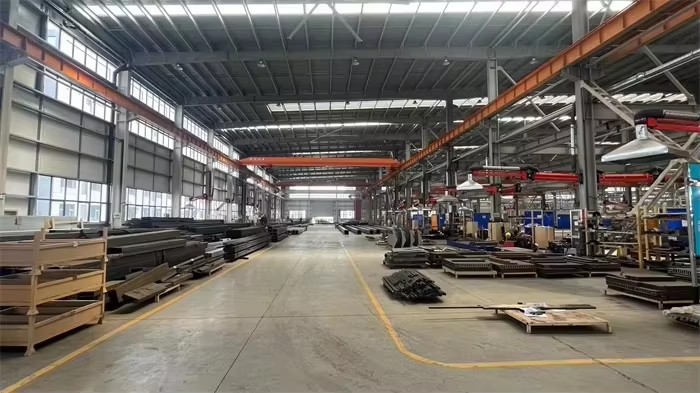
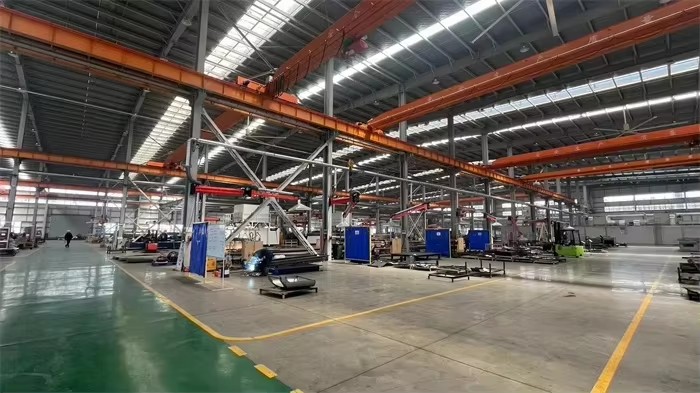
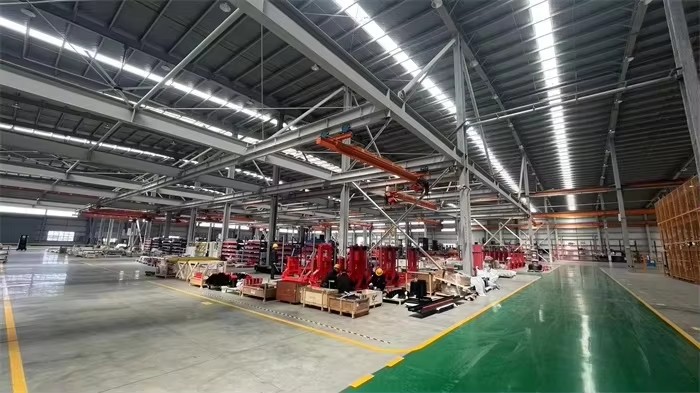
Inside the Hefei Factory: Production, Inspection and Project Delivery
Buyers can review the production base, assembly workshop, testing area, inspection process, automated warehouse project and AS/RS installation before committing to a fleet. The images below are kept in their full aspect ratio so engineering teams can see equipment layout and build quality.



Global Trade Readiness and Procurement Support
For overseas buyers, the hidden cost of automation is often documentation, commissioning and spare-parts planning. A factory with export processes and remote support can shorten the distance between an approved layout and a working system.
Southeast Asia
Manufacturing and 3PL projects often need mixed reach truck, stacker and counterbalanced AGV fleets. Buyers should confirm humid-weather protection, spare-parts access and operator training.
South America
Food, beverage and retail warehouses use dense storage and dock transfer. Long shipping routes make pre-shipment inspection and consolidated spare-parts kits especially valuable.
Eastern Europe
Automotive and distribution centres require repeatable cycle times and WMS integration. CE documentation and risk assessment should be reviewed before the purchase order.
South Asia
Pharma and FMCG projects often prioritise clean operation, safety zoning and high pick frequency. Battery strategy and after-sales response should be written into the contract.
North America
E-commerce fulfilment projects focus on throughput, uptime and integration with existing WMS. Remote commissioning support and clear firmware ownership reduce project friction.
Trade and Payment Desk
Incoterms: FOB, CFR, CIF, EXW, FAS, CIP and DDP. Payment: L/C, D/P, D/A, MoneyGram, credit card and Western Union. Currencies: USD, EUR and CNY.
China Automated Handling System Procurement FAQ
These are the questions buyers usually ask before requesting a layout, and the answers that matter during technical and commercial review.
What is the minimum order quantity for these AGV forklifts and automated handling systems?
The MOQ for the listed AGV forklift, stacker crane and four-way shuttle models is 1 set. A single-truck pilot can validate routes, cycle times and WMS handshakes before the buyer scales to a full fleet.
Should we choose laser navigation or 3D SLAM navigation?
Laser navigation remains strong for repetitive fixed routes and controlled environments. 3D SLAM localises using natural building features and can reduce reflector or floor-tape work, which shortens site preparation. The final choice depends on aisle geometry, rack density and how often the layout may change.
What certifications and verification can be supplied?
The company holds ISO 9001 and ISO 45001 management system certification, CE marking under the Machinery Directive 2006/42/EC for its AGV range, 7 awarded patents and SGS onsite verification of premises and legal status. Documentation can be assembled for tender, customs and insurance review.
Can load, lift height, forks and batteries be customised?
Yes. The factory provides full customisation, OEM, ODM and buyer-label production. Load capacity, lift height, fork configuration, battery arrangement and cold-storage variants can be engineered around the pallet and rack drawing.
How do you integrate with an existing WMS or ERP?
AS/RS and four-way shuttle systems are designed WMS-ready. Interface requirements with the buyer’s WMS or ERP are defined during solution design and tested during commissioning, with task allocation and completion logic included in the acceptance plan.
Which trade terms and payment methods are accepted?
Accepted delivery terms include FOB, CFR, CIF, EXW, FAS, CIP and DDP. Accepted payment methods include L/C, D/P, D/A, MoneyGram, credit card and Western Union in USD, EUR or CNY.
How should we compare quotations from different China suppliers?
Compare the safety package, navigation technology, battery strategy, WMS interface scope, commissioning support, spare-parts list and five-year service assumptions. A quote that excludes these items is not a like-for-like proposal, even if the machine price looks lower.
What is the lowest-risk path for a first automation project?
Start with a one-set pilot, provide pallet data and rack drawings, simulate the traffic plan, and define factory acceptance and site acceptance tests. Then confirm training, remote diagnostics and spare-parts access before ordering additional units.
Send Your Pallet, Rack and Throughput Data — Get an Engineer-Led Layout
Share pallet type, rack height, aisle width, shift pattern and target moves per hour. The team will return a recommended equipment mix, fleet size and commercial route. MOQ is 1 set for pilot projects, with OEM/ODM and cold-storage options available.
Send an Inquiry