8 VNA and Automated Forklift Products to Evaluate First
The eight models below cover the practical core of an intelligent narrow-aisle logistics fleet: automated reach trucks, electric stackers, AGV stacker bodies, laser-guided forklifts, multi-directional side loaders, and compact material handling robots.
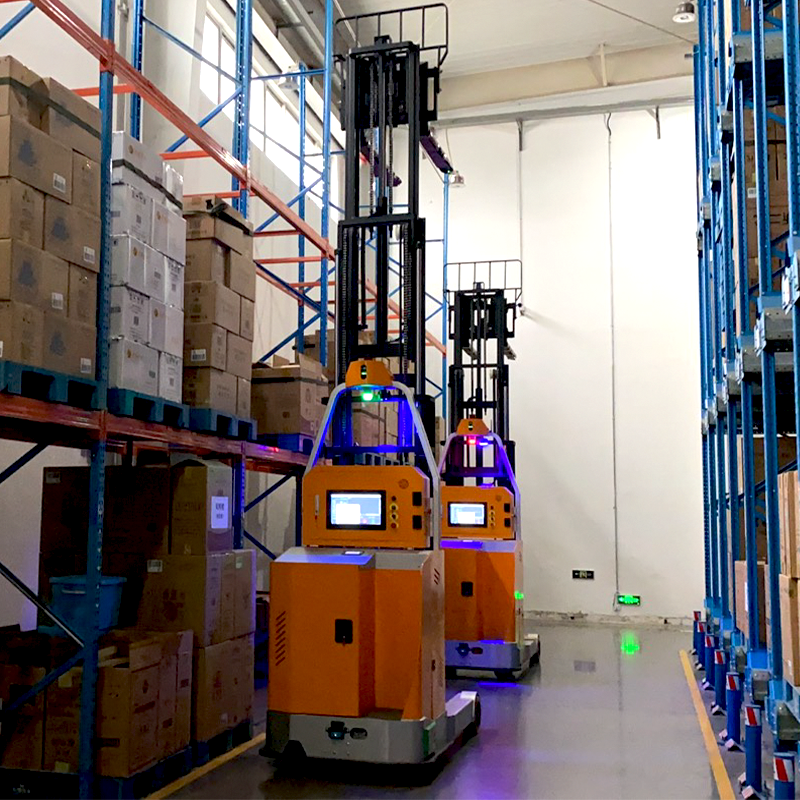
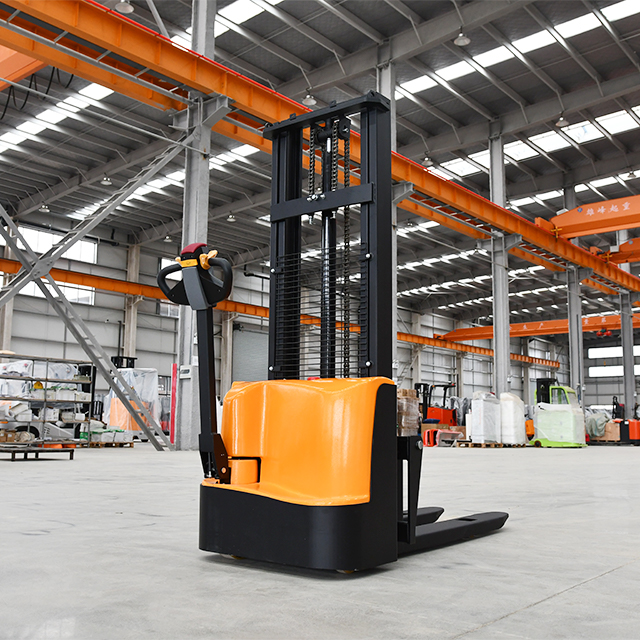
1Ton & 2Ton Full Electric Pallet Stacker Walkie Type High Performance, Low Cost Optional with Training Wheels
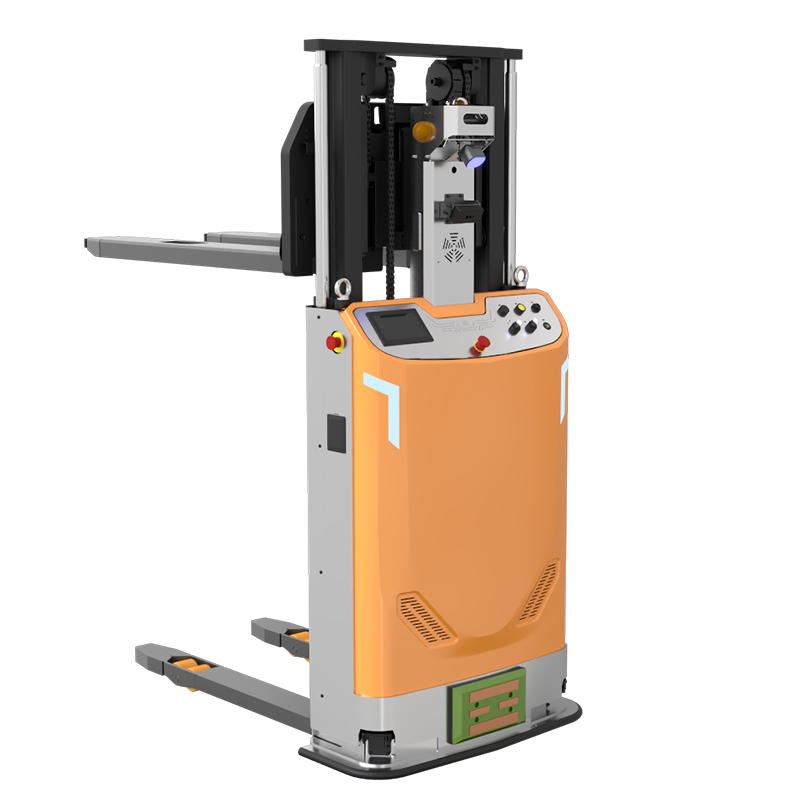
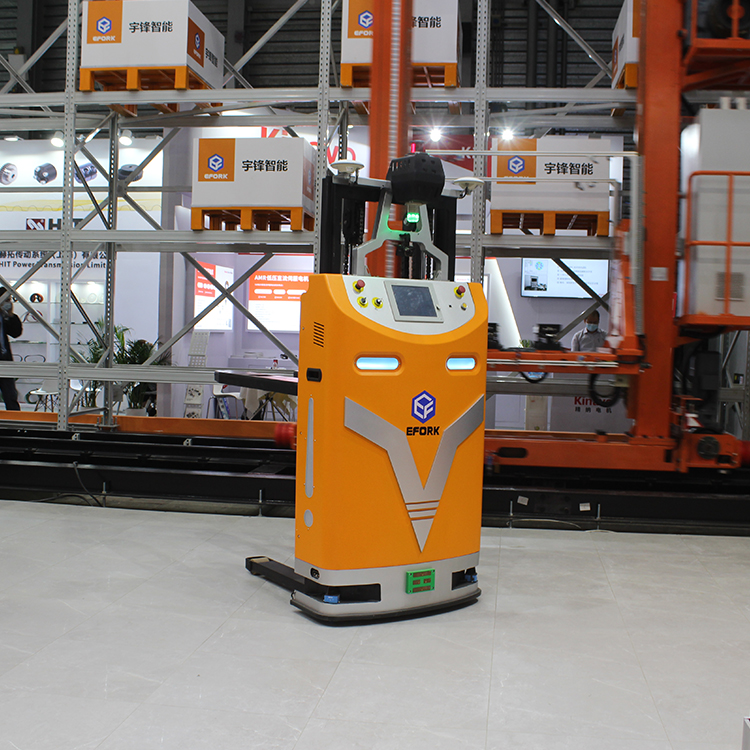
CE Certified EFORK EDA20-16 2T 1600mm Laser Navigation Self-Driving Forklift AGV WIFI/5G 10mm Accuracy 6-8H Working Time
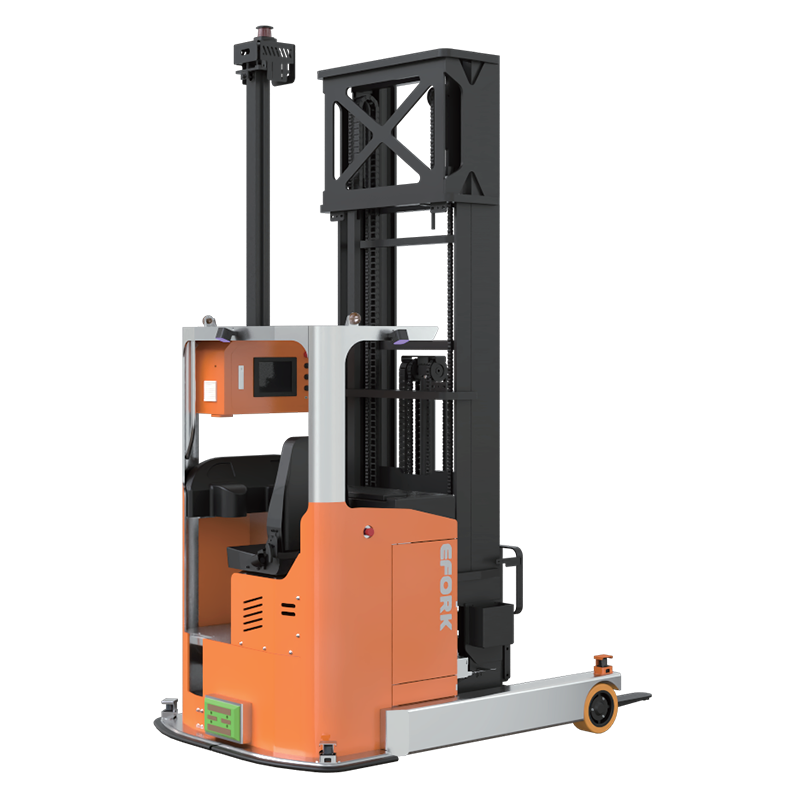
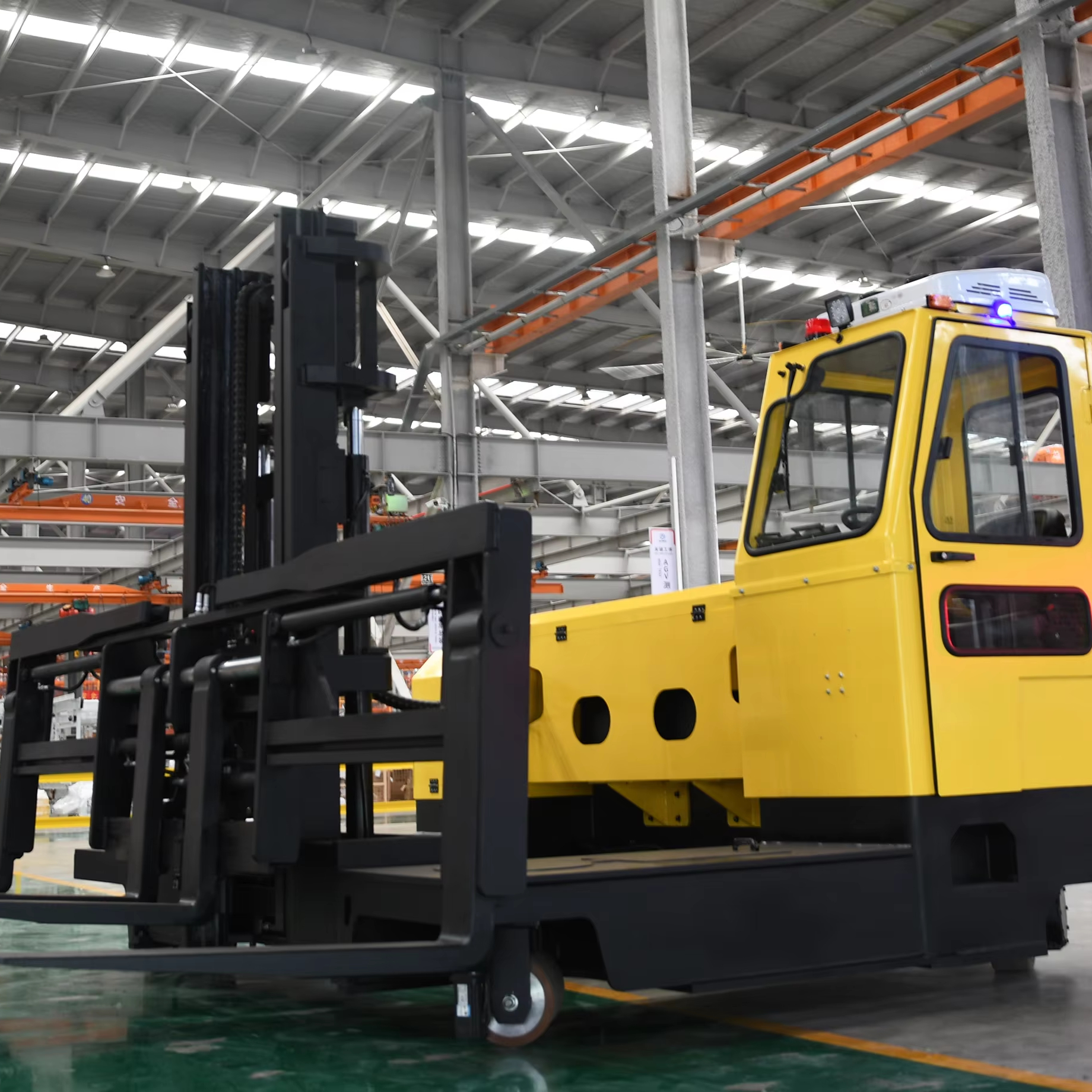
Multi-directional Forklift Reach Truck Stacker 3.5 Ton 5Ton Full Way Eclectic Side Loader Forklift With Wide Body Seat
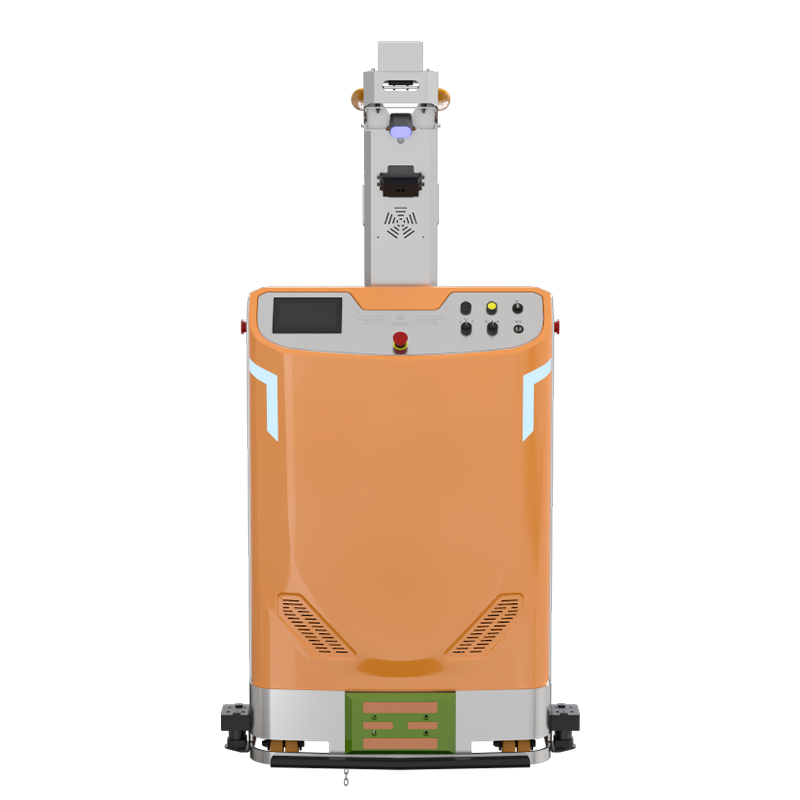
2T Material Handling AGV Body Narrow Body Compact Chassis 3D SLAM Navigation Laser Obstacle Avoidance for Workshop Transport
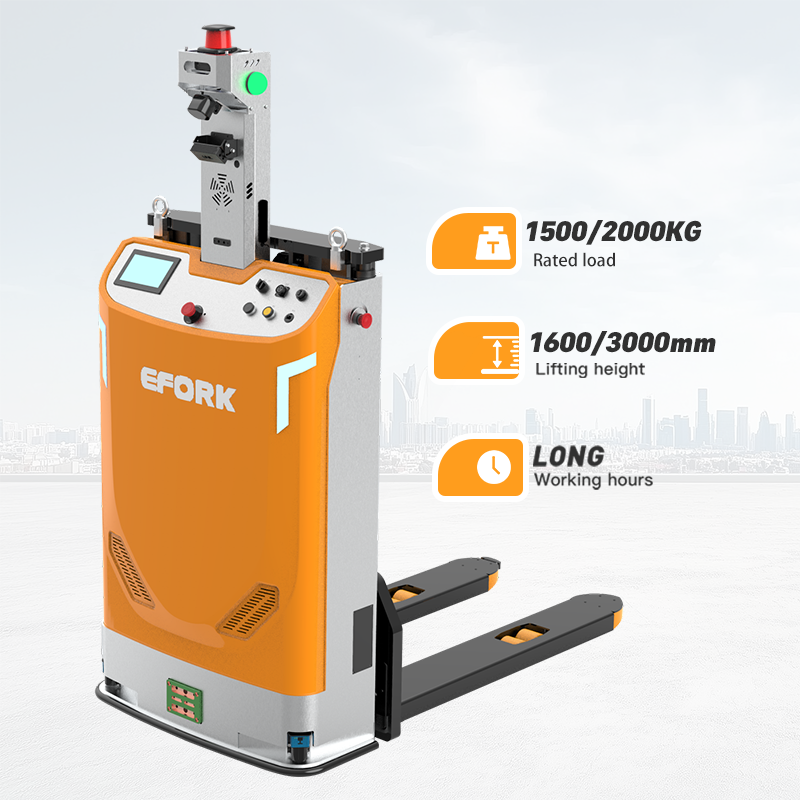
CE Certified EFORK EDA20-16 2T 1600mm Laser Navigation Self-Driving Forklift AGV WIFI/5G for Warehouse Automation Logistics
What Global Buyers Really Mean by “China Best VNA Forklift Factories & Suppliers”
The search phrase “China best VNA forklift factories & suppliers” looks like a supplier-discovery query, but in practice it represents a much deeper buying decision. Operations directors, warehouse engineers, and procurement teams are usually trying to answer five connected questions: can the supplier build a reliable very narrow aisle machine, can it integrate with my WMS, can it prove compliance, can it support my site after delivery, and can it scale from a single pilot unit to a fleet?
In 2025, the strongest suppliers are no longer judged only by factory size or advertised price. Buyers increasingly request verified manufacturing evidence, CE documentation, ISO management systems, onsite inspection records, navigation architecture, safety validation, spare-parts planning, and a realistic commissioning method. That is especially true for VNA forklifts because a small aisle measurement error or an inaccurate lift specification can become an expensive operational problem after installation.
This white paper is written to help buyers compare China-based VNA forklift factories and suppliers with a more evidence-based process. It combines product recommendations from Anhui Nexrik Intelligent Technology Co., Ltd., an intelligent warehousing manufacturer in Hefei, with procurement trends, product development trends, factory audit questions, and practical selection criteria for automated narrow-aisle projects.
EmployeesReported by the manufacturer and supported by onsite verification.
Factory floorspaceTwo production bases focused on intelligent warehousing equipment.
Awarded patentsPlus one registered trademark and CE-certified product ranges.
Pilot-friendly supplyOne set minimum order for AGVs, stacker cranes, and four-way shuttles.
Where VNA Forklifts and Automated Forklift Platforms Are Moving
The next generation of narrow-aisle equipment is being defined less by the steel chassis alone and more by navigation intelligence, safety logic, energy strategy, and data integration.
3D SLAM and Natural-Feature Navigation
Modern AGV forklifts localize using the natural geometry of the building rather than relying only on reflectors or floor tape. This shortens site preparation, reduces floor disruption, and makes layout changes easier to manage.
Very Narrow Aisle Density
VNA three-way forklifts and side loaders allow higher racking density by reducing aisle width. The design priority is shifting toward repeatable automated handling inside these confined aisles, not just manual VNA lift capability.
Higher Lifting and Residual Capacity
VNA models increasingly target higher lift heights, while reach truck AGVs commonly address medium-height racking. Buyers should always confirm residual capacity at full lift, mast deflection tolerance, and floor flatness requirements.
WMS/WCS Interoperability
Automated forklifts are becoming nodes inside a warehouse execution layer, not isolated machines. API design, task dispatch logic, error recovery, and data visibility are now part of the equipment selection process.
Safety and Cybersecurity by Design
Laser scanners, bumpers, speed zones, emergency stops, and safe PLC logic remain essential. At the same time, fleet software must be protected from unauthorized access as more warehouse equipment connects to WIFI and 5G networks.
Energy Strategy and Serviceability
Lithium battery options, opportunity charging, thermal management, and modular components influence uptime. A supplier that plans service access, spare parts, and remote diagnostics at the design stage protects long-term fleet availability.
Product development is moving toward one integrated fleet
Reach truck AGVs, pallet stacker AGVs, VNA three-way forklifts, counterbalanced AGVs, and high-bay AS/RS equipment should be evaluated as one coordinated logistics system. The optimal result is not the lowest unit price; it is the lowest risk of idle equipment, repeated integration work, and unplanned downtime.
How VNA Forklift Buying Will Change Through 2030
Procurement is shifting from catalogue comparison to outcome-based evaluation. The table below is an illustrative weighting model for team discussion, not a market forecast.
Total Cost of Ownership
Buyers will compare energy consumption, service response, uptime, spare-parts cost, and upgrade paths alongside the purchase price.
Pilot-to-Fleet Procurement
Single-unit pilots will continue to de-risk automation before larger orders, making supplier flexibility and integration documentation critical.
Local Service and Spare Parts
Overseas buyers will place more weight on remote diagnostics, multilingual documentation, training, and a clear spare-parts strategy.
Compliance and Data Security
CE documentation, risk assessment, safety validation, and network security questions will become standard items in tender packages.
Which VNA or AGV Forklift Fits Your Warehouse?
Use this engineering reference to shortlist the right platform before requesting a layout proposal. Final specifications must be confirmed against pallet type, rack load, aisle width, floor condition, throughput, and safety requirements.
| Equipment Platform | Typical Load | Lift / Height | Navigation | Best-Fit Application |
|---|---|---|---|---|
| EFORK EQDA15-30 Reach Truck AGV | 1.5T | Medium-height racking | Laser SLAM | Warehouse logistics where reach-truck maneuverability and ±10mm positioning matter. |
| 1–2T Electric Pallet Stacker | 1–2T | Low to medium lift | Manual walkie platform | Cost-controlled pallet handling, onboarding, and production support before full automation. |
| Narrow-Body Stacker AGV | 2T | 3M | 3D SLAM + WIFI/5G | High-density storage and pallet stacking where a slim chassis reduces aisle conflict. |
| EFORK EDA20-16 Laser AGV | 2T | 1600mm | Laser navigation | Self-driving forklift tasks with 10mm accuracy and 6–8h working time planning. |
| 4.5M Reach Truck AGV Body | 2T | 4.5M | Laser SLAM | Higher pallet handling tasks where a standard low-lift stacker is insufficient. |
| Multi-Directional Side Loader | 3.5–5T | Heavy-duty / long loads | Operator-driven VNA platform | Very narrow aisle handling for long or wide loads where a conventional forklift cannot operate efficiently. |
| 2T Compact Material Handling AGV | 2T | Compact transfer platform | 3D SLAM + obstacle avoidance | Workshop transport, line-side delivery, and space-constrained material movement. |
| EFORK EDA20-16 Automation Logistics AGV | 2T | 1600mm | Laser navigation + WIFI/5G | Warehouse automation logistics where predictable self-driving pallet movement is required. |
Note: The matrix is a starting point for technical discussion. VNA forklift selection must be validated against rack drawings, pallet quality, floor flatness, load center, safety zones, and local regulations.
Inside a China VNA Forklift Factory: Anhui Nexrik Intelligent Technology
For overseas buyers, factory verification is not a formality. It is the difference between a documented manufacturing partner and an unverified trading intermediary.
High-tech manufacturing with intelligent warehousing focus
Anhui Nexrik Intelligent Technology Co., Ltd. is a high-tech manufacturer specializing in the R&D, production, and integration of intelligent warehousing equipment, including AGV forklifts, AS/RS stacker cranes, four-way shuttles, and RGVs. Its plants are located in the Huagang Industrial Park, Feixi County, Hefei, Anhui, a recognized hub for China’s forklift and material handling industry.
The company reports 1,152 employees, 66,650 m² of factory floorspace, annual revenue of USD 100M+, 7 awarded patents, and a minimum order quantity of one set for its AGV forklift, stacker crane, and four-way shuttle models. It holds ISO 9001 and ISO 45001 management system certification, CE marking under the Machinery Directive 2006/42/EC for its AGV range, and has been verified onsite by SGS Group.
For international buyers, these facts matter because they support three procurement priorities: manufacturing capacity, traceable quality control, and customization capability. OEM, ODM, buyer-label production, and full customization are available, including load capacity, lift height, fork configuration, battery configuration, and cold-storage variants.
 Production base · Hefei, Anhui
 AGV assembly workshop
 Testing and inspection area
 Factory tour and project review
Compliance and Traceability
CE, ISO 9001, ISO 45001, and SGS onsite verification support tender review, customs clearance, and buyer due diligence.
In-House Manufacturing
Chassis, mast, and control integration are built and tested on the manufacturer’s own lines, with material and finished-product inspection before shipment.
Laser and 3D SLAM Options
Buyers can choose reflector-based laser navigation for fixed routes or 3D SLAM for natural-feature localization with less floor and rack modification.
One-Stop Turnkey Capability
AGVs, stacker cranes, four-way shuttles, and RGVs can be engineered as one WMS-ready system rather than stitched together from unrelated vendors.
8 Evidence-Based Questions to Ask a China VNA Forklift Supplier
Use these questions in RFQs and supplier meetings. Strong factories answer with documents, test criteria, and engineering detail—not only brochures.
Can we review your factory verification?
Request SGS onsite verification, business license, factory address, production line photos, and a live video audit. Confirm whether the supplier manufactures or only trades.
Which CE standards and risk assessments apply?
Ask for the CE declaration, applicable Machinery Directive documentation, risk assessment, safety circuit architecture, and model-specific certificate scope.
Which navigation stack do you use?
Clarify laser navigation versus 3D SLAM, map update process, recovery logic, network requirements, and how the fleet behaves when WIFI coverage fluctuates.
How is residual capacity proven at full lift?
Ask for load charts, mast deflection limits, stability calculations, and test reports at maximum lift height with the actual load center.
What safety functions are included?
Review laser scanners, contact bumpers, emergency stops, speed zones, audible warnings, obstacle avoidance, and pedestrian interaction rules.
How does the fleet connect to WMS/WCS?
Request interface documentation, API examples, task dispatch logic, error handling, and a commissioning plan for WMS/ERP integration.
What FAT and SAT criteria will be used?
Define factory acceptance testing, site acceptance testing, cycle-time validation, route testing, safety sign-off, and documentation handover before shipment.
What lifecycle support is guaranteed?
Confirm warranty scope, spare-parts list, remote diagnostics, operator training, maintenance intervals, and escalation response for overseas projects.
Frequently Asked Questions from VNA Forklift Buyers
These answers reflect the product, certification, customization, and trade information published by the manufacturer.
What is the minimum order quantity for the AGV forklifts and VNA equipment?
Which navigation technologies are available for VNA and automated forklifts?
What certifications should a serious China VNA forklift factory hold?
Can the equipment integrate with our existing WMS or ERP system?
Do you offer customization, OEM, and ODM services?
Which trade and payment terms are accepted?
How do we choose between a reach truck AGV, stacker AGV, VNA AGV, and counterbalanced AGV?
Is 3D SLAM suitable for an existing warehouse with old racking?
What information should we send for a VNA forklift layout proposal?
How are overseas projects supported after delivery?
Ready to Compare China VNA Forklift Factories with Confidence?
Send your rack layout, pallet specification, aisle width, throughput target, and WMS requirements. The manufacturer’s engineering team can recommend the right mix of VNA AGVs, reach truck AGVs, stacker robots, and AS/RS equipment.
Get Catalog