8 Factory-Direct Models for VNA, High-Density and Smart Warehouse Projects
Compare popular three-way AGV bodies, reach truck AGVs, slim stacker AGVs and walkie stackers. Product URLs are preserved for direct model review; for project matching, use the inquiry button at the end of this guide.
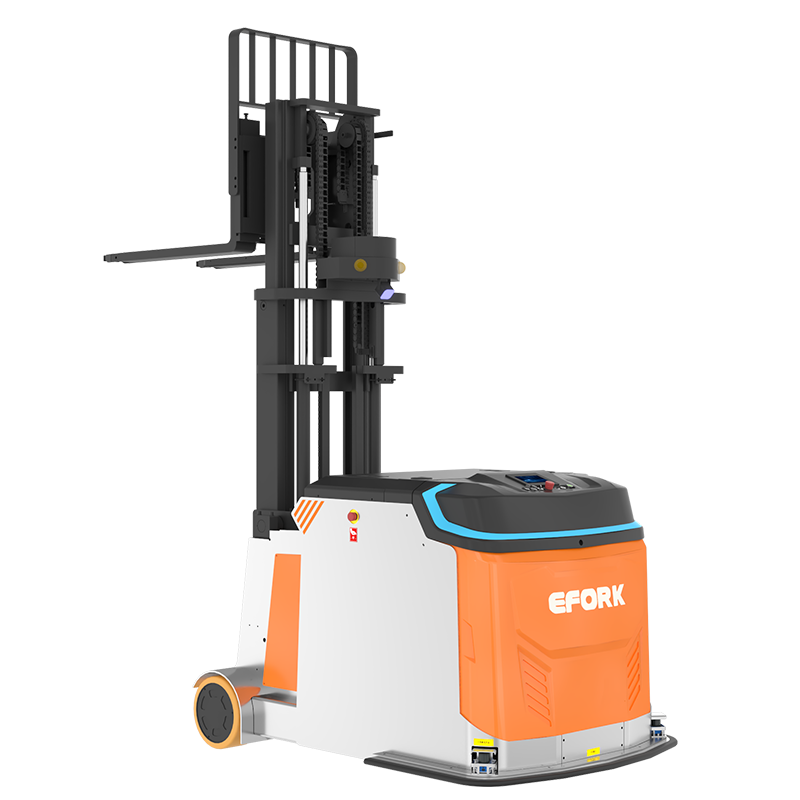
EFORK EDB30-30 3T 3m Counterbalanced AGV Body with 3D SLAM
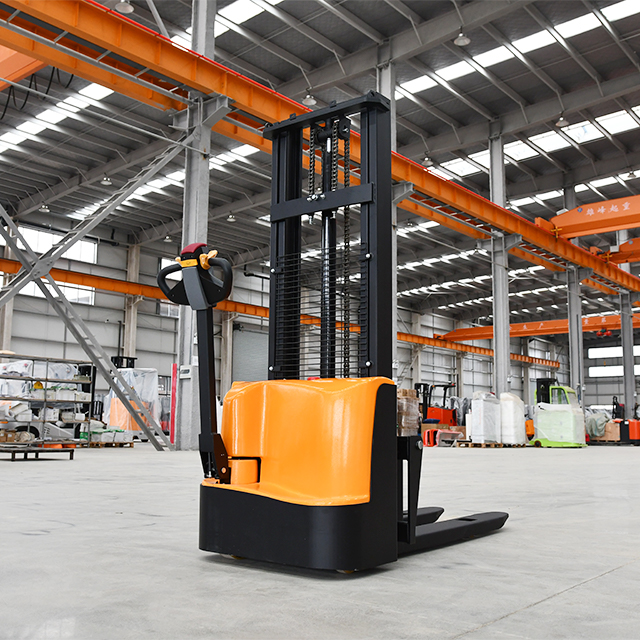
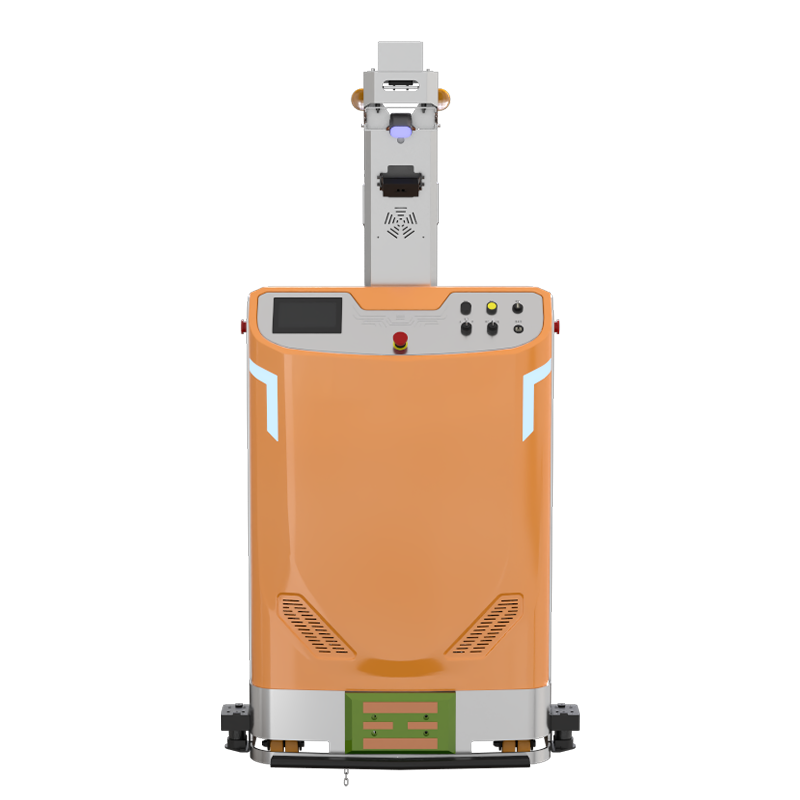
2T Compact AGV Body for Tight Production and Workshop Spaces
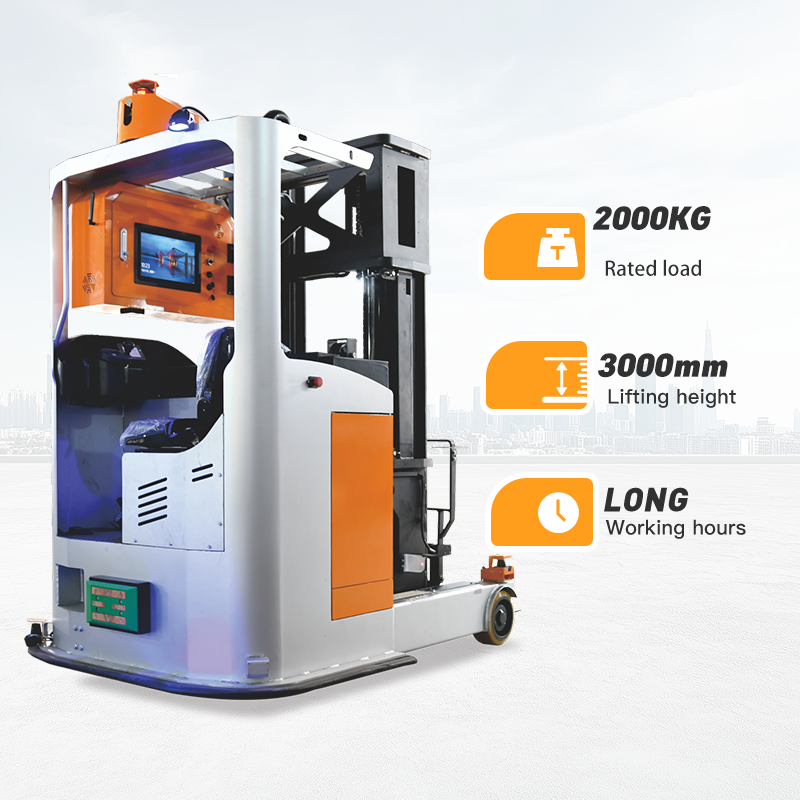
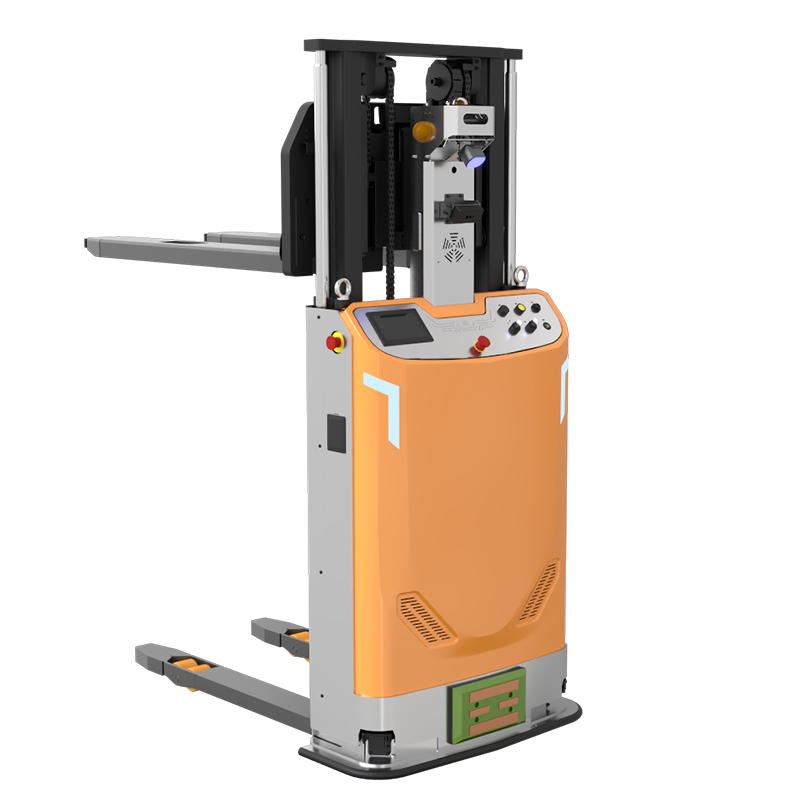
3D SLAM Narrow-Body Pallet Stacker AGV for High-Density Storage
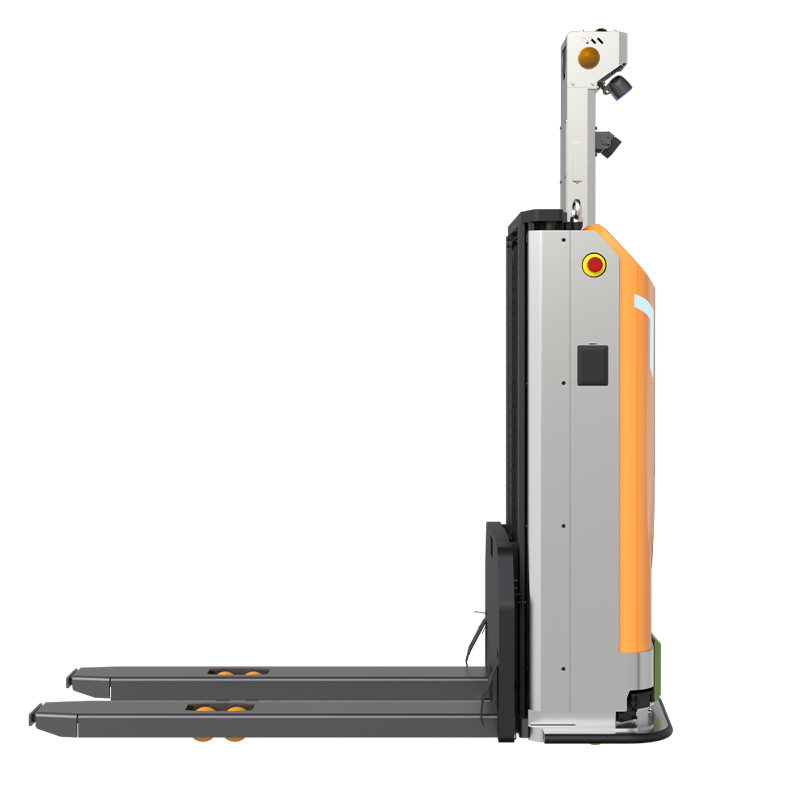
2T Slim Narrow-Body Stacker AGV with 3D SLAM and Wi-Fi/5G
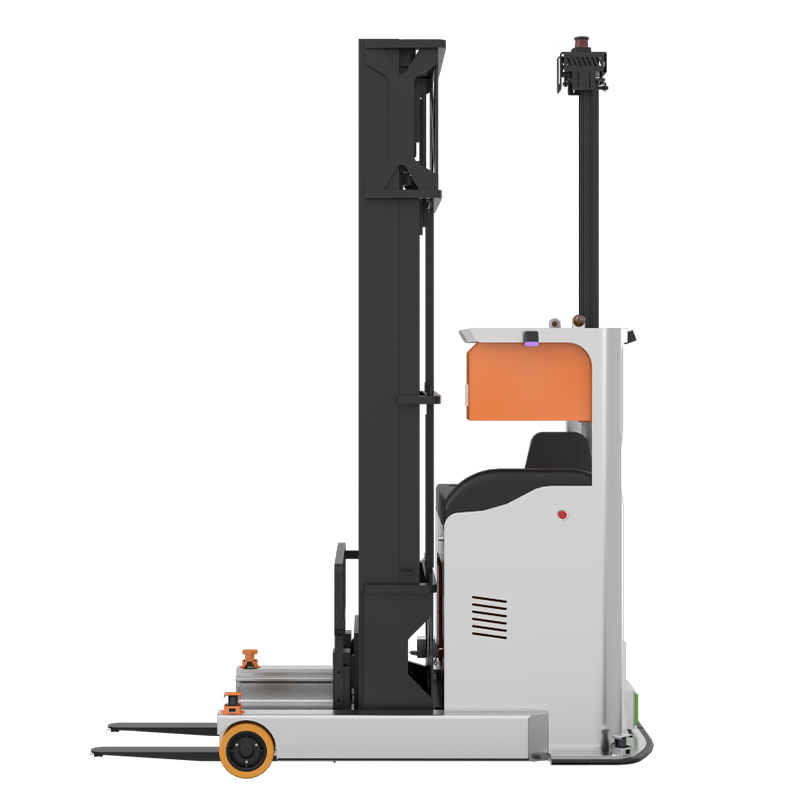
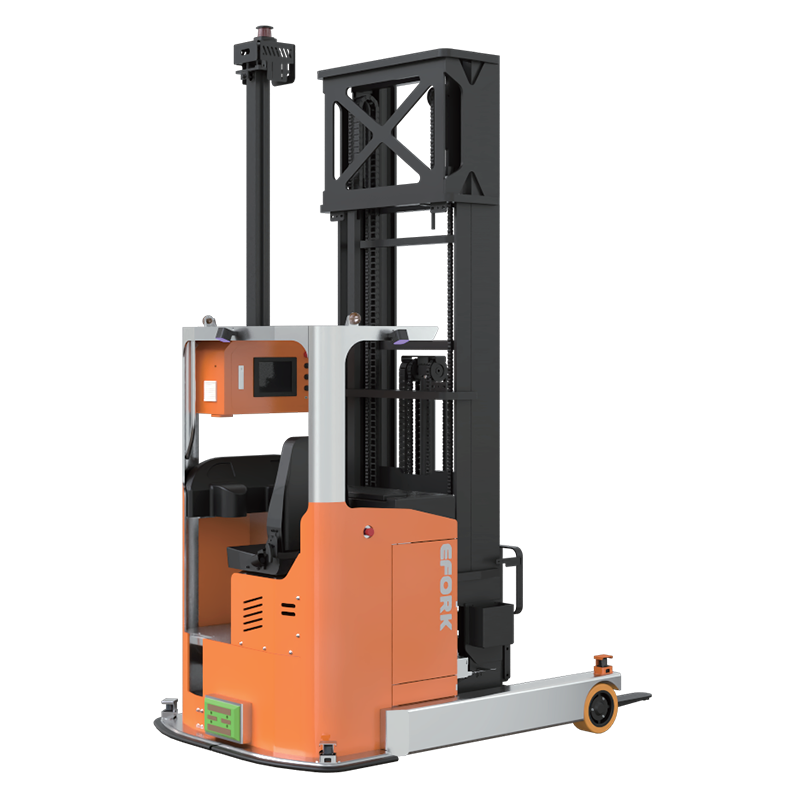
Heli Yufeng CQDE20HJ-65S 2T 6.5m Reach Truck AGV Body
What Makes a Three-Way AGV Different in a Real Warehouse?
A three-way AGV is not simply a driverless forklift. It is a narrow-aisle handling platform whose fork assembly can rotate left, right and forward, allowing high-bay pallet storage without turning the truck body inside the aisle.
For buyers comparing China best three way AGV manufacturers and factories, the real question is not only who can supply a machine, but who can match the machine to pallet quality, rack tolerance, floor flatness, WMS logic, safety rules and maintenance capability. A three-way AGV — often described as a VNA AGV or articulated fork AGV — is typically used where selective racking is tall, aisle width is limited, and every square metre of storage density matters.
The commercial value comes from the complete handling cycle: travel to the picking face, rotate the fork to the left or right rack, lift or lower the pallet, retract, rotate back and continue. The best projects are engineered around that cycle rather than chosen from a lift-height table alone. This is why an experienced factory will ask for rack drawings, pallet dimensions, load centre, floor survey data and throughput demand before recommending a model.
Navigation choice also changes the project. Reflector-based laser navigation remains reliable for fixed routes and repeatable traffic patterns. 3D SLAM navigation uses natural building features to localize, which can reduce reflector installation and shorten site preparation. The right answer depends on aisle complexity, changing rack layouts and the level of WMS/WCS integration required.
How to Identify the Best China Three-Way AGV Factory for Your Project
China has many AGV suppliers, but a three-way AGV project needs a manufacturer with mechanical design, navigation integration, safety validation, WMS experience and after-sales discipline. Use these three evaluation lenses before shortlisting.
Engineering Depth
Ask how the factory validates aisle width, floor tolerance, pallet condition, load centre and rack height. A credible three-way AGV supplier should provide a layout review and traffic simulation before quotation — not simply send a catalogue.
Verified Capability
Check onsite verification, factory floor space, staff scale, patents, CE documentation and quality management systems. For tenders, these records reduce compliance risk and support customs, insurance and end-user safety approval.
Lifecycle Support
Confirm spare parts availability, remote diagnostics, WMS/WCS interface support, operator training and fleet-expansion planning. A three-way AGV is part of a ten-year warehouse asset, so service depth matters as much as the initial price.
Three-Way AGV vs Reach Truck AGV vs Counterbalanced AGV
Use this comparison to align search intent with the correct product family. Final specifications must be confirmed by engineering based on your pallet and rack drawings.
| Equipment Type | Typical Load / Lift | Handling Motion | Best-Fit Application | Procurement Note |
|---|---|---|---|---|
| Three-Way VNA AGV | 1.0–3.0 T; medium to high lift | Fork rotates left, right and forward without turning the truck body | Very narrow aisle, high-bay pallet storage, high-density racking | Requires accurate rack survey, floor flatness review and aisle tolerance planning |
| Reach Truck AGV | 1.5–2.0 T; often 3–6.5 m | Mast reaches forward; truck remains outside the rack face | Selective racking where aisle width is tighter than counterbalanced but not fully VNA | Good balance of cost, lift height and familiar warehouse operation |
| Slim Stacker AGV | 1.5–2.0 T; low to medium lift | Pallet stacking and line-side transfer with compact chassis | Production line delivery, buffer storage, high-density low racking | Often the most practical pilot model for first-time automation buyers |
| Counterbalanced AGV | 1.5–3.0 T; about 3 m | No front outriggers; handles closed-bottom pallets and cages | Dock handling, production lines, mixed pallet and trailer routes | More flexible load types but normally needs wider aisles than VNA |
| AS/RS Stacker Crane | 1.0–5.0 T; up to 40 m | Rail-guided high-bay storage and retrieval | Automated high-bay warehouse, frozen storage, WMS/WCS-driven operation | Capital project with civil, rack and software integration from the start |
Model links in this guide preserve the original product URLs. Custom load, lift height, fork dimensions and battery configuration are confirmed during engineering.
Three-Way AGV Procurement Trends Shaping 2025–2030
Buyers are moving from “lowest quote per unit” to “verified total cost of ownership.” For three-way AGV projects, the strongest proposals now include simulation, safety validation, WMS integration and staged fleet expansion.
Pilot-First Purchasing
MOQ 1 set allows buyers to validate routes, cycle time and operator acceptance before scaling. Procurement teams increasingly compare pilot data with simulation results before releasing a fleet order.
TCO and Energy Transparency
Lithium battery options, opportunity charging, energy consumption and spare-parts cost are now part of the commercial comparison. A lower purchase price may lose to a lower five-year operating cost.
WMS & Mixed-Fleet Integration
Three-way AGVs are increasingly procured with WCS/WMS interfaces and mixed fleets. Buyers expect standardized data exchange, traffic rules and expansion paths rather than isolated single-machine control.
Compliance and Service SLA
CE marking, ISO systems, safety scanners and documented risk assessment are becoming baseline requirements. Overseas buyers also compare remote diagnostics, local partner support and spare-parts lead time.
Three-Way AGV Development Trends for the Next Procurement Cycle
Semantic search intent for “best three way AGV manufacturers” increasingly includes future readiness: navigation flexibility, high-density integration, safety intelligence and digital commissioning.
3D SLAM Becomes Mainstream
Natural-feature localization reduces reflector dependence and supports layout changes with less site preparation. For mixed traffic and dynamic warehouse zones, 3D SLAM is becoming a default evaluation item.
Lithium and Opportunity Charging
Fleet uptime planning is shifting toward opportunity charging, battery health monitoring and energy-aware dispatch. These choices affect shift patterns, charging room design and long-term operating cost.
Convergence with AS/RS
Three-way AGVs increasingly work alongside stacker cranes, four-way shuttles and RGVs. The procurement decision is becoming system-level: which load unit, throughput profile and storage density justify each technology?
Digital Twin and AI Dispatch
Simulation-led commissioning is reducing on-site tuning time. AI dispatch, traffic prediction and digital twin models help buyers test fleet size, charging strategy and peak throughput before capital release.
Inside the Factory: Why Anhui Nexrik Is Shortlisted by Overseas Buyers
Anhui Nexrik Intelligent Technology Co., Ltd. is a high-tech manufacturer specializing in R&D, production and integration of intelligent warehousing equipment: AGV forklifts, VNA AGVs, AS/RS stacker cranes, four-way shuttles and RGVs. The production base is located in the Huagang Industrial Park, Feixi County, Hefei, Anhui — a recognized hub for China’s forklift and material handling industry.
The company’s experience is built around real project variables: pallet type, rack drawing, floor condition, throughput target, WMS interface and safety rules. Engineering teams simulate traffic and validate routes before shipment, which is particularly important for three-way AGV projects where aisle tolerance and fork rotation must be planned precisely.
Verified advantages include 1,152 staff, 66,650 m² of factory space, approximately $100 million annual revenue, 7 awarded patents, SGS onsite verification, CE marking under the Machinery Directive 2006/42/EC, ISO 9001 and ISO 45001 systems, MOQ 1 set, OEM/ODM customization and export support across Southeast Asia, South America, Eastern Europe, South Asia and North America.
Procurement Advantages at a Glance
- In-house manufacturing, chassis assembly, mast integration and finished-product inspection.
- Laser navigation and 3D SLAM options to fit fixed-route or flexible-layout warehouses.
- One-stop turnkey scope: AGV forklifts, AS/RS stacker cranes, four-way shuttles and RGVs.
- Full customization and buyer-label production for load capacity, lift height, fork size and cold storage.
- Export documentation, flexible Incoterms and remote commissioning support.
Three-Way AGV Procurement Checklist Before You Contact a Factory
Send these six data sets with your inquiry to shorten engineering review and improve quotation accuracy.
Pallet and Load Data
Provide pallet size, weight, load centre, bottom board type, shrink-wrap condition and whether closed-bottom pallets or cages must be handled.
Rack and Aisle Drawings
Share rack height, beam levels, upright protection, aisle width and proposed VNA layout. Three-way AGV performance depends heavily on rack tolerance.
Floor and Site Conditions
Confirm floor flatness, slope, joints, dock level, door openings, lighting and Wi-Fi/5G coverage along the planned routes.
Throughput and Shifts
Define moves per hour, peak demand, shift pattern, charging window and expected fleet growth over the next three to five years.
WMS / WCS Interface
List the existing WMS, ERP or WCS, required task types, data fields, barcode/QR rules and acceptance testing responsibilities.
Safety and Acceptance
Clarify CE documentation, risk assessment, safety scanners, emergency stop rules, operator training, FAT/SAT plan and spare-parts list.
China Three-Way AGV Manufacturers: Common Procurement Questions
These answers reflect the questions most often raised by overseas buyers comparing three-way AGV factories, narrow-aisle automation and factory-direct supply.
What is a three-way AGV, and where is it used?
How do I compare China three-way AGV manufacturers fairly?
Should I choose 3D SLAM or laser navigation for a three-way AGV?
What is the minimum order quantity?
What certifications and verification should a factory provide?
Can a three-way AGV work in cold storage?
Can the AGV integrate with our existing WMS or ERP?
How is a three-way AGV fleet sized?
Do you offer OEM, ODM and customization?
What trade and payment terms are accepted?
Ready to Shortlist the Right Three-Way AGV?
Send your pallet data, rack drawings, aisle width and throughput target. Our engineering team will review three-way VNA AGV, reach truck AGV, slim stacker and AS/RS options for your warehouse layout.