CE-Certified Very Narrow Aisle Forklift Models & Compact AGV Platforms
Eight product platforms for high-density storage, racking, line-side delivery, workshop transport and automated reach-truck projects. Product URLs are preserved from the source catalogue. For a formal layout proposal, send pallet dimensions, rack height, aisle width, throughput and battery-shift requirements.
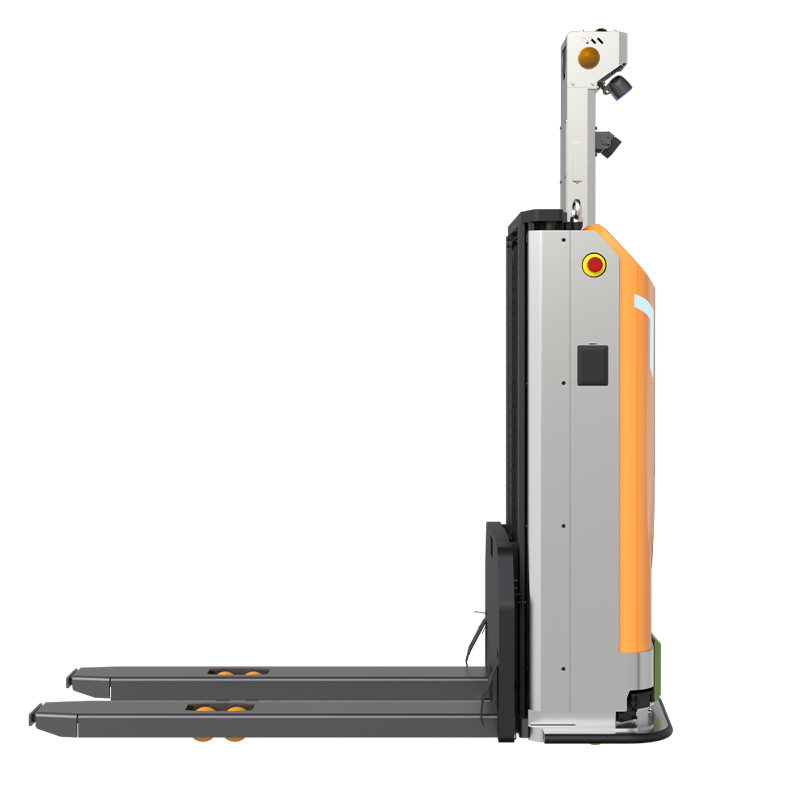
2T Slim Narrow-Body Stacker AGV with 3D SLAM & WIFI/5G for High-Density Storage 1.6M Pallet Stacking Maximize Warehouse Space
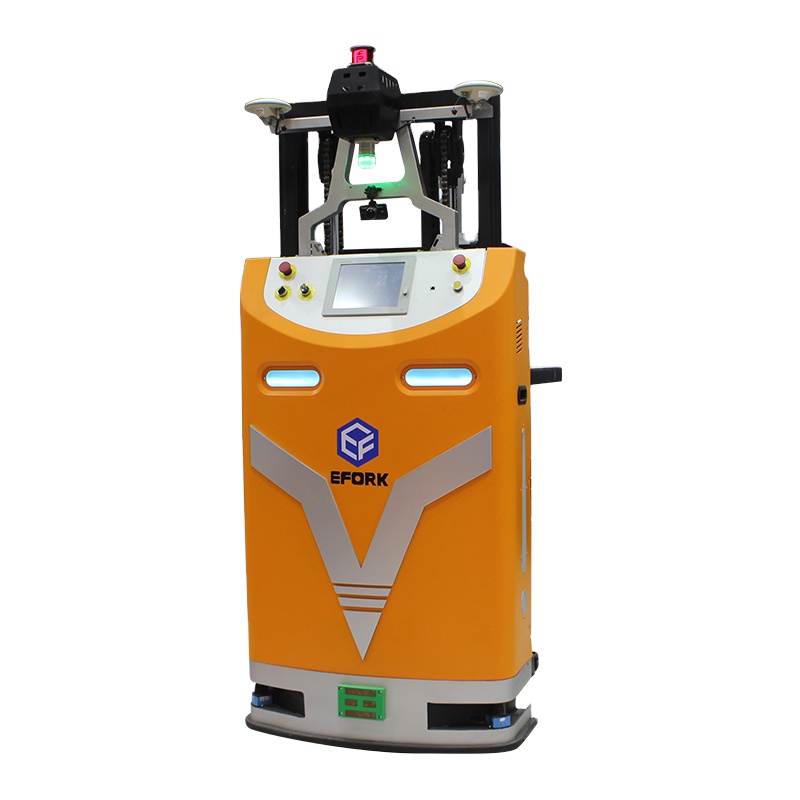
CE Certified EFORK EDA20-16 2T 1200mm Fork Width 180mm 3D SLAM Laser Navigation AGV WIFI/5G 10mm Accuracy 1600mm Lifting Height
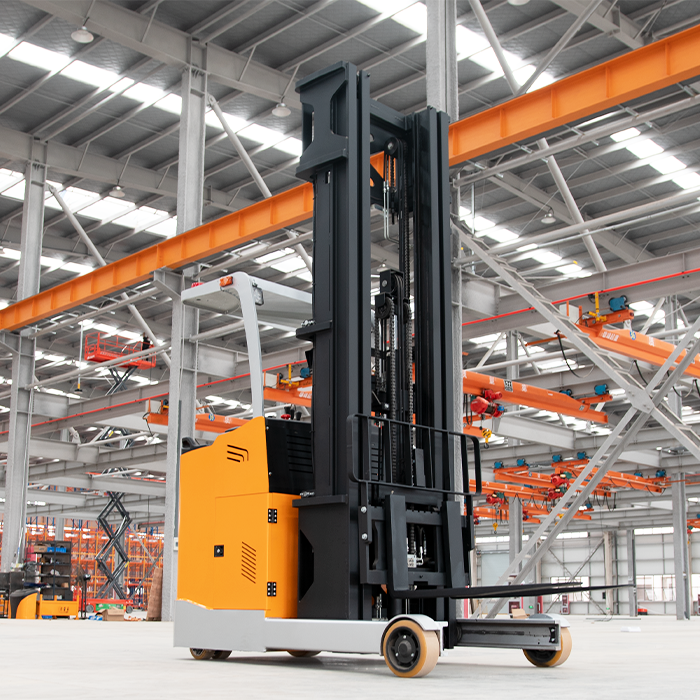
China Wholesale 2000kg 12m 8m 6m Industrial Forklift Pallet Truck Good Price
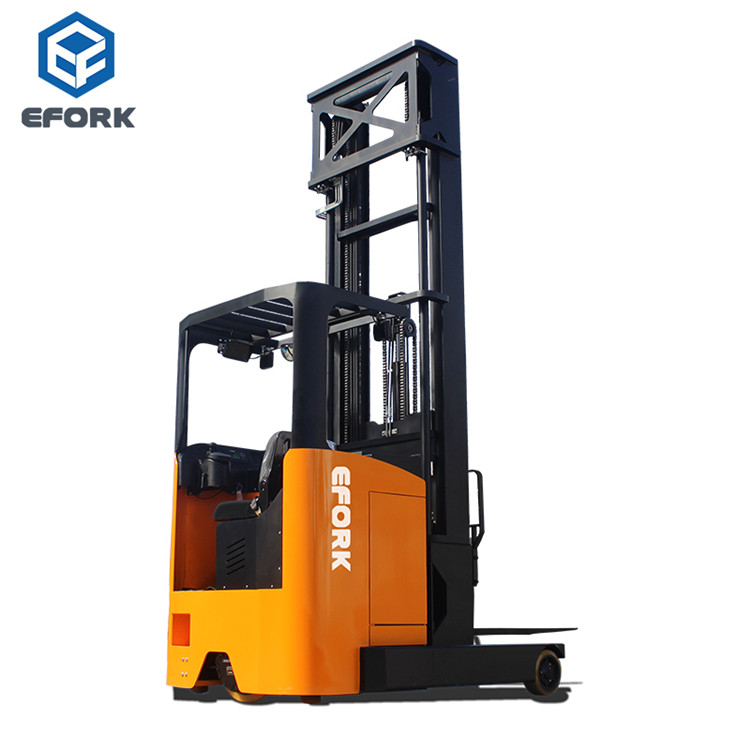
CQDE China Wholesale 2000kg 12m 8m 6m Industrial Forklift Pallet Truck Good Prce
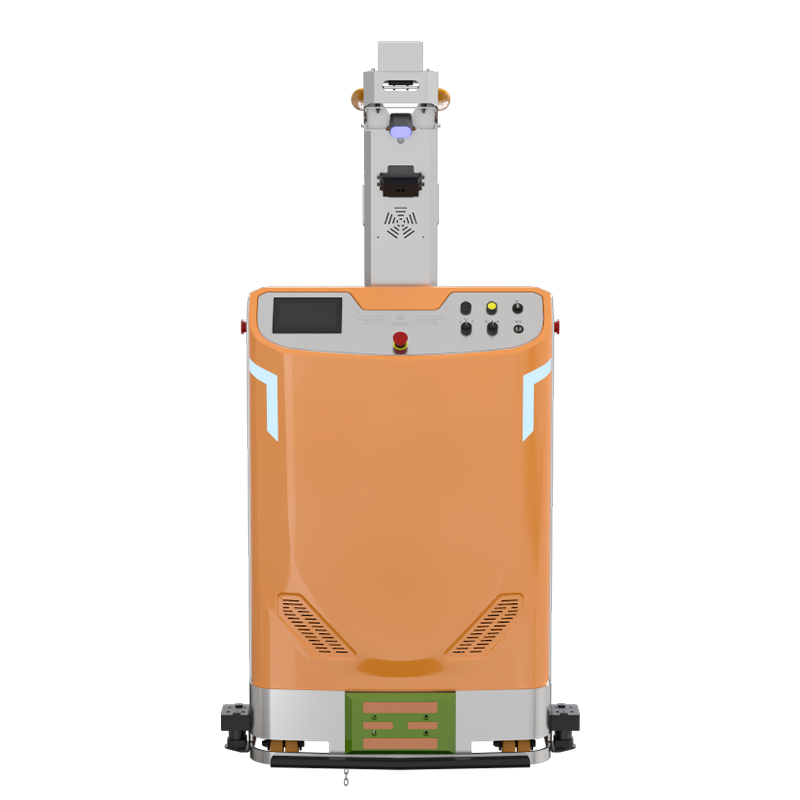
2T Material Handling AGV Body Narrow Body Compact Chassis 3D SLAM Navigation Laser Obstacle Avoidance for Workshop Transport
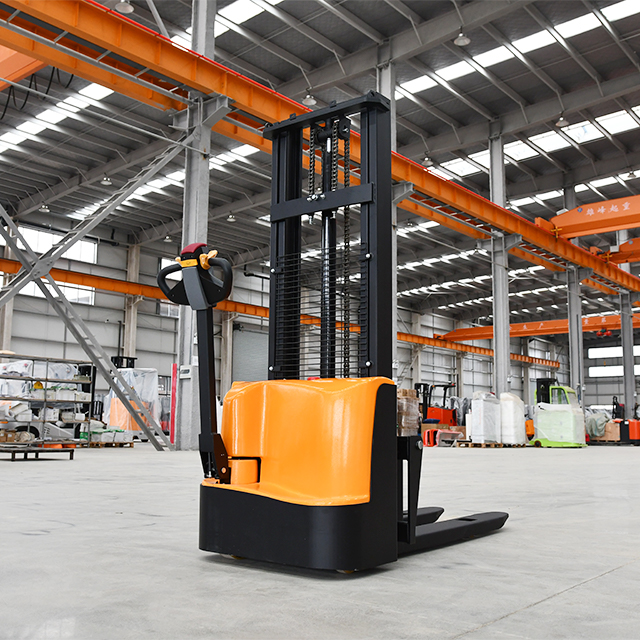
1Ton & 2Ton Full Electric Pallet Stacker Walkie Type High Performance, Low Cost Optional with Training Wheels
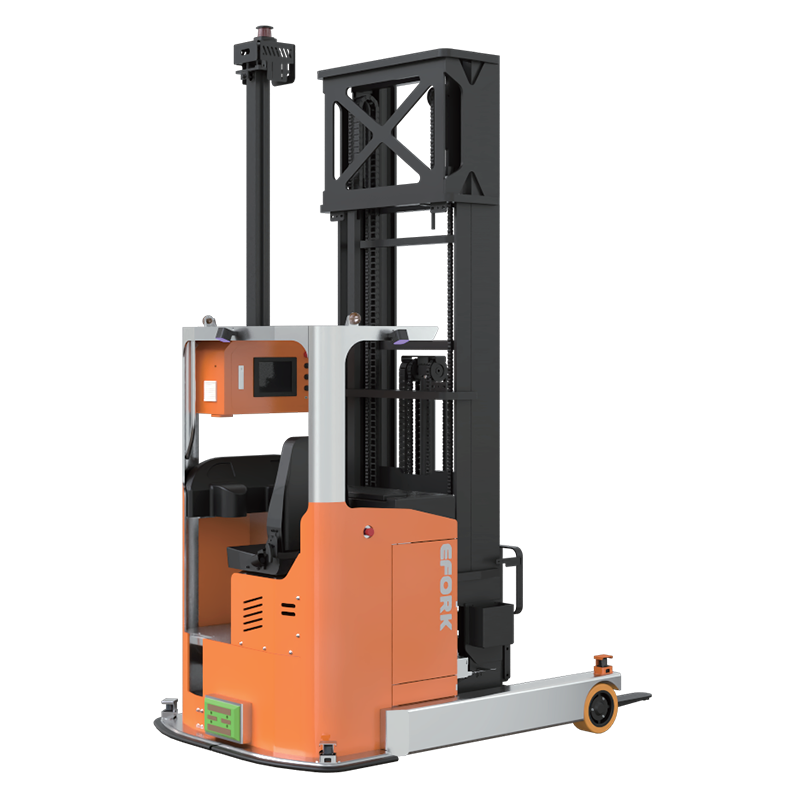
4.5M Reach Truck AGV Body 2T for Pallet Handling High Lifting Smart Warehouse Logistics Robot Laser Slam Navigation CE Certified
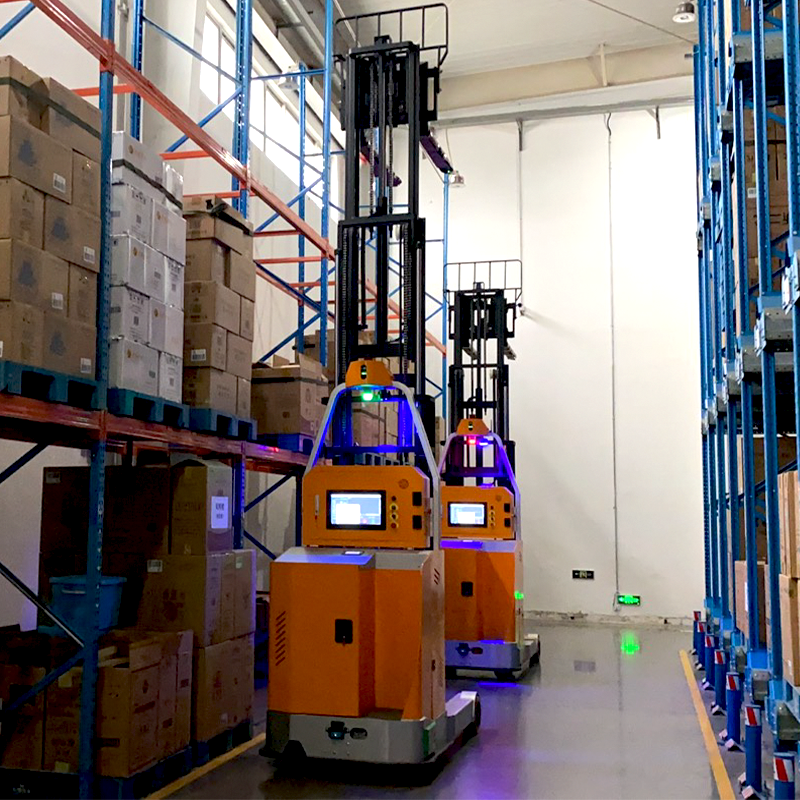
EFORK EQDA15-30 Automated Reach Truck Laser SLAM Navigation 1.5T Capacity ±10mm Accuracy Forklift for Warehouse Logistics
What Does “CE Certified Very Narrow Aisle Forklift Supplier & Suppliers” Really Mean?
Search language often combines supplier and suppliers because the buyer is still qualifying the market. The real intent is commercial investigation: who can deliver a compliant VNA system, documentation, integration and lifecycle support—not merely a forklift that turns tightly.
A very narrow aisle forklift is a system decision. The machine must match rack tolerances, floor flatness, pallet quality, load center, mast clearance, safety zones, traffic peaks, charging strategy and software handshakes. In a high-density warehouse, a small dimensional error can become a daily operational constraint. That is why serious buyers compare CE documentation, navigation architecture, safety validation and supplier service capability alongside capacity and lift height.
This guide is written from an application-engineering perspective and maintained for buyers evaluating Nexrik and other CE certified very narrow aisle forklift suppliers. It is deliberately structured around the questions that appear in real RFQs: which model fits which aisle, how 3D SLAM changes site preparation, what evidence supports a CE claim, how to calculate total cost of ownership, and how to move from a single pilot unit to a reliable fleet.
The Economics of Space, Safety and Throughput
Very narrow aisle storage can raise pallet density, but the business case only holds when rack design, truck configuration, navigation and service strategy are engineered together.
VNA layouts compress aisle width by using reach trucks, three-way fork carriages or purpose-built narrow-body AGVs. For a new building, that can reduce the footprint required for a given pallet count. For an existing warehouse, it can release space for picking, staging or value-added services. The trade-off is that every millimetre of clearance matters. Rack upright protection, floor joints, pallet overhang and scanner fields must be reviewed together, because a truck that works in a demo aisle may not achieve the same cycle time in a live warehouse.
The product range shown above covers several practical windows: 1.6 m stacking for high-density floor-and-low-rack work, 3 m reach for selective racking, 4.5 m reach-truck AGV bodies for medium-high lifting, and 6 m / 8 m / 12 m industrial pallet-truck options for project-specific high lifting. A 2T slim narrow-body stacker AGV or a 3D SLAM reach truck will not automatically be the lowest-cost solution; the right answer depends on throughput, rack beam tolerance, load stability and how often the route changes.
| Platform | Typical Application | Load / Lift Window | Navigation / Guidance | Procurement Note |
|---|---|---|---|---|
| 2T Slim Narrow-Body Stacker AGV | High-density pallet storage, compact stacking and space-constrained transfer | 2,000 kg; 1.6 m stacking | 3D SLAM; Wi-Fi / 5G | Check pallet quality, floor flatness and route clearance before layout approval. |
| EFORK EDA20-16 2T AGV | Medium-height racking and precision pallet handling | 2,000 kg; 1,600 mm lift; ±10 mm | 3D SLAM / laser navigation | Request a CE Declaration of Conformity matched to the ordered configuration. |
| 2000 kg 12 m / 8 m / 6 m Industrial Pallet Truck | Project-specific industrial lifting and wholesale procurement | 2,000 kg; 6 / 8 / 12 m options | Configuration-dependent | Confirm final mast, derating, floor loading and shipping dimensions. |
| CQDE 2000 kg Industrial Pallet Truck | Budget-sensitive projects requiring a defined lifting envelope | 2,000 kg; 12 / 8 / 6 m | Configuration-dependent | Compare warranty, spare-parts availability and commissioning support, not price alone. |
| 2T Material Handling AGV Narrow Body | Workshop transport, line-side delivery and compact traffic routes | 2,000 kg; compact chassis | 3D SLAM; laser obstacle avoidance | Validate traffic rules, charger placement and manual/auto handover zones. |
| 1–2T Full Electric Pallet Stacker Walkie | Flexible line-side work, dock support and low-cost electrification | 1,000 – 2,000 kg; walkie type | Operator-controlled | Confirm duty cycle, battery strategy and operator training scope. |
| 4.5M Reach Truck AGV Body 2T | Smart warehouse logistics with medium-high racking | 2,000 kg; 4.5 m | Laser SLAM; CE certified | Review rack beam tolerance, mast clearance and safety-scanner zones. |
| EFORK EQDA15-30 Automated Reach Truck | Warehouse logistics and automated reach-truck handling | 1,500 kg; ±10 mm accuracy | Laser SLAM | Define WMS/WCS task handshake, error recovery and fleet expansion plan. |
Which VNA Forklift Configuration Fits Your Operation?
Shortlist by workflow first, then by truck specification. The three scenarios below cover most first-stage buyer requirements.
High-Density Pallet Storage
For dense racking, compact stacking and tight transfer routes, evaluate the 2T slim narrow-body stacker AGV, the 4.5M reach truck AGV body and the 8 m-class narrow-aisle platform.
- Prioritise 3D SLAM where reflectors or floor tape would slow layout changes.
- Confirm rack beam tolerance and pallet overhang before final aisle design.
- Link to the slim stacker, reach truck and high-lift options below.
Production & Line-Side Logistics
For repetitive workshop transport, manual/auto handover and low-height stacking, evaluate the 2T compact 3D SLAM material handling AGV and the 1–2T full electric walkie pallet stacker.
- Map charger locations, pedestrian crossings and call-button points.
- Keep a manual fallback plan for exceptions and peak surges.
- Use a pilot route to validate cycle time before fleet sizing.
Mixed Racking and Dock Work
For medium-height racking, trailer/dock interfaces and precision pallet handling, review the EFORK EDA20-16, EQDA15-30 automated reach truck and the CQDE wholesale industrial platforms.
- Check fork width, mast clearance and battery-shift duration together.
- Ask for model-specific CE documentation, not a generic brochure.
- Plan WMS/WCS integration and error-recovery responsibilities early.
Future Procurement Trends: What Buyers Will Demand Next
VNA forklift procurement is moving from one-off equipment purchasing toward measurable, software-connected intralogistics performance.
Total Cost of Ownership Becomes the Default
Buyers will compare energy consumption per cycle, charging downtime, battery degradation, tyre and brake wear, spare-parts cost and remote support response—not only the initial quote. For multi-shift operations, a lower-priced truck with weak service coverage can become the most expensive choice.
Fleet Orchestration and Software Risk
Procurement teams will ask harder questions about API maturity, WMS integration, traffic scheduling, error recovery and cybersecurity. A vehicle that drives well but cannot exchange clean task status with the warehouse system will limit the entire automation programme.
Safety Evidence Beyond the CE Mark
CE marking is essential, but serious buyers will request a site-specific risk assessment, scanner-zone logic, emergency-stop validation, brake test records and operator-training evidence. For VNA, pedestrian segregation and rack-end protection are as important as the truck’s navigation accuracy.
Supply-Chain Resilience and Lifecycle Support
Lead-time certainty, spare-parts availability, remote diagnostics and local service partners will influence supplier selection. The ability to start with a single pilot unit, validate the route and then scale the fleet without changing platforms is becoming a decisive commercial advantage.
Product Development Trends: Where VNA and AGV Forklifts Are Heading
The next generation of very narrow aisle equipment will be judged on adaptability, safety validation and integration depth, not just lifting capacity.
3D SLAM and Sensor Fusion
Natural-feature navigation reduces dependence on floor tape or reflectors and shortens site preparation. The development focus is stable localisation in changing environments, robust obstacle avoidance and predictable behaviour around people, forklifts and blind corners.
Slim Chassis, Modular Masts and Forks
Very narrow aisle product design is moving toward compact chassis, integrated battery packaging, side-shift and three-way fork options. Modularity helps suppliers configure load capacity, lift height, fork width and safety options without redesigning the entire platform.
Energy Management and Opportunity Charging
Lithium battery systems, fast charging and battery-management data are becoming part of the procurement decision. For multi-shift warehouses, the charger layout and opportunity-charging routine can affect fleet size as much as the vehicle’s nominal speed.
Digital Twin and Cloud Fleet Management
Simulation before installation, lifecycle data after go-live and remote diagnostics will become standard expectations. High-bay and cold-chain variants will also demand more integrated engineering between trucks, racking, lifts and WMS/WCS software.
Why Nexrik Is a Qualified CE-Certified VNA Forklift Supplier
Supplier capability is part of product quality. The evidence below comes from the source company profile and product documentation.
SGS Onsite-Verified Manufacturing Scale
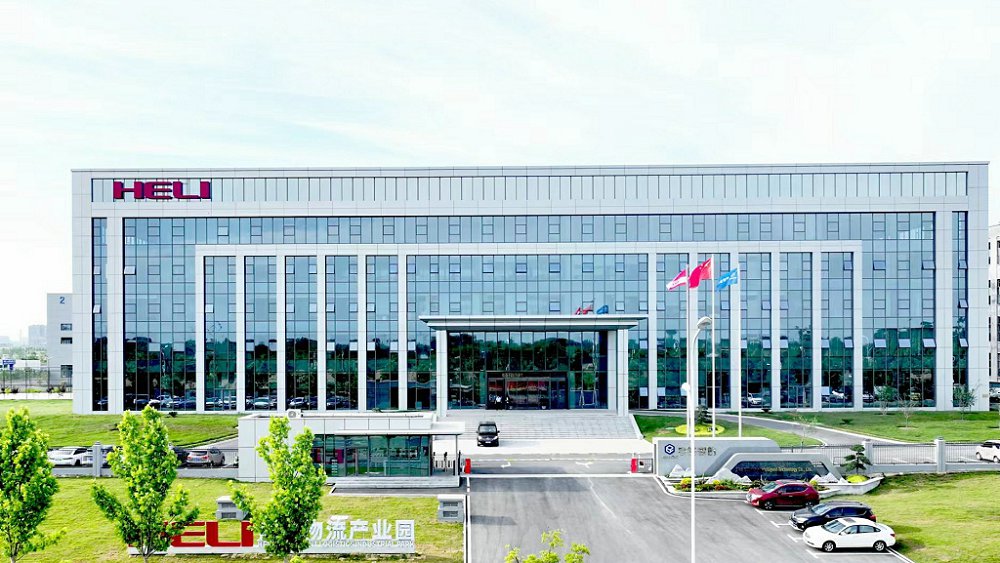
Anhui Nexrik Intelligent Technology Co., Ltd. operates from a 66,650 m² production footprint with 1,152 staff, serving buyers who need traceable capacity for pilot units and multi-unit fleet orders.
CE, ISO and Documentation Support
CE marking under Machinery Directive 2006/42/EC, ISO 9001 and ISO 45001 management systems, plus 7 awarded patents and 1 registered trademark support tender, customs and importer requirements.
Engineering From the Rack Drawing
Projects are reviewed against pallet specification, rack layout, floor conditions, throughput peaks and charging strategy. The goal is to reduce commissioning surprises before the AGV reaches the site.
One-Stop Intelligent Warehousing
AGV forklifts, reach trucks, VNA platforms, AS/RS stacker cranes, four-way shuttles and RGV systems can be engineered as one WMS-ready architecture instead of separate equipment packages.
Export Terms and Global Service Reach
Buyers in Southeast Asia, South America, Eastern Europe, South Asia and North America are supported with FOB, CFR, CIF, EXW, FAS, CIP and DDP terms, plus flexible payment and currency options.
Customization and Low-Risk Pilot Orders
MOQ starts at 1 set. OEM, ODM and buyer-label production are available, including load capacity, lift height, fork dimensions, battery configuration and cold-storage variants for specific projects.
Evidence Buyers Normally Request
For a CE certified very narrow aisle forklift supplier comparison, request the exact model configuration, CE Declaration of Conformity, safety-function list, FAT checklist, spare-parts list, warranty terms and commissioning plan. Supplier scale matters only when it is connected to project engineering and after-sales execution.
- SGS onsite verification and legal entity details
- CE 2006/42/EC documentation linked to the ordered model
- ISO 9001 and ISO 45001 management-system certificates
- FAT and site-acceptance test records before handover
- Remote diagnostics, spare parts and operator training plan
Supplier Audit Checklist for Your Next RFQ
Use these questions to compare suppliers on evidence, not adjectives. The answers should be project-specific and traceable to documents.
| Due-Diligence Question | What Acceptable Evidence Looks Like | Why It Affects Your Project |
|---|---|---|
| Is the CE Declaration of Conformity model-specific? | A DoC that matches the exact model, serial range, safety functions and harmonized standards, not a generic brochure page. | Prevents customs, tender and importer complications after shipment. |
| How was navigation validated? | Site map, localisation method, repeatability data, route simulation and assumptions about lighting, floor condition and aisle traffic. | 3D SLAM performance depends on environment quality; test assumptions must be explicit. |
| What safety functions are included? | Scanner zones, speed derating, emergency-stop logic, brake test, warning devices and pedestrian-zone rules. | CE marking is the baseline; site risk assessment and integration remain essential. |
| Can the fleet integrate with WMS/WCS? | Interface specification, message flow, task dispatch logic, error recovery and acceptance-test criteria. | Software handshakes often determine whether the fleet reaches expected throughput. |
| What is covered in the FAT? | Load test, cycle-time test, safety test, software handshake, documentation package and serialized inspection record. | Reduces commissioning delays and clarifies responsibility before shipment. |
| What lifecycle support is offered? | Spare-parts list, remote diagnostics, service response, training, warranty terms and escalation process. | Fleet uptime is a lifecycle outcome, not a one-time purchase feature. |
| Are commercial terms aligned with the project? | MOQ, Incoterms, currency, lead time, payment method and pilot-to-fleet scaling plan documented in the quotation. | Clear commercial terms reduce risk when importing and commissioning overseas. |
Questions Buyers Ask Before Choosing a VNA Forklift Supplier
These answers address the most common procurement, technical and compliance questions for CE certified very narrow aisle forklift projects.
What is a very narrow aisle forklift, and how does it differ from a reach truck AGV?
What does “CE certified” mean when comparing VNA forklift suppliers?
Which model should I choose for high-density pallet storage?
How do 3D SLAM and laser navigation affect site preparation?
What certifications and supplier verification should I request?
What are the MOQ, trade terms and payment options?
Can Nexrik customize load, lift height, fork size and cold-storage variants?
How should I evaluate total cost of ownership before ordering?
Ready to Specify a CE-Certified VNA Forklift?
Send your pallet dimensions, rack height, aisle width and throughput target. Our application engineers will recommend the right VNA, reach truck AGV or compact stacker configuration and outline the next steps for a pilot or fleet project.