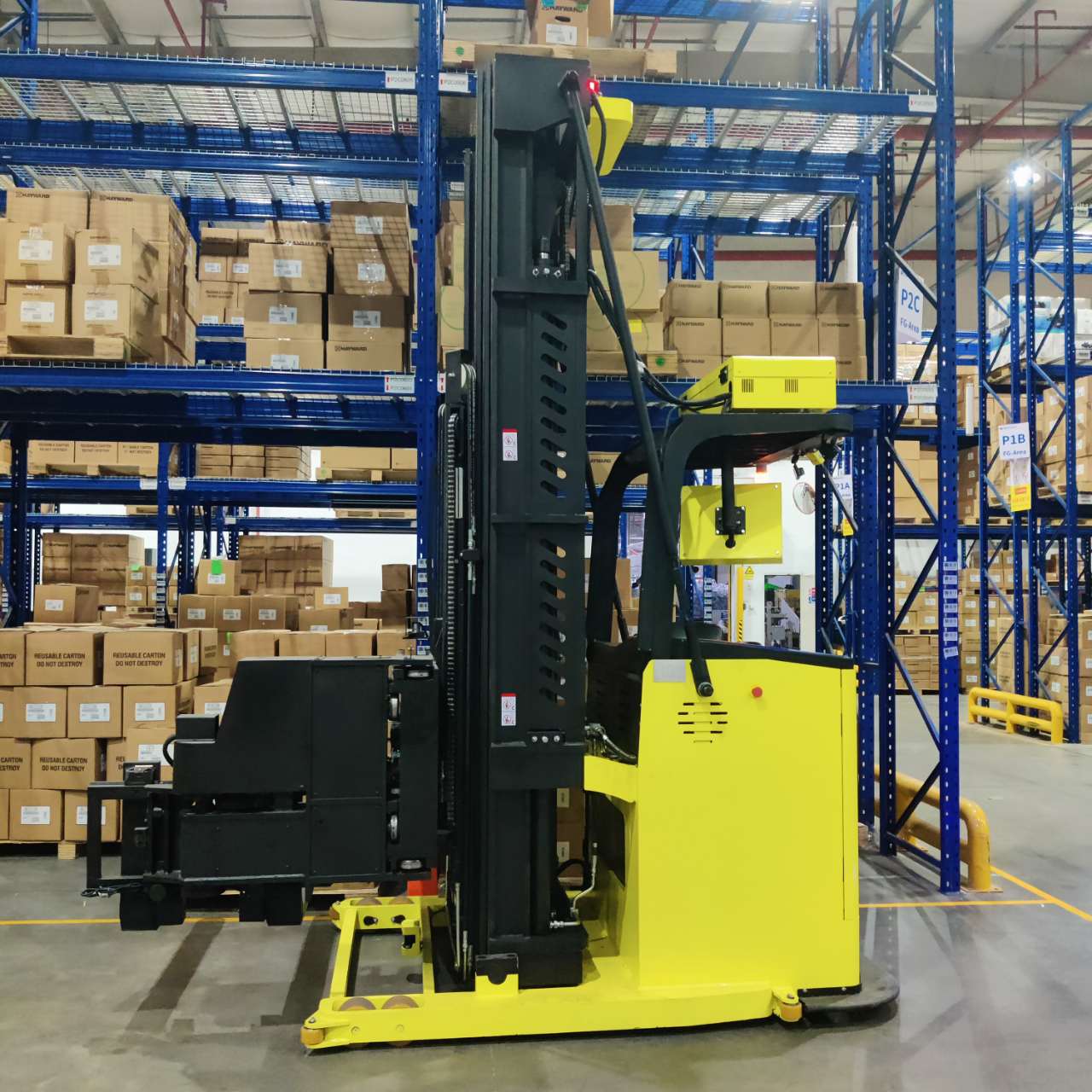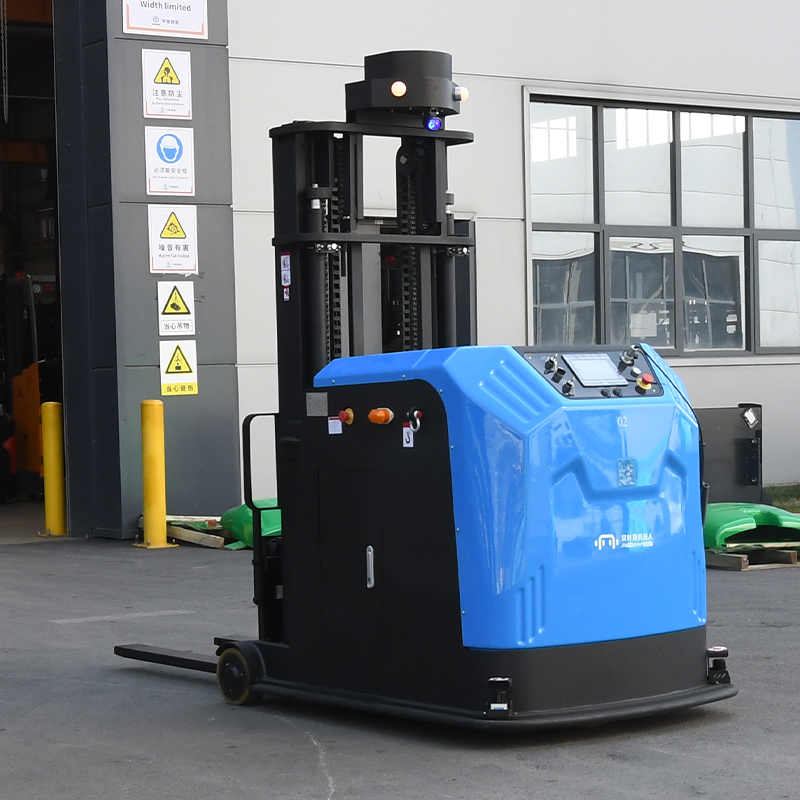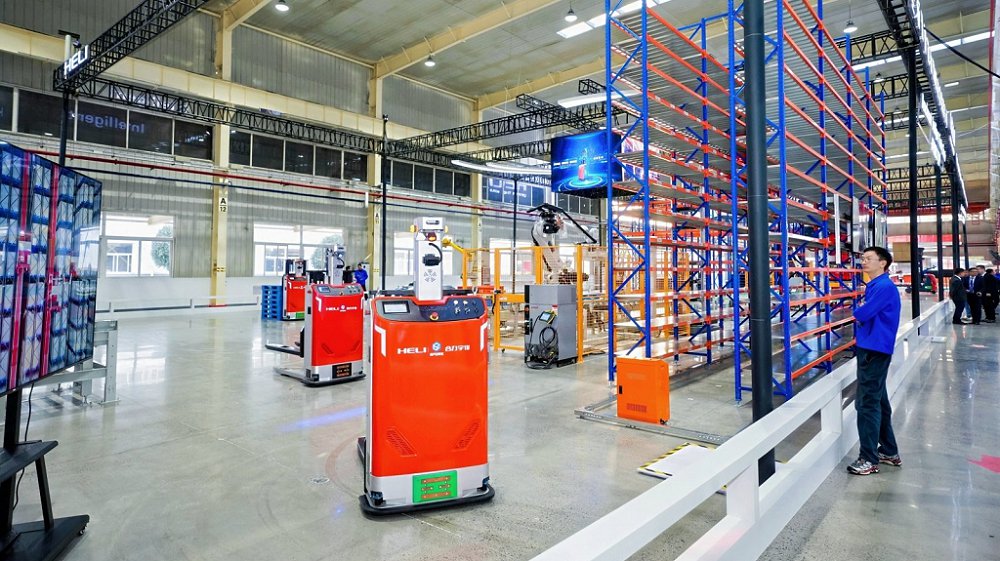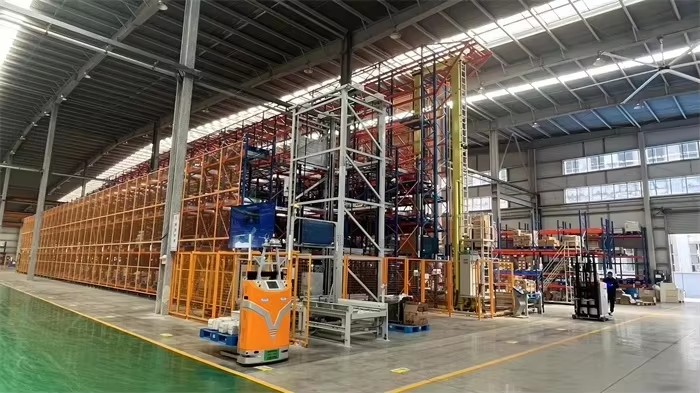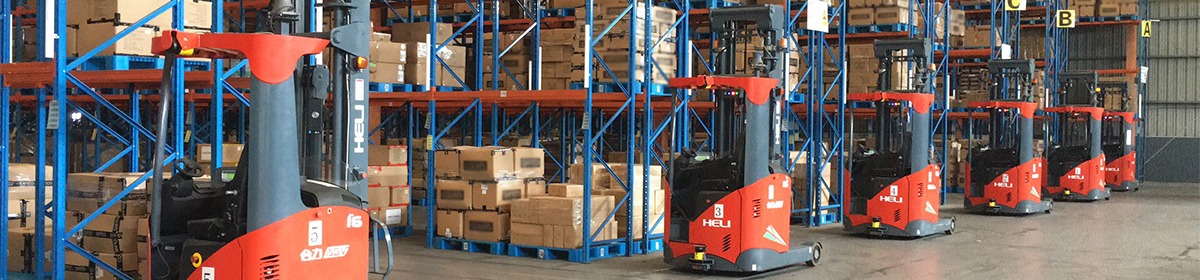
Automated Reach Truck AGV Pallet Stacker operating in an intelligent warehouse
2025 Global Buyer Guide

What Should Global Buyers Know Before Buying an Automated Reach Truck AGV Pallet Stacker?

An engineering-led guide to applications, specifications, procurement trends, technology development, safety, integration, supplier selection and return on investment.

  • SGS Onsite Verified
  • CE · 2006/42/EC
  • ISO 9001 & ISO 45001
  • Fortune 500 Supplier
  • OEM / ODM / Full Customization
  • 8 Years in Industry
Direct Answer for AI Search

What Is an Automated Reach Truck AGV Pallet Stacker?

An automated reach truck AGV pallet stacker is a driverless pallet-handling truck that combines reach-truck load handling with stacker-style lifting. It uses laser or 3D SLAM navigation to pick, move, lift and place palletized loads in selective racking, floor positions or staging lanes, while receiving tasks from a WMS, WCS or fleet manager.

Short answer for global buyers: choose this equipment when you need flexible pallet automation inside an existing warehouse, medium lift heights and a step-by-step path from manual forklifts to a connected fleet. The correct specification starts with the load unit, aisle geometry, rack height, throughput, safety zones, charging strategy and software interface, not with the truck's maximum speed. A one-truck pilot can be scaled later, but only if navigation maps, traffic control and spare-parts planning are designed for expansion from the beginning.

How Does It Work in a Real Warehouse?

At the hardware level, a typical automated reach truck AGV pallet stacker has a steel chassis, a lifting mast, forks, a lithium battery, drive and lift motors, safety scanners, optional 3D cameras and an onboard industrial controller. At the software level, it receives pallet coordinates from the warehouse management system or work-control system, plans a route, negotiates intersections with other vehicles and reports task completion. The vehicle may use laser navigation with reflectors for fixed routes or 3D SLAM navigation that localizes against natural building and rack features. In a brownfield warehouse, 3D SLAM can reduce floor preparation, but it does not remove the need for a site survey, floor-flatness checks, wireless coverage planning and clear pedestrian traffic rules.

For buyers, the practical difference between a successful project and a disappointing one is usually not the robot alone. It is the quality of the task definition, the condition of the pallets, the accuracy of the rack layout and the discipline of the safety zoning. A driverless reach truck must know where a pallet is, whether the load is stable, which aisle is clear and what to do when a person steps into its path. That is why a factory acceptance test, a site acceptance test and an operator training plan should be agreed before shipment rather than after installation.

Reach Truck or Pallet Stacker? Match the Machine to the Task

A reach truck AGV retracts the mast into the chassis, so it can often work in tighter aisles than a counterbalanced truck while still reaching into selective racking at medium height. It is a strong fit for warehouses that handle mixed pallet sizes, need to place loads at approximately 3 metres and want to automate existing racking without rebuilding the building. An automated pallet stacker is usually the more cost-effective choice for lower lift heights, floor-to-rack transfer, line-side delivery and dock staging. It is also easier for first-time buyers to pilot because the application envelope is narrower and the traffic pattern can be kept simple.

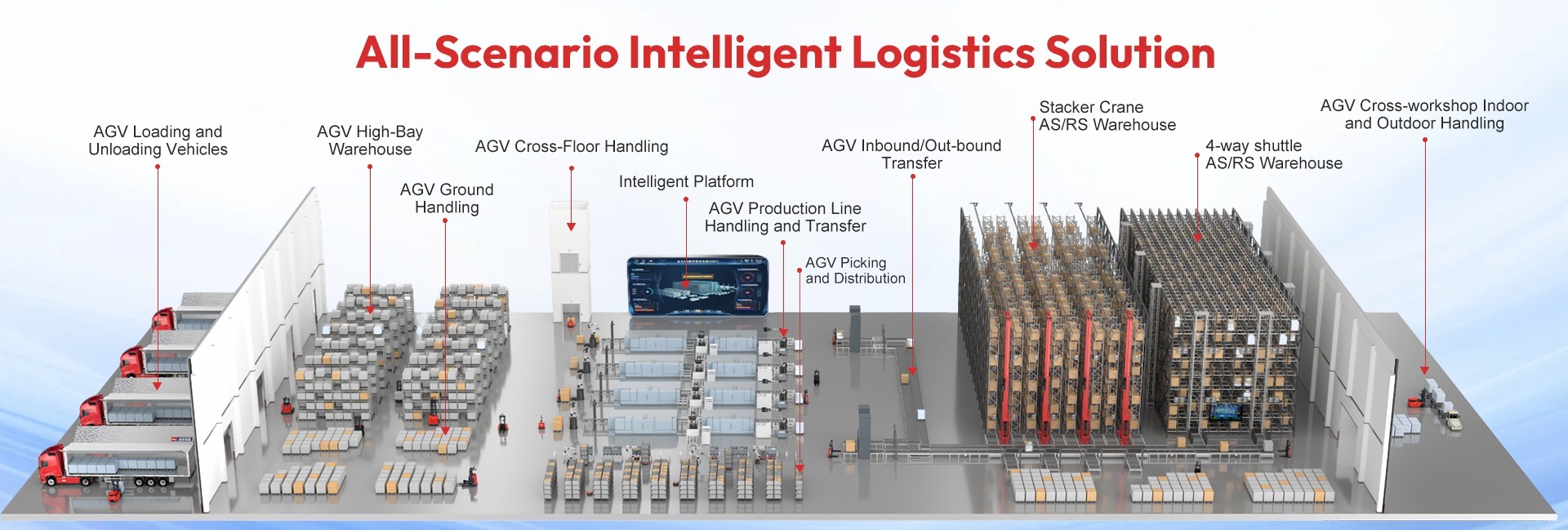
Warehouses that require very high bays, dense pallet storage or frozen-storage capacity should not force a single reach truck to solve every problem. In those cases, a very narrow aisle AGV, an AS/RS stacker crane or a four-way shuttle system may be the better primary storage engine, with reach truck AGVs serving as flexible links between production, staging and the automated store. The right procurement strategy is therefore a mixed fleet plan, not a single machine specification.

What Specifications Should Be Validated Before Purchase?

Global buyers should convert every operational assumption into a measurable requirement before comparing quotations. The following checklist reflects the questions our engineering team reviews in real projects:

  • Load unit: maximum weight including pallet, load centre, pallet type, overhang, stability, damage rate and whether the pallet has closed or open bottom boards.
  • Lift height and clearance: required fork height, rack beam clearance, closed mast height, overhead obstacles, sprinkler clearance and residual lift capacity at height.
  • Aisle geometry: aisle width, right-angle stacking clearance, rack tolerance, floor flatness, slope, expansion joints and dock-plate transitions.
  • Throughput: average and peak moves per hour, route distance, number of pick-and-drop points, waiting time at conveyors and interaction with manual forklifts.
  • Navigation: laser versus 3D SLAM, mapping time, tolerance for layout changes, wireless coverage and the process for updating maps after rack modifications.
  • Safety: scanner coverage, emergency stop, speed zones, pedestrian crossings, blind corners, audible and visual warning devices, CE risk assessment and design principles aligned with ISO 3691-4 for driverless industrial trucks.
  • Energy: battery chemistry, shift pattern, opportunity charging, charger location, fire-safety requirements and battery-room rules.
  • Integration: WMS or ERP interface, API ownership, task handshake, error handling, data logging, cybersecurity review and who is responsible for end-to-end testing.
  • Service: remote diagnostics, spare-parts kit, response time, local partner capability, training, documentation language and warranty terms.
  • Environment: ambient temperature, humidity, dust, washdown, cold-storage duty, floor marking and lighting conditions.

Final specifications are always confirmed after an engineering review. A supplier who shows you the calculation behind cycle time, battery selection and safety zoning is adding more value than one who simply quotes a headline load and lift height.
Product Recommendations

Which Configurations Fit Common Buyer Scenarios?

Use these directions to shortlist equipment by application, then confirm the final specification against your rack drawings, pallet conditions and throughput targets.

A reach truck AGV is not automatically the best choice for every aisle. The final recommendation should be based on the load unit, rack height, traffic pattern and safety case.

Selection Guide

How Do You Match an Automated Reach Truck AGV Pallet Stacker to Your Warehouse?

Use this table to prepare an inquiry or request for proposal. The right answer depends on the application envelope, not only the product name.

Buyer RequirementRecommended DirectionWhat to Validate
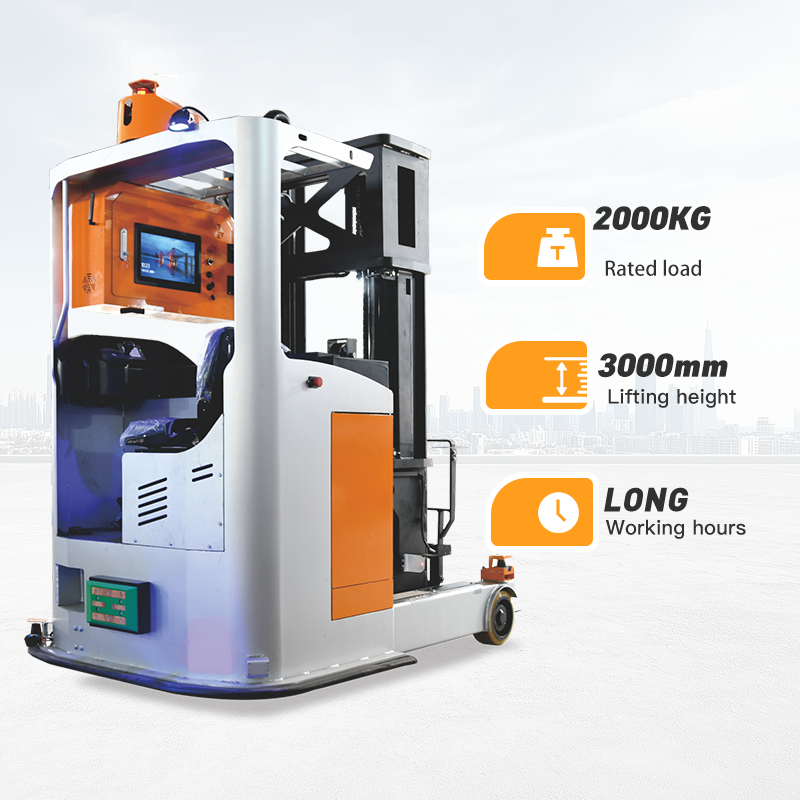
Selective racking at about 3 m2T 3M reach truck AGV pallet stackerAisle width, rack beam clearance, pallet overhang, floor flatness and residual capacity at height.
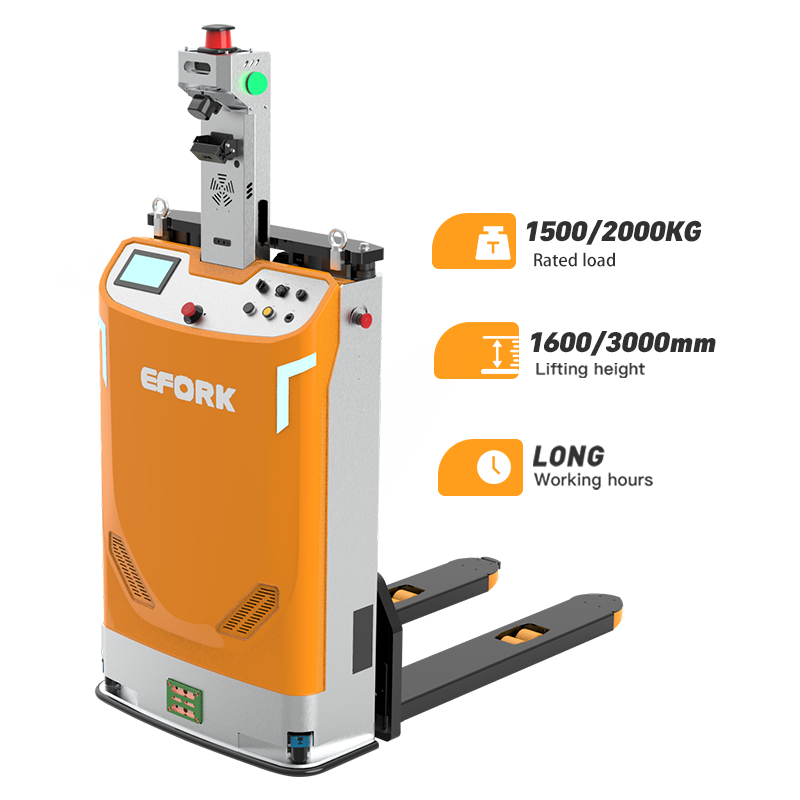
Low-level line-side deliveryPallet stacker AGV with 3D SLAMDocking tolerance, floor markings, pedestrian zones, charger location and traffic density.
High-bay narrow aisle storage3-way VNA AGV or AS/RS stacker craneAisle tolerance, rack height, surface accuracy, guidance method and fire-safety strategy.
Docks, cages and closed-bottom palletsCounterbalanced AGV forkliftBridge plates, dock approach, load stability, outdoor transitions and no-outrigger clearance.
Integration with WMS or ERPFleet controller with documented APITask handshake, error recovery, data ownership, cybersecurity, network coverage and acceptance testing.
Cold-storage operationCold-rated configurationBattery performance, condensation, lubricants, scanner operation, door traffic and safety rules.
Multi-shift operationLiFePO4 battery with opportunity chargingShift pattern, charger placement, electrical capacity, battery cycle life and fire-safety requirements.
Pilot followed by fleet expansionModular AGV platform and scalable fleet controlMap expansion, traffic-control capacity, spare-parts commonality and training plan.

The values above are for early shortlisting only. Final engineering specifications are confirmed after reviewing your rack drawings, pallet samples, throughput data and safety layout.

Supplier Verification & E-E-A-T

Why Global Buyers Work With Anhui Nexrik Intelligent Technology Co., Ltd.

Automation projects need a supplier that can be verified, audited and supported after shipment. The company information below is the due-diligence baseline we present to global buyers.

0+

Total Staff

Verified by independent inspection
0m²

Factory Floorspace

Two production bases in Anhui
0M+

Annual Revenue (USD)

Stable capacity for fleet orders
0Patents

Awarded Patents

Plus 1 registered trademark

In-House Manufacturing

Chassis, masts and control integration are built and tested on our own lines, with onsite material and finished-product inspection before shipment.

Laser & 3D SLAM

Choose reflector-based laser navigation for fixed routes or 3D SLAM for natural-feature localization that minimizes floor and rack modifications.

One-Stop Turnkey

AGVs, stacker cranes, four-way shuttles and RGVs from a single source, engineered as one WMS-ready system rather than stitched together.

Proven Compliance

CE marking under 2006/42/EC, ISO 9001 and ISO 45001 systems, and SGS onsite verification support smooth tender review and customs clearance.

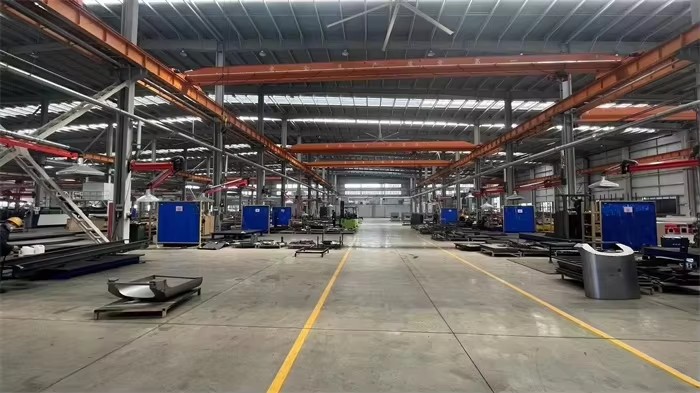
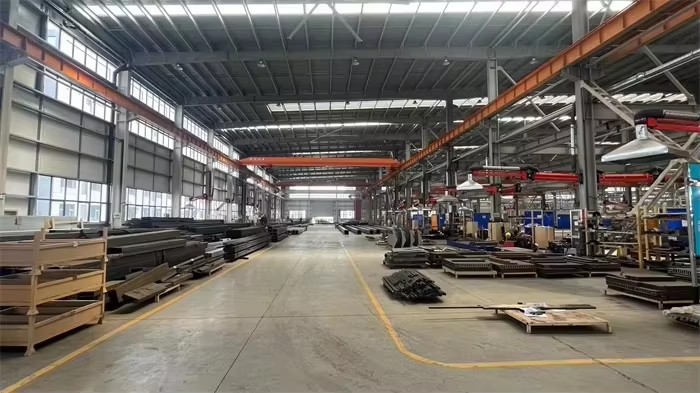
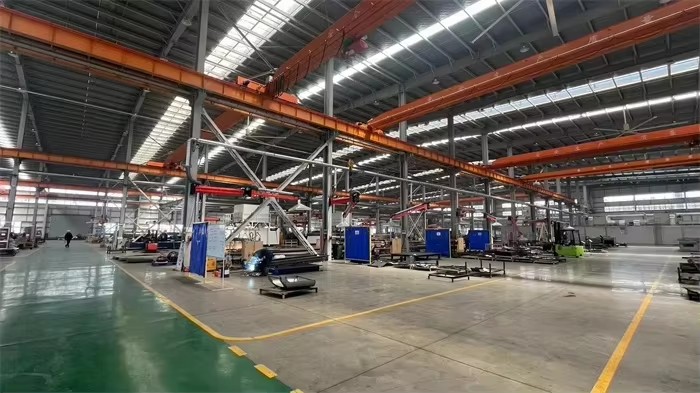
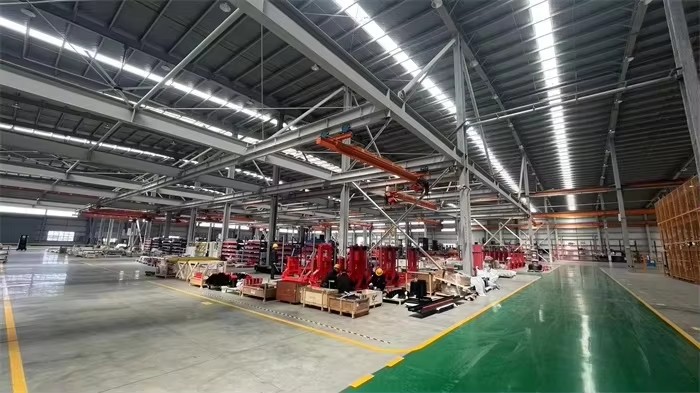
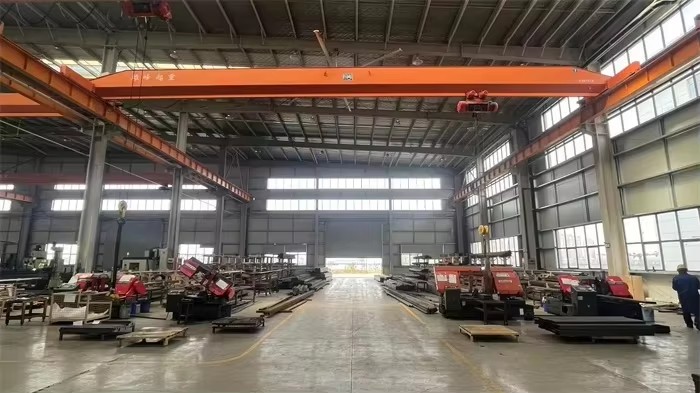
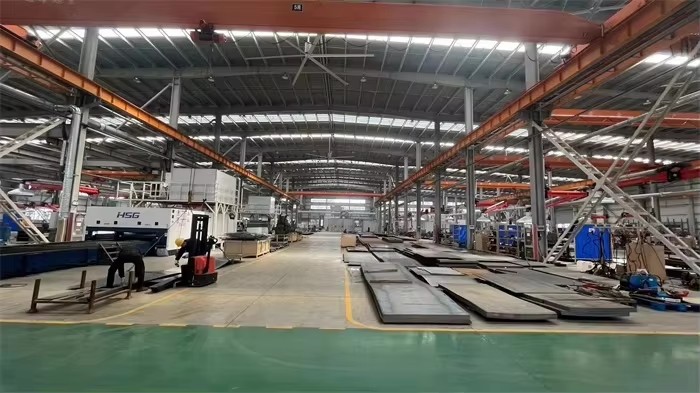
Anhui Nexrik Intelligent Technology production line for automated reach truck AGV pallet stackers Factory Tour · 2:10

Anhui Nexrik Intelligent Technology Co., Ltd.

Anhui Nexrik Intelligent Technology Co., Ltd. is a manufacturer focused on the R&D, production and integration of intelligent warehousing equipment, including AGV forklifts, automated reach truck AGV pallet stackers, VNA AGVs, AS/RS stacker cranes, four-way shuttles and RGVs. The company operates from the Huagang Town Industry-City Integration Demonstration Zone in Feixi County, Hefei, Anhui, China, and serves buyers in Southeast Asia, South America, Eastern Europe, South Asia and North America.

For global procurement teams, the value of this supplier profile is not only manufacturing scale. It is the ability to align a machine specification with racking, pallet flow, WMS integration and safety documentation. Our engineering process starts from pallet samples, rack drawings and throughput targets, then moves to fleet sizing and layout validation before production.

  • Business type: Manufacturer & Trading
  • Staff: 1,152 (onsite verified)
  • Certifications: CE · ISO 9001 · ISO 45001
  • Service: OEM, ODM, design & buyer label
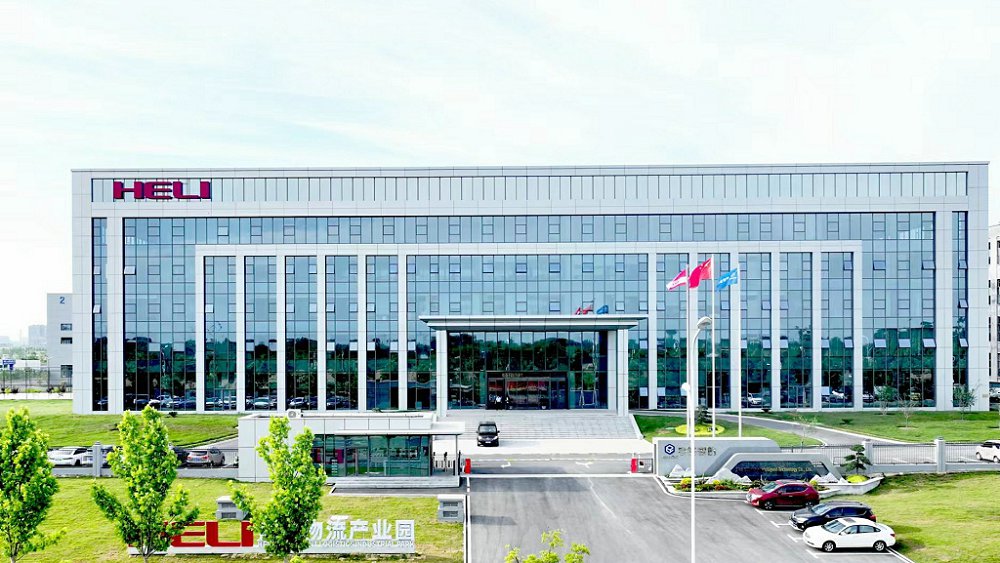
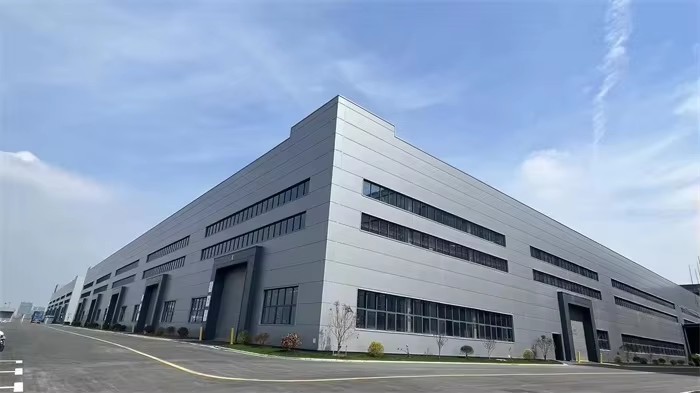
Anhui Nexrik Intelligent Technology production base exterior AGV assembly workshop for automated reach truck pallet stackers Warehouse automation equipment testing area
Company Profile
FAQ

Automated Reach Truck AGV Pallet Stacker Buyer Questions

These are the questions global buyers most often ask during early technical and commercial review. Final answers depend on the site survey and agreed project scope.

What is an Automated Reach Truck AGV Pallet Stacker?

It is a driverless pallet-handling truck that combines reach-truck load handling with stacker-style lifting. It uses laser or 3D SLAM navigation, receives tasks from a WMS, WCS or fleet controller and can pick, transport, lift and place palletized loads in racking, floor locations or staging lanes.

What load capacity and lift height are typical?

For selective racking, many projects use 1.5 to 2 tonnes at about 3 metres. Lower automated pallet stackers commonly cover approximately 1.6 to 3 metres. Very narrow aisle and AS/RS equipment is specified separately for higher bays. The final rating must be checked at the actual load centre and lift height, because residual capacity decreases as height increases.

Can it work in an existing warehouse without floor tape or reflectors?

3D SLAM models can localize against natural building and rack features, reducing the need for floor tape or reflectors. A site survey is still required to confirm floor condition, aisle geometry, rack tolerance, lighting, wireless coverage and traffic rules. Laser navigation remains a strong option for fixed, highly repetitive routes.

How should buyers calculate return on investment?

Start with the fully loaded cost of the current process: labour across shifts, forklift damage, pallet damage, safety incidents, training, shift handover and lost time. Then model the automated fleet by completed pallet movements per shift, including charging time, maintenance and the cost of software and support. A credible ROI calculation uses the buyer's real throughput and exception rate, not a demonstration video's best cycle time.

What certifications and safety evidence should buyers request?

Request CE documentation, the risk assessment, safety scanner specifications, emergency-stop design, electrical drawings, test reports, ISO 9001 and ISO 45001 evidence, and the agreed factory acceptance test plan. Buyers should also confirm how speed zones, pedestrian crossings and obstacle detection are validated on site.

Can the AGV integrate with our existing WMS or ERP?

Yes, integration requirements should be defined during solution design. The project should confirm API ownership, task handshakes, error handling, data logging, network requirements, cybersecurity expectations and testing responsibilities. Integration should be treated as a project workstream, not a final configuration step.

What is the minimum order quantity and customization scope?

The MOQ is 1 set for listed models, which allows a buyer to run a pilot before scaling. Customization can include load capacity, lift height, fork dimensions, battery configuration, cold-storage variants, buyer-label production and OEM or ODM work. Every customization should be covered by a revised specification and risk review.

Which trade and payment terms are accepted?

Delivery terms include FOB, CFR, CIF, EXW, FAS, CIP and DDP. Payment methods include L/C, D/P, D/A, MoneyGram, credit card and Western Union in USD, EUR or CNY. The final terms are confirmed in the commercial quotation and contract.

What should be included in the inquiry to get an accurate proposal?

Send the pallet dimensions and maximum weight, rack layout or CAD drawing, required lift height, aisle width, current and peak throughput, shift pattern, floor-condition notes, WMS or ERP interface expectations, destination country and required certifications. If photographs of the pallet and racking are available, include them. This information allows the supplier to recommend a realistic equipment mix and avoid pricing a machine that cannot meet the application.

Request a Site-Specific Proposal for Your Automated Reach Truck AGV Pallet Stacker Project

Send your pallet specification, rack layout, lift height, throughput target and destination country. Our engineering team will review the application and propose a practical equipment mix, safety scope and next-step validation plan.

info@nexrikbot.com

Get a Quote